

_1790150425011.webp)
How to Extend Cable Life with Proper Jointing






 2026-05-29 12:09:27
View:389
2026-05-29 12:09:27
View:389To make cable last longer by properly joining them, you must first understand that a Cable Joint is the most important part between two cable pieces. It keeps the electricity flowing and protects against damage from the environment. Good jointing methods stop moisture from getting in, mechanical failure, and insulation breakdown, which are three things that cause about 60% of industrial wire failures to happen before they should. Businesses can cut repair costs by 40 to 50 percent while keeping service going by choosing the right joint types, following installation instructions, and doing preventative maintenance.

Understanding Cable Joints and Their Importance
Electrical transport systems in businesses, factories, and building projects are held together by cables. Knowing how these links work is what makes the difference between a system that lasts for decades and doesn't need any repairs and one that does.
What Defines a Quality Cable Joint?
When the connection is made correctly, it keeps the electrical and mechanical qualities of the original cable and protects it from the surroundings. Modern jointing systems fix the integrity of the insulation, relieve strain, and keep contaminants out, unlike simple splices that only put wires back together. To make the choice, voltage ratings, wire sizes, and environmental factors must all be matched with the right jointing methods.
High-quality links have more than one layer of safety. The interior part makes electrical contact again by crimping, compressing, or mechanically binding. The surrounding insulation layers bring back the dielectric strength to the same level as or higher than what was originally specified for the wire. Outer jackets guard against mechanical damage and keep out the elements, which is especially important for sites that are outside or underwater.
Types of Cable Jointing Technologies
For different uses, different jointing methods are needed. To make tight seals around links, heat shrink systems use polymer tubes that get smaller when heated. These work well for voltages up to 35kV and are very resistant to moisture if they are placed correctly. Alternatives to cold shrink use pre-expanded rubber tubes that shrink without heat. This makes them perfect for tight areas or explosive environments where flame sources could be dangerous.
In resin-based systems, liquid materials are poured into molds that circle the point of connection. When they dry, these make strong, lasting parts that can be used in harsh conditions and with higher voltages. Options made of silicone are flexible and don't change much when the temperature does. They can be used with wires that are subject to heat cycles or vibration.
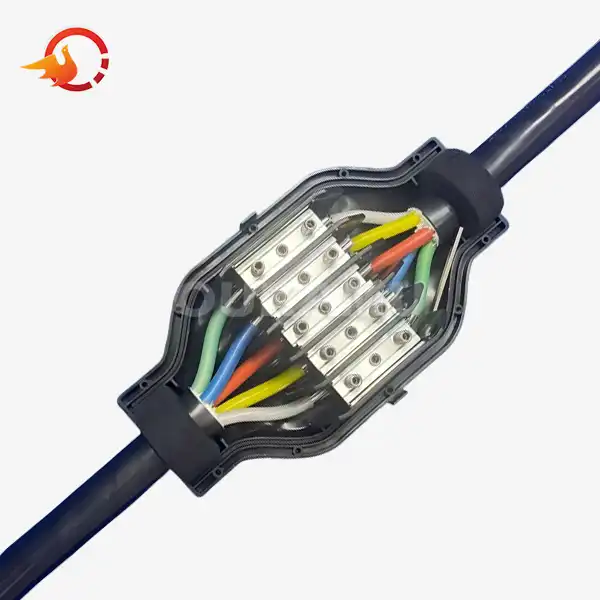
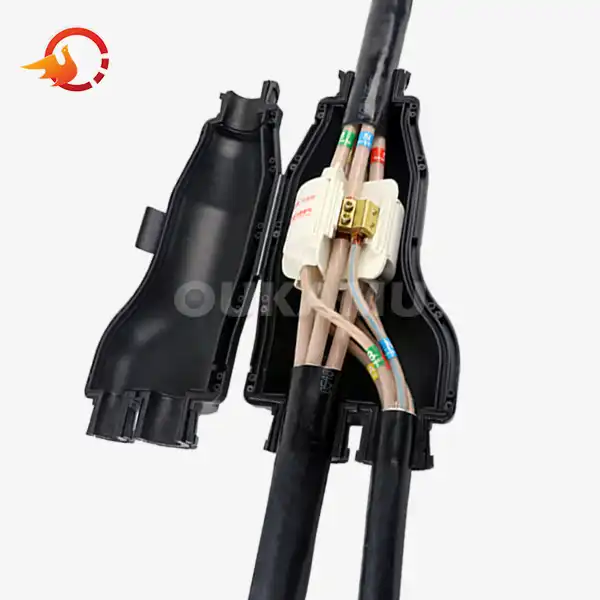
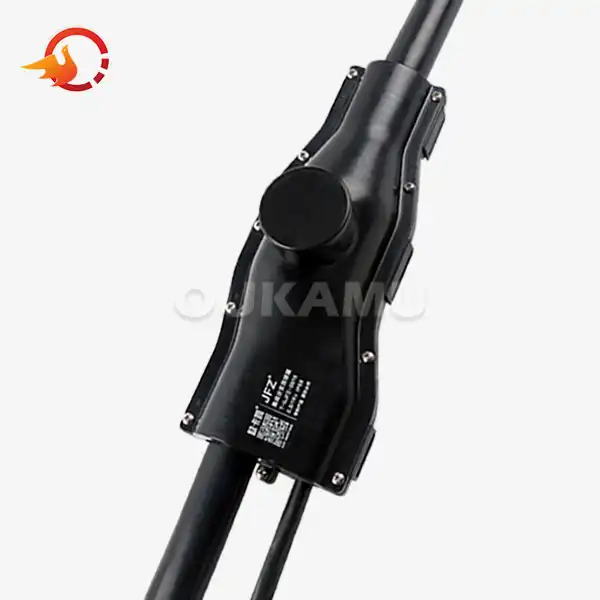
Cable Joint technology is a special kind of technology that lets you connect to major lines without stopping them. This new technology is shown by the ZR-JFZ-120/35 type, which can handle main lines from 50mm to 120mm and branch links from 2.5mm to 35mm at 0.6/1kV ratings. This method gets rid of the need to cut main wires, which keeps the system's integrity and lets distribution setups be changed easily.
Material Selection Impact on Longevity
The chemicals that are used in jointing systems have a direct effect on how long they last. Hydrocarbon-resistant mixtures can handle being exposed to oil in chemical plants and factories, and flame-retardant materials meet safety standards for use in buildings. When there is a fire, halogen-free choices make less toxic smoke, which is very important in tight areas like caves or high-rise buildings.
UV-resistant outer jackets stop degradation in outdoor sites, where sunshine speeds up the breakdown of polymers. Waterproof closing systems keep out wetness, which is the main reason why insulation fails in wet and underground places. Choosing materials that are right for the job stops them from breaking down too quickly and increases the time between repair visits from months to years.
Challenges Affecting Cable Joint Longevity
There are many risks that can affect the performance and shorten the life of connections, even ones that are well built. Having an understanding of these risk factors helps buying teams come up with ideas that work in the real world, not just in a lab.
Environmental Factors That Degrade Performance
Moisture is the main thing that can damage electricity circuits. Water penetration creates conductive paths through insulation, causing leakage currents that generate heat and accelerate chemical breakdown. Underground parts are always exposed to groundwater, while installs above ground have to deal with rain, condensation, and changes in temperature. For closing systems to work, they have to be able to handle changes in temperature without letting water in.
Changes in temperature put mechanical stress on wires, insulation, and joint materials because they expand and contract at different rates. Outdoor installations can experience daily temperature changes of 50°C or more, and links in industrial settings may be exposed to high temperatures that last for a long time. Materials must keep their electrical and mechanical qualities even when they are exposed to temperatures ranging from -40°C to +90°C, which is usually the temperature range for outdoor use.
In industrial settings, chemicals break down joint materials. Standard rubber compounds become softer in hydrocarbon solvents, while metal parts and some polymer formulas break down in acidic or alkaline environments. Different types of dirt can affect underground systems, and some places are very bad for normal materials because they are very corrosive. Unexpected breakdowns can be avoided by matching joint design to specific chemical exposures.
Installation Errors and Their Consequences
A large portion of joint problems are caused by bad fitting methods. Oxidation layers form on conductors that aren't cleaned well enough, which raises contact resistance and creates heat when the load is put on them. When crimping isn't done right, high-resistance links can get too hot and break. When you over-tighten mechanical connections, you damage the conductor strands. This lowers the current carrying capacity and creates stress collection places.
If the environment is dirty during fitting, it lowers the efficiency of the seal. If sealing surfaces are wet or dirty, they don't stick properly, leaving pathways for water to get in. When joints are put together when it's wet, moisture gets stuck inside the system and speeds up internal corrosion. These problems can be avoided by following the manufacturer's instructions for cleaning the surface and keeping the surroundings under control during installation.
Mechanical Stress and Physical Damage
When forces are put on wires, they are transferred to joints, where they often do damage. When installing something, too much pulling force can put stress on mechanical connections, which could damage the insulation or cause the wire to pull out. If there isn't enough strain relief, the weight of the wire and the heat expansion can put stress on the connection places. Mechanical screws become less tight over time when they are hit by nearby machines or traffic. This makes contact resistance higher.
Damage from outside impacts is still a problem in factories where vehicles or tools used for moving things pass close to wire routes. Joints in high-traffic places need extra mechanical safety, like conduit systems or concrete encasing. Underground joints need to be kept safe from digging tools and the forces of earth settling. When possible, joints should be placed away from high-risk areas during installation. When this isn't possible, they should be protected mechanically.
Best Practices for Proper Cable Joint Installation
For installation to go smoothly, there must be a set of steps that take care of every important factor. These methods turn the quality of the parts into the dependability of the whole system, making sure that high-quality jointing goods work as well as they can.
Pre-Installation Assessment and Preparation
Planning carefully helps avoid mistakes during installation and makes sure that all the parts work together. Identification of cables checks the conductor material, insulation type, voltage grade, and physical measurements. These factors must be exactly matched when choosing a joint, as any differences put electrical safety and performance at risk. An environmental review finds out about things like wetness levels, temperature changes, chemicals that are present, and mechanical stress levels that affect the choice of material.
Preparing the work area creates controlled conditions that make installation go more smoothly. Work places that are clean and dry keep things from getting dirty during building. Enough light lets you see the planning steps clearly. Controlling the temperature of materials makes sure they stay within certain working ranges. For example, some chemicals need to be at least a certain temperature to flow and stick together properly. The time it takes to put things together is cut down and exposure to outdoor pollution is reduced by organizing tools and materials before starting work.
Systematic Installation Procedures
Preparing the cables is the first step in successfully joining them. It takes sharp tools and careful, well-planned steps to cut insulation and jacket materials without damaging the conductors. Cleaning exposed wires with chemical solvents or mechanical abrasion, as directed by the maker, gets rid of oxidation and contamination. Before the final assembly, measuring and writing make sure that the parts are in the right place.
When attaching a connector, you need to pay attention to the technical details. Crimping needs precise tools that apply the right amount of compression force. If you don't do it right, the links will have a lot of resistance, and if you do it too much, the conductor strands will get damaged. To get the right contact pressure without putting too much stress on the parts, mechanical joints need to be tightened with torque control. Electrical performance is solid if you follow the manufacturer's instructions for these important factors.
When insulation is fixed, the dielectric strength must be at least as high as it was in the original wire. To use heat-shrinkable materials, they need to be heated evenly so that they shrink completely without getting too hot and breaking down the materials. To place cold shrink, the supporting cores must be carefully removed while keeping the closing surfaces clean. Before putting links to use, resin systems need the right mixing ratios, the mold to be fully filled, and enough time to dry.
The ZR-JFZ-120/35 branch connection makes this process a lot easier because it is built in. The installation can go forward without cutting the main wire, which gets rid of the need for splitting and the risks that come with it. The connector can be placed anywhere along the cable line, so it can adapt to the conditions at the spot instead of needing to be set in stone. This versatility saves two to three meters of wire for each link and cuts work time by about forty percent compared to traditional branching methods.
Quality Verification and Testing
Testing shows that the installation steps made links that are electrically sound. High voltage is used in insulation resistance testing to make sure that leakage currents stay below safe limits. Readings below what the maker recommends could mean that there is contamination, wetness, or not enough shielding. Finding these problems before turning on the power stops service failures and lets you fix them while keeping entry easy.
Visual inspection makes sure that all the parts are in the right place, the closing systems are fully engaged, and there are no obvious problems. By comparing the temperatures of high-resistance links to those of nearby wire sections after they have been powered on, thermal imaging can find them. Writing down information about the installation and the test results makes records that can be used to plan maintenance and make guarantee claims if problems arise during the service life.
Repair and Maintenance Techniques to Prolong Cable Life
Proactive maintenance plans find problems before they become failures, and effective repair methods quickly get damaged parts back to work. By doing these things, cable joints become more than just passive connections—they become reliable, well-maintained components that help the cable system perform as expected and last longer.
Inspection Protocols and Diagnostic Methods
Schedules for regular inspections find signs of wear and tear before they become problems. A visual inspection can find physical damage, seal wear, and external intrusion. During times of high load, thermal studies show that connections are growing higher resistance. By plotting these readings over time, you can tell the difference between regular changes in temperature and damage that needs to be fixed.
Electrical testing at regular times measures the state of the shielding. Changes in insulation resistance show that moisture is getting in or the material is breaking down. In higher-voltage situations, partial discharge tests can find insulation problems that are starting to form. Setting standard measures during commissioning gives you a way to compare test results in the future. When trends go down, they need to be looked into and fixed before they fail completely.
Temporary and Permanent Repair Solutions
When things break, emergency repairs get service back up quickly, but lasting fixes usually need more work in the future. Tape systems can fix small damage to insulation temporarily, so service can keep going while permanent changes are made. Electrical continuity can be achieved with temporary joints that use mechanical connectors and basic insulation, but they may not offer much safety from the outdoors. These methods work well in an emergency, but they shouldn't be used instead of good long-term fixes.
Permanent fixes are put in using the same steps as the original jointing work. Damaged parts need to be taken out completely, the cables need to be re-prepared, and then new jointing components need to be put in. Repair parts will work consistently if the materials used are the same as or better than what was originally specified. Upgrading to better jointing technologies during repair work can be helpful in some situations, especially when the original joints had design flaws.
Real-World Success: Infrastructure Project Implementation
The JinRentong Highway project, which connects Zunyi City and Bijie City, shows how good jointing tools can help build big infrastructure. There are almost 20,000 cable links in this transportation route, so solutions had to be reliable, easy to install, and last a long time. Oukamu's advanced jointing technology delivered the performance needed, helping to ensure smooth connection along this important road connecting the Chengdu-Chongqing Economic Zone.
This execution shows how choosing the right product and installing it correctly can make a real difference in tough situations. Extreme temperatures, vibrations from heavy traffic, and the need for long service lives are all problems that highway equipment has to deal with. Connections that break too soon can be dangerous and cost a lot to fix in places that are hard to get to. These problems could have been avoided by choosing tried-and-true jointing technology and following organized installation steps. This shows how important it is to make choices about purchasing that focus on quality.
Selecting the Right Cable Joint for Your Procurement Needs
When making choices about purchases, people have to weigh technical needs, business concerns, and the details of the supply chain. Specifications that work well lead to goods that meet the needs of the application while also allowing for efficient inventory management and competitive project costs.
Technical Specification Criteria
The first step in making the right choice is matching the joint scores to the cable settings. The voltage values must be the same as or higher than the system's working voltage, with enough room for error. The current capacity must be able to handle the highest load conditions plus a fair amount of overloading. Conductor size compatibility makes sure that connection methods work with cords and give the right electrical performance.
Environmental scores talk about how the system will actually be used. Designs that are waterproof work well in wet or underground areas, while standard designs that are resistant to moisture are fine for dry indoor uses. Ratings for temperature must take into account both the outside temperature and the heat from electricity leaks. Chemical resistance standards match how people are exposed to certain chemicals that are common in workplace settings. The amounts of mechanical security match the physical risks that are present at the installation sites.
The ZR-JFZ-120/35's flexible form lets it meet a number of technical needs. This connector can handle standard distribution setups at 0.6/1kV voltage levels and works with main lines that are 50mm to 120mm and branch cables that are 2.5mm to 35mm. Construction that is insulated, flame-retardant, fire-resistant, and waterproof meets a wide range of weather needs. Meeting GB/T 14048.7-2016 and other international safety standards guarantees quality and follows the rules set by regulators.
Evaluating Supplier Capabilities
Choosing the right supplier affects the quality of the product, the reliability of the supply chain, and the professional help. Products from well-known companies with a lot of application knowledge have been tested and shown to work in real life. Technical support helps with choosing the right product, getting it set up, and fixing problems when they happen. Quality certificates and compliance paperwork show that goods meet certain standards and government rules.
There are a number of big foreign suppliers in the cable joint business. Companies like 3M, ABB, and Siemens have wide types of products and expert help networks around the world. Regional experts know a lot about certain technologies or market groups. To figure out what a seller can do, you need to look at their technical documents, certifications, and customer references from similar projects.
Oukamu is a unique option that has developed over 20 years a lot of experience in branch cable jointing technology. This focused method leads to new ways of solving specific problems in cable distribution systems. With its integrated design theory, the company makes small, flexible goods that are easy to install and work reliably. The ability to make things supports both standard goods and custom solutions that fit the needs of each job.
Managing Procurement Logistics
Choosing the right products is only part of successful buying. You also need to know how to negotiate prices and make sure the supply chain works. Minimum order amounts affect how much material is bought and how projects are scheduled. Standardized design manufacturers usually keep a lot of stock on hand so they can deliver quickly. Customized goods, on the other hand, need longer wait times for engineering and production. The most efficient way to buy things is to weigh these factors against project deadlines and store space.
Pricing models take into account the number of orders, the amount of customization, and the provider connections. People who commit to buying in bulk often get better prices, but these savings have to be weighed against the costs of keeping supplies and the risk of going out of style. Setting up framework deals for needs that come up over and over again makes individual trades easier and secures good business terms. Quality standards must not be lowered, even if prices are going down, because bad goods cause mistakes that cost more than the initial savings.
Service and technical help after the sale add a lot of value above and beyond the cost of the goods. Total ownership costs go down when suppliers offer installation training, help with problems, and guarantee support. This is because successful installations and quick problem solutions are more likely to happen. By looking at these service aspects when choosing a supplier, you can find partners who can help the project succeed in the long run instead of just providing parts.
Conclusion
Using the right jointing techniques to extend the life of cables has big economic and practical benefits. Understanding jointing technologies, identifying degradation factors, following structured installation processes, and keeping up with preventative maintenance programs are all things that can be done to make cable infrastructure a reliable asset. Companies can be successful if they make procurement choices that balance technical needs with suppliers' skills. goods like the ZR-JFZ-120/35 show how branch jointing technology has changed over time. New ideas have helped solve real installation problems while also making goods more reliable and lowering overall costs. Companies that use these methods lower their maintenance costs, avoid expensive service interruptions, and get the most out of their equipment over longer service lives.
FAQ
How long should properly installed cable joints last?
When joints are put correctly and with good materials, they usually match or beat the service life of the cable, which is usually 25 to 30 years in normal situations. The climate, the type of work, and how well the equipment is maintained all have a big impact on its service life. Underground joints in dry, stable places usually last 40 years or more, but joints in tough chemical or high-moisture places may need to be replaced after 15 to 20 years, even if they were installed correctly.
Can damaged joints be repaired or must they be replaced?
If the top protective layers get slightly damaged, it may be possible to fix them by adding more binding and protection. When electrical lines or main insulation are damaged, the joint usually needs to be replaced from top to bottom. When trying to fix joints that are seriously damaged, the results are often uncertain and end up costing more in repeated fails than the initial cost of replacement.
What causes most cable joint failures?
About 40% of joint failures are caused by moisture getting in, then 25% to 30% are caused by bad fitting, 15% to 20% by mechanical damage, and 10% to 15% by heat degradation. A lot of problems are caused by more than one thing, like mistakes in the fitting that let water in. Most mistakes can be avoided by getting to the root causes by choosing the right products, following the right installation steps, and taking care of the surroundings.
Partner With Oukamu for Reliable Cable Jointing Solutions
Oukamu can help you with your infrastructure projects because he has twenty years of experience in branch cable connector technology. Our ZR-JFZ-120/35 integrated branch connector is an example of how advanced engineering can be used to solve real installation problems. It spares 2-3 meters of cable per connection, eliminates the need to cut the main wire, and allows flexible branch placement. It also cuts labor costs by a large amount. As a reliable Cable Joint provider, we make goods that meet GB/T 14048.7-2016 and other international safety standards.
Our solutions are flame-resistant, waterproof, and reusable, and they have been used in tough situations like the JinRentong Highway project. Whether you need standard products or ones that are made to your exact specs, our expert team can help you with all of your buying needs, from choosing the right products to installing them. Email us at info@okmbranchcable.com to talk about how our high-performance, low-cost plugs can make your cable distribution systems work better.
References
1. Institute of Electrical and Electronics Engineers. "IEEE Guide for Field Testing of Shielded Power Cable Systems Using Very Low Frequency (VLF)." IEEE Standards Association, 2015.
2. International Electrotechnical Commission. "Power Cables with Extruded Insulation and Their Accessories for Rated Voltages from 1 kV up to 30 kV." IEC Standard 60502-2, 2014.
3. Smith, J.R. and Williams, P.D. "Cable Joint Failure Analysis in Underground Distribution Systems." Journal of Electrical Engineering and Technology, vol. 13, no. 4, 2018, pp. 1567-1582.
4. British Standards Institution. "Electric Cables - Calculation of the Current Rating - Operating Conditions." BS IEC 60287-3-1:2017.
5. Zhang, L. and Chen, M. "Impact of Environmental Factors on Cable Joint Longevity in High-Voltage Distribution Networks." Power System Technology, vol. 42, no. 8, 2018, pp. 2445-2453.
6. Anderson, R.K. "Practical Guide to Cable Joint Installation and Maintenance for Industrial Applications." Electrical Construction and Maintenance Magazine, Technical Manual Series, 2019.