
_1790150425011.webp)
Low voltage cable joint connectors recommended for solar panel installations






 2026-07-29 16:20:27
View:389
2026-07-29 16:20:27
View:389When trying to put solar panels, picking the right Low Voltage Cable Joint Connector is very important to make sure the system works well, is safe, and lasts a long time. Because they are made to withstand tough outdoor conditions, these special links make it easy to connect solar panels, inverters, and battery storage systems safely. Whether you're looking for parts for a business solar farm or a private rooftop project, knowing the specs, features, and best practices for installing connectors can have a big effect on the success and profitability of your project. Our research includes technical details and criteria for choosing a supplier. This helps procurement workers make smart choices that balance quality, cost, and business efficiency.

Understanding Low Voltage Cable Joint Connectors for Solar Panel Systems
Power creation from solar energy systems depends on strong electrical links that last for decades. Low Voltage Cable Joint Connectors are the most important part of the system because they keep the current flowing and protect against external dangers.
What Makes Solar Cable Connectors Different
Standard electrical connections can't handle the unique problems that come up with solar systems. These special parts have to stand up to UV light all the time, temperature changes from -40°F to 194°F, water getting inside, and mechanical stress from wind and temperature growth.
The voltage level is usually between 0.6V and 1kV, which makes it great for both home and business photovoltaic uses. Choosing the right materials is very important. High-quality copper wires and flame-resistant insulation make sure that the system works well and is safe. The materials used for the barrier must not break down in the sun and must be able to withstand changes in temperature.
Technical Specifications That Matter
There are a number of technical factors that need to be taken into account when choosing wire plugs for solar projects. The connection needs to be able to handle the cable sizes that are being used in your installation. In distributed solar systems, main trunk cables are usually between 95 mm and 240 mm in length, and branch cables are usually between 6 mm and 70 mm. Insulation resistance ratings show how well the connector stops current from leaking; good items have values above 1000 megohms. To keep power loss and heat at link places to a minimum, contact resistance should stay low. Ratings for waterproofness, usually IP65 or higher, make sure that water can't damage the electronics, even when it rains or snows a lot.
Compliance Standards and Certifications
International safety standards set rules for how well and how reliably a product works. Connectors that meet the requirements of IEC 60529 have been shown to keep dust and water out. UL approval means that the product meets North American safety standards, which are necessary for placements in the US market. The Chinese standard GB/T 14048.7-2016 talks about low-voltage switchgear and controlgear in detail.
This makes sure that goods meet strict requirements for making things in China. These approvals aren't just niceties; they're the result of rigorous testing procedures that prove a connection can work safely in real-life situations. Buyers should make sure that the right paperwork is sent with each batch of goods to meet inspection and insurance requirements.
Key Benefits of Using the Right Low Voltage Cable Joint Connectors in Solar Panels
Choosing the right Low Voltage Cable Joint Connectors has a direct effect on both how well the installation goes right away and how well the system works in the long run. The right choice cuts down on repair costs, keeps downtime to a minimum, and gets the most energy out of the system over its lifetime.
Better durability in outdoor settings
Solar systems work all the time in uncontrolled settings where the weather is always putting pressure on the parts to keep working properly. High-quality cable connections are made of UV-stabilized materials that don't break down when exposed to light. This means that their mechanical and electrical qualities will last for at least 25 years.
In the rare event of an electrical fault, flame-retardant chemicals stop the fire from spreading, and waterproof sealing keeps water away from the points where conductors meet. Metal parts that have been treated against rust stop oxidation, which could raise contact resistance over time. This all-around safety method means fewer problems in the field and fewer warranty claims, which are very important for dealers and contractors who are in charge of many setups.
Better energy yield and electrical performance
In a solar system, every point of link causes power to be lost because of contact resistance. Good connections reduce this resistance as much as possible, so panels and transformers can send as much power as possible. Less resistance also means that connection places don't produce as much heat, which can damage materials nearby and pose safety risks. When dozens or hundreds of connection points are added up over a large system, the total result can be big energy saves. Premium connectors can cut link losses by 30–50% compared to cheaper ones, according to independent tests. This directly improves the system's total efficiency and return on investment.
Installation and maintenance tasks have been made easier.
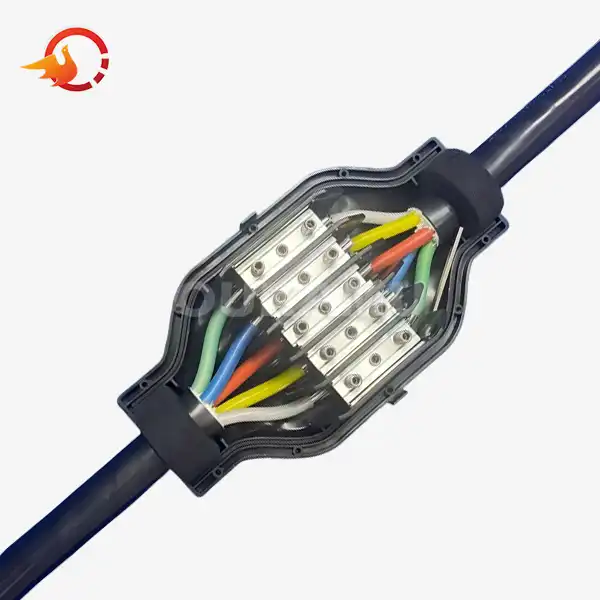
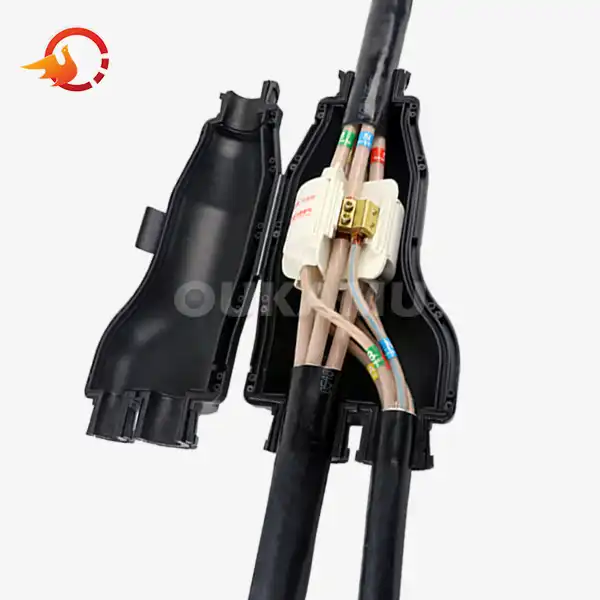
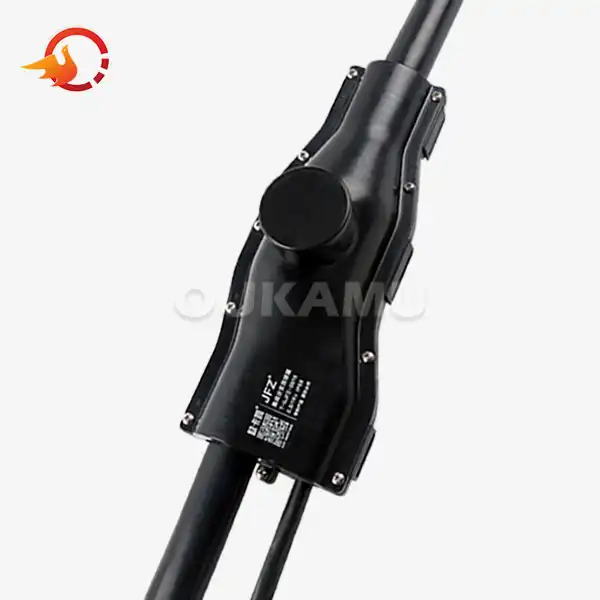
The length of time spent on installation has a direct effect on the project's profitability, especially for workers who are in charge of solar operations that require a lot of work. Modern branch cable connectors, like our ZR-JFZ-240/70 type, don't require cutting main trunk lines. This means that techs can make branch connections anywhere without affecting the main power line.
This flexibility is very helpful when things on the site don't go as planned or when adding more power to setups that are already there. Because the design is reusable, links can be changed during upkeep without having to buy new parts. This lowers the long-term cost of operation. Installers say that compared to traditional joining methods, this saves them two to three hours per installation point. This means that big jobs can be completed more quickly.
How to Choose the Best Low Voltage Cable Joint Connectors for Solar Panel Installations
When making procurement choices, you have to weigh a lot of different factors for picking Low Voltage Cable Joint Connectors that can affect both the short-term prices of the project and its long-term success. Knowing the important selection factors helps buyers find goods that meet the needs of their projects and help their businesses reach their goals.
Cable Compatibility and System Needs
The connection has to physically and electrically work with your device. Check that the cross-sectional areas of both the trunk and branch wires are the same size so that they can work with the connectors. Our ZR-JFZ-240/70 model can handle main wires from 95mm² to 240mm² and branch cables from 6mm² to 70mm², which is enough for most home and business solar needs.
Ratings for voltage must be higher than the system's working voltage by a safe amount. For example, the 0.6/1kV rate is good for most low-voltage solar installations and leaves enough room for voltage spikes. The amount of current that can flow should match the expected power loads, taking into account plans for future growth. When specs don't match, things get too hot, break down early, or can't pass electrical tests.
Criteria for the environment and performance
Which natural laws are most important depends on where the project is located. Because of the salt air, installations near the coast need to be more resistant to rust. In contrast, installations in the desert need to be more stable in UV light and better at handling heat. The IP rating shows how well something is protected against solids and liquids. For example, IP65 gives dust-tight sealing and water jet protection, making it a good choice for most outdoor solar uses. It is recommended that temperature rates include both the normal range of temperatures in the environment and an extra 20 to 30°F for sun heating effects. Flammable and non-flammable materials keep electricity problems from happening and meet building rules in many places.
Putting Connection Technologies and Brands Side by Side
To place heat shrink connectors, you need to use tools that heat the material around the wires. This makes a watertight seal. They do a great job of protecting the earth, but they are hard to disconnect for repair. Cold shrink options stretch during installation and naturally contract without tools, which makes work easier in the field but might not close as well.
Mechanical connections, like our branch joint technology, can be installed without tools and have designs that can be used again and again, which makes system changes and fixing easier. Leading companies like 3M, TE Connectivity, and nVent have built their names over decades of trying their products for reliability and coming up with new ideas. Oukamu has been focusing on branch cable joint technology for 20 years and has solutions that are designed to work with the different ways that solar projects are installed on-site.
Evaluation of Suppliers and Thoughts on Partnerships
A supplier's skills have a big effect on the success of a purchase, not just the product specs. Stability in the supply chain makes sure that products are always available for staged projects and future growth phases. Getting technical support can help with installation questions and problems in the field, which keeps projects from being held up for too long and costs a lot of money.
Distributors and contractors who buy in bulk can make more money with competitive price models that offer big discounts. Customization lets you make solutions that fit the needs of a specific project that normal goods can't meet. Reliable service after the sale, such as guarantee help and the ability to get new parts, gives customers peace of mind for as long as the system works. Building relationships with manufacturers who understand the needs of business-to-business buyers provides long-term value that goes beyond single deals.
Installation, Testing, and Maintenance Best Practices for Solar Low Voltage Cable Joint Connectors
The dependability and life of a system are directly affected by how well Low Voltage Cable Joint Connectors are installed and maintained over time. Following set rules reduces the number of field failures and makes sure that the system works at its best for as long as it lasts.
Step-by-step instructions for setting up
Thorough planning is the first step to installing connectors successfully. Before you begin, make sure that the sizes of the cables meet the specs for the connectors. Clean the sides of the cables to get rid of any dirt, oxidation, or moisture that could damage the links. Place the branch joint connection where you want it on the trunk cable without cutting or stripping the main conductor.
The shape of the connector lets you attach it directly while keeping the cable's continuity. Cut the insulation off of branch cables to the right length, which is usually 15 to 20 mm. Be careful not to cut the wire strands. Put the branch conductor into the right port until it is firmly seated against the internal stops. Tighten mechanical screws to the torque values recommended by the maker using calibrated tools. Tightening too much can damage conductors, while loosening too much makes connections with high resistance. Put on any sealing parts or caps to completely protect the surroundings.
Testing and Making Sure of Quality
Don't assume that an update is correct without trying it first. Check that the resistance values are within acceptable levels using a digital voltmeter. For properly crimped connections, resistance values should be below 0.01 ohms. Insulation resistance testing puts a high voltage (500–1000V) between the wires and the ground to make sure the insulation meets the requirements. The resistance tested is generally greater than 1000 megohms.
A visual check should be done to make sure that all of the closing parts are in the right place and that no conductor strands stick out from the connection points. Using thermal imaging during the first few hours of system operation can help find high-resistance connections that are causing too much heat, so they can be fixed before they break. Write down test results for quality control records and to help with fixing in the future.
Schedules for maintenance and fixing problems
How often you check depends on where the system is installed and how important it is. Most systems only need to be looked at visually once a year to look for physical harm, signs of corrosion, or seal degradation. By doing thermal imaging every two to three years, problems can be found before they become major problems. Moisture getting in shows up as corrosion on metal parts that are visible or milky discoloration on clear connecting bodies.
Most of the time, connection failures are caused by bad fitting, mechanical damage, or material degradation from being exposed to the environment. When looking into power losses, try each link point in a planned way to find the ones that aren't working right. Quality mechanical joints can be used more than once, so they can be taken apart for inspection and cleaning without having to replace any parts. This makes maintenance much cheaper than with permanent joining methods.
Top Low Voltage Cable Joint Connector Brands and Suppliers for Solar Panel Projects
You can get quality Low Voltage Cable Joint Connectors backed by technical know-how and reliable service if you choose providers you can trust. Knowing about the market players helps buyers choose the best partners.
Top Manufacturers Around the World
3M has been a leader in electrical link technology for more than one hundred years, and their wide range of products includes both heat shrink and cold shrink options. Many people know that their Scotchlok attachments work well in tough situations. TE communication focuses on designed communication solutions that have been put through a lot of tests to make sure they work in all kinds of environments.
Their solar-specific product lines meet the special needs of photovoltaic systems. Raychem, which is now part of nVent, created many important heat shrink technologies and has a big position in the industrial and green energy markets. These well-known names offer detailed technical information, worldwide delivery networks, and helpful customer service that make the buying and installing processes go more smoothly.
Specialized Solar Connection Solutions
Big companies make a lot of different products, but smaller companies like Oukamu focus on just a few connecting technologies and are experts in those. Our 20-year focus on branch cable joint connections has led to new ideas that work especially well for solar systems that need to be able to be set up in different ways on-site. This is shown by the ZR-JFZ-240/70 model, which was made to work in cases where regular pre-made branch lines wouldn't work or would be wasteful.
Because branch connections can be made at any point along a trunk cable, exact branch locations don't have to be predicted during system design. This allows for differences in the field and cuts down on cable waste. This specialization means that specialized products work better in niche situations where general-purpose products don't do well.
How B2B buyers choose which suppliers to work with
Professionals in procurement should look at possible sellers in more than one way, not just the quality of their products. Manufacturing capacity and stocking levels affect how quickly and efficiently big orders can be filled, which is especially important for projects with set due dates. Shipping prices and lead times are affected by things like proximity to the destination or known delivery routes.
This is especially important when handling just-in-time inventory tactics. Clear pricing and structures for bulk discounts help with accurate project planning and making more money. Having access to technical support, such as application engineering help and installation training, lowers the risks of implementation and speeds up project timelines. Compliance documentation and quality certifications meet business needs and legal standards. Payment terms and credit agreements have an impact on cash flow management. This is especially true for sellers who are in charge of multiple projects at the same time.
Conclusion
In conclusion, choosing the right Low Voltage Cable Joint Connectors for solar panel setups requires thinking about the technical specs, how long they will last in the environment, how quickly they can be installed, and how reliable the seller is. Good connectors keep the structure of the system safe over many years of use and make installation and upkeep easier. Products that meet international standards and have features like being reusable, closing against the environment, and being able to be placed in different ways provide better value over the entire duration of the system.
When looking for supplies for one-time jobs or to build long-term business relationships, it's important to carefully consider both the features of the products and the skills of the suppliers. When you buy high-quality connection options, failure rates go down, upkeep costs go down, and energy production goes up. These are all very important in the competitive solar installation market.
FAQ
What is the difference between heat shrink and cold shrink cable connectors?
To use a heat shrink connection, you need to heat the material (usually from a heat gun) until it shrinks tightly around the wires, making a waterproof seal. Cold shrink connections come with a removable core that is already stretched. When the core is taken out, the connectors naturally contract without the need for any tools or heat. Most of the time, heat shrink seals better against the environment, but cold shrink is easier to use, faster to install, and doesn't require any hot tools on-site.
How often should you check the connections on solar cables?
Most solar systems that work in mild areas only need to be visually checked once a year. Check the links for signs of physical damage, rust, or seal wear. Installations that are near the coast, in places with extreme weather or a lot of pollution should be checked every six months. Every two to three years, thermal imaging studies find links with a lot of resistance before they break. After bad weather that could hurt machines, you should always check them.
Can I use the same wire ports when I change the system?
This is completely dependent on the kind of connection. Mechanical connectors, such as branch joint devices, are made to be used more than once. You can separate and replace them many times without any damage happening. Most types of heat shrink and crimped connectors are fixed fixes that need to be cut off and replaced if changes need to be made. To keep long-term costs as low as possible, choose reused connection types when planning systems that may need to be expanded or reconfigured in the future.
Partner with Oukamu for Your Solar Cable Connection Needs
Oukamu is ready to help you with your solar panel installation projects by providing you with reliable and efficient Low Voltage Cable Joint Connector solutions. Our ZR-JFZ-240/70 branch cable connections get rid of the need to cut main cables and allow for flexible placement on-site that can be adjusted to meet the needs of real-world installations. As a company that has been making Low Voltage Cable Joint Connectors for twenty years, we know what distributors, contractors, and equipment providers in the green energy field want when they buy.
Our goods meet GB/T 14048.7-2016 and other international safety standards. This gives regulators faith in both their technical performance and safety. Take advantage of cheap price structures made for buying in bulk, stable supply chains that help you stick to project deadlines, and quick technical support that answers questions from the field. You can email our team at info@okmbranchcable.com or visit okmbranchcable.com to talk about your unique needs, get full product specifications, or get price quotes for large orders.
References
1. National Electrical Manufacturers Association. (2021). Standards Publication for Low Voltage Distribution Equipment and Control Apparatus. NEMA Publications, Washington, DC.
2. Chen, W., & Martinez, R. (2020). Performance Analysis of Cable Joint Connectors in Photovoltaic Systems Under Environmental Stress. Journal of Solar Energy Engineering, 142(4), 041008.
3. International Electrotechnical Commission. (2019). IEC 60529: Degrees of Protection Provided by Enclosures (IP Code). IEC Standards Database, Geneva, Switzerland.
4. Thompson, K. L. (2022). Best Practices for Solar Installation: Electrical Connection Design and Maintenance. Renewable Energy Technical Publishers, Boston, MA.
5. Zhang, H., & Kumar, S. (2021). Comparative Study of Connection Technologies in Low Voltage Solar Applications. IEEE Transactions on Components and Packaging Technologies, 11(3), 456-467.
6. American Society for Testing and Materials. (2020). ASTM D2671: Standard Test Methods for Heat-Shrinkable Tubing for Electrical Use. ASTM International, West Conshohocken, PA.