

_1790150425011.webp)
Compare tunnel waterproof junction boxes for electrical safety






 2026-07-29 16:25:49
View:389
2026-07-29 16:25:49
View:389It is important to know how different junction boxes work in different situations when choosing electrical safety options for tough environments. It is very important to have a Tunnel Waterproof Junction Box in underground structures to keep electrical lines safe from water, dust, and mechanical damage. These special enclosures keep the purity of the electrical system and stop short circuits and equipment breakdowns that could put people in danger. Procurement pros can find solutions that work well and don't cost too much over their whole life by comparing choices based on IP ratings, material construction, and compliance standards.

Understanding Tunnel Waterproof Junction Boxes and Their Role in Electrical Safety
Standard electrical covers can't handle the unique problems that come up with underground equipment. Electrical connections in tunnels are at risk because of moisture getting in, mist building up, and being exposed to corrosive elements. This is why they need special protection.
Purpose and Working Principle
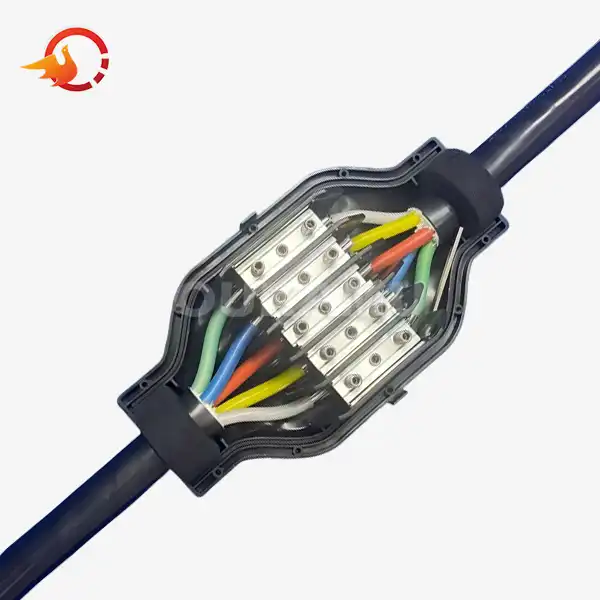
Tunnel Waterproof Junction Boxes made for tunnel use create sealed areas that keep electrical links safe from outside threats. The way it works is based on multiple layers of protection: the outer shells can withstand physical damage, closing mechanisms keep out water, and electrical insulation is maintained inside the parts. Waterproof locks keep connection spots safe when cables enter or leave the enclosure, keeping the total IP rating the same. This all-in-one method makes sure that the electrical links inside stay dry and work even if they are constantly exposed to damp conditions.
The job is more than just keeping water out. These enclosures also protect against accidental touch, organize various wire connections, and make it easier for repair workers to get to the system without putting safety at risk. Grounding connections inside the box make safe paths for fault currents, which lowers the risk of shock while the equipment is being serviced.
Key Technical Features
There are a number of new features in modern waterproof junction boxes that make them safer. One-piece injection molding makes container bodies that are smooth and don't have any weak spots where water could get in. Built-in grounding pins made of pure copper provide safe electrical links that won't corrode for a long time. Waterproof seals at the joints between the upper and bottom box sections stay in place even after being opened many times for repair.
Rail-mounting systems inside the enclosure make it possible to place circuit breakers, leakage guards, and fuses in a variety of ways, without the need for extra mounting tools. All of the parts are safe inside the sealed environment, and the integrated design makes fitting easier. Hanging metal plates on the outside of surfaces make it possible to securely attach to different types of tunnel structures.
Compliance with Safety Standards
Electrical systems in tunnels have to meet strict safety standards that change based on the area and the use. Products that meet standards like GB/T 14048.7-2016 have been tested and shown to work properly under certain circumstances. These certifications show that junction boxes keep their safety scores even in tunnel settings with a range of temperatures, humidity levels, and mechanical stress situations. Procurement teams should make sure that the products they choose have the right certifications for the area where they will be used and the purpose for which they were made. Installing products that don't have the right certifications can lead to legal issues and operating risks.
Comparison of Tunnel Waterproof Junction Boxes: Materials, Types, and Performance
The choice of material has a big impact on how well junction boxes work over their entire life. Depending on how they are installed, how much money they cost, and how often they need to be maintained, different materials have different benefits. Tunnel Waterproof Junction Box is one such example, where material selection becomes even more critical due to the high humidity and potential water ingress common in tunnel environments.
Material Options: Plastic vs. Metal
Most plastic junction boxes are made of polycarbonate or ABS, which don't rust and are great at keeping electricity from flowing. These materials keep their properties over a wide range of temperatures and are much lighter than metal options, which makes placement easier. However, plastic choices may break down after being exposed to UV light for a long time if they aren't specially made with chemicals that protect them.
Better mechanical strength and resistance to physical damage are found in metal casings, which are usually made from aluminum alloys or stainless steel. When electrical crosstalk is a problem, metal building is a great way to block electromagnetic waves. Metal's natural toughness makes it last longer in harsh environments, but proper grounding is even more important to keep the shelter from becoming an electrical danger.
Metal structure frames and plastic closing parts are used together in hybrid designs to get the best of both worlds. These arrangements provide strong mechanical support while keeping moisture shields that work well at key sealing points.
IP Rating Classification
The Ingress Protection rating method gives uniform scores to shelters that show how well they stop solid particles and liquids from getting inside. For tunnel uses, most products need to have at least an IP65 grade, which means they can protect against dust and water jets coming from any direction. Higher grades, like IP66 or IP67, offer more protection against strong water jets or short-term submersion.
Our ZR-JFZ-70/35 model has an IP number higher than 65, which means it offers strong protection that is good for tough tunnel settings where moisture exposure stays the same. This grade makes sure that the internal electrical links are safe even when tunnels are being cleaned or when there is flooding. If you know the exact IP rating needs for where you're installing the product, you can better match its specs to the problems that it will face in real life.
Design Classifications
Based on what they are used for, junction boxes are divided into different form groups. Standardized units have set specs that make them perfect for most placement situations. They also save money by being mass-produced. When the needs of the project match up with normal choices, these work well.
By mixing base units with different accessories and mounting choices, modular systems let you change the way they are set up. This method works well for projects where specific patterns of parts or the ability to grow are important. Custom casings are made to fit the specific needs of a project that standard goods can't, but they usually have longer lead times and cost more per unit.
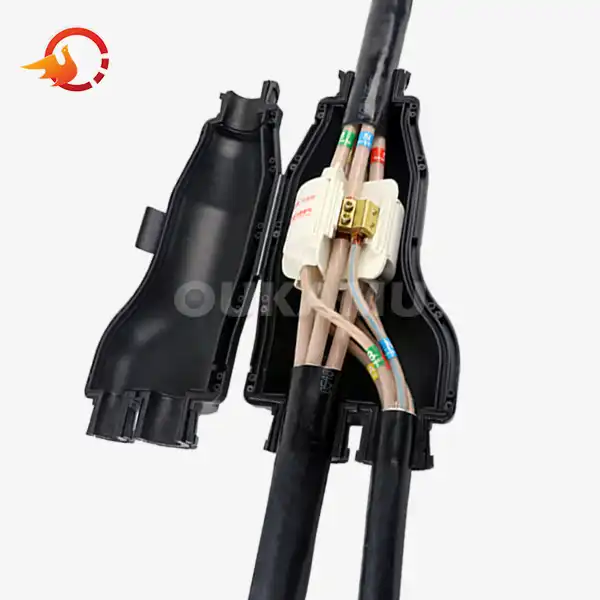
Branch cable junction systems are a special kind of system that lets you place it without cutting the main wires. This method is shown by the Oukamu ZR-JFZ-70/35 model, which can handle main cables from 25 to 70 mm and branch cables from 2.5 to 35 mm without the need for special lengths or breaking of the main cable. This design's adaptability saves two to three meters of main wire per installation point, as well as time and money on work.
Energy Efficiency and Sustainability Considerations
Newer designs for switch boxes include parts that help reach bigger goals for sustainability. Reusable parts mean that they don't have to be replaced as often, which saves money on materials and time on upkeep. Materials that don't catch fire or spread flames keep switch boxes from spreading fires, which protects both people and property.
Compact structures use less material when they're being made and take up less space when they're being installed. In tunnels with limited room, where every centimeter of clearance counts, this economy is especially useful. Products that last longer are better for the environment than ones that need to be replaced often, which helps make infrastructure management more sustainable.
How to Choose the Best Tunnel Waterproof Junction Box for Your Project
To choose the right junction boxes, you need to carefully consider a lot of different factors that affect both their instant usefulness and their long-term performance.
Decision Framework for Procurement Professionals
First, make a list of the normal humidity, temperature, and corrosive chemical contact at the installation sites (environmental conditions). These factors set the minimum IP grade needed and help choose the right materials. Electrical load estimates tell junction boxes what size cables they need to hold and how much current they can handle.
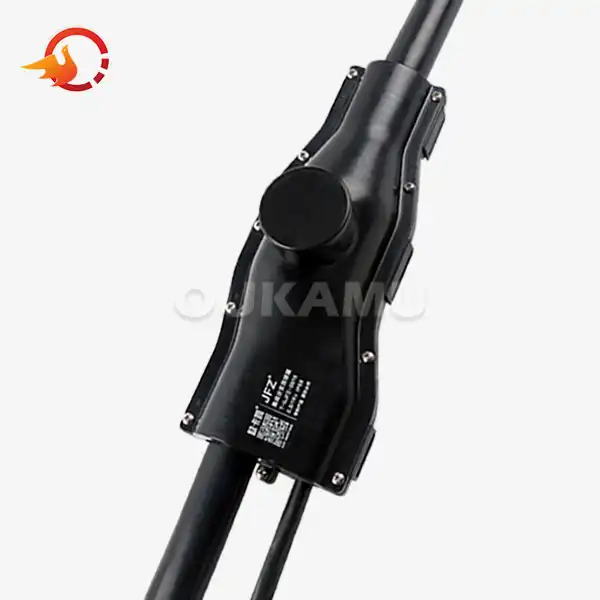
Because of limited room in tunnel openings, equipment sizes are often limited, so small designs are better. The Oukamu ZR-JFZ-70/35 type solves this problem with its small size and compact design, which lets it be installed in tight areas while still providing full protection. Flexible placement location lets changes be made based on the conditions of the spot, rather than needing to be carefully planned ahead of time.
Tunnel Waterproof Junction Box directly addresses these installation challenges, as its branch junction design allows connections without cutting the main cable, which simplifies setup and reduces failure points. Product choosing is also affected by how the product will be installed. Traditional junction boxes that need the main wire to be cut make installs more difficult and add more places where things can go wrong. Branch junction options that join without cutting main cables make installation easier, waste less material, and keep the integrity of the cables throughout the distribution system.
Evaluating Supplier Options
There are many providers on the global market, and their skills and specialties range. Well-known foreign brands usually have a lot of goods and support networks all over the world, but their products usually cost more. In the places they serve, regional providers may be able to offer better prices and faster delivery times while still meeting quality standards by following foreign certifications.
With 20 years of experience in branch cable joint technology, Xi'an Oukamu Electric Co., Ltd. is an expert in making goods that connect cables. Because of this specialist knowledge, goods are made that are perfect for the challenges of tunnel and infrastructure uses. The company puts a lot of effort into research and development, which leads to new products and services that help workers and support teams with real-world installation problems.
When looking at possible sellers, you should think about more than just the price of the product itself. Delivery dependability affects project schedules, and the availability of expert help affects how well installations go and how quickly problems are fixed. The quality of the after-sales service decides how well problems are fixed if they happen during use.
Certification and Compliance Verification
Check to see if the goods you're interested in have the right certifications for where you plan to put them. Products that meet standards like GB/T 14048.7-2016 have been tested and proven to work properly using standard procedures. The documentation should make it clear what IP ratings, voltage ratings, and temperature ranges are valid for the protection qualities.
Instead of depending only on what the manufacturer says, ask for test results and certification papers during the buying process. Reliable providers will gladly give you this paperwork as a matter of course. Most tunnel lights and power transfer situations can be handled by products rated for 0.6/1kV, but some projects may need products with different voltage ratings.
Installation, Maintenance, and Testing: Ensuring Long-Term Electrical Safety
Proper fitting sets the stage for long-lasting reliability, and regular tests and maintenance ensure that the protective effect stays strong.
Installation Best Practices
When installing, make sure you exactly follow the manufacturer's instructions. Deviations from these directions can lower the protective grade and cause safety risks. Cable entry points need extra care. Bottom entry setups work best in places where water runs off of surfaces because they keep water from pooling at connection points. In cases where bottom entry is not possible, side entry can be used instead.
Make drip holes in the cables that are getting close to the junction box. This will let water that runs along the cables drain away before it gets to the entry points. This simple method makes it much less likely that moisture will get in. Make sure that all of the waterproof locks work properly and that the closing surfaces stay clean and unharmed while the unit is being put together.
A number of design choices in the Oukamu ZR-JFZ-70/35 type make fitting easier. The metal hanging plate on the back lets you mount it securely to different surfaces without having to make your own frames. Concerns about compatibility when choosing components are taken away when they work with standard circuit breakers and safety devices. Because branch links can be made anywhere on-site, custom solutions can't match this level of freedom.
Maintenance Recommendations
Set up regular inspection plans that take into account the surroundings and how important the activity is. More frequent checks are needed in tunnels with higher amounts of wetness or corrosive contaminants than in controlled indoor setups. During routine repair trips, check the seal for cracks, deformation, or other damage that could affect its waterproofing.
When putting junction boxes back together after repair, clean the closing surfaces and use the right sealants as directed by the maker. Make sure that all of the locking devices work properly and that the covers fit properly. Make sure that the links to the ground keep the low resistance routes for fault currents by checking them.
Advanced junction boxes like the ZR-JFZ-70/35 can be used more than once because they are designed to be reused. This means that they can be opened and inspected or changed many times without losing their protective qualities. In setups where circuit configurations change often or where fixing needs to be done often, this feature comes in handy.
Testing Procedures
Testing junction boxes on a regular basis makes sure they keep meeting their stated specs. Insulation resistance testing shows that water hasn't gotten inside the box and harmed the electrical separation, which is especially critical for a Tunnel Waterproof Junction Box. The resistance numbers should be much higher than the lowest levels allowed by the voltage grade.
For visual leak testing, the area is carefully looked at during times of high wetness exposure to look for any signs of water getting in. With more thorough testing that uses water spray tools, conditions that enclosures might face during tunnel washing activities are simulated. Testing for ground continuity makes sure that protective grounding devices keep the links working.
Recording test results makes history records that show how things are breaking down before they fail. This proactive method lets planned maintenance happen instead of fixes being done in an emergency, which cuts down on costs and downtime.
Market Insights: Pricing, Bulk Procurement, and Supplier Selection Strategies
When buying teams understand how markets work, they can make choices that are better in terms of both quality and cost.
Pricing Structure Analysis
Junction box prices depend on many things, like the quality of the materials, how hard they are to make, the amount of approval, and how the brand is positioned. Basic plastic containers with normal IP ratings are the cheapest option and are best for uses where environmental problems aren't a big deal. Mid-range goods are made with better materials and have extra features like mounting systems that are built in and better closing mechanisms.
Premium products are more expensive because they use better materials, have longer certifications, and have extra features that help with certain application problems. In this group are branch junction systems like the ZR-JFZ-70/35 type. Their complex designs and ability to be installed in a variety of ways on-site make up for their higher starting costs by lowering the overall cost of the project.
The total cost view looks at more than just the buying price. Products that need to cut the main wire lose two to three meters of expensive cable per connection point, which adds a lot to the cost of the materials. When assembly steps are hard to understand or take a long time, the cost of labor goes up. These secondary costs go down a lot when products make installation easier.
Bulk Procurement Advantages
Through economies of scale, buying in bulk can help you get the best deals on prices. Suppliers often use tiered pricing, which means that the price per unit goes down as the number goes up. When you negotiate framework deals for current projects, you lock in good prices and make sure that supplies will always be available.
When you combine orders from different stages of a project, the administrative costs per order go down, and you may be able to get big prices that you can't get for single purchases. When you build relationships with sellers by placing regular orders, you may get special treatment when supplies are low or when you need to make changes.
Inventory management weighs the savings from buying in bulk against the costs of keeping the goods in stock and the risk of them going out of style. Products that can be used for many different types of projects and have long shelf lives are better for bulk buying than highly specialized items whose future demand is hard to predict.
Supplier Selection Criteria
Reliable delivery performance is one of the most important things a seller should have, since delays can wreck project plans and cost a lot of money. Check a supplier's track record by calling examples from similar projects and looking at how well they can handle logistics for the sites of your project.
Quality of technical help is also very important, especially when systems need to be set up in a complicated way or when problems need to be fixed. Application engineering help from suppliers can help improve system designs during the planning stages, which could lead to cost saves or better performance.
Service promises after the sale affect long-term happiness beyond the initial success of the purchase. Total ownership experience is made up of clear guarantee terms, quick problem-solving steps, and parts that can be used for ongoing upkeep. Oukamu has been specializing in branch cable joints for 20 years. This shows the level of dedication and deep knowledge that sets true experts apart from general component sellers.
Conclusion
When choosing the right Tunnel Waterproof Junction Boxes for tunnel uses, you need to think about how well they work technically, how easy they are to install, and how much they cost overall. Products with IP ratings higher than 65 offer the security needed in harsh underground settings where moisture exposure stays the same. Depending on the needs of the application, the longevity, weight, and cost factors are affected in different ways by the choice of material between plastic, metal, and hybrid designs.
Branch junction systems like the Oukamu ZR-JFZ-70/35 type have a lot of benefits, such as being easy to install on-site and not requiring any main line cutting. They also save a lot of material. International safety standards, such as GB/T 14048.7-2016, make sure that these products meet the high performance standards needed for important infrastructure uses.
The real value of improved junction box designs can be seen when procurement strategies focus on total cost rather than initial buy price. Less work is needed for installation, there is no more wasted cable, and upkeep tasks are made easier. These changes save money over time, which balances out the higher starting costs. When you work with specialized suppliers, you can get professional help and advice that you can't get from broad suppliers.
FAQ
What IP rating do tunnel waterproof junction boxes actually need?
How many IP points do Tunnel Waterproof Junction Boxes really need? Environmental conditions in tunnels usually need at least an IP65 grade, which protects against dust and water jets. Applications that are periodically flooded or washed with high-pressure water may benefit from IP66 or IP67 grades. The exact number is based on the known environmental factors at the installation sites. Products with IP ratings above 65, like the ZR-JFZ-70/35, work well in most tunnel situations.
Can standard junction boxes be retrofitted for waterproof use?
Trying to adapt standard junction boxes is not safe and is against the rules for fitting. Specialized sealing mechanisms, one-piece building methods, and properly designed wire entry systems are built into the design to make it waterproof. Standardized tests that modified goods can't pass are used by manufacturers to confirm IP ratings. For tunnel uses, you should always mention Tunnel Waterproof Junction Boxes with the right rating instead of trying to make changes in the field.
How often should tunnel junction boxes be inspected?
How often you inspect relies on how bad the environment is and how important the task is. Inspections should be done every three months in places with a lot of moisture or where important safety systems are installed. Standard tunnel lighting systems might only need to be checked once a year. Inspection procedures should check the integrity of the seal, clean the sealing surfaces, test the resistance of the insulation, and make sure that the grounding connections are correct. Keeping track of test results lets you look for patterns that can help you figure out when repair is due.
Partner with Oukamu for Superior Tunnel Electrical Protection Solutions
For twenty years, Oukamu has been a specialist in cable branch connection technology for building projects that need solid electrical safety. Our ZR-JFZ-70/35 type is the result of years of work to improve solutions for real-life fitting problems. This Tunnel Waterproof Junction Box provider sells products that get rid of the need to cut main cables, allow for adjustable placement on-site, save two to three meters of expensive cable per connection, and cut down on labor costs by a large amount.
Email our expert team at info@okmbranchcable.com to talk about the needs of your particular tunnel project. We offer cheap quotes for both standard and large orders, full application engineering support, and custom solutions for installation problems that are unique to each job. Our goods meet the requirements of GB/T 14048.7-2016 and have IP ratings higher than 65, which means your electrical systems will be safe for as long as they are in use. Visit okmbranchcable.com to see our full selection of Tunnel Waterproof Junction Boxes and learn how our specialized knowledge makes infrastructure installs safer and more cost-effective.
References
1. Zhang, W. & Liu, H. (2021). Electrical Safety Standards for Underground Infrastructure: Design and Implementation Guidelines. Infrastructure Engineering Press.
2. National Electrical Manufacturers Association (2020). Enclosure Types and IP Ratings: A Comprehensive Guide for Electrical Installations. NEMA Standards Publication.
3. Chen, Y. (2019). Cable Management Systems in Tunnel Engineering: Materials, Methods, and Maintenance. Transportation Infrastructure Journal, Vol. 34, pp. 112-128.
4. International Electrotechnical Commission (2018). Junction Boxes for Harsh Environments: Testing Protocols and Performance Requirements. IEC Technical Report 60529.
5. Morrison, R. & Phillips, K. (2022). Lifecycle Cost Analysis of Electrical Distribution Components in Underground Applications. Journal of Infrastructure Economics, Vol. 18, pp. 45-67.
6. Wang, S. (2020). Waterproofing Technologies in Electrical Enclosures: Comparative Analysis of Design Approaches. Electrical Engineering Review, Vol. 29, pp. 203-219.