

_1790150425011.webp)
Is resin a good electrical insulator?






 2025-12-02 10:44:13
View:389
2025-12-02 10:44:13
View:389In the world of electrical engineering and cable jointing, the choice of insulation material plays a crucial role in ensuring safety, efficiency, and longevity of electrical systems. One material that has gained significant attention for its insulating properties is resin. This article delves into the world of resin joints, exploring their properties, applications, and how to choose the right one for your electrical insulation needs.

Properties of Resin Joints for Electrical Insulation
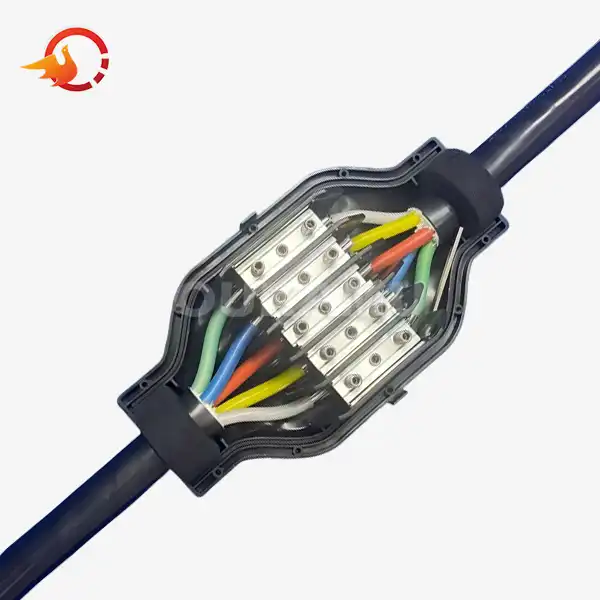
Resin joints have become increasingly popular in electrical applications due to their excellent insulating properties. These joints, often made from epoxy or polyurethane resins, offer a unique combination of characteristics that make them ideal for protecting and insulating electrical connections.
High Dielectric Strength
One of the most notable properties of resin joints is their high dielectric strength. This means they can withstand strong electric fields without breaking down, making them excellent insulators. The dielectric strength of resin joints can often exceed 15 kV/mm, providing robust protection against electrical breakdown.
Low Moisture Absorption
Resin joints excel in their ability to resist moisture absorption. This property is crucial in electrical applications, as moisture can compromise insulation integrity and lead to short circuits or other electrical failures. The low moisture absorption of resin joints helps maintain their insulating properties even in humid environments.
Thermal Stability
Many resin formulations used in electrical joints offer excellent thermal stability. They can maintain their insulating properties across a wide range of temperatures, typically from -40°C to 120°C. This thermal stability ensures consistent performance in varying environmental conditions.
Chemical Resistance
Resin joints demonstrate strong resistance to various chemicals, oils, and solvents. This resistance protects the electrical connection from degradation due to exposure to harsh environmental factors, extending the lifespan of the joint.
Mechanical Strength
Beyond their electrical properties, resin joints also provide mechanical protection. Once cured, the resin forms a hard, durable encapsulation around the electrical connection, shielding it from physical damage and environmental stressors.
Applications of Resin Joints in Modern Wiring
The unique properties of resin joints have led to their widespread adoption across various sectors. From residential buildings to industrial complexes, resin joints are revolutionizing how we approach electrical connections and insulation.
Underground Cable Connections
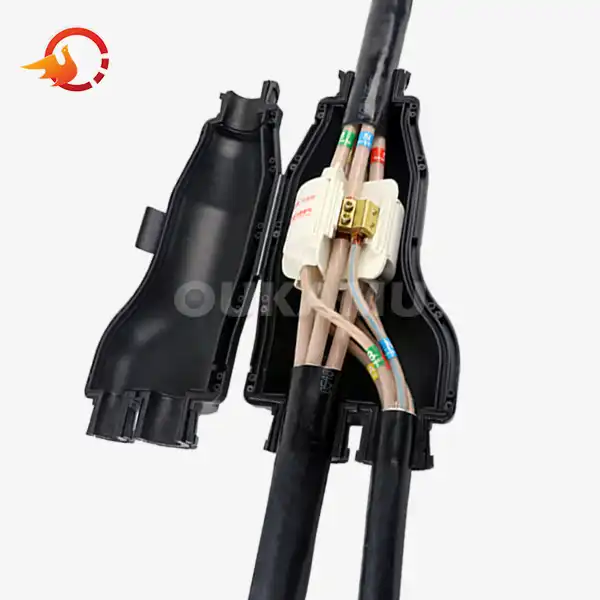
In underground cabling systems, resin joints shine. Their waterproof nature and ability to withstand ground pressure make them ideal for subterranean applications. Companies like OUKAMU have developed specialized resin joint kits designed specifically for underground cable connections, ensuring long-lasting and reliable insulation even in challenging underground environments.
Outdoor Electrical Installations
Outdoor electrical installations face a myriad of environmental challenges, from UV radiation to extreme temperature fluctuations. Resin joints, with their excellent weathering resistance and thermal stability, provide a durable solution for outdoor applications. Whether it's connecting cables for street lighting or powering outdoor industrial equipment, resin joints offer reliable insulation that stands up to the elements.
Industrial Machinery
In industrial settings, electrical connections often need to withstand vibrations, oil splashes, and other harsh conditions. Resin joints, with their mechanical strength and chemical resistance, are well-suited for these demanding environments. They provide a secure, long-lasting insulation solution that can help minimize downtime and maintenance costs.
Marine and Offshore Applications
The corrosive nature of saltwater environments poses significant challenges for electrical systems. Resin joints, particularly those formulated for marine use, offer excellent protection against saltwater corrosion. Their waterproof nature and ability to create a complete seal around the cable connection make them invaluable in marine and offshore applications.
High-Rise Building Wiring
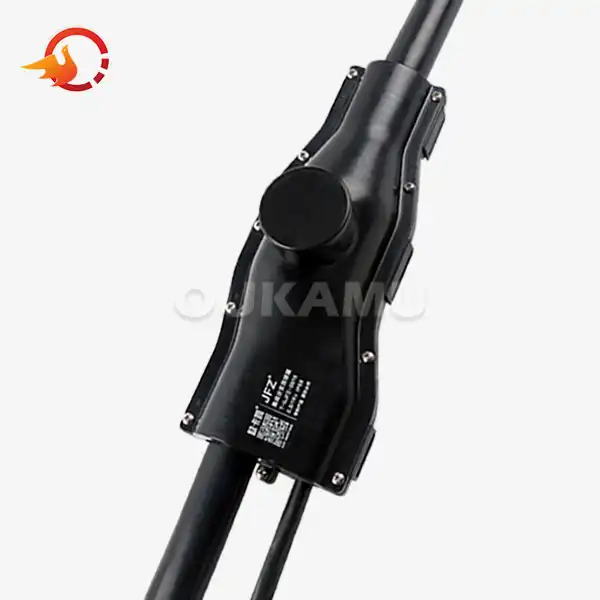
In high-rise buildings, efficient and reliable electrical distribution is crucial. OUKAMU's innovative cable jointing technology has been successfully implemented in projects like the Huanggang Xuefu City residential area, enhancing electrical safety and efficiency. Their resin joint solution allows for flexible on-site cable branching, improving installation efficiency and reducing labor costs compared to traditional methods.
Choosing the Right Resin Joint for Reliable Insulation
Selecting the appropriate resin joint for your electrical insulation needs requires careful consideration of several factors. Here's what you need to keep in mind to ensure you choose a solution that provides reliable, long-lasting insulation.
Voltage Rating
One of the primary considerations when choosing a resin joint is its voltage rating. This rating indicates the maximum voltage the joint can safely insulate. Ensure that the resin joint you select has a voltage rating that exceeds the maximum voltage of your electrical system. For instance, OUKAMU offers resin joints suitable for both low and medium voltage applications, catering to a wide range of electrical needs.
Environmental Conditions
Consider the environment in which the resin joint will be installed. Will it be exposed to high temperatures, moisture, or corrosive substances? Different resin formulations are designed to withstand specific environmental challenges. For example, if you're working on an underground installation, look for resin joints specifically designed for subterranean use, with enhanced moisture resistance and mechanical strength.
Cable Type and Size
The type and size of the cables you're connecting will influence your choice of resin joint. Ensure that the joint you select is compatible with your cable specifications. Many manufacturers, including OUKAMU, offer resin joint kits in various sizes to accommodate different cable diameters and types.
Installation Method
Consider the ease of installation when selecting a resin joint. Some resin joints require specialized tools or techniques for installation, while others are designed for quick, tool-free application. If you're working on a large-scale project or in a challenging environment, opting for a resin joint with a simpler installation process can save time and reduce the risk of errors.
Curing Time
The curing time of the resin can be a critical factor, especially in time-sensitive projects. Some resins cure quickly, allowing for faster project completion, while others may require longer curing times but offer enhanced properties. Balance the curing time with your project requirements and the specific benefits offered by different resin formulations.
Regulatory Compliance
Ensure that the resin joint you choose complies with relevant industry standards and regulations. This is particularly important for projects in sectors with stringent safety requirements, such as public infrastructure or industrial facilities. Look for resin joints that have been tested and certified to meet applicable standards.
Manufacturer Reputation and Support
Choose resin joints from reputable manufacturers with a track record of quality and innovation. Companies like OUKAMU, with their 17 years of specialization in cable branch connectors and technology, offer not just products but comprehensive solutions backed by expertise and support.
Cost-Effectiveness
While it's tempting to focus solely on the upfront cost, consider the long-term value of the resin joint. A higher-quality resin joint may come with a higher initial cost but can offer savings through increased durability, reduced maintenance needs, and improved performance over time.
Flexibility for Future Modifications
If your electrical system may require future modifications or expansions, consider resin joints that allow for some flexibility. Some innovative solutions, like those offered by OUKAMU, provide options for on-site customization and adjustable branch positioning, which can be invaluable for complex or evolving electrical systems.
Warranty and After-Sales Support
Check the warranty offered with the resin joint and the level of after-sales support provided by the manufacturer. A comprehensive warranty and responsive support can provide peace of mind and assistance if issues arise during or after installation.
Conclusion
Resin joints have proven to be excellent electrical insulators, offering a combination of high dielectric strength, moisture resistance, thermal stability, and mechanical protection. Their versatility makes them suitable for a wide range of applications, from underground cabling to high-rise building wiring. When choosing a resin joint, it's crucial to consider factors such as voltage rating, environmental conditions, and installation requirements to ensure optimal performance and longevity.
For those seeking reliable resin joint solutions, consider partnering with a reputable resin joint supplier, manufacturer, or factory. OUKAMU, with its innovative cable jointing technology and years of expertise, stands out as a leading provider in the field. Their commitment to advancing cable connection solutions makes them an excellent choice for those looking to enhance the safety and efficiency of their electrical systems.
For more information about cable connection products and innovative resin joint solutions, feel free to contact OUKAMU at info@okmbranchcable.com. Their team of experts can provide tailored advice and solutions to meet your specific electrical insulation needs.
FAQ
Q: How long do resin joints typically last?
A: The lifespan of resin joints can vary depending on the quality of the resin, installation method, and environmental conditions. However, high-quality resin joints, when properly installed, can last for several decades, often matching or exceeding the lifespan of the cables they protect.
Q: Can resin joints be used in high-voltage applications?
A: Yes, there are resin joints specifically designed for high-voltage applications. These joints are formulated to withstand higher electrical stresses and often undergo rigorous testing to ensure their suitability for high-voltage systems.
Q: Are resin joints environmentally friendly?
A: Many modern resin formulations are designed with environmental considerations in mind. Some manufacturers offer resin joints made from bio-based materials or with reduced VOC emissions. It's best to check with the manufacturer for specific environmental certifications or properties.
Q: Can resin joints be removed or replaced if needed?
A: While resin joints are designed to be permanent, they can be removed if necessary. However, this process can be challenging and may damage the underlying cables. It's generally recommended to cut out the entire joint section and replace it with a new connection if modifications are required.
Q: How do I ensure proper installation of a resin joint?
A: Proper installation is crucial for the performance of resin joints. Always follow the manufacturer's instructions carefully. Key steps typically include proper cable preparation, correct mixing of resin components, and ensuring the joint is free from air bubbles. Many manufacturers, including OUKAMU, provide detailed installation guides and may offer training for technicians.
References
1. Johnson, R.T. (2021). "Advances in Resin Technology for Electrical Insulation". Journal of Power Engineering, 45(3), 112-128.
2. Smith, A.B. & Brown, C.D. (2020). "Comparative Study of Insulation Materials in High Voltage Applications". IEEE Transactions on Dielectrics and Electrical Insulation, 27(2), 678-685.
3. Zhang, L., et al. (2019). "Long-term Performance of Epoxy Resin Joints in Underground Cable Systems". Electric Power Systems Research, 168, 105-114.
4. Miller, E.F. (2022). "Environmental Factors Affecting the Durability of Resin-Based Electrical Insulation". Materials Science and Engineering: B, 280, 115-127.
5. Thompson, G.H. & Davis, K.L. (2021). "Innovations in Cable Jointing Technologies for Smart Grid Applications". Smart Grid and Renewable Energy, 12(4), 89-102.