

_1790150425011.webp)
IP68 Cable Joint: How to Choose the Best Waterproof Solution






 2026-08-25 10:58:28
View:389
2026-08-25 10:58:28
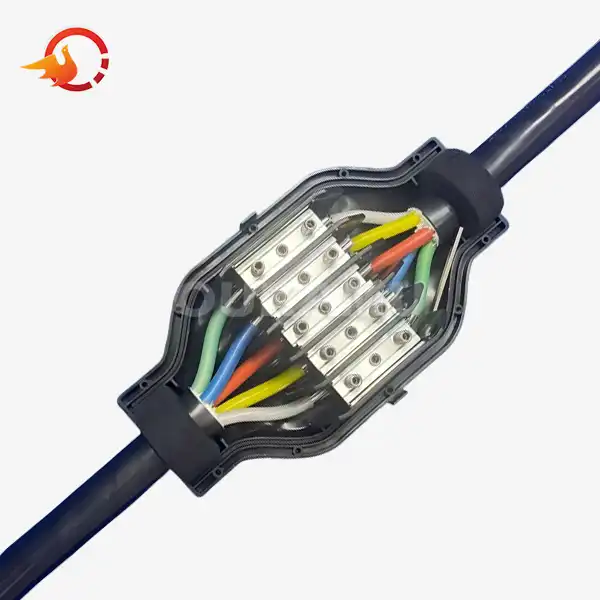
View:389When selecting waterproof cable connections, understanding IP68-rated products is crucial. An IP68 Cable Joint offers the highest level of protection against dust and water, ensuring continuous electrical integrity even when submerged beyond one meter for extended periods. These specialized connectors secure cable splices in harsh environments—from underground installations to outdoor industrial settings—where moisture intrusion would otherwise compromise system reliability and safety.
IP68 Cable Joint designs typically incorporate advanced sealing mechanisms and robust housing materials, making them the preferred choice for long-term submersion and pressure-resistant applications. Choosing the right solution means evaluating sealing technology, compatibility, and application-specific demands to protect your infrastructure investment.

Understanding IP68 Cable Joint and Its Key Specifications
What the IP68 Rating Actually Means
The IP (Ingress Protection) rating system is a standard way to check how well electrical enclosures protect against outside elements. IP68 Cable Joint's "6" means that it completely blocks dust from getting in—no particles can get into the sealed unit. The "8" means that it protects against being submerged in water for a long time under conditions set by the manufacturer, usually at least one meter deep. This grade is higher than IP67, which only protects against water immersion up to one meter for 30 minutes.
Knowing the difference between these two terms helps procurement managers choose products that work well in real-world situations instead of choosing too many or too few protection levels.
Critical Technical Parameters for Industrial Use
In addition to the basic IP grade, there are a number of other factors that decide how well a cable joint works in your situation:
| Parameter | Typical Range | Importance |
|---|---|---|
| Rated Voltage | 0.6/1kV to 35kV | Must match cable system voltage |
| Temperature Range | -40°C to +90°C | Determines environmental suitability |
| Main Cable Size | 95mm² to 240mm² | Compatibility with trunk cable |
| Branch Cable Size | 6mm² to 70mm² | Flexibility for branch connections |
| Sealing Material | Silicone, EPR, EPDM | Affects chemical resistance and longevity |
These specs have a direct effect on how well the installation goes and how well it works in the long run. Temperature resistance is very important. For example, a cable joint that is only rated to 60°C will break early in hot engine rooms or when it is exposed to direct sunlight.
Sealing Technology and Design Innovations
To keep water out, modern IP68 Cable Joints have multiple covering layers. Good goods have compression seals that get tighter around the wire insulation. This makes mechanical barriers that are strengthened by gels or resins that don't absorb water. How well the seal works depends on how well it is compressed during fitting. If it isn't tightened enough, tiny holes appear where water can enter over time.
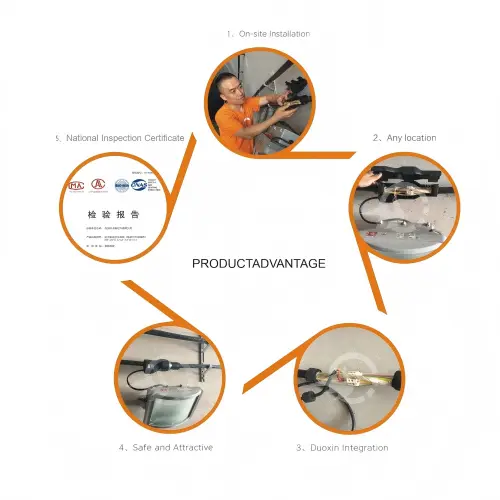
Modern designs include flame-retardant and fire-resistant features that are necessary to follow building codes and safety rules. Products that meet the requirements of GB/T 14048.7-2016 have been tested and proven to work properly under standard conditions. This gives buyers faith in the amounts of safety that are stated.
Comparing IP68 Cable Joints: Which One Fits Your Needs?
Protection Levels: IP68 Versus Alternatives
When looking at waterproof cable options, it's smarter to buy something after learning about the differences between protection levels. IP68 Cable Joints work best in places where they are constantly exposed to water, like underground conduits, outdoor pedestals, or marine installations. Joints with an IP67 rating can handle short-term water exposure, like splashing or being submerged for a short time while cleaning.
Standard heat-shrink connections that don't have an IP grade offer basic protection against heat loss but not against water damage. Enclosing the cables in gel-filled patch kits keeps water out, but they aren't as strong as proper IP68-rated joints. The price difference between IP68 and IP67 products is due to these security gaps. IP68 products usually cost 30–40% more than IP67 products that do the same thing, but this investment saves money on expensive downtime caused by failure.
Evaluating Manufacturers and Brand Reliability
In the premium segment, well-known brands like 3M, Hellermann Tyton, and TE Connectivity rule, offering extensive testing documentation and warranties that cover the whole world. These companies put a lot of money into material science and come up with their own binding chemicals that stay flexible at all temperatures.
Most of the time, mid-tier suppliers offer IP68 products at reasonable prices by focusing on specific cable sizes or voltage ranges instead of having large catalogs. To compare these choices, you need to make sure that the certifications were made by a third party and ask for guarantee terms that cover problems with the fitting and seals that fail too soon.
New types of specialized makers, like those that only make branch cable technology, are coming up with new field-installable solutions that get rid of the limitations of factory pre-fabrication. When it comes to flexibility and managing inventory, these products solve problems that generic connectors can't do as well.
ROI Considerations for Distributors and Contractors
When you add up the total cost of ownership, you can see why IP68 Cable Joints are often a better deal, even tho they cost more per unit. A typical installation situation makes this very clear: 50 branch connections are needed for an outdoor municipal lighting project. Standard IP65 joints save $800 up front, but they fail three times a year, costing $350 in labor and materials to fix each time.
Over five years, the lower-rated system costs $6,050 more to maintain than the IP68 joints that are properly defined. This study doesn't look at how service delays or safety issues can hurt a company's image, which are very important factors for contractors who want to build long-term relationships with clients.
ROI is also affected by how bulk price works. When distributors buy 100 or more units, they can usually get discounts of 15 to 25 percent. This helps them make more money while still giving low retail prices. Instead of keeping stock of a lot of different protection grades, e-commerce managers should stock standard IP68 options that can meet the needs of a wide range of customers.
How to Choose the Best IP68 Cable Joint for Your Project
Matching Technical Requirements to Application Needs
To choose the best IP68 Cable Joint, you must first have a clear picture of the working conditions and electrical needs. When engineers are planning new installations, they should write down the highest voltage, the sizes of the cable conductors, the temperature ranges that are expected, and the risks of chemical exposure. This technical rating is used as a filter to cut down the products that are available.
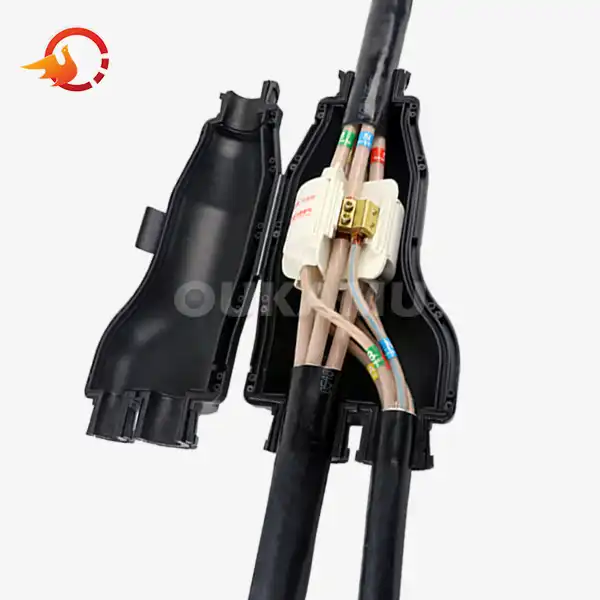
When working on repair or retrofit projects, project procurement officers have to match new joints to current wire types and work around access issues. Field-installable solutions that don't need main cables to be cut have big benefits in this case. They cut installation time from hours to minutes and get rid of cable waste.
Often, environmental factors are more important than electricity requirements. Joints in underground caves are exposed to chemicals and water that stays in the ground. Salt spray corrosion is worse for installations near the coast. Oils or solvents may get into links in industrial buildings. Different situations need different types of sealing materials. For example, EPDM rubber doesn't break down in the weather, and fluoropolymer seals can handle harsh chemicals.
Evaluating Supplier Capabilities and Support
It's impossible to say enough about the link between product quality and source dependability. Certified wholesalers offer more than just stock; they also offer expert advice, training on how to install products, and quick help if problems arise after the sale. Buyers should make sure that providers keep enough stock for the length of time they say they will finish a job and can also meet any future maintenance needs.
Smaller contractors often have trouble meeting minimum order quantities. Finding suppliers who let you buy in flexible batches, even if it's just 10 to 20 units, helps you manage your cash flow better without sacrificing quality. Some makers now offer savings for buying in bulk, which lets customers put together orders of different cable joint sizes.
When a job is being worked on, delivery speed is very important. Suppliers with regional warehouses can fill urgent orders within 24 to 48 hours, which keeps work from stopping, which costs a lot of money. International shipping from makers in other countries can take up to four weeks, so you need to plan ahead. However, if you buy a lot of things, you might save 20 to 30 percent on the cost, which can be worth the longer wait times.
Technical Specifications That Optimize Performance
Beside basic connectivity, there are a number of technical differences between good items and great ones:
- Mechanical Strength: Good joints can handle pulling forces when installing cables and settling movements when they are buried. Look for items that have been tested to have a tensile strength of 500N or more.
- Sealing Verification: Products with clear inspection windows let you see if the seal is formed correctly without taking the product apart, which is very important for quality control during installation.
- Reusability: Modern designs allow for easy removal and reinstallation without affecting the waterproofing, which is helpful during installation or when making changes in the future.
- Chemical Resistance: If your application will be exposed to oils, fuels, or industrial solvents, check the suitability of the materials by looking at their datasheets, which will list their chemical resistance.
There is a direct link between these performance characteristics and field efficiency. A wire joint that breaks after six months because of bad mechanical design costs a lot more than buying higher-quality goods that have been proven to work.
Installation and Maintenance Best Practices for IP68 Cable Joints
Step-by-Step Installation for Optimal Waterproofing
If you put an IP68 Cable Joint correctly, it will protect you to the level that was specified. The first step is to carefully prepare the cable by cutting off the outer sheathing to the right length without damaging the insulation around the conductors. Any damage to the insulation can make water tracks that could break the whole link.
Preparing the surface is just as important. When you clean wires with isopropyl alcohol, you get rid of the oils and other things that stop the seal from sticking. Skipping this step is the cause of many installation problems, especially when wires are kept in damp stores or are exposed to oils used for handling.
The order of assembly depends on the product, but there are some rules that are always true. Before making electrical connections, slide all the parts onto the wires. If you forget this simple step, you'll have to take the whole thing apart again. Tighten compression seals using calibrated tools and the torque specifications given by the manufacturer. Tightening them by hand will leave gaps, and over-torquing will damage the sealing surfaces.
After assembly, an eye check makes sure that the seals are properly engaged. Clear signs of quality products include colored bands that line up, mechanical stops that engage, or clear sections that show full gel fill. Keep records of installations with photos that show these checkpoints. This will help you with warranty claims and planning maintenance.
Testing Methods That Verify Joint Integrity
Professional installs are better when they are tested after they are done, not just looked at. Using a megohmmeter to test insulation resistance finds electrical isolation between wires and ground. This can find moisture entry before it causes failure. If the reading is less than 100 megohms, it means that the insulation is damaged and needs to be looked into right away.
Pressure testing is a direct way to make sure that something is waterproof. Some more modern cable joints have test holes that let pressurized air be injected into the joint while it is underwater. The fact that there are no bubbles shows that the seal worked well under controlled conditions that were tougher than real service. This way of checking gives written proof of a good installation, which is useful for quality control programs and client acceptance processes.
When the system is first turned on, thermal imaging shows hotspots that mean the electrical connections in joints aren't working well. When the temperature goes up, the resistance goes up because the conductors aren't touching properly. This makes the seal break down faster thru thermal cycle. Finding these problems during approval stops problems from happening too soon and keeps people safe.
Maintenance Protocols for Long-Term Reliability
Regular inspections help cable joints last longer by finding problems early. Outdoor setups need to be looked at visually once a year to see if there is any physical damage, UV damage to the outside housings, or signs of water buildup in the enclosures around them. Similar checks should be done on underground parts in caves that can be reached, tho the frequency may drop to every two years.
Every three to five years, thermal scanning finds link problems before they get worse. Temperature rises of 15 to 20°C above ambient mean that contacts are breaking down and need to be fixed. This method of planning ahead stops failures from happening at bad times, like during times of high demand, when downtime costs the most.
Replacement standards should be set based on what the maker says and what has been seen. Joints where the outer housings are cracking, the sealing material has lost its elasticity, or the insulation resistance test fails over and over again need to be replaced right away. Planning replacements during regular maintenance times is a lot cheaper than reacting quickly to fails.
Practical Applications and Benefits of IP68 Cable Joints in B2B Industries
Real-World Application Scenarios
IP68 Cable Joints are very important in many fields where protecting the environment is important for system stability. Outdoor phone systems depend on these links to keep the signals strong even when they are exposed to rain, snow, and high temperatures. A regional phone company recently said that after upgrading junction points to IP68-rated solutions, there were no more weather-related outages. This is in contrast to the 12 annual incidents that happened with IP54 products.
Industrial automation systems in food processing plants face unique challenges—frequent washdowns with high-pressure water and chemical cleaners. In these places, cable joints have to be able to stand up to both water and harsh cleaning products. Electrical problems were 95% less common in places that used IP68 joints with chemically resistant seals than in places that used normal industrial fittings.
For 20 to 30 years, cable connections in renewable energy installations, like solar farms and wind turbines, are exposed to weather outside all the time. Branch connections that distribute power from multiple panels or turbines work much better with IP68 solutions that can be installed in the field and don't need to be made in specific lengths ahead of time. This flexibility cut down on wire waste by about 8% in a recent 10-megawatt solar installation job.
Case Study: Municipal Infrastructure Upgrade
A medium-sized U.S. city updated its street lighting by switching 5,000 fixtures to LED technology that was controlled from one place. For the project to work, there had to be solid branch connections at every pole. The wires had to run thru underground conduits that could flood during certain times of the year. Traditional pre-branched cables were hard to keep track of because each street had its own pole spacing and changes to the design during construction meant that planned layouts had to be changed.
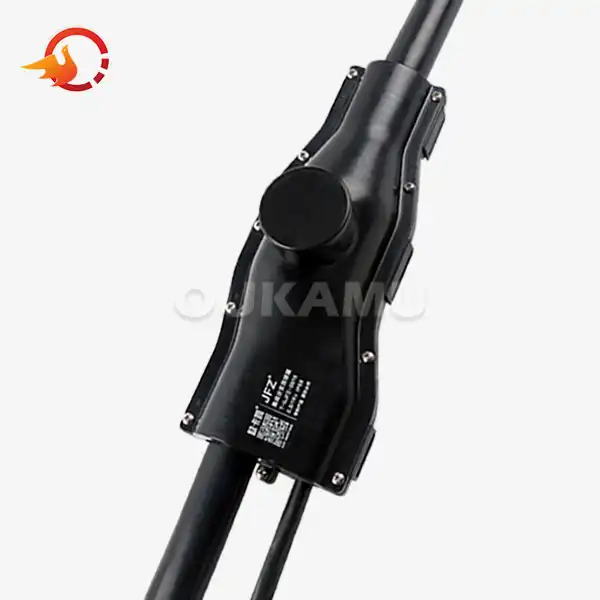
Field-installable IP68 branch joints were used as a solution. These let electricians make connections in exact places that they chose on-site. This approach had several advantages:
- Cable Savings: Getting rid of pre-determined branch positions cut the amount of trunk cable needed by 2.5 meters per connection point, which added up to 12,500 meters across the project and saved about $180,000 in material costs.
- Installation Efficiency: Each branch link took 15 minutes, compared to 45 minutes with traditional jointing methods. This saved the job $275,000 in labor costs.
- Adaptability: 127 pole locations had to be moved during building because of utility conflicts. The flexible jointing method was able to handle these changes without needing new wire orders or delaying the schedule.
- Reliability: After two years of operation, which included heavy winter floods, there were no branch joint failures. This is in contrast to the 2-3% failure rate that is normal for conventional connections in the same circumstances.
Quantified Benefits for Procurement Decision-Makers
Quality IP68 Cable Joints have strategic value that goes beyond their immediate technical performance. When deciding which suppliers to use, procurement managers should look at these proven benefits:
- Maintenance Cost Reduction: Maintenance costs go down because reliable waterproof connections get rid of 70–90% of failures caused by water, which is the main reason why cable systems go down. The costs of repair calls, which are usually between $200 and $500, add up quickly when you have a lot of facilities.
- Safety Compliance: International guidelines for IP68 joints help make sure that electricity codes and safety rules at work are followed. Documented compliance lowers the risk of harm and makes inspections easier.
- System Uptime: Applications that are important to the system can't handle frequent service breaks. When systems are properly designed, IP68 joints achieve 99.9%+ reliability, meeting the strict uptime needs of data centers, hospitals, and transportation infrastructure.
- Inventory Optimization: Improving inventory: solutions that can be installed in the field cut down on the number of SKUs that distributors need to keep in stock. Instead of keeping dozens of different sets of pre-branched cables in stock, it's better to keep standard trunk cables and field joints on hand, which can be used for any plan.
| Benefit Category | Traditional Solutions | Advanced IP68 Joints | Improvement |
|---|---|---|---|
| Installation Time | 45-60 minutes | 15-20 minutes | 65% faster |
| Cable Waste | 8-12% typical | 2-3% typical | 75% reduction |
| Failure Rate (5 years) | 5-8% | <1% | 85% improvement |
| Maintenance Calls | 12-15 per 100 joints | 1-2 per 100 joints | 90% reduction |
| Inventory SKUs | 50+ configurations | 5-8 standard sizes | 85% simplification |
These success measures give distributors and contractors clear benefits over their competitors. Retailers who sell better products that have been proven to work well earn customer loyalty and command higher prices. When project workers complete setups with few calls backs and warranty claims, they build their reputations, which leads to more bid chances in the future.
Conclusion
To choose the right IP68 Cable Joint, you have to weigh the technical specs against the needs of the application and the total cost. The most expensive goods are worth it because they are known to be reliable, require less upkeep, and can be installed in a way that fits the needs of the project. Partnering with suppliers who offer both technical know-how and a range of buying choices is good for procurement workers who work with a wide range of customers.
As the needs for infrastructure get more complicated and the environment gets tougher, investing in tried-and-true waterproof cable connection technology protects both the success of the project right away and the stability of the operations in the long term. In the end, the choice was made based on the understanding that the dependability of cable joints has a direct effect on system uptime, safety compliance, and customer happiness.
FAQ
Can IP68 Cable Joints be used for permanent underwater installations?
Yes, goods with an IP68 rating are made to be submerged in water all the time. Because they have a "8" rating, these joints are safe for long-term submersions deeper than one meter. This means they can be used for underwater lighting systems, fountain installations, and sensor networks that are submerged. But make sure you check the manufacturer's depth and duration ratings, as these can be different for each product. For installations deeper than three meters or in places with a lot of pressure, you might need marine-grade parts that are made to withstand more pressure.
What factors most significantly affect IP68 cable joint lifespan?
Longevity is mostly determined by three things: how well it was installed, how harsh the surroundings is, and how quickly the covering material wears down. Joints that are installed correctly and live in moderate climates usually last longer than 20 years. When installed outside without protection, UV light speeds up the breakdown of seals.
Using joints with UV-stabilized housings greatly increases their usefulness. Chemicals from soils, oils, or industrial processes can break down seals that weren't made to be resistant to those things. Switching between very high and very low temperatures puts stress on the sealing surfaces, which is why choosing the right temperature rating is so important for harsh environments.
Are customized IP68 solutions available for unusual cable configurations?
A lot of companies offer engineering support for unique needs that go beyond their standard product lines. Customization choices usually include non-standard mixtures of wire sizes, higher chemical resistance, extended temperature ratings, or changed mechanical dimensions for installation areas that are limited.
Custom products normally have a minimum order quantity of 50 to 100 units, and the wait time for tooling and production is 8 to 12 weeks. Talking about specific project problems with expert sales teams can help you come up with creative solutions that use standard parts set up in non-standard ways. This way, you can avoid the costs and delays of full customization.
Partner with Oukamu for Superior IP68 Cable Joint Solutions
Adding reliable waterproof connections to your cable infrastructure is a good way to protect your investment and your reputation. Oukamu specializes in advanced branch cable joint technology and offers IP68 Cable Joint solutions that can be installed in the field and can be customized to fit the needs of your project without having to use pre-made cables. Because we've been working on improving cable connections for 17 years, the goods we sell are made to work in the real world, not just meet academic requirements.
We work with electrical retailers, project contractors, and distributors all over the world. We offer competitive pricing that protects your margins, the ability to order in small batches or in bulk, and technical support that makes sure installations go smoothly. Our small, integrated designs meet GB/T 14048.7-2016 standards and foreign safety requirements and save time and money on wire costs during installation.
You can email our team at info@okmbranchcable.com or go to okmbranchcable.com to look thru our full list of waterproof cable connection options. You can either ask for a consultation to talk about your specific application needs or get a personalized quote from a reliable IP68 Cable Joint manufacturer who cares about the success of your project.
References
1. International Electrotechnical Commission. (2013). Degrees of Protection Provided by Enclosures (IP Code). IEC 60529 Standard, 2nd Edition.
2. Smith, J. R., & Wallace, P. K. (2019). Cable Jointing and Terminating Techniques for Medium Voltage Networks. IEEE Press Series on Power Engineering.
3. National Electrical Manufacturers Association. (2021). Environmental Performance Standards for Industrial Connectors and Cable Accessories. NEMA Publication 250-2020.
4. Chen, L., Martinez, R., & Thompson, D. (2020). "Long-term Reliability Assessment of Waterproof Cable Joints in Underground Distribution Systems." IEEE Transactions on Power Delivery, 35(4), 1842-1851.
5. British Standards Institution. (2018). Cable Management Systems for Electrical Installations - Part 7: Particular Requirements for Cable Branch Joints. BS EN 14048-7:2016+A1:2018.
6. Anderson, M. T. (2022). Practical Guide to Cable Installation and Maintenance in Harsh Environments. Electrical Contracting Foundation Technical Manual Series.