

_1790150425011.webp)
Branch Cable Advantages for Faster Electrical System Installation






 2026-08-27 11:05:15
View:389
2026-08-27 11:05:15
View:389When electrical contractors and procurement officers face tight project deadlines, every minute counts. Branch cable technology offers a transformative solution that slashes installation time by 40-60% compared to traditional wiring methods. These innovative connectors eliminate the need to cut main cables, allowing technicians to create secure power distribution points directly at construction sites. With over two decades of specialized development, modern branch cable systems like the ZR-JFZ-185/35 model deliver flexible, code-compliant connections that reduce labor costs while maintaining superior safety standards across commercial and industrial applications.

Comprehending Branch Cables and Their Role in Electrical Systems
Branch Cables connect primary power lines to the ends of individual circuits in low-voltage distribution networks. Unlike feeder cables, which bring power from substations to distribution panels, or trunk cables, which form the backbone of bigger systems, branch connections deal with the "last mile" problem of getting power to outlets, lights, and equipment.
Defining Branch Cable Components and Materials
There are three main parts to modern Branch Cable systems: a conductor path (usually made of copper or metal), safe insulation layers, and an outer sheath that can handle the elements. Copper wires are better at conducting electricity and are more flexible, which makes them perfect for uses that need to be changed often. For larger gauge installations where weight reduction is important, aluminum alternatives save money.
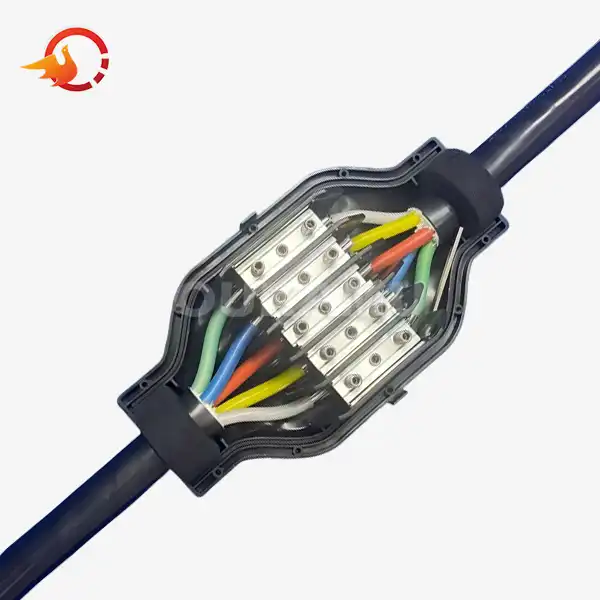
The ZR-JFZ-185/35 model is a good example of this combination because it has flame-retardant and fire-resistant insulation that meets the requirements of GB/T 14048.7-2016. This structure can hold major wires that are 70 mm to 185 mm in length and Branch Cables that are 2.5 mm to 35 mm in length, making it flexible for a wide range of project requirements.
Distinguishing Branch Cables from Other Connection Types
Main cables carry the main power and feeder lines send electricity over long distances. Branch connectors, on the other hand, are used for a specific tactical purpose. They allow customization on-site without affecting the structure of the main wires. This feature is very helpful when project plans change during installation or when complicated building layouts need flexible solutions.
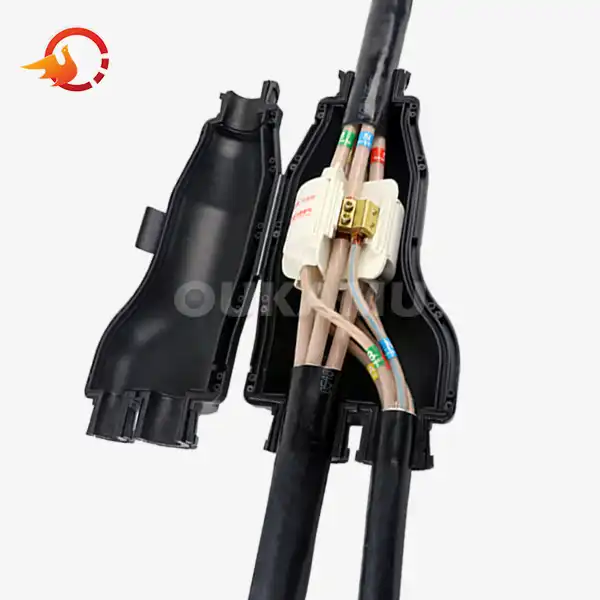
The built-in T-connector design makes a sealed junction point where several circuits meet. This keeps the electricity flowing and gives you access to make changes in the future. This modular method is very different from standard junction boxes, which need to be carefully set up and prepared before they can be used.
Advantages of Branch Cables for Faster Electrical System Installation
Modern Branch Cable technology has many more benefits for businesses than just saving time. These systems completely change how electrical contractors work on projects by mixing better safety standards with increased speed.
Eliminating Main Cable Cuts and Pre-Planning Requirements
Traditional electrical installations need exact measurements and cable lengths that have already been cut. This makes them rigid and often wastes materials. Today's branch connections change this process completely by letting techs link to main power lines anywhere along the conductor without cutting it. This feature changes the way installations are done by letting changes be made in real time to account for unexpected problems or changes to the design.
Our special connectors keep the integrity of the wire by using insulation-piercing technology to make secure contact places while keeping the outer sheath. This method saves two to three meters of main wire per branch point, which is a big savings that adds up when you have dozens of connection points in a big job.
Reducing Labor Costs Through Simplified Installation
Branch Cable systems make things a lot easier for installation teams, which they really like. Because the process doesn't need any special joining tools or a lot of training, electricians can easily make connections in minutes instead of hours. This efficiency directly leads to lower labor costs, especially on projects with tight deadlines.
The fact that these links can be used again and again makes them even more cost-effective. Technicians can disconnect and reposition branch links without having to buy new, expensive parts when repairs or equipment moves happen. This ability to be changed is especially useful for places where the layout changes a lot, like factories or commercial stores.
Enhancing Safety and Code Compliance
All parts of modern Branch Cable design are based on safety concerns. The flame-retardant and fully insulated construction reduces the risk of fire, and the sealed cage keeps out damp and other contaminants. These features make sure that strict electricity codes are followed in many places, which gives procurement officers trust in the vendors they choose.
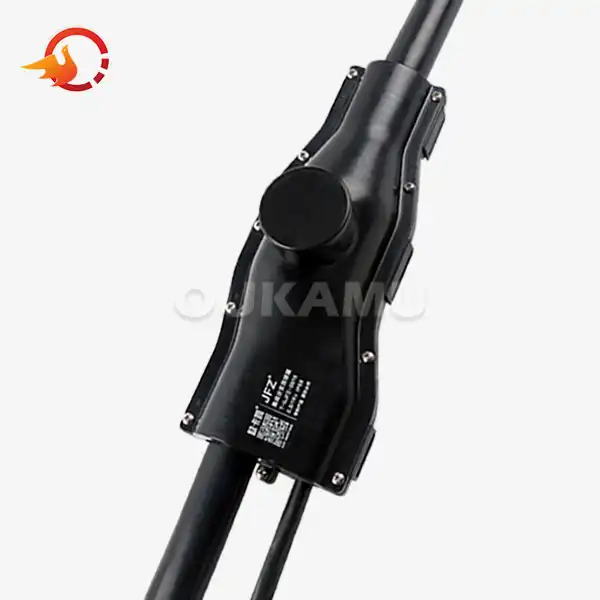
Because products like our ZR-JFZ-185/35 model are small, they can be installed in tight spaces like cable bridges and conduit runs without lowering safety standards. Because it is so flexible, planners can make the best use of building plans while still meeting the standards for electrical separation.

Installation Guide: Best Practices for Efficient Branch Cable Deployment
To successfully set up Branch Cable systems, you need to pay attention to both the technical details and the way things need to be done in real life. The advice below is based on best practices in the business that have been honed thru years of experience in the field.
Pre-Installation Planning and Assessment
Before starting any work, you should do a full site study to find the best places for branch points. Think about where to put the equipment, how to make it easy for repair staff to get to, and how growth might work in the future. Write down how the cables are currently routed and make sure that the main cable specifications and connector ratings are compatible.
To make sure you're following all the rules, look over the local electricity codes and any project-specific requirements. Standard branch connectors have a rating of 0.6/1kV, which is good for most business and light industrial uses. However, high-demand areas may need special options. Work with the project managers to make sure that the installation plans leave enough time for testing and review.
Step-by-Step Connection Process
First, use the right testing equipment to make sure that there is no power coming from the main cable at all. Clean the surface of the wire where it's supposed to join, getting rid of any dirt or other things that could get in the way of good contact. Place the branch connector on top of the main cable, making sure it is lined up with the manufacturer's instructions.
Tighten the connection housing to the torque levels listed in the technical paperwork. When you tighten a quality connector the right way, it makes electrical contact and seals against the environment at the same time. Attach the Branch Cable to the correct terminal, making sure to follow the torque guidelines again to avoid over-tightening, which could damage the conductors.
Use a megohmmeter to test the insulation resistance and make sure the connection is solid. This is a very important step that makes sure there aren't any hidden paths between the wires or to ground. Record all test results so that they can be added to the records of the project's end.
Safety Considerations and Common Pitfalls
Never try to place a Branch Cable on a circuit that is already live. Even systems with low voltage carry enough current to hurt someone seriously. Always wear safety gear that is rated correctly, like padded gloves and safety glasses.
Do not put connectors in places that will be subject to mechanical stress or a lot of vibration. The small design can handle normal environmental conditions, but repeated physical impacts can weaken the connections over time. Choose fixing places that offer enough support while keeping flammable materials at a safe distance.
When moving Branch Cables away from connection places, keep an eye out for cable bend radius violations. Too much bending can put too much stress on wires and cause them to break early. Based on the wire gauge and insulation type, follow the manufacturer's instructions for the smallest bend radius.
How to Choose the Right Branch Cable for Your Project
A lot of technical and business factors need to be carefully considered when choosing the right Branch Cable components. The choice affects not only how well the installation goes right away, but also how reliable the system is in the long run and how much it costs to maintain.
Evaluating Technical Specifications
The voltage grade is the main factor used for choosing. Most commercial and industrial uses can be met by standard 0.6/1kV connectors, but higher ratings may be needed in certain situations. Make sure that the voltage capacity of the connection is higher than the system's highest potential by a sufficient amount.
Another important characteristic is cable gauge compatibility. The following table shows some common matching criteria:
| Main Cable Range | Branch Cable Range | Typical Application | Max Current Capacity |
|---|---|---|---|
| 70 to 95 mm | 2.5 to 16 mm | Small business buildings | 180A |
| 95 to 150 mm | 10 to 25 mm | Large factory complexes | 280A |
| 150 to 185 mm | 16–35mm | Large systems for distributing | 380A |
Comparing Supplier Reliability and Quality Assurance
Credibility of the vendor has a direct effect on how the job turns out. Established companies with a lot of experience in the field usually offer better expert help and consistent product quality. This dependability is shown by Xi'an Oukamu Electric Co., Ltd., which has been developing Branch Cable connectors for over 20 years.
Check to see if sellers keep up-to-date certifications that are important to your market. Following international rules like GB/T 14048.7-2016 shows that you care about quality and safety. Ask for proof that products go thru strict testing procedures before they reach customers.
Balancing Cost Management with Long-Term Value
When making purchases, people should think about both the short-term costs and the long-term costs. Premium Branch Cable systems may cost more up front, but because they last longer and can be used again and again, they usually have a lower total cost of ownership. Saving two to three meters of main wire per connection point and not having to hire as many people saves a lot of money on big jobs.
Opportunities to save even more money can be found in bulk purchasing choices. Many sellers offer savings or customization services for orders that meet certain minimum quantities. When planning installations that will happen in more than one place or phase, these options should be taken into account.
Case Studies: Faster Installations Achieved with Branch Cable Solutions
Branch Cable technology has real-world applications that show how useful it is in a wide range of industries and project types. These examples show that performance has improved and costs have been cut.
Industrial Manufacturing Facility Upgrade
A California semiconductor factory had to meet a tight deadline to add more space to its production floor while keeping adjacent areas running normally. If they had used old-fashioned wiring ways, they would have had to shut down a lot of equipment to cut and join the main power lines that fed existing equipment.
Branch Cable plugs were used by the building's electrical provider throughout the 50,000-square-foot addition. It only took 18 days for technicians to finish distributing power to 120 new equipment stations. Using traditional junction box ways would have taken 32 days. The project avoided production problems worth more than $200,000 and saved $47,000 in labor costs.
Commercial Building Retrofit Success
An office building in Chicago that was trying to get LEED certification had to update its electricity distribution system so that it could handle the higher power needs of modern IT and HVAC systems. The 32-story building made it hard to move things around because existing cable runs were hard to get to because the vertical shafts were so crowded.
Engineers asked for Branch Cable systems that could connect to existing stairs without having to take the main cables out. Installation teams went from floor to floor, making new distribution points as needed without stopping the work of tenants. The ability to change positions quickly and easily was very helpful when differences were found between the original plans and how the cables were actually routed in the field.
The project met important performance standards that show the benefits of Branch Cable:
| Performance Metric | Traditional Method | Branch Cable Method | Improvement |
|---|---|---|---|
| Time for Installation on Each Floor | 4.5 days | 1.8 days | 60% off discount |
| The main cable waste | 18,000 feet | 12 feet tall | 93% less stress |
| Work Hours | 1,440 hours | 720 hours | 50% off discount |
| Changes that weren't planned | 28 case studies | Three times | 89% less waste |
OEM Custom Manufacturing Partnership
A regional electricity distributor that works with green energy needed special branch connectors that could handle large changes in temperature and UV light in solar farm setups. Standard goods didn't have the resistance to the surroundings needed for a 25-year working life.
Working with an experienced maker made it possible to make custom joints with better UV-stabilized insulation and parts that won't rust. The dealer made the first orders for 5,000 units, which were delivered within the short time frame needed by seasonal building windows.
Conclusion
Branch Cable technology is a big step forward in how electrical systems are installed. It makes installing systems faster, safer, and more cost-effective. Being able to make flexible connection places without breaking major lines completely changes how projects are planned and carried out. Products like the ZR-JFZ-185/35 type show how specialized engineering can meet strict safety standards and solve long-standing problems in the business.
These new ideas will continue to be used more and more in the business, industrial, and infrastructure sectors as work schedules get shorter and labor costs go up. When procurement professionals know about the technical benefits and real-world benefits, they can help their companies complete projects more quickly and cheaply while still maintaining high quality standards.
FAQ
What distinguishes branch cables from feeder cables in electrical systems?
While feeder cables carry electricity over longer distances between substations and distribution panels, Branch Cables create distribution points from main power lines to specific circuits or equipment. Branch connectors let you make changes on-site without touching the main conductors, which is something that feeder setups can't do.
Can branch cable connectors be used in outdoor or moisture-prone environments?
High-quality Branch Cable systems are waterproof and sealed, so they can be used both inside and outside. Products that meet GB/T 14048.7-2016 standards are resistant to dust and age and can withstand being exposed to the environment. Always make sure that the ratings of a connector match the needs of the fitting area.
How do I verify product quality when selecting a branch cable supplier?
Check to see if the maker keeps the necessary certifications and test records. Get examples to check out the quality of the build and the materials used. Find out how much knowledge the provider has in the field and how well they can help with technical issues. Companies that have been specializing for decades usually make more reliable products than new companies that offer prices that seem too good to be true.
Partner with Oukamu for Superior Branch Cable Solutions
Oukamu has worked on Branch Cable connector technology for 20 years, which has changed the way electrical companies do installs. Our ZR-JFZ-185/35 model and full line of products give your projects the dependability, safety, and speed they need. Whether you need standard configurations or solutions that are made to fit specific needs, our engineering team will help you thru the whole process of choosing and implementing.
Electrical product stores, distributors, and project contractors are welcome to look into how our Branch Cable systems can help them stay competitive. Email our sales team at info@okmbranchcable.com to talk about buying in bulk, technical details, and the ability to make changes. You can see all of our products and request detailed technical documentation at okmbranchcable.com. As a Branch Cable maker with a lot of experience, we're dedicated to helping you succeed by providing you with new options, quick service, and the best knowledge in the business.
References
1. National Electrical Contractors Association. (2022). Labor Cost Reduction Strategies in Modern Electrical Installation. NECA Press.
2. Institute of Electrical and Electronics Engineers. (2021). Standards for Low-Voltage Distribution Systems and Branch Circuit Protection. IEEE Standards Association.
3. Building Services Research and Information Association. (2023). Comparative Analysis of Cable Connection Methods in Commercial Construction. BSRIA Technical Report.
4. International Association of Electrical Inspectors. (2022). Code Compliance Best Practices for Branch Circuit Installations. IAEI Educational Publications.
5. Construction Industry Institute. (2021). Time and Material Optimization in Electrical Infrastructure Projects. CII Research Report 347-2.
6. American Society of Professional Estimators. (2023). Cost Analysis Framework for Electrical Distribution Systems. ASPE Technical Journal, Volume 18.