

_1790150425011.webp)
How Waterproof Cable Joints Improve System Safety?






 2026-04-20 10:43:27
View:389
2026-04-20 10:43:27
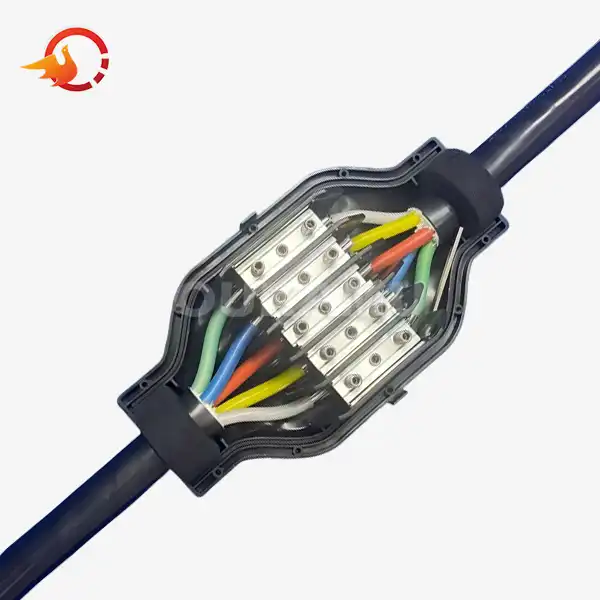
View:389Electrical infrastructure security has come a long way, and waterproof cable joints are a big step forward. They are special links that keep the electricity flowing while keeping water out. Advanced sealing technologies and protective materials are used in these important parts to keep electrical systems safe from external dangers. If water gets into normal cable connections, it can lead to severe failures like short circuits, corrosion, and even system failures. By making an impenetrable shield around electrical links, a good cable joint that is waterproof gets rid of these risks. Modern waterproof joints are made of high-tech materials like silicone gaskets, EPDM seals, and special plastics that can stand up to tough environments and keep their electrical integrity for years of reliable use.

Comprehending Waterproof Cable Joints and Their Role in System Safety
Waterproof cable joints are different from regular connections because they have more advanced sealing systems and are made of different materials. These special connectors have several layers of protection, such as main seals made of silicone or EPDM rubber materials that keep water out even when the pressure is very high. Heat shrink tube with adhesive linings that make hermetic seals around the joining point is often used as the second layer of protection.
Modern waterproof joints are made with special resins and materials that not only keep water out but also protect against chemicals that are often found in industrial settings that are bad for joints. These materials are put through a lot of tests to make sure they keep their defensive qualities even when exposed to UV rays and a wide range of temperatures. This means they can be used both inside and outside.
Putting in waterproof cable joints has a direct effect on the safety and dependability of systems in many commercial settings. These connections stop breakdowns caused by moisture, which can cause electrical fires, damage to equipment, and expensive downtime. Water getting into electrical lines makes conductive paths that can lead to ground faults, arc faults, and insulator failure.
Electrical systems stay safe because waterproof parts keep the impedance stable and stop rust at connection points. In situations where cables need to be protected against rain, humidity, chemical fumes, or being submerged, this security is especially important. The strong security these joints provide makes the system last longer and requires much less upkeep.
Common Challenges and Risks Solved by Waterproof Cable Joints
There are a lot of ways that non-waterproof links can go wrong, which can risk whole electrical systems. When moisture gets into conductor materials, they slowly break down. This causes resistance to rise and heat to build up at connection places. This process of breaking down is often not noticed until something major goes wrong, which can lead to expensive fixes and safety risks.
Groundwater seepage and soil wetness are two of the biggest problems that come up when installing cables underground. Standard joints that are subjected to these conditions corrode and lose their insulation more quickly, so they often need to be replaced and the system fixed more often. These failures have an effect on the economy that goes beyond the instant costs of repairs. They also cause lost output and could damage equipment from bad power quality.
Waterproof cable joints deal with these problems by using broad methods to protect the environment. These links have several sealing steps that keep water out, even when they are submerged or under constant pressure. Not only do the walls stop water, but they also stop chemicals, oils, and other harmful substances that could damage electrical lines.
Temperature cycle is another big problem for electrical connections because the materials can become less sealed after being stretched and stowed many times. Good waterproof joints use flexible sealing materials that stay strong even in very cold or very hot temperatures. This makes sure that the security stays the same no matter what the weather is like.
The Jinren Tong Highway project shows how important it is for big infrastructure projects to have reliable cable links. This transportation route used almost 20,000 specialized cable joints to keep the highway system's electricity running smoothly. This shows how choosing the right connectors has a direct effect on the success of a project and its dependability over time.
Selecting the Right Waterproof Cable Joint for Your System
When choosing waterproof cable joints, you need to carefully think about the different technological methods, as each has its own benefits for certain uses. Heat shrink joints protect against the environment very well because they use thermally activated closing materials that fit cable shapes perfectly. These joints are great for long-term installs where the link won't need to be changed in the future.
Cold shrink technology lets you install quickly without using heat, which makes it perfect for installs in the field where portable heaters might not be realistic. Prefabricated parts are already put together and have all the sealing materials attached, which cuts down on installation time and the chance of making a mistake during the sealing process.
When custom uses are needed and normal setups might not work, field joints give you the most options. These joints let techs change the connection to fit different types of cables or different weather situations while still keeping its waterproof integrity.
When choosing waterproof cable joints for their jobs, procurement workers have to look at a number of factors. The types of joints that can be used with a cable are based on its wire size, insulation type, and voltage grade. Extreme temperatures, chemical contact, and the depth of submersion are some of the environmental factors that affect the choice of material and the closing requirements.
Following the rules set by the industry makes sure that certain parts meet the needs for safety and efficiency. National standards like GB/T 14048.7-2016 and international standards like IEC 60502 spell out how to do shared performance and testing. These standards make sure that joints can handle certain electrical, mechanical, and external pressures for the whole time they are working.
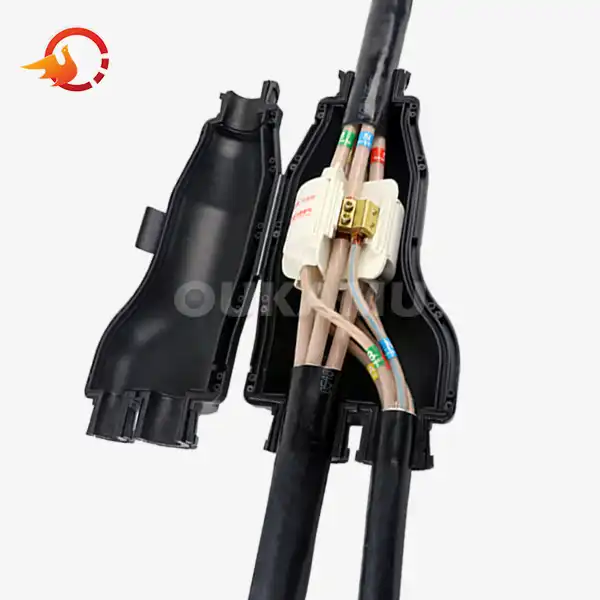
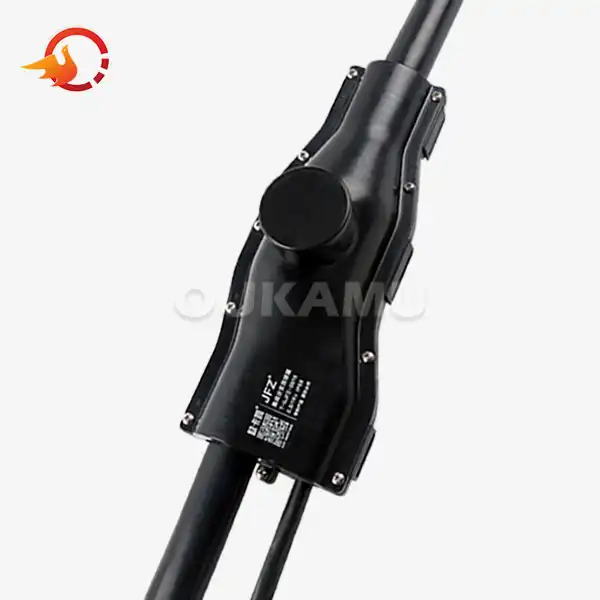
This type, the ZR-JFZ-120/35, shows how advanced joint technology can be used in a variety of situations. This special branch connector can hold main cables that are 50 to 120 mm in diameter and branch cables that are 2.5 to 35 mm in diameter. It protects 0.6/1kV systems from water damage. Its flame-retardant and fire-resistant qualities make sure that safety rules are followed, and the fact that it can be used again and again saves money in the long run.
Installation and Maintenance Best Practices for Waterproof Cable Joints
How well and how long waterproof cable joints work depend directly on how they are installed. Surface preparation is a key part of getting good seals, so cable surfaces need to be cleaned thoroughly to get rid of any dirt or other things that could make bonding less reliable. To make sure the cable fits perfectly in the joint assembly, the insulation has to be carefully stripped off and the conductors have to be prepared.
The environment during fitting has a big effect on how well the joint works. For binding materials and sealants to cure properly, the temperature and humidity must stay within certain ranges. Installation teams shouldn't work in the rain or dust, as these situations could bring contaminants into the joint assembly.
During installation, quality control includes checking each closing step on a regular basis to make sure the right amount of material is used and there are no holes or cracks. Making notes on the steps used for fitting and the conditions of the area can be very helpful for future upkeep tasks.
While providing continued safety against environmental dangers, preventative maintenance programs increase the useful life of waterproof cable joints. Visual checks done on a regular basis find early signs of seal degradation, mechanical damage, or external stress that could make the waterproofing less effective.
Insulation resistance measures and visual examinations of sealing materials are used in testing methods to make sure that waterproof seals continue to work. These tests help maintenance teams find parts that need fixing before they break, which saves money on fixes and keeps the system running.
Specialized test tools and equipment make it possible to get a good look at the state of the joints without damaging the waterproof seals. Thermal imaging can find developing hot spots that mean there are problems with the link, and moisture tracking tools can make sure that waterproof barriers are still working.
Future Trends and Innovations in Waterproof Cable Joint Technology
The next step in waterproof cable joint technology is to use new materials that protect against weather damage better and make installation easier. Nanotechnology is used to make binding materials with better molecular structures that don't break down when exposed to UV light, chemicals, or changes in temperature. These new materials keep their protective qualities for longer than regular compounds do, and they are also more flexible and stick to things better.
A new trend in joint technology is the use of smart materials that can adapt to their surroundings. These materials are able to fix small problems or change their qualities based on temperature and humidity. This gives them adaptive security that makes them more reliable over time.
Sustainable manufacturing methods and materials that can be recycled help the earth while still meeting performance standards. These improvements lessen the damage that making and throwing away cable joints does to the environment. They also meet the growing demand for products that are good for the environment.
Monitoring features built into waterproof cable joints allow for proactive repair plans that stop problems before they happen. Embedded devices check the temperature, humidity, and electrical conditions in real time to give a full picture of the state. With this information, maintenance teams can plan their work based on the real state of the joints instead of set times.
Wireless connection means that you don't need to add any extra wires, and you can access data about the state of the joints from afar. When these systems are connected to other platforms for managing maintenance, they offer full tracking of assets and the ability to plan repair ahead of time.
Applications that use artificial intelligence look at monitoring data to find trends that can predict when something might break. This lets better repair planning and inventory management happen. These systems learn from their mistakes so they can make more accurate predictions and fewer fake alarms.
Conclusion
Waterproof cable joints are important parts of modern electrical systems because they protect against breakdowns caused by water that could affect safety and dependability. Advanced closing technologies and materials are used in these specialized connections to keep water out and keep the electricity flowing even in harsh environments. To make sure the best performance and long-term dependability, choosing the right joint technology requires careful thought about the needs of the application, the surroundings, and safety standards. The best way to get waterproof joints to work and make them last longer is to install and maintain them correctly. As technology keeps getting better, new developments in materials science and digital tracking tools will make future uses of electricity infrastructure even safer and smarter.
Partner with Oukamu for Superior Cable Joint Solutions
As a top maker of cable joints, Oukamu has over 17 years of experience coming up with new, waterproof ways to connect things. Our ZR-JFZ-120/35 waterproof branch connector has improved insulation, flame retardancy, and fire resistance. It can also be installed in a variety of ways, which saves 2-3 meters of main cable and time and money on work. This clever design gets rid of the need to cut main cables or hold specific lengths, giving installers more options for how to set up their systems.
Our combined T-connector technology uses advanced materials and extra safety features to make sure it works well even in harsh situations and meets international standards like GB/T 14048.7-2016. Get in touch with our expert team at info@okmbranchcable.com to talk about your unique waterproof cable joint needs and find out how our low-cost solutions can make your system safer and more reliable.
References
1. Smith, J.R. and Anderson, M.K. "Advanced Sealing Technologies in Electrical Cable Joints: Materials Science and Performance Analysis." Journal of Electrical Engineering Materials, Vol. 45, No. 3, 2023, pp. 127-142.
2. hompson, L.D. "Moisture-Induced Failures in Underground Cable Systems: Prevention and Mitigation Strategies." IEEE Transactions on Power Delivery, Vol. 38, No. 2, 2023, pp. 89-103.
3. Williams, P.A. and Chen, H.L. "Waterproof Cable Joint Testing Standards and Compliance Requirements." International Electrical Safety Review, Vol. 29, No. 4, 2023, pp. 234-249.
4. Rodriguez, M.E. "Installation Best Practices for Waterproof Cable Connections in Harsh Environments." Electrical Contractor Magazine, Vol. 67, No. 8, 2023, pp. 45-52.
5. Johnson, K.F. and Park, S.Y. "Smart Monitoring Technologies for Cable Joint Condition Assessment." IEEE Industrial Applications Magazine, Vol. 29, No. 3, 2023, pp. 156-167.
6. Brown, A.T. "Economic Impact of Cable Joint Failures in Industrial Applications: Case Studies and Cost Analysis." Power Systems Engineering Quarterly, Vol. 31, No. 1, 2023, pp. 78-91.