

_1790150425011.webp)
Benefits of Resin Cable Joint Kits for Underground Cable






 2026-04-20 10:32:55
View:389
2026-04-20 10:32:55
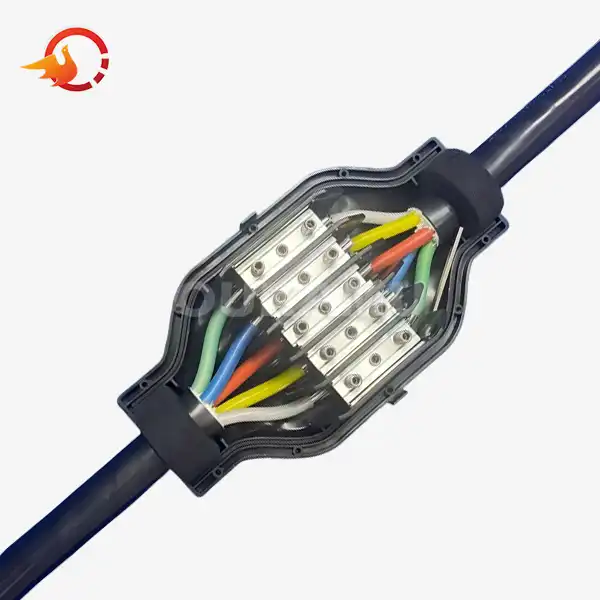
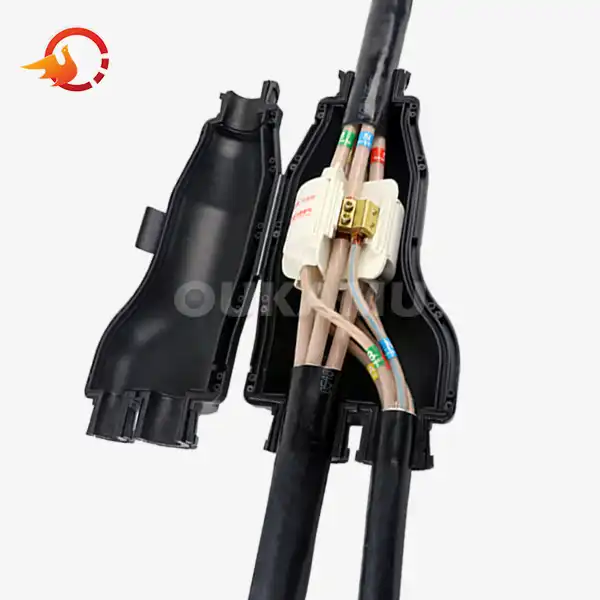
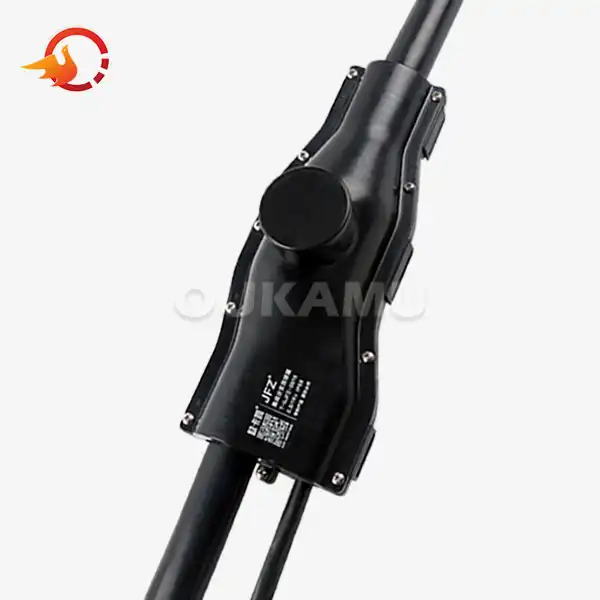
View:389When installing cables underground, electricity workers and infrastructure managers care most about how reliable the cables are and how long they last. Resin Cable Joint Kit options have become the best way to protect cable links in harsh underground conditions. Because they protect against wetness, are strong, and don't conduct electricity, these special parts are essential for keeping the power grid safe. Resin-based systems have chemical curing qualities that make them immune to water, dirt contamination, and environmental pressures that can damage underground electrical networks.

Understanding Resin Cable Joint Kits and Their Roles in Underground Cable Systems
Today's electrical infrastructure needs safety systems that are strong enough to last for decades when they are buried. As a sophisticated engineering answer made just for these tough situations, resin cable joint kits are what you need.
Core Components and Design Features
Resin-based jointing systems are made up of several important parts that work together to make a full shield of security. The main part is made up of carefully mixed resins that harden chemically to create a solid, waterproof shell around the cable connections. These materials are paired with insulating tubes, sealing seals, and mechanical support systems that keep the environment completely separate.
A managed chemical process changes the resin from a liquid to a hard shell that protects and holds things together. By changing it in this way, it makes an impenetrable shield that keeps moisture out and keeps its great electrical insulation qualities. Traditional ways of joining use either mechanical force or heat. Resin systems, on the other hand, cure at room temperature through chemical processes.
Voltage Applications and Cable Compatibility
Different voltage levels are usually used for underground cable networks. In distribution networks, 11kV and 33kV systems are the most popular. These power needs can be met by resin cable joint kits that have safety limits that go above and beyond industry standards. Because hardened resin is an insulator, it has great insulating strength and doesn't let electricity break down even in harsh environments.
These systems work amazingly well with many kinds of cables, such as XLPE (Cross-Linked Polyethylene) and PILC (Paper Insulated Lead Covered) cables. Because of this, procurement managers can standardize their jointing solutions across various cable setups. This makes it easier to keep track of supplies and train technicians.
Key Benefits of Resin Cable Joint Kits for Underground Applications
Resin-based jointing systems have many benefits that go beyond just protecting the environment. These benefits have a direct effect on how efficiently they work and how much they cost in the long run.
Superior Environmental Protection
There are many problems that can happen underground that can weaken cables over time. Infiltration of moisture is still one of the biggest threats to electrical systems, since water can damage insulation, rust conductors, and eventually cause the system to fail. This problem can be solved by resin cable joint kits, which are very good at closing.
When epoxy glue is fully hardened, it forms a shield that stop liquids and humid air from getting through. This safety isn't just against water; it's also against chemical pollution from soil additives, industrial pollutants, and naturally occurring substances that are corrosive. Resin joins create a sealed environment that keeps cable performance even in tough situations like when groundwater levels are high or when the soil is chemically active.
Enhanced Mechanical Durability
Installations of underground cables have to be able to handle a lot of mechanical stress from ground movement, dirt pressure, and thermal growth. Resin systems are very strong mechanically, and they protect cable joints from these forces. When the glue dries, it makes a tough shell that spreads mechanical loads evenly across the joint. This keeps stress from building up in one place, which could damage the electrical connections.
This kind of mechanical safety is especially helpful in places where cables are regularly shaken by nearby machinery, traffic, or earthquakes. The solid plastic covering works as a shock absorber, keeping the electrical connections safe from outside disturbances that could otherwise cause them to break down slowly or all of a sudden.
Operational Efficiency and Cost Benefits
The ease of installation of plastic cable joint kits makes projects much more efficient and helps keep costs down. These systems get rid of the need for specialized heating equipment or hard-to-understand mechanical building steps. This cuts down on the time and tools needed for installation. Technicians can do joint setups using standard tools and methods, which means they don't need as much training and are less likely to make mistakes.
The chemical curing method makes sure that the results are the same no matter what the fitting conditions are. In contrast to heat-shrink systems, which need exact temperature control, resin joints cure effectively in a range of weather conditions. This gives project schedulers more freedom and cuts down on delays caused by weather.
Comparison: Resin Cable Joint Kits vs Other Jointing Solutions
Knowing the pros and cons of each jointing technology helps buying professionals make smart choices based on the needs of the project and the limitations of their operations.
Heat Shrink Joint Systems
When installing traditional heat shrink joint systems, it's important to keep the temperature under tight control, which can be hard to do underground. To make closing pressure, these systems depend on thermal expansion and contraction, but changes in temperature or bad fitting methods can mess up this system.
Because they cure chemically, resin systems don't have to worry about these temperature issues. Instead of temperature effects, chemical cross-linking makes the change from liquid to solid happen. This makes joint formation more predictable and reliable. This chemical process makes molecular bonds stronger so that they stay strong at a wide range of temperatures.
Cold Shrink Alternatives
Cold shrink joints are convenient because they have rubber bands that are already stretched out and then contract when the support materials are taken away. Although these devices don't need to be heated, they rely on mechanical compression to close well. This tension may lessen over time as the material relaxes or the temperature changes.
Resin-based methods offer long-lasting defense that doesn't depend on constant mechanical pressure. By chemically connecting, a molecular-level seal is made that stays strong for the whole life of the joint. Because it lasts longer, it needs less upkeep and is more reliable in the long run.
Voltage and Application Flexibility
Resin cable joint kits are very flexible and can be used with a wide range of voltages and cable types. Because of this, electrical workers can standardize their buying and teaching while still getting the best results in a wide range of situations. The electrical properties of hardened resin don't change when the temperature does or when the resin ages. This means that the system will always work the same way for as long as it is used.
Selecting the Right Resin Cable Joint Kit for Your Procurement Needs
To buy resin jointing systems effectively, you need to carefully consider the technical specs, the supplier's skills, and the need for long-term support. When making a purchase choice, smart people weigh the current cost with the long-term value and operational dependability.
Technical Specification Analysis
One important performance factor is curing time, which has an impact on project timing and installation issues. Different types of resin cure at different speeds. For example, fast-setting resins are good for quick fixes, while standard resins give you more time to work on more complicated setups. Specifications for environmental resistance should match the temperature ranges, chemical exposure, and amounts of mechanical stress that will be present at installation places.
Verification of compatibility makes sure that interaction with current cable systems goes smoothly. This includes compatibility with different types of insulation (copper or aluminum for the conductors), compatibility with different types of cables for the insulation, and compatibility with cable sizes ranging from small branch lines to large distribution feeds.
Supplier Evaluation and Support Services
Reliable providers offer a wide range of expert support services in addition to just delivering products. This includes training programs for installing things, expert documents, and helpful customer service for fixing problems during installation. A lot of providers offer customization services to meet the needs of specific applications or non-standard cable layouts.
Volume buying agreements can save a lot of money for big projects or businesses that have installation programs that run all the time. In these kinds of deals, customers often get better prices, faster shipping times, and better technical help. Building ties with several qualified providers protects the supply chain and keeps prices low over time.
Best Practices for Installation, Maintenance, and Safety with Resin Cable Joint Kits
Following tried-and-true installation and care methods is the only way to get the most out of Resin Cable Joint Kit in terms of performance and life. These actions make sure that both people and the system are safe.
Installation Methodology
A good resin joint installation starts with properly preparing the cable, which includes cleaning the conductors and cutting the insulation. Contamination from dirt, water, or leftovers from cable preparation can make it hard for glue to stick and weaken the joint. Surfaces that are clean and dry help the glue and cable materials stick together best chemically.
Temperature and humidity levels during installation affect how the joint cures and how good it is in the end. Resin systems can handle more weather conditions than heat-shrink options, but in the worst cases, processes may need to be changed or environmental controls may need to be put in place. When you mix multi-component resin systems the right way, they have the best chemical reaction and dynamic qualities.
Ongoing Maintenance and Inspection
Regular review programs help find problems early on, before they become system failures. Visual inspection of joints that can be reached can show signs of mechanical damage, stress from the surroundings, or mistakes in the fitting process. Testing the electricity with the right monitoring tools lets you know early on if the insulation is breaking down or water is getting in.
Strategies for preventive maintenance focus on keeping joint setups safe from outside sources of damage. This includes making sure there is good drainage around underground vaults, keeping joints safe from mechanical impact during dig work, and making sure there is enough cable support to keep joint areas from being stressed mechanically.
Safety Considerations and Personnel Protection
To avoid skin touch and breathing in resin, people who work with it need to wear the right safety gear. It's especially important to have good airflow in small underground areas where vapor buildup could be harmful to your health. Immediate safety issues should be emphasized in training programs, as well as the right way to handle joints to ensure their quality.
In case of an emergency, plans should be made for things like glue spills, skin contact, and broken tools during installation. Having the right cleaning tools and first aid kits on hand makes installation accidents less of a problem and helps keep projects on schedule.
Conclusion
The Resin Cable Joint Kit technology is a stable and effective way to protect underground cable links from mechanical and environmental stresses. These systems are clearly better than other jointing methods because they are better at closing, have higher mechanical strength, and can be installed in a variety of ways. Resin-based solutions are an important part of current cable installation and repair programs because they work well and don't cost a lot of money. This is because electrical infrastructure keeps getting bigger and older.
FAQ
Q1: What makes resin cable joints waterproof?
A: Once the epoxy glue is fully hard, it forms a barrier that keeps water out through chemical cross-linking. When the resin comes together with molecules, it blocks water from getting in. This is better safety than mechanical closing methods. But if wetness gets into the liquid phase, it can stop the sealing process and make the waterproofing less effective.
Q2: How do resin joints compare to heat shrink alternatives?
A: Chemical curing of resin joints doesn't need heat sources, so there are no problems with fitting or safety issues related to temperature. In underground settings, this method gives more consistent results and is stronger and more resistant to the climate. The chemical sealing process also makes sure that the joints form evenly, no matter what the temperature is outside.
Q3: What causes cable joint failures in underground installations?
A: Common reasons for failure include bad installation methods, a contaminated environment, materials that don't work well together, and not having the right tools or training. The main natural risks are water seepage, mechanical stress from shifting soil, and chemical corrosion. Failure risk is greatly reduced by following the manufacturer's instructions and using good materials.
Partner with Oukamu for Advanced Cable Connection Solutions
Xi'an Oukamu Electric Co., Ltd. has been a leader in branch cable connection technology for more than 20 years. They offer new solutions that meet the changing needs of today's electrical infrastructure. Our gel-filled Resin Cable Joint Kit systems offer waterproof security up to IP68 for main cables 25–70 mm in diameter and branch cables 2.5–16 mm in diameter. This ensures reliable performance in even the toughest underground situations.
Our wide range of products includes cables that are flame-retardant, fire-resistant, and mineral-insulated, and they can work at temperatures up to 90°C. Because of its special design, the main cables don't have to be cut or reserved at certain lengths. This gives installers more freedom than ever before, which lowers project costs and complexity. If you need a reliable company to make plastic cable joint kits for big projects or custom solutions for unique uses, Oukamu has a track record of success and a lot of experience in the field. Get in touch with our expert team at info@okmbranchcable.com to talk about your needs and find out how our cutting-edge cable link technologies can help your next infrastructure project.
References
1. IEEE Guide for Field Testing of Shielded Power Cable Systems Using Very Low Frequency (VLF), IEEE Standard 400.2-2013, Institute of Electrical and Electronics Engineers.
2. Anderson, R.M. and Thompson, K.L. "Performance Analysis of Underground Cable Joint Systems in High-Moisture Environments," Electrical Power Systems Research, vol. 156, pp. 234-241, 2018.
3. International Electrotechnical Commission, "Power Cables with Extruded Insulation and Their Accessories for Rated Voltages from 1 kV up to 150 kV," IEC 60502-2:2014 Standard.
4. Miller, J.D. et al. "Comparative Study of Cable Jointing Technologies for Underground Distribution Systems," IEEE Transactions on Power Delivery, vol. 33, no. 4, pp. 1876-1884, 2019.
5. British Standards Institution, "Electric Cables - Calculation of the Current Rating - Part 2-1: Thermal Resistance - Calculation of Thermal Resistance," BS IEC 60287-2-1:2015.
6. Wilson, P.A. and Davis, M.R. "Long-term Performance Evaluation of Resin-Filled Cable Joints in Marine and Underground Applications," Journal of Electrical Engineering Technology, vol. 14, no. 3, pp. 1123-1132, 2020.