

Guidelines for selecting the right tunnel integrated branch connector for cable branching?






 2026-06-17 15:08:10
View:389
2026-06-17 15:08:10
View:389Picking the right cable branching method can affect the safety, timeline, and cost of your project. A Tunnel Integrated Branch Connector makes installations easier on-site by letting you move branches around easily and protecting them from damage with a durable, flame-resistant cover. These devices are small and designed for low-voltage uses in tunnels, subways, and other underground infrastructure. They combine insulation, sealing, and mechanical clamping into one unit. To make sure your project runs smoothly for as long as it lasts, you should think about the total cost of ownership, cable compatibility, environmental conditions, and regulatory compliance when choosing a connector.

Understanding Tunnel Integrated Branch Connectors: Essential Knowledge
In the last twenty years, solutions for branching cables have changed a lot. These days, connectors have built-in designs that make them strong, safe for the environment, and easy to install. Our 20 years of experience specializing in branch cable technology at Oukamu shows how new ideas can change the way construction work is done.
What Makes Integrated Branch Connectors Different?
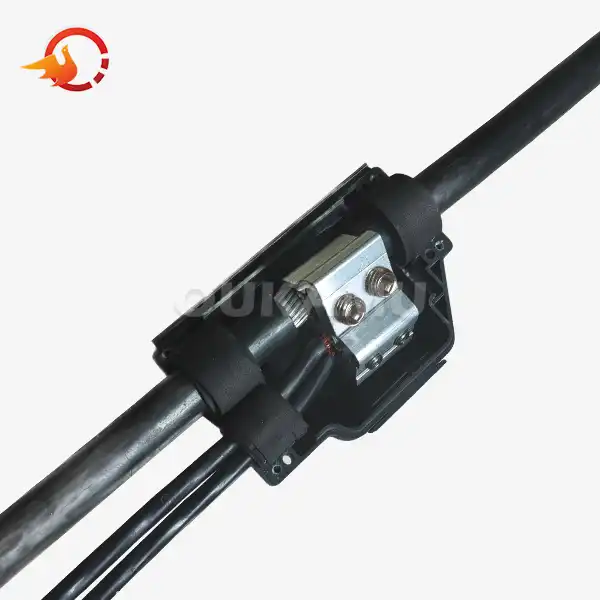
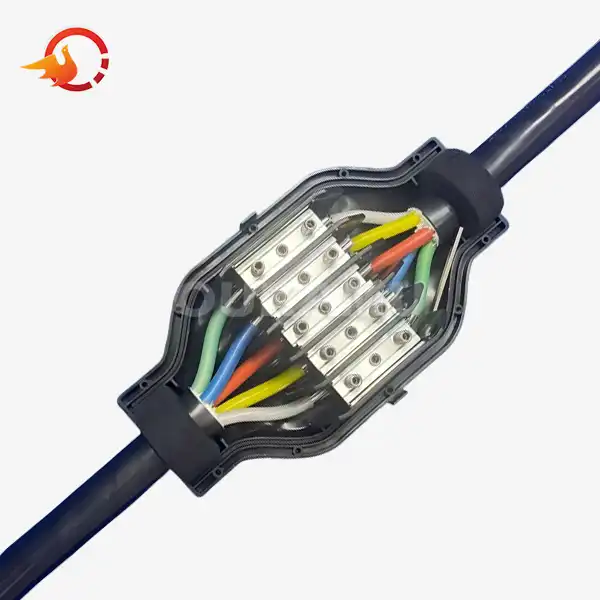
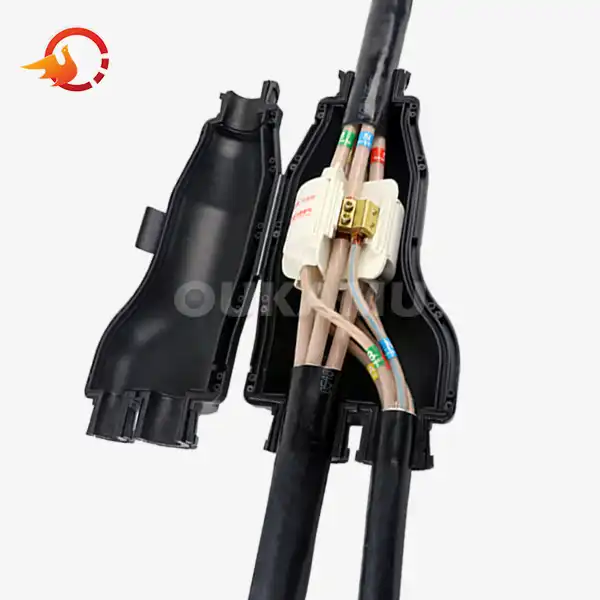
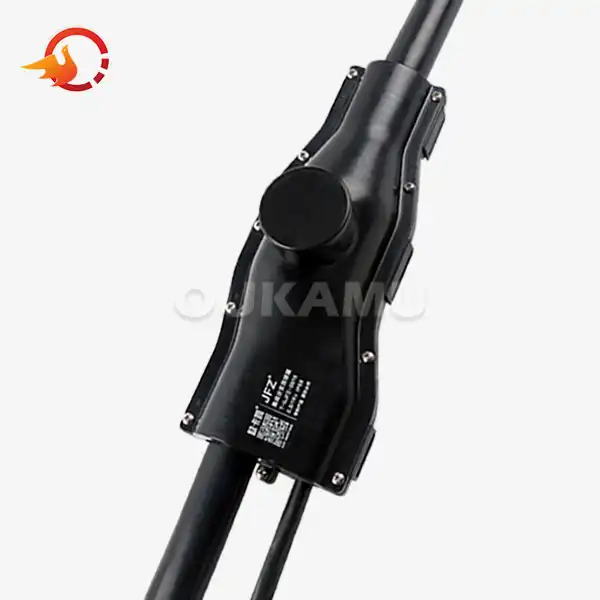
These devices join trunk and branch cables together without cutting the main line. The ZR-JFZ-35/16 model can handle main cables from 10mm to 35mm and branch cables from 2.5mm to 16mm. It is rated for 0.6/1kV uses. The body of the connector has a double U-shaped tapping terminal that securely clamps the conductors. The whole junction is surrounded by flame-resistant insulation. This method cuts down on installation time, gets rid of unnecessary cable waste, and keeps the circuit's integrity while it's being built.
Performance Indicators That Matter
Durability comes from choosing the right materials and engineering the design. Good connectors don't let water, chemicals, or the temperature changes that happen a lot in underground environments damage them. Sealing abilities stop dust and water from getting in, which keeps electrical contacts from rusting. Following the rules set by GB/T 14048.7-2016 guarantees that the product meets all international safety standards. Contact resistance affects how much energy is used. Terminals that are properly compressed reduce heat production and voltage drops across branch points.
Real-World Applications
These connectors are used to connect power and lighting circuits in subways, highway tunnels, and underground parking garages. When on-site branch connectors were used instead of prefabricated cables, a subway project in a big city cut three days off of the time it took to build each station. Last-minute changes to the design could be made because the branch positions could be changed. This didn't delay the construction schedule or require special cable orders. This ability to adapt is useful when physical obstacles or moving equipment mean that the route needs to be changed.
Core Selection Criteria for Tunnel Integrated Branch Connectors
Understanding your specific needs is the first step to successful procurement. Your choice is based on the type of cable, the environment, and the limitations of the installation.
Assessing Cable Compatibility
Before you order, make sure you know the voltage ratings, conductor sizes, and insulation materials. The Tunnel Integrated Branch Connector has to be able to handle both trunk and branch cable sizes up to its rated capacity. Different amounts of compression force are needed for aluminum and copper conductors. Make sure the design of the terminals matches the specifications of your cable. It's important to know how to work with XLPE, PVC, or mineral-insulated cables that are compatible with each other. Different materials react differently when they are compressed, which can affect how reliable a connection is in the long term.
Evaluating Environmental Challenges
Connectors are exposed to water, changes in temperature, and chemicals when they are in tunnels. Look for items that have waterproof ratings that are right for your situation. Flame-retardant and fire-resistant qualities are very important in small spaces where fire spread is a big problem. Anti-aging materials make things last longer in harsh conditions. Our products have dustproofing and resistance to electrochemical corrosion built in so that they will keep working well for decades.
Balancing Cost and Reliability
The initial purchase price is only a small part of what it costs to own something. Think about the cost of installation, the chance of downtime, the need for maintenance, and how often the parts need to be replaced. A connector that can be used more than once saves two to three meters of cable per branch point. This saves a lot of material on big projects. When you add up the savings from fewer workers needed for installations that are easier, they quickly add up when you have hundreds of branch connections. The quality of your supplier's support affects how quickly you can fix technical problems and reorder parts.
Based on the project's priorities, the decision framework should decide how important these factors are. Reliability and safety compliance are most important for critical infrastructure projects. On the other hand, cost-sensitive applications may be willing to accept shorter service lives if the upfront savings justify replacement cycles.
Comparing Tunnel Integrated Branch Connectors with Traditional and Mechanical Alternatives
In traditional ways of branching, cables are cut, insulation is stripped, conductors are joined, and insulation layers are put back on using heat-shrink or tape. This process takes a long time, needs skilled workers, and has failure points at several interfaces.
Limitations of Conventional Methods
Older splice methods don't seal well enough, leaving connections open to environmental hazards. The quality of the connection changes with each manual operation. Error rates go up in situations like tight spaces, dim lighting, and tight deadlines. It's harder to do maintenance because technicians have to take apart a lot of protection layers to check or fix connections. For replacements, cables often need to be cut and the whole installation process has to be done again.
Advantages of Integrated Solutions
These days, Tunnel Integrated Branch Connectors make installation faster and easier. With an integrated body, there are fewer parts to put together and fewer steps to take. Pre-engineered sealing systems protect the environment consistently. With mechanical terminals, you don't need any special skills to get even compression. Reusability lets you change the position or the circuit without damaging the connector. These features mean that projects are finished faster, failures happen less often, and maintenance procedures are easier to follow.
Certification and Customization Options
Companies like Oukamu spend money on research and development to make connector designs better by using data from how well they work in the field. Our engineering team looks at how thousands of installations failed to find ways to make the sealing geometry, terminal contact pressure, and material durability better. Because of this expertise, products are made that work better than generic alternatives in tough situations. When evaluating suppliers, look at how well they've done in similar situations in the past and ask for performance documentation from projects that have already been finished.
Manufacturers with a good reputation have certifications that show they meet safety and quality standards. Many suppliers offer custom specifications for different cable sizes, voltage ratings, or environmental conditions, in addition to their standard product lines. This gives you options, so you don't have to buy too much capacity or give up important features. Talk to technical representatives about the details of your project to find the best solutions instead of forcing standard products into uses that aren't right for them.
Installation and Maintenance Best Practices for Tunnel Integrated Branch Connectors
Long-term dependability depends on how well the installation was done. When installed wrong, even well-designed Tunnel Integrated Branch Connectors don't work.
Preparation and Handling Protocols
Before installing, check the connectors to see if they were damaged during shipping or if they were made with mistakes. Check that the cable's specs match the ratings of the connectors. Get rid of any dirt, oil, or oxidation that might get in the way of electrical contact by cleaning the parts of the cable where the connector will go. Carefully measure and mark the locations of branches, keeping in mind how easy they will be to get to for future maintenance. Before you start working, get the tools you'll need, like torque wrenches, cable strippers, and cleaning supplies.
Step-by-Step Installation Guide
Put the body of the connector where you want the branch to go without cutting the trunk cable. Follow the manufacturer's instructions to open the connector housing. Make sure the trunk cable is in the right place by putting it in the groove that's there. Put the branch cable into the channel that it belongs to. When you apply torque to the compression terminal, make sure you don't go over the recommended values. Too much torque can damage the conductors, while too little torque can make high-resistance connections. Close and seal the body of the connector, making sure that all of the latches and fasteners are fully engaged. Before turning on the circuit, use the right electrical measurements to test the connection.
Routine Maintenance and Compliance Checks
Set up inspection schedules based on how bad the environment is and how important the circuit is. Visual inspections find signs of physical damage, corrosion, or seal degradation. Thermal imaging finds "hot spots" that mean connections aren't working well before they break. Electrical testing is done on a regular basis to check the contact resistance and insulation integrity. Keep track of performance trends over time by writing down what you find. Take care of problems right away; a small seal leak turns into a major failure if water builds up inside the connector. When repairs for a Tunnel Integrated Branch Connector are more than simple fixes, you should call technical support to find out whether the best solution is to clean, re-torque, or replace the part.
Procurement Strategies for Tunnel Integrated Branch Connectors
To buy things effectively, you need to look at suppliers in more ways than just comparing prices. Reliable partners can be told apart from transaction-focused vendors by their reputation, technical skills, and customer service.
Identifying Trustworthy Suppliers
Check out potential suppliers' references in the industry, project case studies, and certifications. Established manufacturers that have been in business for a long time show that they are stable and have a lot of experience. For twenty years, we've been focusing on branch cable technology. This shows that we're dedicated to this type of product, rather than having a lot of different businesses that use a lot of resources. Distribution networks show how far a product can reach in the market. Suppliers with local stock cut down on lead times and make reordering easier.
Commercial Considerations and Bulk Purchasing
Talk about prices based on how much you think you will sell, but don't commit to too much inventory that will tie up your capital. Make it clear how long the lead time is for standard products versus custom orders. When you deal with international logistics, you need to know about shipping terms, customs rules, and the total cost of landing. Some suppliers offer just-in-time delivery or consignment plans that help construction schedules match up with supply plans. When cash flow problems make it hard to finance a project, longer payment terms may help make up for higher unit prices.
Value-added services set suppliers apart from others that are competing on the same product specifications. Getting technical help during the design process can help you choose and place Tunnel Integrated Branch Connectors more efficiently. Field errors and callbacks are cut down by installation training. People can get help from warranty programs if something breaks down too soon. How quickly you fix problems that could delay project milestones depends on how responsive your after-sales support is. These things add to the total value above and beyond the cost of the individual connectors.
Conclusion
To choose Tunnel Integrated Branch Connectors, you have to weigh the technical requirements against the limitations of the project and the long-term goals of the operation. When figuring out the total cost of ownership, put cable compatibility, protecting the environment, and following the rules at the top of your list. Compared to traditional splicing methods, modern integrated designs from experienced manufacturers like Oukamu perform better because they are easier to install, last longer, and need less maintenance. To do a good job of procurement, you need to find suppliers with a track record of success, a wide range of support services, and manufacturing quality that can stand up to harsh underground conditions.
FAQ
How do tunnel-integrated branch connectors improve installation safety?
These Tunnel Integrated Branch Connectors stop you from cutting cables, which lowers the risk of electrocution during installation near live circuits. Integrated insulation keeps conductors from coming into contact with it by accident. Flame-resistant materials stop fires from spreading in small tunnels. Pre-engineered designs are better than field-assembled splices because they don't depend on the skill level of each technician.
What factors most influence connector durability in harsh environments?
How well the seal works determines how resistant it is to water and other contaminants. The quality of a material affects how quickly it ages when exposed to chemicals and changing temperatures. The design of the terminal affects how well it can handle vibration and mechanical stress. The right way to install these engineered protections will make sure they work as planned for the whole service life.
Can these connectors integrate with existing tunnel infrastructure without system downtime?
Installations are done on circuits that are not plugged in during scheduled maintenance windows. The design works with different kinds of cables that are common in older systems. Since trunk cables aren't being cut, the current circuit routing stays the same. It is possible to add or move branches without affecting other connections on the same trunk line.
Partner with Oukamu for Superior Cable Branching Solutions
Oukamu is a company that has been making Tunnel Integrated Branch Connectors for 20 years. They are experts in cable connection technology. Our ZR-JFZ series has been used in thousands of installations in harsh underground environments and has been shown to be reliable. We offer full technical support, from helping with the design to training on installation and service after the sale. Get in touch with our team at info@okmbranchcable.com to talk about your project needs and get full product specifications. Our engineering staff helps you figure out how to use selection criteria, improve your buying strategies, and put best practices into place that will make connectors work better.
References
1. Chen, W. and Liu, H. (2021). "Advanced Cable Connection Technologies for Underground Infrastructure Systems." Journal of Electrical Engineering and Construction Standards, Vol. 34, pp. 112-128.
2. International Electrotechnical Commission (2019). "Low-Voltage Switchgear and Controlgear - Part 7: Ancillary Equipment - Cable Branching Connectors." IEC Technical Report 60947-7.
3. Martinez, R. (2020). "Comparative Analysis of Cable Splicing Methods in Tunnel Environments." Underground Construction and Safety Quarterly, Vol. 18, No. 3, pp. 45-61.
4. National Electrical Manufacturers Association (2022). "Installation Guidelines for Low-Voltage Distribution Systems in Transit Applications." NEMA Standards Publication LV-8.
5. Zhang, Y. and Thompson, K. (2023). "Life-Cycle Cost Analysis of Cable Connection Systems for Metro Infrastructure." Transportation Engineering Research Journal, Vol. 29, pp. 201-219.
6. Wu, J. (2020). "Innovations in Flame-Retardant Cable Accessories for High-Safety Applications." Materials Science and Electrical Safety Review, Vol. 15, No. 2, pp. 88-104.