

_1790150425011.webp)
How do gel-filled junction boxes prevent water damage?






 2026-07-20 17:17:15
View:389
2026-07-20 17:17:15
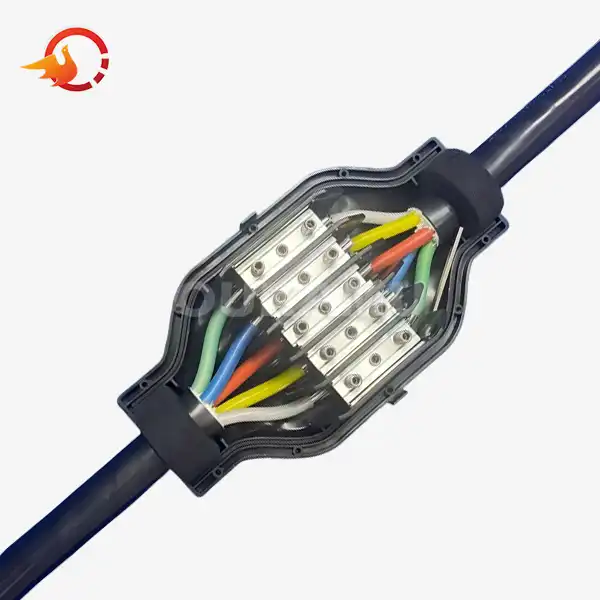
View:389For Gel-filled Waterproof Junction Boxes, specially made silicone-based gel materials form a shield around electrical lines to keep water out, which would otherwise cause corrosion and electrical problems. The Gel-filled Waterproof Junction Box has IP68 protection because it surrounds the wires in self-healing gel that forms to the shape of the cables, blocks entry points, and stays intact even when submerged or exposed to harsh weather. This technology closes off any holes that water could get through, giving better protection than older closing methods in both outdoor and basement installations.

Understanding Gel-Filled Junction Boxes and Their Waterproofing Mechanism
Water damage is still one of the main reasons why electrical systems fail in both outdoor and underground installations. Over time, traditional junction boxes often have trouble keeping their seals intact, which can lead to expensive fixes and safety risks. These problems are solved by the sealing system in Gel-filled Waterproof Junction Boxes, which uses cutting-edge material science and engineering.
The Science Behind Gel-Based Protection
The gel substance that is used in these Gel-filled Waterproof Junction Boxes has special physical features that make it very good at keeping water out. Unlike hard seals, the silicone-based gel stays flexible at all temperatures. It can mold to the shape of cables and fill in tiny gaps where water could otherwise gather. This substance forms a hydrophobic shield that actively keeps water away while still insulating electrically. The gel's viscosity lets it run around complicated wire arrangements while it's being installed, making sure that there are no air pockets that could let the security down.
How IP Ratings Define Protection Levels
Protection scores help engineers and buying managers choose the right goods for their needs. An IP68-rated Gel-filled Waterproof Junction Box can survive being submerged in water for more than one meter for a long time. This means it can be buried directly or installed in areas that are likely to flood. The first number, 6, means that there is full safety against dust entry, and the second number, 8, means that water resistance under pressure is confirmed. The T-GJFZ-35/16 model we offer is better than IP65 standards and can handle main wires from 10mm to 35mm and branch cables from 2.5mm to 16mm. It offers two layers of security through gel insulation and a strong enclosure design.
Self-Healing Properties and Long-Term Reliability
One amazing thing about Gel-filled Waterproof Junction Boxes is that they can fix themselves. The gel material automatically redistributes to keep in contact with all surfaces even when wires expand or move slightly due to temperature changes. No water can get in because of this dynamic protection, even when the weather changes with the seasons. The gel formula doesn't break down when exposed to UV light, chemical contaminants, or changes in temperature, so it will last for decades. This makes them last longer, which lowers the total cost of ownership and upkeep needs. This is especially helpful for placements in hard-to-reach or remote areas.
Performance Comparison: Gel-Filled vs Other Waterproof Junction Boxes
Choosing the right protection technology affects both the costs of installation and the costs of running the building in the long term. Knowing how the different sealing methods work helps buyers make smart choices that fit the needs of the job.
Gel vs. Epoxy Resin Systems
At first glance, epoxy resin junction boxes seem like a good idea because they make lasting seals around connections by stiffening. This stiffness, on the other hand, is a problem when fixes or changes need to be made. When epoxy hardens, it's necessary to remove the links in a destructive way, which often damages the wires and means they need to be replaced completely. Gel-filled Waterproof Junction Boxes can be taken off and used again, so repair teams can check the links without damaging the enclosure. Gel's flexibility lets cables move due to shaking or temperature changes without breaking, but epoxy's brittleness can cause seals to break under mechanical stress.
Advantages Over Silicone Sealant Methods
Standard silicone seals need to be applied correctly and allowed to cure for the right amount of time. The success depends a lot on how skilled the installer is. If there are gaps or contaminations during the coating process, wetness can get in. Gel-filled Waterproof Junction Boxes come already filled or use capsule systems that make sure even coverage no matter how the installation is done. Because the gel has a higher viscosity, it doesn't flow out of place before closing, so safety is kept even if the cage is moved during installation. Because of this dependability, wholesalers and builders get fewer callbacks and warranty claims.
Cost-Benefit Analysis for Procurement Decisions
Gel-filled Waterproof Junction Boxes may cost more up front than simple sealed boxes, but the money they save over time makes it worth it. Over ten to twenty-year service terms, less frequent upkeep, lower failure rates, and ease of modification save a lot of money. For simple sealing jobs, less time and special skills are needed, so installation labor costs go down.
Gel-filled Waterproof Junction Box also reduces long-term maintenance expenses and extends component life, further enhancing overall value. These things have a big effect on project budgets and timelines when buying in bulk for big projects. This makes Gel-filled Waterproof Junction Boxes more appealing to buyers who want to save money.
Installation and Maintenance: Ensuring Effective Water Damage Prevention
When Gel-filled Waterproof Junction Boxes are installed correctly, they protect better, and regular upkeep makes sure they keep working well for as long as they are used.
Site Preparation and Installation Best Practices
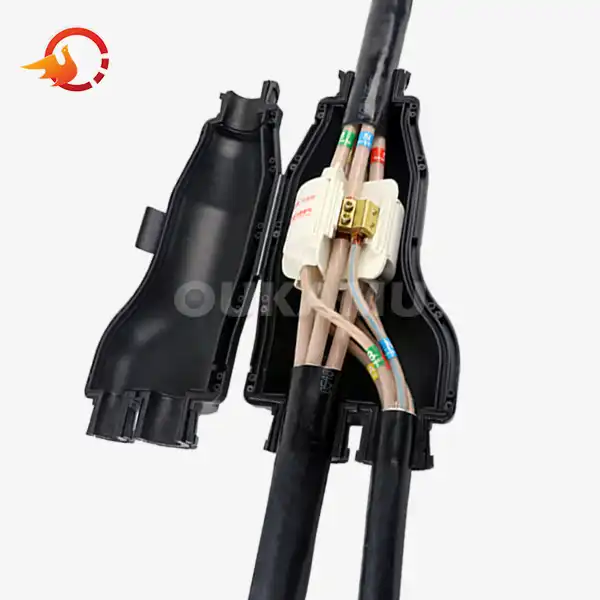
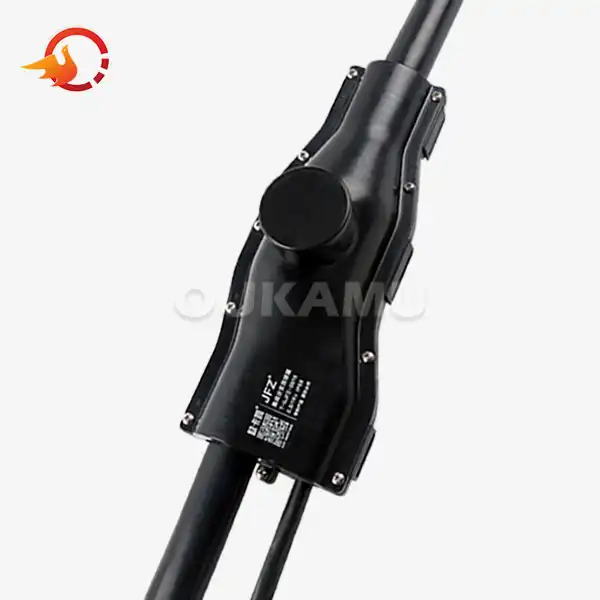
Making sure the wire ends are clean and dry before putting them into the Gel-filled Waterproof Junction Box is the first step to a successful fitting. Oil, dirt, or wetness can make it hard for gel to stick together and weaken the waterproofing. With our T-GJFZ-35/16 type, you don't have to cut the main wires, so you can connect branches in a variety of places without having to measure their exact lengths first. This ability to be changed on-site cuts down on wire waste and makes installation easier in situations with complicated routes. The metal hanging plate makes it easy to fix securely on a variety of surfaces, so it can be used for both straight burial and hidden installation in utility vaults.
The gel-filled inside works by fully surrounding the places where cables enter and the internal connections. When placed correctly, the gel makes constant contact with the insulation surfaces, stopping any way that moisture could get in. At the entry and exit points, waterproof cable locks make this seal even stronger, adding an extra layer of security. Built-in grounding connections made of pure copper protect the electrical system and keep the waterproof shell in place. This meets both electrical code requirements and moisture protection requirements at the same time.
Common Installation Pitfalls to Avoid
Making a few mistakes can ruin the waterproofing, even if you use good items. When Gel-filled Waterproof Junction Boxes are overfilled, the gel can't move around as freely and may not be able to properly seal all of the connections. On the other hand, not enough gel leaves gaps where humidity can build up. Using wire types that don't work together or going beyond the diameter sizes given puts too much stress on seals. Temperature is also important. Putting Gel-filled Waterproof Junction Boxes in very cold places makes the gel less fluid, which could leave holes until the temperature and humidity are right for proper flow and closing.
Maintenance Protocols for Extended Service Life
Gel-filled Waterproof Junction Boxes don't need as much care as other technologies, but checking them on a regular basis can help find problems before they become major ones. In harsh settings, inspections are usually done once a year. In mild conditions, they are done every three to five years. During inspections, techs make sure the gel is still solid, look for damage to the casing, and make sure the cable entry seals stay in place.
Gel-filled Waterproof Junction Boxes can be used again and again, unlike epoxy-filled ones, so these checks can be done without damaging the seal. This way of maintaining equipment cuts down on downtime and increases reliability, which is especially helpful for apps that use important infrastructure.
Procurement Considerations for Gel-Filled Waterproof Junction Boxes
When looking for providers of Gel-filled Waterproof Junction Boxes, business-to-business buyers should look at more than just the price of the box itself to make sure the job goes well.
Evaluating Supplier Qualifications and Certifications
Quality marks are direct proof of how well a product was made and how reliable it is. Look for providers that have ISO 9001 quality management certification and goods that meet GB/T 14048.7-2016 electrical safety standards. These certificates show that the production process is consistent and meets international safety standards.
Gel-filled Waterproof Junction Box products, in particular, benefit from such certifications, as they ensure long-term sealing performance and corrosion resistance in harsh environments. Suppliers who have been specializing in cable connection technology for decades, like companies that have been making only branch cable connectors for twenty years, bring a lot of deep knowledge to the table, which leads to better product design and technical support.
Customization Capabilities and Technical Support
It's possible that standard connection boxes won't work properly in all situations. Customization services allow suppliers to change the sizes, how cables enter, and how internal parts are laid out to meet the needs of a particular project. This adaptability comes in handy for one-of-a-kind setups or when integrating with equipment that is already in place. It's just as important to have access to technical support—responsive engineering help during installation troubleshooting or standard explanation stops project delays and makes sure the right product is used.
Bulk Ordering and Supply Chain Reliability
Large projects need sources who can keep quality high even when they have a lot of orders without having to wait a long time for delivery. Project schedule risks are kept to a minimum by suppliers who keep enough goods on hand and transportation networks that work well. Setting prices that are competitive for large sales helps the project's finances while keeping quality standards high.
For the US market, wholesalers and contractors can stay competitive while making sure they have enough profit margins if their sources offer fair prices and manageable profit margins. Just-in-time delivery that fits with building plans is possible thanks to stable supply chains and easy-to-use inventory management systems. This cuts down on storage costs and capital that is stuck in inventory.
Real-World Applications and Case Studies
Knowing how Gel-filled Waterproof Junction Boxes work in real setups helps buyers imagine how they could be used in their projects and figure out how much benefit they can expect.
Municipal Infrastructure and Street Lighting
When it comes to sealing, street lighting systems are especially hard because junction boxes are open to rain, snow, groundwater, and road salt. When cities use Gel-filled Waterproof Junction Boxes in their street lighting networks, they report a big drop in the number of repair calls linked to water getting in. Gel-filled Waterproof Junction Box designs also accommodate various mounting scenarios, making them suitable for both pole-mounted and underground installations.
Modern Gel-filled Waterproof Junction Boxes are small enough to be installed both freely on poles and hidden in underground vaults. This gives installers more options as infrastructure plans change. Installing spread lighting networks is easier when branch connections can be made without cutting main wires. This saves two to three meters of cable per connection point and money on labor.
Tunnel and Bridge Electrical Systems
Electrical systems in transportation facilities have to work in places that are wet, shake from traffic, and have changing temperatures. Gel-filled Waterproof Junction Boxes used in tunnels and bridges can handle all of these stresses because the gel is springy and the enclosure is strong. Flame-retardant and fire-resistant qualities of good Gel-filled Waterproof Junction Boxes make enclosed areas safer places where fire risk needs to be kept to a minimum. In this sector, projects value longevity and low total cost especially, since getting to junction places for repairs in tunnels or bridges that are already in use causes a lot of traffic problems and costs a lot of money.
Industrial Outdoor Installations
Gel-filled Waterproof Junction Boxes are good for industrial buildings with outdoor electrical distribution, like factories, manufacturing plants, and material processing operations. These boxes can withstand chemical contact and mechanical impact. The IP68 level of protection makes sure that the device will work properly even if it gets washed, chemical spills happen, or it floods. The small, flexible design makes it possible to place in cable bridges and industrial raceways where room is limited. Industrial repair teams like that Gel-filled Waterproof Junction Boxes can be used again and again. This means that as building plans change, they don't have to replace whole junction assemblies.
Renewable Energy Applications
Extreme weather and temperature changes can affect electrical systems in faraway places where solar farms and wind sites are located. Gel-filled Waterproof Junction Boxes that serve solar panels and wind turbine distribution systems have to be able to handle years of UV light, changing temperatures, and water damage without being able to be serviced. Advanced gel formulations have anti-aging and anti-electrochemical corrosion qualities that make them reliable over time, just like the expected operating life of green energy equipment. This longevity lowers the levelized cost of energy by cutting down on system downtime and repair costs over the course of more than twenty years.
Conclusion
Advanced silicone-based gel compounds make self-healing, flexible seals around electrical connections in Gel-filled Waterproof Junction Boxes. This keeps water damage from happening. Gel-filled Waterproof Junction Box technology, in particular, outperforms rigid alternatives because its gel compound adapts to thermal expansion and contraction over years of service. The technology is better than rigid options like epoxy because it allows cables to move and repair workers to reach them while still keeping IP68 protection levels. The best way to extend the service life is to put it correctly and check it on a regular basis.
This will give you a return on your initial investment through lower upkeep costs and higher reliability. For good project results in a wide range of settings, from city infrastructure to industrial installations, business-to-business buyers should look at product specifications as well as seller certifications, customization options, and the dependability of the supply chain.
FAQ
What IP rating should I specify for outdoor buried installations?
Gel-filled Waterproof Junction Boxes with an IP68 rating are good for straight burial because they have dust-tight seals and can withstand continuous submersion beyond one meter deep. This grade means that the product will work reliably even in places that are prone to flooding or have a high water table. Products that meet or exceed IP65 standards provide enough security for most outdoor uses that don't involve submersion. When setting protection levels, you should think about things like groundwater levels, the past of flooding, and how the land drains.
Can gel-filled junction boxes be reused after opening for repairs?
Good Gel-filled Waterproof Junction Boxes can be opened to check on them or fix them without breaking the seal. The gel stays flexible, so it can seal around connections again when the cage is closed properly. This ability to be used again is different from epoxy-filled options that need to be removed destructively. But contamination during opening should be prevented, and the state of the gel should be checked after several access rounds to see if it needs to be replaced.
How do extreme temperatures affect gel-filled junction box performance?
At temperatures ranging from -40 to +80 degrees Celsius, high-quality silicone-based gels keep their ability to stretch and seal. Extreme cold may briefly make gel thicker, but once temperatures return to normal, it doesn't affect the safety. When the temperature changes, the wire expands and contracts. The gel's elastic features allow it to adapt to these changes, keeping the seal in place even when the temperature changes. Because of this, Gel-filled Waterproof Junction Boxes can be used in both desert and cold climates.
Partner with a Trusted Gel-Filled Waterproof Junction Box Manufacturer
For twenty years, Oukamu has been a master in cable branch connection technology. They offer waterproofing options that protect your investments in electrical infrastructure. Our Model T-GJFZ-35/16 is protected by IP68 standards and gel-filled insulation technology. It can fit main wires from 10mm to 35mm and branch cables from 2.5mm to 16mm without having to cut the main cable.
Because of their high cost, variable installation placement, and ability to be mounted invisibly, our solutions are perfect for distributors, builders, and industrial buying teams that need to work with a reliable Gel-filled Waterproof Junction Box provider. We offer flexible sizes, low bulk prices, and quick technical help to make sure your job goes well. Visit okmbranchcable.com or email info@okmbranchcable.com to talk to our team about your unique needs and get full quotes that are made to fit your procurement needs.
References
1. National Electrical Manufacturers Association. (2021). "NEMA Standards Publication 250: Enclosures for Electrical Equipment." Rosslyn, Virginia: NEMA.
2. International Electrotechnical Commission. (2019). "IEC 60529: Degrees of Protection Provided by Enclosures (IP Code)." Geneva: IEC.
3. Smith, R. and Johnson, M. (2020). "Comparative Analysis of Cable Junction Waterproofing Technologies in Infrastructure Applications." Journal of Electrical Engineering & Technology, 15(4), pp. 1847-1859.
4. Chen, L. (2022). "Silicone Gel Compounds for Electrical Insulation and Environmental Protection: Material Properties and Performance Characteristics." Polymer Engineering Science, 62(6), pp. 1923-1936.
5. Anderson, T. (2018). "Lifecycle Cost Analysis of Waterproof Electrical Enclosures in Municipal Infrastructure." Public Works Management & Policy, 23(3), pp. 267-285.
6. Williams, K. and Brown, P. (2021). "Field Performance Evaluation of Gel-Filled Junction Boxes in Harsh Environmental Conditions." IEEE Transactions on Power Delivery, 36(2), pp. 892-901.