

_1790150425011.webp)
How to install a cable joint connector safely






 2026-07-13 10:50:23
View:389
2026-07-13 10:50:23
View:389To safely install a cable joint connector, you need to plan ahead, choose the right tools, and follow safety rules. Cable jointing is the process of joining electrical wires to keep the circuit working while making sure the insulation stays in place. The Cable Jointing Cable Joint Connector is an important part of low-voltage systems because it keeps water, mechanical stress, and electrical problems out. When installed correctly, it cuts down on downtime, keeps people safe, and makes sure that standards like GB/T 14048.7-2016 are met. This guide explains safe ways to install things for distributors, project managers, and electrical workers who are in charge of buying in bulk and setting up projects on-site in a variety of industry settings.

Understanding Cable Joint Connectors and Their Types
In power delivery systems, cable joint links keep the electricity flowing and the insulation from tearing. When these devices are used between wire pieces, they protect them from things like water, dust, and chemicals in the environment. These days, connections are made from strong materials like silicone rubber, epoxy resin, and flame-resistant plastics. They can work well with voltages from 0.6/1kV and up.
Core Functions and Materials
Joint links keep wire cores from getting damaged or losing their electricity. Silicone-based solutions are great for outdoor applications because they are flexible and don't melt when heated up. Types that are filled with resin are better at keeping water out, so they can be used underground. Both heat shrink and cold shrink technologies can be used quickly. With cold shrink, you don't even need a heat gun, which makes installation easier and safer.
Common Connector Types and Applications
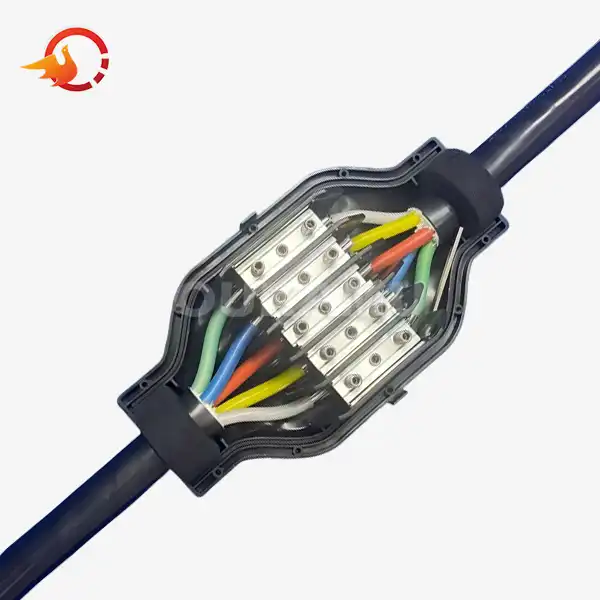
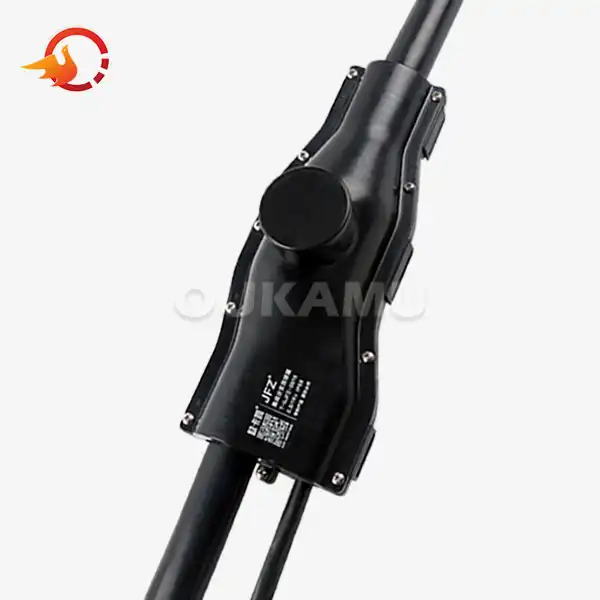
Resin joints work well in places with a lot of moisture, while silicone versions work well in places where the temperature changes. Cold shrink models work well in small areas where flame tools could be dangerous. Rigid links keep set systems stable, while flexible designs let cables move. Branch connectors, like Oukamu's ZR-JFZ-70/35 type, let you make changes on-site without having to cut the main lines. They can handle main cables from 25 mm to 70 mm and branch cables from 2.5 mm to 35 mm at a 0.6 kV rated voltage.
When procurement officers know these differences, they can match connection specs to project needs, whether the projects are for city infrastructure, business buildings, or industrial facilities. The best option strikes a mix between long-lasting, simple installation, and low cost, guaranteeing long-term dependability and meeting international safety standards.
Step-by-Step Guide: How to Install a Cable Joint Connector Safely
A safe installation starts with careful planning and an analysis of the risks. Use lockout-tagout methods to make sure the work area is not accidentally turned on again after turning off the power. Get the tools you'll need, like wire strippers, crimping tools, insulating tape, cleaning solvents, and safety gear like insulated gloves, safety glasses, and clothes that can handle arcs.
Preparation and Cable Handling
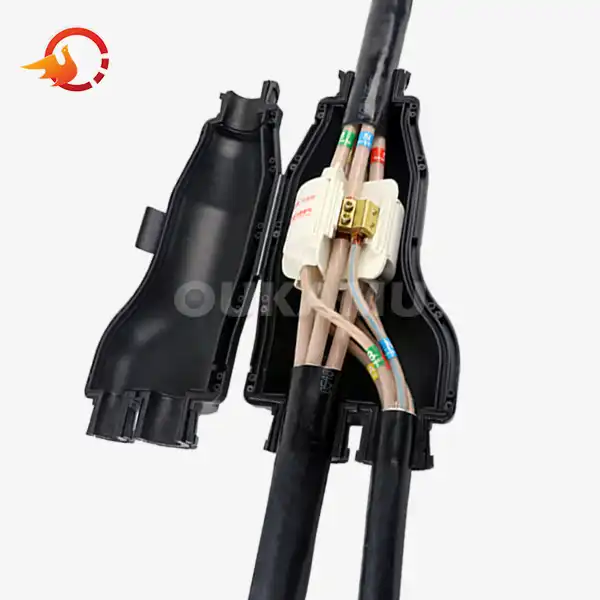
Check wires for damage by looking at the state of the conductors and the insulation. Measure and mark the locations of the branches based on the needs of the site plan. Clean the sides of the cables with lint-free cloths and allowed solvents to get rid of any dirt or dust that could make them less adhesive. For the actual Cable Jointing Cable Joint Connector, with Oukamu's combined T-connector systems, there's no need to cut the main cable. This keeps the cable's length and cuts down on waste, which saves 2-3 meters of main cable per installation and a lot of work hours.
Installation Techniques for Branch Connectors
Place the body of the connection at the branch point that was given. For low-voltage uses, strip wire insulation to the manufacturer's standards, which is usually between 10 and 15 mm. When you put conductors into terminal blocks, make sure they are fully seated and lined up correctly. Tighten terminal screws to the force values given. Do not overtighten, as this can damage the wires. For cold shrink models, slowly take out the holding core while applying even pressure to make sure that all the parts touch. Controlled heating from the center outward is needed for heat shrink types to make sure there are no air spaces and the material sticks together completely.
Sealing and Safety Measures
Around connection ports, use sealing compounds or self-amalgamating tape to stop water from getting in. Make sure that the waterproof ratings meet the amount of exposure to the environment, especially for installations that will be outside or underground. Before re-energizing, use multimeters to check the electrical connection. Write down information about the installation, such as the torque values, insulation resistance readings, and the temperature and humidity of the room. This will help you keep track of upkeep information in the future.
Following the IEC 60502 and IEEE 404 standards makes sure that systems meet safety standards for the industry. This protects people and equipment and extends the life of joints. Electrical safety study shows that proper training cuts down on installation mistakes by over 60%. This shows how important skilled workers are.
Common Problems and Troubleshooting in Cable Jointing
Cable joints sometimes break, even when they are installed carefully. Water getting into joints is still the main reason they fail, and this is usually because they aren't sealed well enough or the materials are breaking down. When you don't prepare the conductors properly, you get high-resistance links that make heat, which speeds up the breakdown of the insulation. Over time, mechanical stress from not having enough support or moving too much can damage the body.
Diagnostic Approaches
Visual inspection can find clear signs like darkening, cracks, or water buildup inside connection housings. Infrared thermography finds hot spots that show where links are loose or where there are resistive flaws. Insulation resistance testing with megohmmeters finds leaking current. Readings below 1 megohm per kilovolt indicate a possible failure. Time-domain reflectometry finds faults along wire runs so that fixes can be focused.
Corrective Actions and Preventive Maintenance
Replace any damaged links right away and write down the failure modes so that you can look for patterns. If there is corrosion on the wires, re-strip and clean them. Apply contact improvement agents before reconnecting. In places with a lot of humidity, you should use better sealing materials. If you want better protection to moisture, you could use silicone-based options. Set up regular review times every three months for important devices to look for damage, broken seals, and strange temperature changes.
One city lighting project had a lot of joint failures until they switched to reused branch links that were better at keeping water out. Over two years, the change cut down on repair calls by 75%, showing that choosing the right product like a Cable Jointing Cable Joint Connector has a direct effect on business efficiency. Protecting infrastructure investments and reducing unexpected downtime that affects service delivery are two goals of preventative strategies.
Comparison and Selection: Choosing the Right Cable Joint Connector for Your Needs
To choose the right plugs, you have to compare their performance specs to the needs of the program. For outdoor and underground systems, waterproof ratings (IP67 or higher) are important. For protected areas, flame retardancy (UL 94 V-0) makes sure there is no risk of fire. To allow for short-term overvoltages, voltage ratings must be higher than practical values by a safety margin, which is usually 20 to 30 percent.
Big companies like 3M, Hellermann Tyton, and ABB make a wide range of products. But niche providers like Oukamu offer options like built-in branch connections that don't require cutting the main cable. The ZR-JFZ-70/35 model is small but has flame retardancy, fire protection, and waterproofing all in one. It can be installed in a number of different ways to meet the needs of each place. This design theory makes it easier for wholesalers to keep track of their goods because they don't have to keep huge catalogs of products. Instead, they can stock models that can be used in a variety of situations.
Procurement Considerations for B2B Buyers
Look at the project size and store space along with the minimum order numbers (MOQs). Suppliers who give different batch sizes can meet changing customer needs without keeping too much product on hand, which wastes money. Lead times affect project plans, so trustworthiness of suppliers is an important factor in choosing them. To make sure it's right, ask for scientific datasheets that list the mechanical strength, temperature ranges, and chemical protection.
Sample review programs let you try things out before making big promises. Test connectors in fake situations to see how long they take to install, how easy they are to use, and how well they connect in the end. Product specifications, installation guides, and certification papers make it easier for online platforms and e-commerce managers to show items and teach customers. With tiered deals and bulk pricing, you can make the most of your profit margins while still offering competitive prices to your customers.
Customization choices let you meet specific needs, such as those that don't fit standard wire sizes or need extra environmental protection. Suppliers that do their own research and development, like Oukamu, which has been a leader in branch connection technology for 20 years, can offer custom solutions that regular goods can't match. This adaptability is very helpful for companies that sell building materials that have to deal with a wide range of clients and their different technical needs.
Best Practices and Safety Tips for Long-Term Cable Joint Performance
Long-term dependability relies on regular upkeep and good installation methods. Set up check schedules that are in line with how important the equipment is and how much it is exposed to the environment. High-priority systems should be checked every three months, while lower-risk setups may only need to be checked once a year. During thermal scans, look for early warning signs like changes in color, smells that don't make sense, or high temperatures.
Training and Certification Standards
Hire licensed electricians who know the latest safety rules and jointing methods. Credentials are checked by getting certifications from groups like the National Institute for Certification in Engineering Technologies (NICET). Teams stay up to date on changing standards like NFPA 70E and OSHA electricity safety rules by continuing their education. Skilled workers make fewer mistakes, which directly improves the success of the first installation and cuts down on the need for expensive repairs, particularly when the installation involves a Cable Jointing Cable Joint Connector.
Environmental and Sustainability Practices
In line with RoHS and REACH rules, choose connections made from materials that can be recycled and contain few harmful chemicals. When old connections are thrown away properly, they don't pollute the environment, especially resin-filled types that contain epoxy compounds. Reusable connection designs, like the ones Oukamu offers, cut down on waste by letting the connectors be installed more than once without breaking down. This method works well for buying managers who want to focus on meeting the company's environmental goals while keeping costs low.
Keeping records of installation and repair tasks gives asset management systems useful past data. Keeping track of failure rates, mean time between failures (MTBF), and upkeep costs helps with future buying choices and judging the success of suppliers. Strategies that are based on data improve the efficiency of the supply chain by managing quality, quantity, and cost across all portfolios of electrical components.
Conclusion
Installing a safe Cable Jointing Cable Joint Connector guards the electrical equipment and makes sure that power is distributed reliably in homes, businesses, and factories. Understanding the different types of connectors, installing them in a methodical way, and using preventative maintenance techniques can lower the chance of failure and increase the service life. Purchasing managers should judge sellers based on how flexible their products are, how well they can help with technology issues, and how well they can make changes to meet changing project needs.
Oukamu's integrated branch connection technology is an example of new ideas that make work easier on-site, cut down on trash, and provide cost-effective solutions that meet international standards. Putting quality, safety, and working with suppliers at the top of the list builds strong electrical systems that support long-term business success.
FAQ
What is the difference between cable jointing and cable splicing?
Cable jointing is the process of joining two or more different cable pieces together to make branch links or extend circuits while keeping the insulation and mechanical protection. When you splice, you join wires inside the same line after fixing any damage. Both need to have their insulation properly restored, but jointing usually needs more complicated sealing systems to keep the surroundings safe. Regionally, the terms sometimes mean the same thing, but industry standards tell them apart by the way they are used and the results they have on structures.
Why is professional training essential for cable joint installation?
Installers who have had professional training know how to use tools safely and make sure that materials will work with each other. People who aren't taught could make connections with high resistance, bad seals, or safety violations that cause fires, shocks, or damage to equipment. Certified training programs teach people how to spot hazards, what to do in an emergency, and how to check the quality of work in ways that protect both workers and building investments.
How long do most cable joint connectors last?
If you install quality connections properly, they should work reliably for 20 to 30 years in normal conditions. If it is constantly wet, exposed to chemicals, or in very high or low temperatures, its usefulness may be cut to 10 to 15 years. Regular checks and preventive repair find problems early on, so the service lasts longer. Manufacturer guarantees and material specs give you a general idea of what to expect, but how well something works depends on how well it was installed and the conditions where it is used.
Partner with Oukamu for Reliable Cable Joint Solutions
The branch cable connections that Oukamu makes are state-of-the-art and designed to save time, money, and safety in difficult electrical projects. Our ZR-JFZ-70/35 model gives you the most freedom when it comes to placing branches on-site. This means that you don't have to cut any main cables and still meet all GB/T 14048.7-2016 standards. We have been a reliable provider of Cable Jointing Cable Joint Connectors for 20 years.
We help distributors, electrical contractors, and procurement officers by offering variable minimum order quantities, fast delivery, and detailed technical documentation. You can get samples right now or email our engineering team at info@okmbranchcable.com to talk about unique solutions that will make your supply chain run more smoothly and improve the results of your project. You can find out how our innovations cut down on installation time by up to 40% and material costs by a large amount by going to okmbranchcable.com.
References
1. Smith, J.R. and Thompson, L.M. (2021). Electrical Cable Jointing: Principles and Practices. Industrial Press Publications.
2. International Electrotechnical Commission (2019). IEC 60502-4: Power Cables with Extruded Insulation and Their Accessories for Rated Voltages.
3. Chen, W. (2020). "Reliability Analysis of Low-Voltage Cable Joint Systems in Urban Infrastructure," Journal of Electrical Engineering Research, 15(3), pp. 112-128.
4. National Fire Protection Association (2021). NFPA 70E: Standard for Electrical Safety in the Workplace, 2021 Edition.
5. Anderson, K.P. (2022). Cable Connector Technologies: Materials, Design, and Performance Testing. Technical Engineering Publishers.
6. Zhang, Y. and Liu, H. (2020). "Comparative Study of Cold Shrink and Heat Shrink Cable Accessories," Power Systems Technology Quarterly, 8(2), pp. 45-59.