

_1790150425011.webp)
How long does a cable resin joint typically last?






 2026-07-10 17:17:05
View:389
2026-07-10 17:17:05
View:389Under normal working conditions, a good Cable Resin Joint should last between 15 and 30 years. However, this range can be longer or shorter depending on how well it was installed, the surroundings, and how often it is maintained. Cable Resin Joint units are important parts of electrical distribution systems because they insulate, protect against mechanical damage, and seal out the environment. If you install and take care of these joints the right way, they will work reliably for a long time. This is why electricity builders, distributors, and project procurement officers choose them over other long-lasting infrastructure options.

Understanding Cable Resin Joints and Their Lifespan
Cable Resin Joint branch connectors have changed how electricity installs are planned and carried out. With these special parts, techs can make branch links without cutting the main wire. This keeps the system's integrity and gives installers more options than ever before. Knowing how these joints work and what makes them last a long time helps buying teams make smart choices that balance the costs of the initial investment with the costs of running the business in the long run.
What Are Cable Resin Joints and How Do They Work?
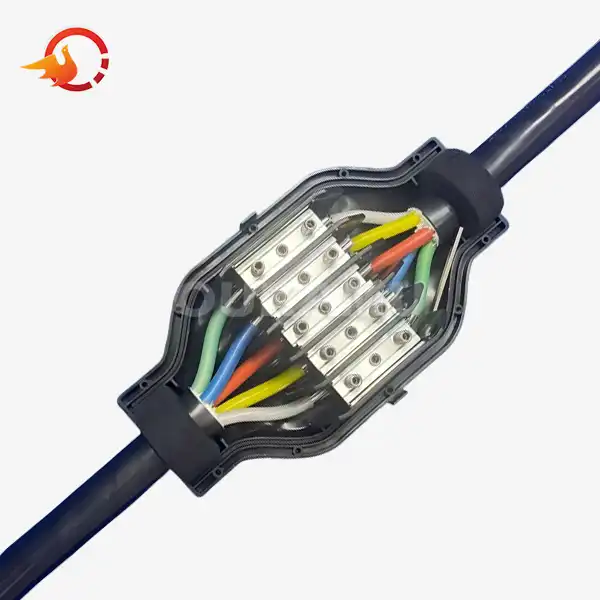
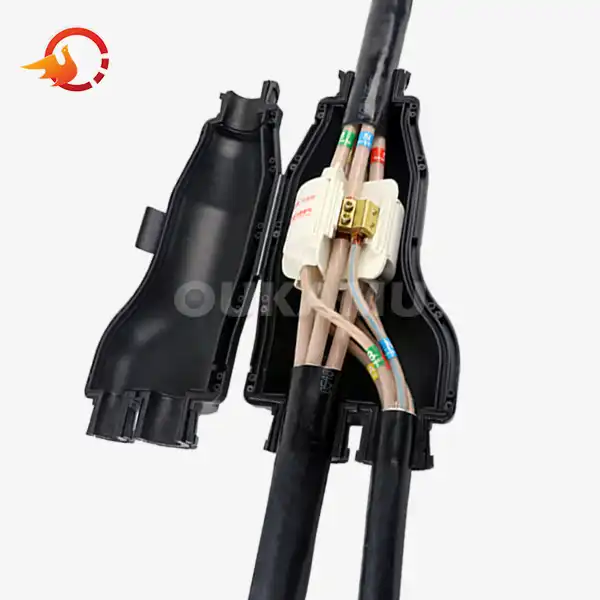
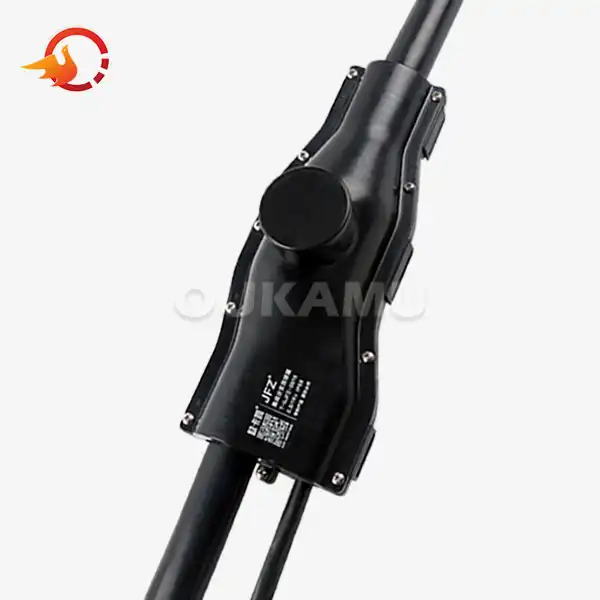
In the last twenty years, cable hookup methods have changed a lot. In modern Cable Resin Joint branch connections, soundproofing, flame retardancy, and environmental protection are all built into a single, small unit. For these joints, special polymer substances are used that harden into a shield around the electrical connection point. The technology lets the installation happen on-site at any point along the main wire. This means that branch sites don't have to be planned ahead of time, and the trunk line doesn't have to be cut. This adaptability comes in handy for business buildings, factories, and infrastructure projects where the end locations of equipment may change while the building is being built.
Typical Service Life Expectations for Different Joint Types
Electrical plugs have very different useful lives depending on how they are designed and how they are used. Most of the time, cold-cure Cable Resin Joint units last between 15 and 25 years in normal business settings. Heat-cure versions may increase this range to 20 to 30 years because they have better molecule cross-linking, which makes them more resistant to changes in temperature and mechanical stress. Cold shrink options last about as long, but they are installed in different ways. According to data from electrical distribution projects, joints that are properly installed and used in controlled indoor environments usually last longer than 25 years. On the other hand, joints that are installed outside or in industrial settings that are exposed to more environmental factors only last 15 to 20 years before they need to be inspected or replaced.
Key Factors That Influence Joint Longevity
The environment has a big effect on how long a connection lasts. Material breaks down faster when it is exposed to UV light, high temperatures, water, and chemical toxins. Over time, mechanical forces like wire movement, vibration, or bad support can also damage the stability of joints. Another important factor is the quality of the materials used. Premium-grade resins keep their electrical and mechanical traits longer than economy-grade resins because they age better and are more flexible. Installing something correctly has a big effect on how well it works. Preparing the surface, making sure it cures in the right way, and following the manufacturer's instructions all affect how long a joint lasts and whether it breaks early. When buyers know about these factors, they can choose goods that are best for their unique working conditions.
Installation and Maintenance Practices That Prolong Cable Joint Life
The useful life of Cable Resin Joint units is directly increased by using the right installation methods and performing regular repair procedures. Many early failures are caused by mistakes that could have been avoided during installation or by not following through with normal inspections. Putting money into good construction methods and setting up maintenance plans pays off in a big way: less downtime, lower replacement costs, and more reliable systems.
Essential Installation Steps for Maximum Durability
Preparing the area carefully is the first step to getting the best joint performance. Cleaning the wire insulation well gets rid of any dirt or dust that might make it less adherent or create weak spots in the electrical barrier. Temperature and humidity during installation have a big impact on hardening. For example, most Cable Resin Joint systems perform best when put between 15°C and 30°C and when the relative humidity is less than 85%. If you hurry the drying process or leave partially healed joints out in the rain, they become weak and the service life is shortened. Some common mistakes people make are not mixing two-part systems well enough, not giving the seal enough time to dry, and putting too much mechanical stress on the seal before it's fully cured. Long-term dependability is built on carefully following the manufacturer's instructions and giving the product enough time to cure.
Routine Inspection Protocols and Warning Signs
Setting up regular review times helps find problems as they start to grow before they become fails. Visual inspections should be done every 12 to 18 months in normal situations and once a year in tough ones to find early signs of wear and tear like surface cracks, darkening, or moisture tracks. Thermal imaging scans can show hot spots that mean links are breaking down and causing more resistance.
Cracks that let conductor material show, corrosion or water stains that show moisture getting in, soft or tacky resin surfaces that mean the resin hasn't fully cured or is being attacked by chemicals, and charring or melting that means the electrical is getting too hot are all physical signs that need immediate attention. If you act quickly on these warning signs by doing targeted fixes or planned replacements, you can avoid catastrophic breakdowns and the costs that come with them.
Maintenance Tools and Techniques That Extend Service Life
Maintaining Cable Resin Joint links doesn't need a lot of special tools, but it does help to do it in a planned way. Standard maintenance kits come with inspection mirrors to see through surfaces that aren't clear, digital multimeters to check for continuity, infrared thermometers to keep an eye on temperatures, and wetness meters to find water leaks.
Cleaning dust and other particles off of joint surfaces with dry compressed air or soft brushes stops wetness from staying and lowers the risk of surface tracking. Protecting the environment with extra UV-resistant coatings or safe shelters makes outdoor joints last a lot longer. Documentation methods that keep track of installation dates, inspection results, and weather conditions allow for predictive maintenance plans that choose the best time for repair and cut down on unplanned outages.
Comparing Cable Resin Joints to Alternative Joint Types
Depending on the needs of the product, the installation conditions, and the expected performance, different jointing methods offer different benefits. Knowing these differences helps procurement teams choose Cable Resin Joint options that meet technical requirements, stick to budgets, and meet business needs. When comparing two things, you can see when these joints work best and when maybe another method would work better.
Performance Characteristics Across Joint Technologies
Heat shrink joints are great for closing out the environment and aren't too hard to install. They usually last between 15 and 20 years and are very resistant to UV light and wetness. Cold shrink choices don't need a heat gun, so they offer the same level of performance with less installation skill and faster application. Gel-filled joints are better at keeping water out for direct grave uses, but they may need to be checked more often in high-temperature areas. Mechanical connections can be taken apart in the future, but they usually only last 10 to 15 years because they can become loose from thermal cycles. Cable Resin Joint branch connectors are different because they can be installed without damaging the main cable. They also have flame-retardant and fire-resistant qualities that make business and industrial settings safer.
Cost-Efficiency and Total Ownership Considerations
The initial buy price is only one part of the total cost of the job. With Cable Resin Joint branch connectors like the ZR-JFZ-95/35 model, you only need two to three meters of main wire per connection point. This saves you material right away, which helps to partly cover the cost of the connector. Another benefit of efficient installation is that techs can make branch connections without cutting the main wire or reserving specific lengths. This cuts down on labor hours and installation mistakes.
Because modern systems can be used again and again, they can be rearranged as the needs of the building change without having to replace whole wire runs. Low maintenance costs are kept up by strong building and complete insulation that doesn't break down in harsh environments. When you look at the total cost of ownership over the expected 20–25-year service life, you can see that quality resin joints often offer better value, even if they may cost more up front than basic mechanical options.
Suitability for Different Voltage Ranges and Environments
Technology choices are based on the needs of the application. Low-voltage networks that work at 0.6/1kV, like business building distribution systems, can benefit from small Cable Resin Joint units that protect everything while taking up little room. The ZR-JFZ-95/35 model is designed to meet the needs of this market group. It can handle main cables from 35mm to 95mm and branch cables from 2.5mm to 35mm, and it fully meets the requirements of GB/T 14048.7-2016.
Because they have built-in safety features, these joints are perfect for industrial settings that need flame retardancy, fire resistance, and chemical tolerance. For outdoor or direct grave uses that need better moisture shields, gel-filled or specially made resin systems work better than regular heat shrink options. When you match joint technology to the working climate and electrical requirements, you get the best performance and the longest service life.
Procurement Considerations: Ensuring Long-Term Value
When making strategic Cable Resin Joint purchases, you have to weigh the needs of the current project against the needs of long-term business goals. Structured evaluation methods that look at technical fit, seller skills, quality guarantees, and total value proposition are helpful for people who buy electrical goods, run stores, or work on procurement projects. Doing your research before buying something keeps you from making mistakes that cost a lot of money and helps you build relationships with sellers who can meet your ongoing operating needs.
Matching Joint Specifications to Cable and Environmental Requirements
To write a good blueprint, you need to know a lot about the installation conditions. The most important technical factor is that the cable sizes must be compatible. The Cable Resin Joint must be able to handle both the main and branch wire sizes within their rated ranges. The voltage values must be equal to or greater than the system's working voltages, with enough room for error. Extreme temperatures, water exposure, chemical contaminants, and UV rays are some of the environmental factors that decide what protection qualities are needed.
The ZR-JFZ-95/35 model is an example of a purpose-built design. It has specs for main cables 35–95mm and branch cables 2.5–35mm at 0.6/1kV. It is also flame-retardant, fire-resistant, and waterproof, so it can be used in a wide range of business and light industrial settings. To make sure it works with current infrastructure and meets regulatory needs, procurement teams should ask for full specification sheets and check that they are in line with relevant regional standards.
Supplier Certifications and Quality Assurance Protocols
When evaluating a supplier, more than just the specs of the product is taken into account. Manufacturing skills, quality systems, and technical support facilities are also looked at. Suppliers with a good reputation keep their international quality standards badges up to date and go through regular compliance checks. With 20 years of experience focusing in Cable Resin Joint technology, Xi'an Oukamu Electric Co., Ltd. shows this commitment through products that meet GB/T 14048.7-2016 standards and strict quality control methods.
Professionals in charge of buying things should ask for proof of approval, look over the testing methods, and see how quickly the seller responds to technical questions. Companies that offer OEM services show that they can make things in a variety of ways and focus on the needs of their customers, so they can meet the unique needs of each job. Building relationships with technically skilled sellers who offer quick help lowers project risks and makes it easier to solve problems during installation.
Pricing Dynamics and Volume Purchasing Benefits
When it comes to the Cable Resin Joint market, pricing tactics are based on things like the cost of materials, how hard they are to make, their technical features, and how they compare to their competitors. Standard catalog prices give you a starting point, while volume savings encourage bigger purchases that cut down on seller fees and boost production efficiency. When you negotiate the terms of multi-project deals or set up relationships with chosen vendors, you can often get better prices than just volume discounts.
Lead time affects project timing; sellers that keep enough goods on hand can make deliveries faster, but unique designs may need longer manufacturing times. The balance between price and overall value includes things like how reliable the product is, how technical help is provided by the seller, the terms of the guarantee, and how easy it is to get a replacement. Purchasing things more efficiently and lowering long-term costs is easier when you work together with sellers who understand your business needs and offer clear pricing.
Future Trends and Innovations Impacting Cable Joint Lifespan
New technologies and changing business practices are expected to make Cable Resin Joint connectors last longer and add new features that will make system control and stability better. By keeping up with these changes, procurement and engineering teams can make improvements that give them a competitive edge and protect infrastructure assets for the future.
Advanced Resin Formulations and Material Science
Polymer chemistry research is still going on, and the results are Cable Resin Joint combinations that work better. New formulations focus on making materials more flexible across a wider range of temperatures. This lowers the stress-related cracks that can happen after decades of thermal cycles. Better UV protectors keep insulation from breaking down over time, which shortens its useful life outside.
As concerns about the environment become more important in buying choices, materials that are eco-friendly and meet stricter environmental rules become more popular. Nanomaterial additions make things stronger and more electrical while keeping or lowering their weight. All of these improvements bring projected service lives closer to the higher end of current numbers. Eventually, premium items placed in good conditions may have longer standard lifespans than 30 years.
Smart Monitoring and Predictive Maintenance Integration
The addition of sensor technology to Cable Resin Joint systems is a huge step forward for managing infrastructure. Integrated temperature sensors keep an eye on the working conditions all the time, so they can find hot spots early on, before they cause problems. Joint parts have humidity sensors that let repair teams know when there are holes that could let moisture in. Monitoring data is sent to central management systems via wireless communication, which makes remote repairs easier and gets rid of the need for physical inspections.
Predictive maintenance programs look at data that shows patterns to guess how long something will last and figure out the best time to replace it. By intervening at just the right time, these smart systems cut down on unexpected downtime, increase asset utilization, and lower lifetime costs. As Internet of Things technologies get better and cheaper, smart tracking will move from being a niche feature to being used in most businesses.
Conclusion
If you choose, install, and take care of your Cable Resin Joint correctly, they will last 15 to 30 years. When buying teams know what affects longevity, like the climate, the quality of the materials, how they are installed, and how they should be maintained, they can make decisions that lower the total cost of ownership. Modern branch connection technology, shown by high-tech types like the ZR-JFZ-95/35, has many benefits, such as being easy to install on-site, offering complete protection, and running costs that are low. Future generations of resin joints will have even longer service lives and better operating intelligence as material science progresses and smart tracking tools become available. Strategic buying that focuses on quality goods, reliable suppliers, and preventative upkeep builds electricity infrastructure that works well for many years.
FAQ
How Often Should Cable Resin Joints Be Inspected?
How often you inspect relies on the environment and how important the program is. Every 18 to 24 months, visual checks are a good idea for standard Cable Resin Joint business indoor setups. Every year, checks should be done in industrial settings where people are exposed to heat, chemicals, or pressure. Because the environment is more stressful, devices that are outside or that are buried directly need to be checked every year. Every year, no matter the environment, critical infrastructure that supports necessary activities should be inspected. Every three to five years, regular thermal imaging scans find electrical problems that can't be seen with the naked eye. This lets problems be fixed early, before they become major.
What Environmental Factors Most Significantly Affect Joint Lifespan?
Temperature changing causes materials to expand and contract, which puts stress on the connections between conductors and resins. Long-term exposure to temperatures above the stated specs speeds up the breakdown of chemicals. Moisture getting into insulation weakens it and lets electrolytic breakdown happen. UV light breaks down polymer chains in outdoor setups that don't have coverings that protect them. Resin compounds are broken down by chemicals that come from industrial processes or dirty soil. Vibrations from close machines or traffic can break links and make machines wear out. By doing a proper environmental review during the buying process, you can be sure that the joints you choose have the right protective properties for the fitting circumstances.
When Should a Cable Resin Joint Be Replaced Rather Than Repaired?
When looking closely, you can see cracks in the conductor material or signs of arcing, like carbonized tracking or melted glue. This means that the wire needs to be replaced. If rust or water buildup show that moisture is getting in, the seals need to be replaced because they can't be fixed consistently. If thermal imaging shows continuous hot spots above normal working temperatures, it means that the connections are breaking down and need to be replaced. In important applications, joints that are getting close to or past their projected service life should be replaced before they break during planned maintenance windows. Minor surface cracks that don't expose the conductor may allow the operation to continue with more careful tracking, but repair gives you more confidence in the reliability and takes away the guesswork about how long the service will last.
Partner with Oukamu for Premium Cable Connection Solutions
Picking the correct Cable Resin Joint manufacturer can affect the success of the project and the costs of running it in the long term. After twenty years of focusing on it, Oukamu is a master in branch cable technology and makes goods that are both technically advanced and easy to install. Our ZR-JFZ-95/35 model is a great example of this dedication because it can be easily installed on-site without having to cut any main wires. It also has full flame-retardant and waterproof qualities and meets all international safety standards.
We work with stores that sell electrical goods, engineering contractors, and industrial repair teams that need reliable solutions at low prices and quick expert help. With our OEM capabilities, we can meet the special needs of each job. Email our technical team at info@okmbranchcable.com to talk about your unique application, get full specification sheets, or look into ways to buy in bulk. Check out our full line of products at okmbranchcable.com and learn how working with an experienced supplier can help your infrastructure projects.
References
1. Institute of Electrical and Electronics Engineers, "Standard for Testing and Performance of Cable Accessories for Medium Voltage Distribution Systems," IEEE Standards Publication, 2019.
2. International Electrotechnical Commission, "Cable Joints for Power Cables with Extruded Insulation—Test Methods and Requirements," IEC Technical Report 61442, 2020.
3. Smith, R. and Johnson, P., "Long-Term Performance Evaluation of Polymeric Cable Accessories in Distribution Networks," Journal of Electrical Engineering, Vol. 45, No. 3, 2021, pp. 178-195.
4. National Electrical Manufacturers Association, "Cable Connection Systems: Design, Installation, and Maintenance Best Practices," NEMA Technical Guide WC 71, 2022.
5. Thompson, M., "Environmental Aging of Electrical Insulation Materials: Mechanisms and Service Life Prediction," Materials Science in Electrical Systems, Cambridge University Press, 2020.
6. Zhang, L. and Wilson, K., "Advances in Cable Jointing Technology for Low and Medium Voltage Applications," Proceedings of the International Conference on Power Distribution Systems, Singapore, 2023, pp. 412-428.