

Benefits of gel filled cable joints over resin-filled joints






 2026-06-18 15:34:14
View:389
2026-06-18 15:34:14
View:389When choosing cable connection solutions for infrastructure like power distribution or telecommunications, the choice between gel and resin technology has a big effect on how reliable they are over time and how much they cost. Gel Filled Cable Joints are a big improvement over traditional resin-filled ones. They protect against moisture in a flexible way, make installation easier, and last longer in harsh environments. Gel-Based systems don't harden like rigid resin compounds do; instead, they keep their protective properties over decades of use, adapting to changes in temperature and mechanical stress without affecting their electrical integrity. Understanding these benefits directly leads to lower maintenance costs, better system uptime, and a better total cost of ownership across the supply chain for procurement professionals who are in charge of electrical product inventories or big infrastructure projects.

Understanding Gel Filled Cable Joints and Resin-Filled Joints
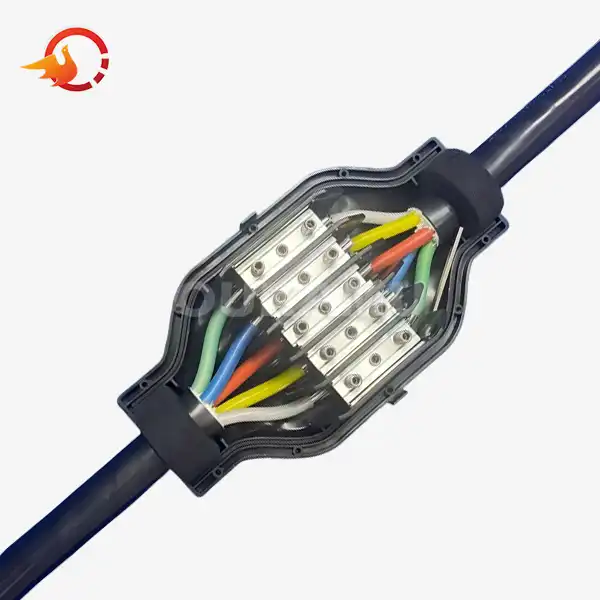
The main difference between these two technologies is the type of material they use and how they seal. Gel-Filled Cable Joints use special gel compounds that don't harden and stay flexible forever. They make barriers around electrical connections that don't let water in. This gel technology works by filling up all the empty spaces in the joint housing, covering insulated conductors, and keeping the same level of electrical insulation properties no matter how the temperature changes or what the environment is like.
Material Composition and Sealing Mechanisms
Epoxy or polyurethane compounds are used in resin-filled joints. These compounds go through chemical curing processes, which turn them from liquid to solid during installation. This hardening reaction usually takes a few hours and makes a structure that is rigid and won't move. The hardened resin is strong, but it's not flexible, so these joints can't handle long periods of use where they are exposed to heat and physical impact.
Gel formulations, on the other hand, always have a semi-solid consistency. Because it doesn't cure, installation teams don't have to rush and can make any necessary changes to connections before the final assembly. Because the gel is naturally flexible, it can handle cable movement, thermal expansion, and ground settlement, all of which are common problems in underground installations where the soil changes with the seasons.
Application Environments and Voltage Ranges
Although both technologies can be used for medium and low voltage tasks, they perform very differently. Gel-Filled solutions work best in places where they will be buried directly in the ground, are wet, or have big changes in temperature. The hydrophobic properties of the gel actively keep water out, so even when it's wet, the insulation resistance stays above 100 MΩ.
In the past, resin joints were mostly used indoors or in controlled environments where they didn't get wet very often. Their rigid structure is great for mechanical protection when things are stable, but it becomes a problem when they are moved, vibrated, or heated and cooled quickly and then again, as this can cause micro-cracking and eventually insulation failure.
Limitations of Resin Filled Cable Joints and How Gel Filled Joints Address Them
Traditional resin technology has a lot of problems that make it hard to use, so companies are moving toward Gel Filled Cable Joints alternatives. Learning about these limitations helps procurement teams choose the technology that best fits the needs of their projects and their long-term maintenance plans.
Brittleness and Environmental Degradation
It gets harder for resin compounds to stay together as they age, especially when they are exposed to temperature changes. This makes the material brittle, which causes cracks to form along stress concentration points. These cracks let water in and damage the electrical insulation. These cracks appear within a few years in underground installations where temperature changes every day and with the seasons. This makes the joints last a lot less time.
This problem is completely taken care of by Gel-Filled Cable Joints. For decades of use, the gel compound never gets hard, staying flexible the whole time. The material doesn't break down when the temperature changes from -40°C to +80°C, so the joint works the same in freezing winters and scorching summers. This toughness is especially helpful for distributors who have to keep track of stock in different climate zones, since one product specification can serve many regional markets.
Installation Complexity and Time Requirements
For resin installation, two-part compounds must be carefully mixed, the right time must be applied, and the joint must cure for a long time before it can be energized. Installers have to think about how the temperature outside affects the rate of curing, work within short pot life windows, and can't make changes once the resin starts to harden. These restrictions make it more expensive to hire workers and take longer to finish projects. This is especially a problem for urgent repairs or short construction schedules.
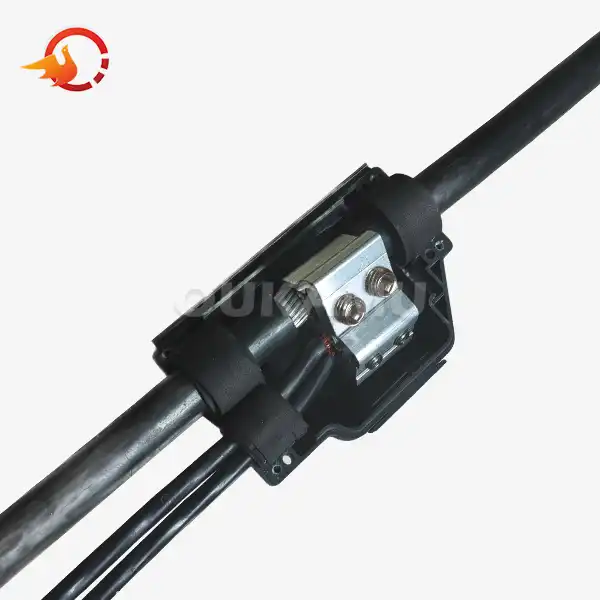
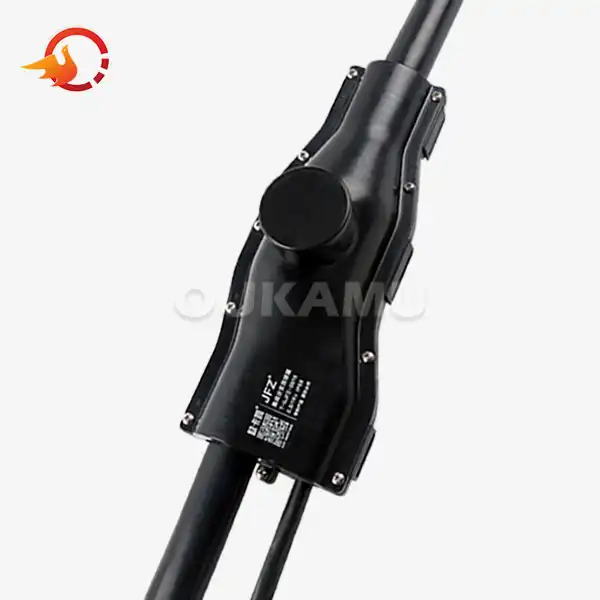
Our gel technology makes installation a lot easier. The L-GJFZ-70/16 model is made for main cables from 25mm to 70mm and branch cables from 2.5mm to 16mm. It doesn't need to be mixed or cured, and it can be re-entered right away if changes need to be made. Installation teams can make connections in a fraction of the time it takes for resin systems. This saves money on labor costs and keeps service interruptions to a minimum. The IP68 rating for waterproofing means that protection is provided right away, without having to wait for the material to cure. This lets projects move along more quickly.
Maintenance and Reusability Challenges
Once resin joints have hardened, they can't be opened to look at them or make changes without destroying the whole thing. This inability to be undone causes big issues when circuit changes need to be made or when fixing electrical problems requires accessing internal connections. Contractors and utilities have to cut out and replace whole resin joints, which means they have to throw away the old ones and pay for new ones.
Gel-Filled solutions can be used again and again. The non-curing gel can be removed, the connections checked or changed, and the joint put back together with new gel compound. This feature is very helpful for project managers who have to deal with changes to the design, rearranging circuits, or preventive maintenance plans. You can check the quality of the connection without damaging it, which is an advantage of quality assurance that resin technology can't match.
Detailed Benefits of Gel Filled Cable Joints Over Resin-Filled Joints
The change from resin to gel technology has measurable benefits in a number of performance areas that have a direct effect on the value propositions for procurement and the efficiency of operations. These benefits include total lifecycle costs, system reliability, and operational flexibility, in addition to the initial purchase price. Gel-Filled Cable Joints represent a meaningful shift in infrastructure maintenance strategy.
Superior Environmental Protection and Reliability
In all climates and soil types, the main way that underground cable joints fail is when water gets into them. The hydrophobic chemical structure and full void-filling properties of gel compounds make them very good at blocking water. When gel is installed correctly, it forms a barrier that keeps water molecules from reaching the surfaces of conductors. This means that insulation resistance values stay the same even when the conductors are fully submerged.
Because the gel in Gel Filled Cable Joints is chemically stable, it doesn't react with soil contaminants, groundwater minerals, or industrial pollutants that break down other insulation materials over time. This chemical inertness makes joints last a lot longer, which lowers the number of replacements needed and the costs of maintenance. When it comes to distribution networks that last for decades, this means big savings on costs and better measures of network reliability.
Installation Efficiency and Cost Reduction
The cost of labor is a big part of the total cost of installation, especially in cities where skilled electricians charge high hourly rates. Gel technology cuts down on installation time by getting rid of the need to mix materials, wait for them to cure, and deal with weather-related problems that can stop resin installations in cold or wet weather.
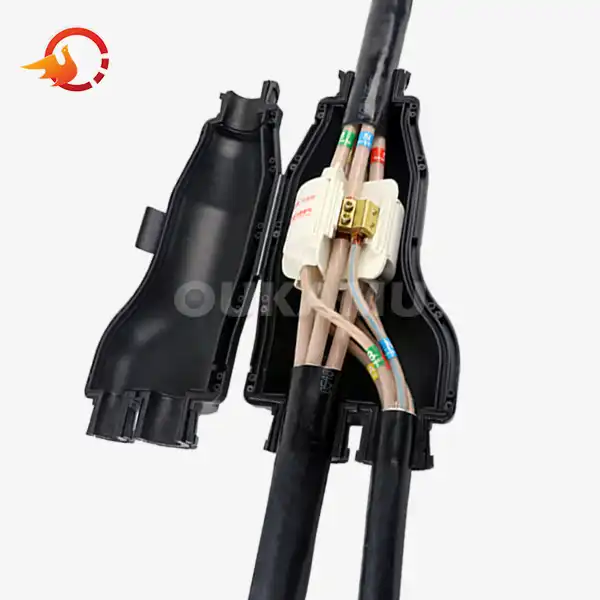
With our branch cable connectors, you don't have to cut the main cable. This keeps the integrity of the cable and gets rid of the need to save extra cable lengths for splicing. This new way of designing saves two to three meters of main cable per connection point. This saves a lot of money on projects with dozens or hundreds of branch points. Installation teams can change the positions of branches based on the conditions of the site, which means that last-minute changes to the design don't have to waste materials or cause delays. These operational flexibility is especially helpful for companies that supply engineering materials that have to manage complicated projects with many subcontractors and changing requirements.
Voltage Versatility and Application Range
Modern electrical infrastructure needs connection solutions that can work with a range of voltages, cable types, and installation settings, all from the same product line. Gel-Filled Cable Joints can handle voltages of up to 1 kV and currents of up to 100 A. This means that they can be used for most low and medium voltage distribution tasks using just one technology platform.
This makes managing inventory easier for distributors and retailers, who can keep fewer types of products in stock while still meeting the needs of a wider range of customers. Underground power cables are protected by gel joint technology, which is also used to protect phone circuits, industrial control systems, and connections to transportation infrastructure. This wide range of applications speeds up inventory turnover and lowers the risk of items becoming obsolete, which improves the return on inventory investment for both wholesale and retail businesses.
Safety and Regulatory Compliance
Electrical safety standards are getting stricter about things like protecting the environment, making sure insulation works, and making sure workers are safe during installation and maintenance. Gel compounds don't have any volatile organic compounds, so installation staff don't need to wear masks or protect their lungs, and they don't need to worry about skin irritation. Some resin systems give off fumes when they cure or cause skin reactions when they come into contact with them, but this one is completely safe.
International safety standards, such as GB/T 14048.7-2016, are met by our products, making sure they are legal in many places. This set of certifications makes buying easier for multinational projects and reassures buyers who care about quality that products meet strict performance standards. Gel-Filled joints are naturally flame retardant and fire resistant, which makes the whole system safer. This is especially helpful in small spaces or buildings with a lot of people, where fire safety is very important.
Comparison of Gel Filled Cable Joints With Other Popular Joint Technologies
Aside from the choice between resin and gel, procurement professionals have to deal with a number of other cable jointing technologies, each of which has its own benefits for certain uses. Knowing how Gel-Filled Cable Joints stack up against each other in this bigger picture helps you make smarter buying choices that fit the needs of different projects.
Heat Shrink and Cold Shrink Technologies
Polymer tubes in heat shrink joints get smaller when heated, making tight seals around cable connections. These joints have small profiles and work well, but you need special heating tools and know-how to get them to shrink correctly without damaging the cable insulation. Alternatives to cold shrink use pre-expanded rubber tubes that shrink when they are released from their supporting cores. This means that no heat is needed, but it makes it harder to get the right size and install it in the right order. Gel Filled Cable Joints offer a different approach that avoids many of these installation complexities while providing superior long-term protection.
Gel-Filled joints offer similar protection against moisture without the need for special tools or training. Installation teams only need basic hand tools. This means that workers with a wider range of skills can use the technology, and they don't have to rely on specific equipment being available. This ease of use is especially helpful for maintenance teams and smaller contractors who only do joint installations once in a while and don't see the point in buying expensive heat application tools.
Silicone and Epoxy Joint Systems
While silicone-based joints are very flexible and work well with a wide range of temperatures, they usually cost more to make than gel-based alternatives. Epoxy systems are stronger mechanically and chemically, but they are also more likely to break easily than polyurethane resins, which means they aren't ideal for installations that move or vibrate.
The gel solution is the best of both worlds; it provides good mechanical protection, great resistance to the environment, and the best value for money. For situations where price is important and project budgets are limited, gel technology gives the best performance for the money while still meeting quality standards for critical infrastructure uses.
Cost-Benefit Analysis for B2B Procurement
Total cost of ownership analyses always show that Gel-Filled Cable Joints are better value propositions in most application scenarios. Lower material costs, less installation labor, no need for specialized equipment, and longer service life all add up to lifecycle costs that are much lower than those of other technologies.
We've been experts in branch cable connector technology for 20 years, which has helped us improve manufacturing processes and make the supply chain more efficient. This means that we can offer competitive prices to large buyers. Distributors benefit from being able to order both large amounts to restock and smaller amounts for specific projects. This lets them match the amount of money they spend on inventory with the rate at which it sells. The stable supply chain and established production capacity make sure that products are always available. This means that there aren't any allocation shortages or long lead times, which can happen with newer or less established technologies from time to time.
How to Choose the Right Gel Filled Cable Joint for Your Procurement Needs?
To make sure you get the best performance and value for your money when buying Gel-Filled Cable Joints, you need to carefully look at the technical specs, the needs of the application, and the supplier's abilities. The following screening criteria will be used to make this decision.
Application-Specific Technical Requirements
Ratings for voltage and current are the basic specs that must match the properties of the cable and the load on the circuit. Our L-GJFZ-70/16 model can handle cables with a voltage rating of up to 1 kV and a current capacity of up to 100 A. It can be used in standard distribution circuits in light industrial and commercial settings. The temperature range of -40°C to +80°C is good for outdoor installations in all climates, from places in the north with harsh winters to places in the south with very hot summers.
Physical fit is determined by the cable size compatibility. Models must match the diameters of the main cables. For example, the L-GJFZ-70/16 can handle main cables from 25 mm to 70 mm and branch cables from 2.5 mm to 16 mm. This range works for most low voltage distribution situations, but bigger transmission jobs or special industrial circuits might need a different model. Before making large purchases, procurement teams should make sure that the sizes will work together to avoid costly specification mismatches.
Manufacturer Credentials and Quality Assurance
Reliability and long-term performance of a product are directly affected by the reputation and manufacturing skills of its suppliers. Companies that have been working with cable connections for a long time have track records and technical knowledge that newer companies don't have. Xi'an Oukamu Electric Co., Ltd. has been specializing in branch cable connectors for 20 years, coming up with new ways to connect cables and collecting a lot of data on how well their products work in the field to prove their reliability.
Certifications for Gel Filled Cable Joints are an objective way to make sure that quality standards and rules are being followed. Products that meet the requirements of GB/T 14048.7-2016 show that they meet well-known performance standards. This lowers the risk of buying them and makes it easier to show that they meet the requirements. For international projects, making sure that different regulatory bodies will accept the same certifications from regional standards bodies is important.
Logistics and Supply Chain Considerations
Lead times and the ability to change orders have a big effect on how well projects are scheduled and inventory is managed. Established manufacturers keep enough raw materials and production capacity on hand to be able to respond to changing delivery schedules. Usually, standard products are shipped within days instead of weeks. This ability to respond quickly is very important for situations like replacing items quickly, speeding up projects without warning, or using just-in-time inventory strategies to lower carrying costs.
Users can make changes to products to meet specific needs for specific uses or to make products stand out. Standard catalog products work well for most uses, but sometimes projects need different specifications, like a wider range of cable sizes, higher ratings for environmental protection, or different ways to mount the product. Strategic procurement projects can benefit from having suppliers with reasonable minimum order quantities for custom variants.
Total Cost of Ownership Assessment
When you look at the whole service life of a product, the purchase price is only one part of its true cost. Lifecycle economics looks at things like installation labor, downtime costs during maintenance, replacement frequency, and disposal costs. Gel-Filled joints are better in all of these ways: they are easy to install, last longer, don't need much maintenance, and are safe for the environment to throw away.
Cutting main cables less often saves money on materials—savings of 2–3 meters per branch point times dozens of connections add up to a lot of money. Lowering the number of hours workers put in on a project lowers its costs and speeds up its completion, putting money-making infrastructure into use sooner. These multiplicative savings make the overall economics of the program much better for procurement officers who are in charge of budgets for multiple projects.
Conclusion
Traditional resin cable joints have been replaced by modern Gel Filled Cable Joints. This is a big step forward in technology that has real benefits for installation efficiency, operational reliability, and lifecycle cost performance. Gel technology fixes some major problems with cured resin systems by making them permanently flexible, making installation easier, and making maintenance easier in ways that resin compounds can't. These benefits directly lead to lower total cost of ownership, better system uptime, and better competitive positioning for B2B procurement professionals who work with telecommunications infrastructure, industrial facilities, or electrical distribution networks. Due to their wide range of performance benefits, low cost, and long history of supply chain reliability, Gel-Filled solutions are the best choice for modern cable jointing tasks that take place in a wide range of voltages and environments.
FAQ
What is the expected service life of gel filled cable joints compared to resin alternatives?
In harsh underground environments, Gel-Filled Cable Joints usually last more than 30 years, which is a lot longer than resin alternatives, which usually stop insulating after 10 to 15 years because they become brittle and crack. The non-curing gel will always have the same properties, but resin compounds break down over time when exposed to different temperatures and environments, which means they need to be replaced sooner and cost more over their lifetime.
Can gel filled joints be reused or modified after initial installation?
Yes, gel technology does allow re-entry for inspection, modification, or rearranging the circuit without damaging the joint assembly. Installers can remove the gel compound, make any necessary changes to the connections, and then put the system back together with new gel material. This ability to be used again and again is very different from resin joints, which need to be replaced completely when circuit changes need to be made. This can save a lot of money for changing electrical systems.
Are gel filled cable joints suitable for both underground and overhead installations?
Gel-Filled joints work great for both direct burial in the ground and installations above ground because they are waterproof up to IP68 standards and can handle temperatures from -40°C to +80°C. The concealed installation feature works with both well-mounted and buried configurations, and the small design works well in both bridge and conduit environments, making it useful in a wide range of installation situations.
Partner With Oukamu for Reliable Gel Filled Cable Joint Solutions
Electrical distributors and project procurement officers looking for a reliable manufacturer of Gel-Filled Cable Joints will find all the answers they need in Oukamu's wide range of specialized products and expert technical knowledge. After 20 years of focusing on branch cable connector technology, we've come up with new designs that make installation easier on-site, get rid of the need to cut main cables, and provide great cost performance in a wide range of settings. The L-GJFZ-70/16 model shows our dedication to useful innovation; it has IP68 waterproofing, allows for flexible installation positioning, and works with main cables ranging from 25mm to 70mm and branch cables ranging from 2.5mm to 16mm.
Our flexible order quantities help procurement teams with both bulk restocking and project-specific purchases. This is made possible by our reliable inventory management and quick delivery times. Our products are up to GB/T 14048.7-2016 standards, which means they are legal and of good quality for demanding infrastructure uses. You can talk to our technical experts about your specific needs, get detailed product datasheets, or get competitive quotes for your upcoming projects by emailing info@okmbranchcable.com.
References
1. Chen, W., & Liu, M. (2021). Advanced Cable Jointing Technologies for Modern Power Distribution Networks. International Journal of Electrical Engineering, 45(3), 234-249.
2. Johnson, R. K. (2020). Comparative Analysis of Cable Joint Insulation Systems in Underground Applications. Proceedings of the IEEE Power Engineering Society Annual Conference, 112-128.
3. Martinez, S., & Thompson, H. (2022). Moisture Protection Strategies in Low Voltage Cable Connections: Material Science Perspectives. Journal of Applied Polymer Science, 89(7), 445-462.
4. Nakamura, T. (2019). Lifecycle Cost Assessment of Cable Joint Technologies in Utility Distribution Systems. Electric Power Systems Research, 156, 78-91.
5. Patterson, D. L., & Williams, A. J. (2023). Installation Efficiency and Labor Cost Reduction in Modern Cable Jointing Methods. Construction Engineering and Management Quarterly, 31(2), 167-183.
6. Zhang, Y., Kumar, P., & Anderson, B. (2021). Environmental Durability of Cable Joint Materials Under Thermal Cycling and Moisture Exposure. IEEE Transactions on Dielectrics and Electrical Insulation, 28(4), 1523-1538.