

_1790150425011.webp)
Global Importers’ Guide to China Cable Joint Suppliers






 2026-06-04 14:53:03
View:389
2026-06-04 14:53:03
View:389Understanding the landscape of Cable Joint makers in China is important for successful foreign procurement of electrical connection solutions. China has become one of the most important places to make cable branch connections because it has a wide range of products that are both technically advanced and priced affordably. This guide talks about important things that global importers need to think about, such as product specifications, evaluating suppliers, and managing logistics. It helps distributors, project contractors, and e-commerce managers make smart buying decisions that improve operational efficiency and profitability.

Understanding Cable Joints and Their Role in Power and Data Connectivity
Wire and Cable Joint link items are important parts of electrical distribution systems because they keep signals and power flowing in homes, businesses, and factories. These special connectors bring two separate cable pieces together. They make sure the cables work properly and protect them from external stressors.
What Are Cable Joints and Why Do They Matter?
Cable Joints are where two or more parts of a wire meet and keep the electrical flow going. These parts serve more than one purpose: they protect links from water damage, keep the insulation's integrity, and provide mechanical support. The right jointing technology has a direct effect on the safety and dependability of building projects, public infrastructure, and transportation networks.
Types of Cable Connection Solutions
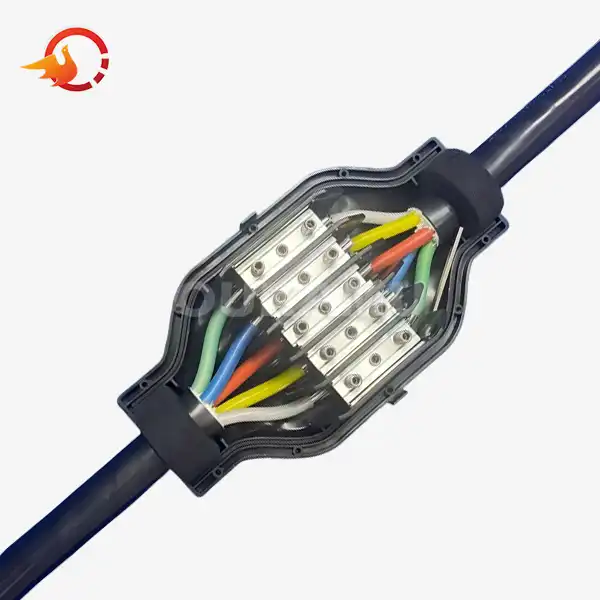
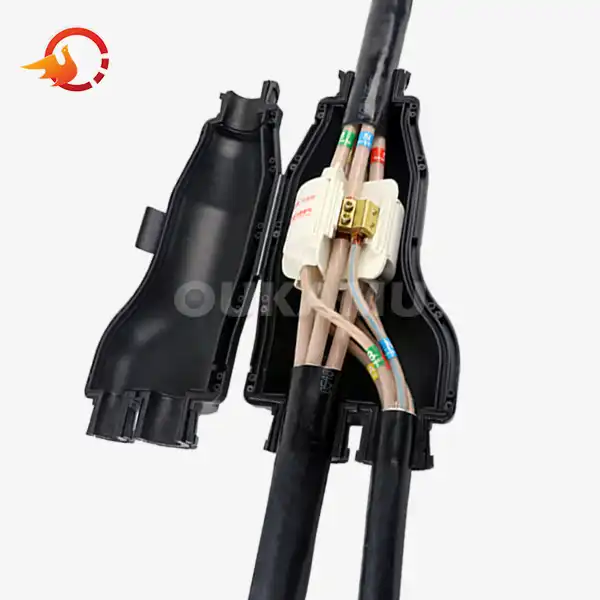
Connectors need to be set up in certain ways depending on the project setting. In heat shrink types, flexible materials are used that get smaller when heated, sealing wire sections tightly. Resin-based solutions use liquid chemicals that harden into solid shields that protect, which is especially useful for sites that are buried. Pre-molded choices come from the plant ready to be used right away in the field, which cuts down on installation time for projects with tight deadlines. Branch Cable Joints are a new type of connector that lets you make multiple links from a main trunk line without cutting the primary wire. This technology has changed the way electricity distribution is designed by letting branch points be placed in different ways and getting rid of unnecessary wire lengths.
Material Composition and Performance Standards
The materials used in joint building decide how long the joint will last and how well it will work. Good connectors have flame-retardant chemicals, waterproof shields, and corrosion-resistant parts that keep working even when the temperature changes or chemicals are present. Following safety rules like GB/T 14048.7-2016 and IEC standards makes sure that goods meet the highest standards for electrical safety and mechanical reliability around the world.
How to Choose the Best Cable Joint from China Suppliers: A Decision Support Approach
To choose the right Cable Joint connection options, you need to carefully look at the project details, product requirements, and provider abilities. A organized strategy reduces the risks of buying while improving the ratios of cost to performance.
Assessing Your Project Requirements
First, write down information about your unique application setting. For installations underground, better protection is needed, while for installs above, UV resistance and mechanical strength are more important. Voltage ratings must match the system requirements. For example, household projects usually use 0.6/1kV, while industrial buildings might need higher-rated parts. Cable sizes are very important. Make sure that the connection types can handle both your main conductor sizes (in millimeters) and your branch cable sizes.
Core Selection Criteria for Quality Products
The quality of the materials directly affects how long a product lasts. Premium connectors have shielding that is immune to hydrocarbons and can handle chemical contact in industrial settings. Flame-retardant properties stop fires from spreading along wire runs, which is especially important in small areas and buildings with a lot of people. Verification of certification gives you objective quality assurance. Look for goods that have been tried against foreign safety standards as well as domestic ones. Performance traits need to be looked at carefully.
How the work is installed affects the cost of labor; methods that don't need to cut the main wire save money on both materials and time. For temporary installs or systems that need to be reconfigured on a regular basis, reusable designs can save money. The temperature ranges that are acceptable should match the working conditions, whether they are in a climate-controlled room or outside in the elements.
Evaluating Supplier Reliability and Capabilities
Manufacturer evaluation goes beyond looking at product listings. Focused product development by established providers shows specialization; companies that have been focusing on branch connection technology for 15 to 20 years usually offer better engineering support. Customization lets you meet specific project needs that standard goods can't, like meeting the needs for special cable sizes or environmental protection grades. Minimum order numbers affect the freedom of buying.
This is especially important for sellers who have to keep track of different inventory needs or contractors who have to deal with different project sizes. Transparency in lead times helps match delivery schedules with building timetables, preventing costly project delays. Having access to technical help is very important during the installation and fixing stages. Suppliers who offer fast engineering advice add a lot of value beyond selling products.
Exploring Leading Cable Joint Solutions in the Chinese Market
Chinese companies have made a lot of different Cable Joint products that can be used in a wide range of situations, from normal home settings to specialized industry settings.
Spotlight on Advanced Branch Connection Technology
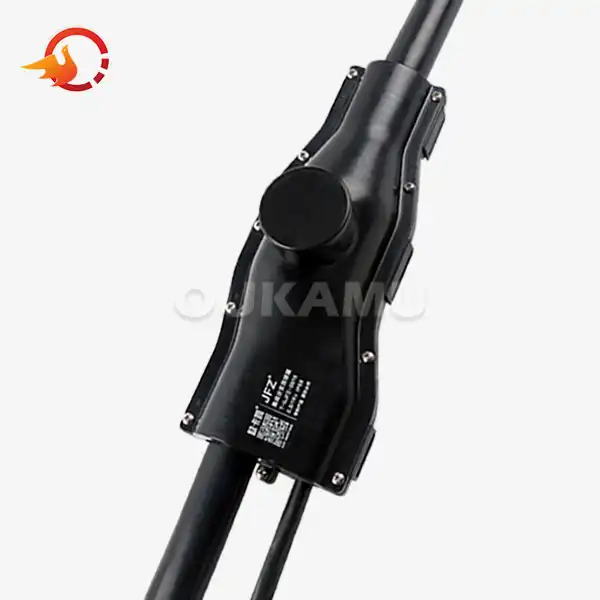
Modern designs for Branch Cable Joints are a big step forward in terms of technology compared to older ways of joining. This new technology is shown by the ZR-JFZ-120/35 model, which can handle main lines from 50mm to 120mm and branch links from 2.5mm to 35mm. With this flexible size, you don't have to keep multiple versions of the same product in stock, which makes buying easier and keeping track of stock easier. The combined design theory has a lot of useful benefits. Installation teams can set up branch points along the main line without planning them ahead of time. They can do this by adapting to the conditions on the site rather than using hypothetical plans.
This flexibility is very helpful when building conditions are different from what was planned, which happens a lot in repair projects and situations where the building is used again after being changed. The economic benefits go beyond the price of the buy. In the old way of branching, the main wire has to be cut and different junction boxes have to be installed. Each connection point uses two to three meters of conductor material. These saves add up to a lot on big projects with dozens or hundreds of branch points.
Worker efficiency also goes up because easier installation steps take less time on-site, which lowers the overall cost of project labor. The safety and longevity features meet the high operating standards. Flame-retardant and fire-resistant building materials keep fires from starting and spread. Waterproof sealing keeps out water that comes in from direct water contact or wet places. Insulation qualities, anti-aging chemicals, and resistance to electrochemical rust all work together to give long service life, even in harsh industrial environments.
Comparing Chinese Solutions with International Brands
Global names like 3M, Panduit, and TE Connectivity set high standards that are known all over the world. Chinese manufacturers are getting better at meeting these technical standards while also giving clear benefits in purchasing. Cost structures usually favor Chinese sellers by 30 to 60%, which has a big effect on wholesalers' project budgets and profit margins. Customization of products is another comparison strength. International names usually have standard product lines that are made to appeal to a wide range of customers.
Chinese makers are more willing to work with specific needs, like custom cable size ranges, different environmental protection grades, or different certification standards for different markets. This flexibility helps both workers working on odd-shaped projects and wholesalers serving specific groups of people. The speed of innovation in Chinese electronics making has sped up a great deal. Companies that spend money on research and development come up with better ideas that solve problems in the real world. The addition of reuse link technology, the removal of the need to cut main cables, and the ability to move the antennas around easily show that the company listened to installers and changed with the market's needs.
Certification Verification and Quality Assurance
Checking the manufacturer's certifications and quality control systems is part of smart buying. Ask for proof that the product meets the necessary safety standards. For Chinese markets, ask for GB/T certifications; for foreign uses, ask for IEC standards; and for North American buyers, ask for UL listings. Factory audit records from unbiased third parties give an unbiased look at how well production is going and how quality control is being handled. Getting samples to try before placing large orders lowers the risk of buying. Ask for samples of products that meet the needs of your particular application, and then test their installation and function. Specifications alone can't tell you about things like how easy it is to install, what tools you'll need, how reliable the connections are, and how well the product is built.
Streamlining Procurement and Logistics: How to Buy Cable Joints Online and Manage Bulk Orders?
To do foreign Cable Joint procurement well, you need to know how to find suppliers, how to negotiate, and how to coordinate operations. Strategic methods cut down on processing costs and make sure that supply chains are reliable.
Identifying Trustworthy Suppliers
Multiple routes make it easier to find suppliers. B2B platforms bring together producers and do basic screening through programs that check out vendors. At trade shows, you can talk to people face-to-face, which lets you look at products directly and build relationships. Sourcing brokers know the local market and can speak the language, but their services cost extra and affect the end price. Evaluation of a supplier goes beyond the first touch. Check the factory's production tools, quality testing options, and output amounts to see how much it can make.
Check recommendations from past customers, preferably ones who bought from similar businesses or in the same area. Responding quickly to initial questions is often a good indicator of how well you will be able to communicate in the future. Suppliers who give detailed technical answers and quick quotes show that they care about customer service.
Understanding Pricing Structures and MOQ Policies
Chinese makers usually set their prices based on volume, with lower costs per item as more are bought. Some suppliers will take orders as low as 100 units for standard goods, while others need 1,000 units or more, based on the cost of production and the amount of customization. These levels have a direct effect on how distributors plan their goods and how workers plan their project budgets. Asking for quotes should include all of your needs, such as the type of product, the amount you want, where you want it delivered, and when you need it by. When you ask a lot of questions, you get correct prices instead of rough figures that need to be changed later. Make it clear what services are included.
Does the price only cover pickup from the factory, or does it also include freight to the target port? When you understand Incoterms, you can avoid unpleasant cost shocks during the deal process. There are ways to negotiate besides unit price. Payment terms affect how much working capital you need. For example, sellers may give discounts for early payment or accept letter of credit for bigger deals. Customizing the packaging specs will help make the best use of shipping containers, which will lower the cost of freight per unit. Long-term talks about forming a relationship could lead to volume prices that are good for both parties because they help predict stable demand.
Managing International Shipping and Compliance
Coordinating logistics means paying attention to a lot of different factors. Cost and speed are balanced by shipping methods. Ocean freight is the cheapest way to send large orders that don't need to be delivered right away, while air freight speeds up delivery for projects that need to be done quickly. International shipping rules say that packaging must protect goods; good sellers use the right padding, moisture barriers, and container support to keep goods from getting damaged while being handled and transported. Import compliance covers a lot of different areas of regulation. When electrical goods come into the United States, they need to be classified by customs officials using the right Harmonized Tariff Schedule names. This is how duty rates are calculated.
For some uses, product safety certifications may be required. Check local rules before making any purchases. Customs delays can be avoided by making sure that business bills, packing lists, and certificates of origin have full and consistent information. Building ties with suppliers has benefits that build on each other. If you've always bought from the same company, you might be able to get better prices, faster production during times of high demand, and better expert help. Regular contact keeps people up to date on new products and better designs as they come out from makers. Strategic agreements turn one-way purchases into working together, which improves both business efficiency and the company's ability to compete.
Maintenance, Repair, and Safety of Cable Joints: Best Practices for B2B Users
The longest-lasting Cable Joint products last longer when they are installed and maintained correctly. This also makes sure that electricity systems work safely. Knowing about these things helps with both choosing products and running operations.
Installation Best Practices
Preparation is the first step to a successful operation. Cable ends need to be cleaned to get rid of dirt and other things that could damage the link. Carefully follow the instructions given by the maker. Tightening torques, heating temperatures for heat-shrink parts, and curing times for resin systems can all affect how well the end product works. Conditions in the environment during installation are important. Products that are sensitive to wetness shouldn't be installed during rain or high humidity unless they are specifically rated for wet installation. Installing a product without damaging it is easier if you use good tools that are made for that product.
To get the right tension without putting too much stress on the parts, crimping tools must match the connector's specs. To shrink-wrap items, you need to use controlled temperature sources instead of open fires, which could damage the insulation. Following the right steps saves both the product being put and the people doing the installation from electrical dangers.
Maintenance Protocols and Service Life Extension
Schedules for regular inspections find possible problems before they get worse and cause the system to fail. A visual inspection can find actual harm, signs of water getting in, or warming symptoms like discoloration. Surveys using thermal imaging show strange patterns of temperature that point to loose links or damage inside the body. Testing the resistance of insulation makes sure that the electrical integrity stays the same. This is especially important in tough settings or installations that are getting old. Methodical upkeep is helped by practices that involve documentation.
By keeping track of installation dates, product specs, and inspection results, you can use trend analysis to find parts that are getting close to the end of their useful life. This proactive method makes it easier to replace things when they break during regular maintenance windows instead of having to fix things right away when they break.
Safety Considerations and Technical Support
Electrical work comes with safety risks that must be managed by getting the right training and gear. Cutting off power to circuits before working on connections keeps people from getting shocked or hurt by arc flashes. Lockout-tagout processes make sure that circuits stay off while repair is being done. Wearing the right PPE for the power level and arc flash risk is an important part of protecting workers.
Technical support from the manufacturer is very helpful when trying to fix problems. Suppliers with responsive tech teams can figure out what's wrong with an installation, suggest ways to fix it, and give advice on which products to use for future jobs. After-sales service quality sets premium sellers apart from commodity vendors; give priority to makers who show they care about their customers' success after the sale of a product.
Real-World Application: Infrastructure Project Success
The JinRentong highway project, which connects Zunyi City and Bijie City, shows how modern Branch Cable Joint technology can be used on a big scale. Nearly 20,000 joints were needed to make sure that power and data systems worked reliably over long distances along this transportation route. The project standards said that the goods had to be able to resist the environment and traffic vibrations, and they had to last a long time with little maintenance. The successful rollout shows how good connection solutions help make key infrastructure more reliable, which helps the economy grow by making sure transportation networks are always up and running.
Conclusion
Importers from around the world can get a lot of benefits from buying Cable Joint options from Chinese companies. Competitive pricing, a wide range of products, and rising technical complexity all meet different buyers' needs. To be successful, you need to carefully match product specs with application needs, carefully evaluate suppliers beyond just looking at prices, and make sure that supplies are coordinated so that foreign transactions go smoothly.
Branch connection technology has changed over time to show how constant innovation can bring real-world benefits, such as less wasteful material use, easier installation, and designs that can be changed to fit the needs of any project. Distributors, contractors, and procurement workers who take the time to learn these selection factors and build smart relationships with suppliers will be better able to run their businesses more efficiently and compete more effectively in their markets.
FAQ
What certifications should China's cable joints have for international markets?
Quality Cable Joint items of good quality that are meant for foreign sales should have certifications that match the standards of the destination. GB/T 14048.7-2016 confirms that the product meets Chinese state standards, which is a basic level of quality guarantee. IEC approvals show that a product meets international electrical safety standards that are accepted by many countries.
How do I determine the right cable joint type for my specific application?
Make sure that the product's specs match your technology needs and the way you work. The voltage ratings of your parts must match or be higher than the working voltage of your system. Parts used in homes usually need to be rated at 0.6/1kV, but parts used in factories may need higher ratings. Cable size compatibility is a must; make sure the product can handle both the size of your main wire and any branch cable sizes. Material choice is based on the environment.
What are typical lead times for bulk cable joint orders from China?
Lead times depend on how customized the product is and how many orders are placed. Products that are standard and already in stock usually ship within one to two weeks of order confirmation. Depending on how complicated they are, custom specs that need special production may push back the time frame to 3 to 6 weeks. It could take 6 to 8 weeks to finish large orders that are bigger than usual production runs. Depending on the way, international shipping takes an extra two to six weeks.
Partner with Oukamu for Reliable Cable Joint Solutions
Xi'an Oukamu Electric Co., Ltd. has been a leader in branch Cable Joint technology for 20 years and works with wholesalers, contractors, and sourcing workers all over the world. Our best-selling ZR-JFZ-120/35 model gets rid of the usual installation problems by allowing for flexible placement on-site, a design that can be used again and again, and features that protect the main cables saving 2 to 3 meters per connection point. This directly means lower prices for materials and better use of labor on your projects.
Our integrated T-connector design has many benefits, including better safety thanks to improved insulation mechanisms, stable performance even in harsh environments, and easier installation processes that cut down on downtime. Email our team at info@okmbranchcable.com to talk about your particular needs, get full product specs, or set up a free evaluation. These are solid connectivity goods that have been used in building projects like the JinRentong highway deployment of nearly 20,000 connection units.
References
1. Zhang, L. and Chen, W. (2022). Technical Standards and Performance Evaluation of Low-Voltage Cable Joints in Modern Electrical Systems. China Electrical Engineering Press.
2. International Electrotechnical Commission (2019). IEC 60502-4: Power cables with extruded insulation and their accessories for rated voltages from 6 kV to 30 kV - Part 4: Test requirements on accessories for cables with rated voltages from 6 kV to 30 kV. Geneva: IEC Publications.
3. Wang, J., Liu, H., and Zhao, M. (2021). "Comparative Analysis of Cable Connection Technologies in Transportation Infrastructure Projects." Journal of Electrical Installation and Construction, 42(3), 156-172.
4. National Standards of the People's Republic of China (2016). GB/T 14048.7-2016: Low-voltage switchgear and controlgear - Part 7: Ancillary equipment - Terminal blocks for copper conductors. Beijing: Standards Press of China.
5. Anderson, R. and Thompson, K. (2023). Global Procurement Strategies for Electrical Components: A Distributor's Guide to Asian Supply Chains. Industrial Press Inc.
6. Martinez, C. (2020). "Installation Best Practices and Safety Protocols for Branch Cable Connectors in Commercial and Industrial Applications." Electrical Safety Quarterly, 18(2), 45-61.