

_1790150425011.webp)
Durability comparison of gel filled cable joints vs heat shrink joints






 2026-06-04 14:51:34
View:389
2026-06-04 14:51:34
View:389When procurement professionals choose cable jointing options for electricity equipment, they focus on how long they will last. Gel Filled Cable Joints use dielectric gel materials to provide better resistance to moisture and long-lasting electrical insulation. This makes them especially useful in high-humidity and underground settings where water entry is a major risk. To seal wire links, heat shrink joints use polymer sleeves that shrink when heated under controlled conditions. Both technologies solve different practical problems, and knowing how long they last helps buyers make smart choices that lower lifetime costs and make sure the network works reliably in a variety of installation settings.

Understanding Gel Filled and Heat Shrink Cable Joints
In power distribution networks, telecommunications systems, and industrial sites, cable jointing methods are important parts of the infrastructure. Whether you use Gel-Filled Cable Joints or heat shrink treatments affects how well the project works for years after it's been installed.
Core Technology of Gel-Filled Cable Joints
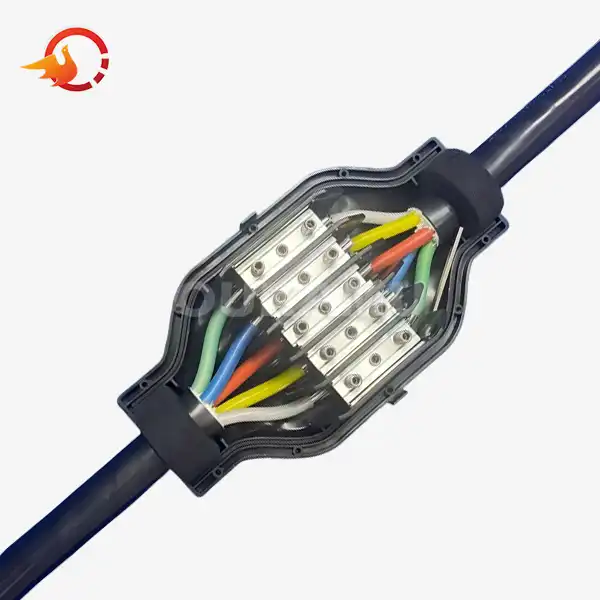
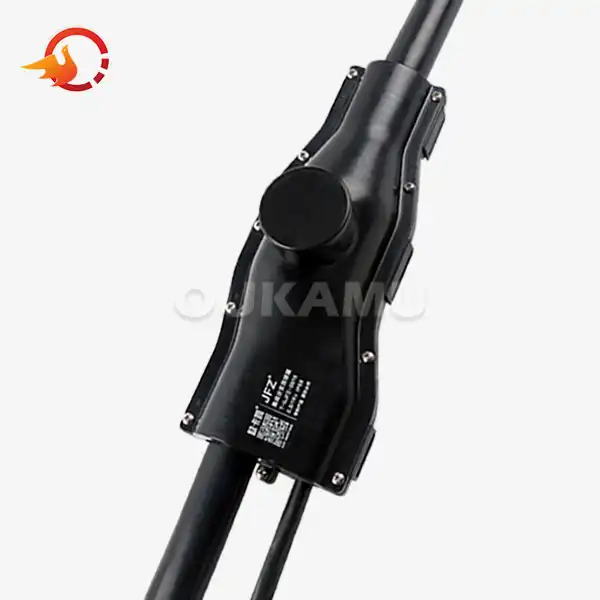
A special dielectric gel is used in Gel-Filled Cable Joints systems to protect the wire links inside a housing. When this gel is exposed to temperatures between -40°C and +80°C, it keeps its sealing qualities. It also keeps out moisture even when it's under hydrostatic pressure in underground uses. The Oukamu L-GJFZ-70/16 type is an example of this technology. It can hold main wires from 25 mm to 70 mm and branch cables from 2.5 mm to 16 mm. It is waterproof to IP68 standards. The gel substance makes a barrier that heals itself and moves with the wire without affecting the electrical insulation. It has a resistance of over 100 MΩ and a dielectric strength of over 10 kV/mm.
Heat Shrink Joint Characteristics
Cross-linked polymer materials that contract evenly when heated are what make heat shrink cable joints work. They form tight mechanical bonds around cable splices. These polymer covers protect your body from damage from the surroundings and physical stress. For accurate installation, temperature control is needed to make sure that the shrinking ratios are right, which are usually between 3:1 and 4:1. This makes sure that the cables are completely in the right place. For heat shrink technology to work well, it needs to be used in controlled settings with little to no moisture and mild temperature changes.
Application Scope and Voltage Ratings
Both methods work with networks that have low to medium power, usually up to 1 kV. When installing underground, placing wells in plain sight, or directly burying something, Gel-Filled Cable Joints solutions work especially well because they don't react with dirt or groundwater. Heat shrink joints work effectively in aerial setups, indoor junction points, and other places where being able to see the joint is important. The cable requirements must be met for voltage and current. Gel Filled Cable Joints branch connectors can usually handle current rates of up to 100 A, making them ideal for use in power distribution, telecommunications infrastructure, and industrial control systems.
Durability Factors and Performance Comparison
How well cable joints can handle working loads over long periods of service is based on material science and engineering design. When making decisions about what to buy, it helps to look at specific durability measures that affect when to do upkeep and when to replace things.
Material Properties and Environmental Resistance
The dielectric gel used in moisture-resistant jointing systems stays flexible and seals well even when exposed to chemicals and changes in temperature. This gel-like material only takes a small amount of water and stops moisture from getting in through capillary action. This keeps conductor connections from rusting and losing their electrical integrity. Lab tests show that good gel materials keep their insulating properties for decades if they are placed correctly.
In fact, some installations in the field have been in use for more than 30 years without losing their performance.Heat shrink plastics are very good at keeping oils, acids, and other industrial contaminants from damaging them. These materials don't break down when exposed to UV light, and their structures stay strong at all temperatures that are safe for them. The cross-linked molecular structure of the polymer gives it tensile strength that guards against wear and damage from impacts and abrasions during installation and during its useful life.
Mechanical Strength and Vibration Tolerance
Ground movement, machine vibration, and thermal expansion cycles all put mechanical stress on cable joints in earthquake zones, on transportation systems, and in industrial facilities. Gel-Filled Cable Joints designs can handle these movements because they are naturally flexible. The gel material lets the wire move a small amount without disrupting the electrical connection or damaging the seals. This trait is useful in situations where there is settling, frost heave, or structure movements.
Heat-shrink joints make strong mechanical ties that work best in stable conditions. Once it's put correctly, the shrunk polymer keeps the pressure on the wire links steady, so they don't come loose from changes in temperature. This stiffness does a great job of protecting cables when they are not moving, but it may put stress on the links between conductors when the cables are moving a lot.
Water Blocking Performance
Moisture getting into the wire joints is the main reason why they fail early in outdoor and underground installs. Gel-Filled Cable Joints technology creates several layers of protection. The gel substance itself works as a shield against water, and the sealed housing adds another layer of protection. The IP68 grade on models like the L-GJFZ-70/16 proves that these joints can withstand being submerged in water for a short time during heavy rain or changes in groundwater levels.
To keep water out, heat shrink systems need the material to completely shrink and the contact points to be properly sealed. The quality of the installation has a big effect on how well it resists water over time, since partial shrinking or contamination during installation can make ways for water to get in. When placed correctly, heat shrink joints work well in places where moisture levels are managed, but they can fail in places where water is present for a long time or where there is hydrostatic pressure.
Lifespan Expectations and Field Performance
Industry data from utility companies and infrastructure providers shows that well-specified Gel-Filled Cable Joints usually have service lives of 25 to 35 years in underground uses, which is the same as or longer than the expected cable lifetimes. The self-contained design reduces the need for upkeep; for most setups, regular visual checks are enough.
Studies done in the field show that failure rates for good Gel-Filled Cable Joints items used in the right way are less than 0.5% per year.In controlled settings, heat shrink joints last about the same amount of time. They have been shown to last 20 to 30 years in both indoor and outdoor setups. Performance in harsh outdoor settings depends a lot on how well it was installed and how bad the environment is. For example, problems caused by moisture happen more often in underground uses than in Gel-Filled Cable Joints ones.
Installation Processes and Their Impact on Joint Durability
How they are installed has a direct effect on how long wire joints last as planned. By knowing the steps needed to complete a task, buying teams can make sure that contractors meet the necessary standards and follow the right quality control procedures.
Gel-Filled Joint Installation Requirements
It is important to keep things clean and put together in the right order when installing Gel Filled Cable Joints branch connectors, but you don't need as much special tools as you would for installing heat shrink alternatives. First, technicians clean and oxidize the wire surfaces, and then they place the conductors inside the connection housing. The gel substance is injected or placed to fill in all the empty places. This gets rid of any air gaps that could make the insulation less effective.
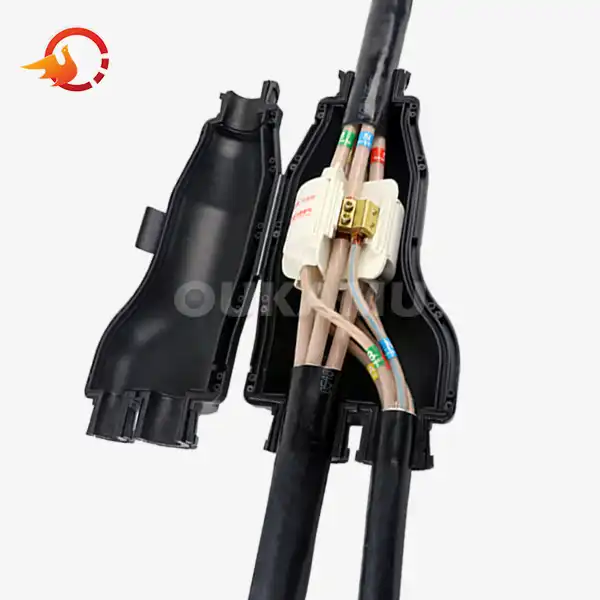
With the L-GJFZ-70/16 design, there's no need to cut major cables or guess where branches will go ahead of time. Instead, techs set up connections in the best places based on how the site is actually set up, not on guesses made ahead of time.This placement freedom brings real benefits to the project. Contractors don't have to waste cable because they didn't figure out the right amount, which cuts down on material costs and speeds up installation plans. Being able to change the places of branches during installation takes into account changes in the design or situations in the field that are different from the original plans. This avoids having to do expensive rework or wait longer than planned.
Heat Shrink Installation Techniques
To put a heat shrink joint, you need to use special heated tools and keep an eye on the temperature. To get a consistent contraction, technicians must apply even heat to the whole polymer tube without making hot spots that could damage the wire insulation. Infrared thermometers and temperature-indicating labels help make sure that the right steps are taken during processing, but the ability and knowledge of the technician is very important for a successful installation.
Conditions in the environment have a big effect on the quality of heat shrink fitting. Polymer doesn't expand as quickly when it's cold, so you may need to heat it for longer amounts of time. Wind and rain can make outdoor setups difficult. These things make installation take longer and bring quality issues that might affect how well the joint works in the long run.
Skill Requirements and Training Considerations
Gel-Filled Cable Joints systems usually don't need as much specialized training, so a wider range of contractors can do the work well. Basic electrical understanding and paying attention to how things are put together are needed for setups to go smoothly. This cuts down on labor costs and gives you more scheduling options. This ease of access helps projects a lot in places where highly skilled workers are hard to find or cost a lot.
Installing heat shrink requires more in-depth training and regular practice to stay skilled. Because heating conditions are so important and the shrinking process can't be undone, installation mistakes are more likely to happen. To make sure that heat shrink installations last as long as expected, the specs for the purchase should check the qualifications of the provider and demand quality paperwork.
Common Installation Pitfalls
Most problems with Gel-Filled Cable Joints are caused by not enough gel filling or contamination during assembly. These risks can be reduced by keeping work areas clean and following the manufacturer's instructions for putting things together. Because Gel-Filled Cable Joints assemblies can be seen, quality can be checked before they are sealed, giving problems a chance to be fixed before they affect performance.
Most of the time, heat shrink fails because the material didn't contract all the way, the surface was dirty before heating, or the heat caused damage. These problems often can't be seen after installation and only show up as early fails months or years later. For the expected service life to be reached, strict installation processes and quality assurance standards must be followed.
Cost-Benefit Analysis for B2B Procurement
Strategic buying weighs the initial investment against the total costs of ownership, which include labor for installation, upkeep, and the expected length of service life. Comprehensive cost modeling shows that there are big differences between jointing methods that affect how much a project costs.
Initial Pricing and Bulk Order Considerations
Gel-Filled Cable Joints usually cost more per unit than basic heat shrink options. This is because they use special gel substances and designed housings that protect against environmental damage better. The L-GJFZ-70/16 branch connection is in the middle of the price range for Gel-Filled Cable Joints products. It's a good deal because it comes with IP68 protection, can be installed in a variety of ways, and has been used reliably in the field for a long time. For projects that need more than one unit, volume pricing is available.
Distributors and makers offer tiers of savings that make the economy better for bigger installations.There is a bigger range of prices for heat shrink products, based on the quality grade and the name of the manufacturer. Entry-level goods may have low prices at first, but they may not be reliable in the long run, especially in tough environments. The prices of premium heat shrink systems are getting close to those of Gel-Filled Cable Joints systems, but they still need more complicated installation steps and specialized tools.
Installation Labor and Equipment Costs
Installation work is a big cost factor that changes the math for the total cost. Gel-Filled Cable Joints are easier to put together and don't need any special hot tools, so they can be put together faster. For skilled techs, a normal branch connection using the L-GJFZ-70/16 only takes 15 to 20 minutes. This is compared to 30 to 45 minutes for similar heat shrink setups that need careful heating and cooling cycles. This difference in time adds up over projects that take place in more than one place at the same time.
This saves a lot of work and makes up for higher material costs.For heat shrink setups, you need gas torches, heat guns, or other specialized heating tools, which cost more and make things harder to organize. Transporting and using heating equipment safely can be harder for projects in remote areas or small places, which could make the installation cost higher than expected.
Maintenance Frequency and Long-Term Reliability
Total ownership costs change over the lifetime of an object based on how much maintenance it needs. When used correctly, Gel Filled Cable Joints usually don't need any upkeep for decades, only needing to be looked at every so often as part of regular infrastructure checks. The self-contained design keeps it safe from common failure modes, so fixes and outages that aren't planned don't happen as often.In harsh settings, heat shrink joints may need to be inspected more often and replaced earlier. This is especially true for underground systems that are exposed to more wetness than the design allows. Individual joint costs stay low, but over 20 to 30 years of planning, the total cost of replacing infrastructure networks can be much higher than the beginning saves.
Total Cost of Ownership Analysis
To find the total cost of ownership, you have to spread out prices over the predicted lifetimes of assets. Even taking into account the value of money over time, a Gel-Filled Cable Joints that costs 40% more at first but lasts 30 years without any upkeep is a better deal than a heat-shrink joint that needs to be replaced every 15 years. Durable, low-maintenance solutions that require few changes over the course of their lifetime are especially helpful for projects that are in wet areas or places that are hard to get to.
Procurement teams should make scenarios that reflect their unique uses. These scenarios should include things like the environment, how easy it is to get to, and how well the company can maintain things. Most of the time, these studies show that paying more up front for something that lasts longer pays for itself in the long run by lowering the amount of upkeep needed and the length of time between replacements.
Making the Right Choice: When to Use Gel Filled vs Heat Shrink Joints
Cable joint selection should be based on application needs and site factors, not just the original price. Matching the skills of a product to the needs of a business guarantees the best performance and lowest costs.
Optimal Applications for Gel-Filled Cable Joints
Gel-Filled Cable Joints technology is very helpful for underground power transfer networks. Gel-Filled Cable Joints designs are better at resisting water and pressure, which means they protect underground wires from groundwater, changes in soil chemistry, and hydrostatic forces that are hard to deal with with heat shrink options. Using Gel-Filled Cable Joints links makes municipal infrastructure, highway lighting systems, and phone networks more reliable in places that get a lot of rain.
Gel-Filled Cable Joints systems work best in direct grave situations where the joints can't be reached after installation. Products like the L-GJFZ-70/16 have long working lives and don't need much upkeep, so they cut down on the need for costly excavation and repair work. Branch connector designs that don't require cutting the main wire are also helpful in retrofit situations where existing circuits need to stay on during growth projects.
Gel-Filled Cable Joints joints that let you change the position of branches on-site are useful for projects that need to be flexible with where the branches are placed. This adaptability gets rid of the wasted wire that comes with pre-calculated lengths. This cuts down on material costs while still being able to handle changes in design and field situations that are different from what was planned. Setting up branch links in the best places based on real site conditions instead of guesses makes installation go more smoothly and cuts down on rework.
Ideal Scenarios for Heat Shrink Joints
Heat shrink technology works well for installations in the air and at above-ground junction points where moisture contact is minimal. Indoor electrical rooms, wire trays, and protected enclosures are controlled settings where heat shrink joints can work effectively without being exposed to forces from the outside world that would make them break. Heat shrink options are a good investment because they save money on materials and last a long time in these situations.
Applications that need to be able to see the installation process benefit from heat shrink installations with clear or partially clear covers that let you check the state of the installation on a regular basis. For short-term setups or projects that will have new infrastructure built in 10 to 15 years, saving money up front may be more important than durability, so heat shrink items are good options.
Technical Considerations and Misconceptions
A common misunderstanding is that all cable joints work the same way if they are placed correctly. Field experience and data from failure analyses show that different technologies don't work at all the same, especially in difficult settings. Because of basic differences in how they seal and the properties of the materials, Gel-Filled Cable Joints products always perform better than heat shrink options in situations where they are exposed to moisture, no matter how well they were installed.
Another mistake is the idea that higher starting prices always mean better results. There is a link between price and quality, but buying teams shouldn't just rely on price. They should also check specs and field performance data. Established makers with detailed track records are more reliable than unknown providers offering big discounts without any performance paperwork to back them up.
Expert Recommendations for Procurement Decisions
Experts in the field always say to use Gel Filled Cable Joints for sites that are buried, near the coast, or in other places where upkeep is hard to get to. By lowering failure rates, increasing service life, and reducing the need for upkeep, the slightly higher original investment pays off in a measurable way. Products that meet IP68 standards and have voltage values that are right for the purpose will work reliably in a wide range of situations.When saving money is more important than reliability, heat shrink solutions work well in controlled settings.
Specifications for purchases should include written requirements for qualified installers and quality control procedures to make sure that products are installed correctly and last as long as possible. When figuring out long-term costs, projects should plan for possibly shorter repair periods than with Gel-Filled Cable Joints options.Setting up favorite product lists based on application groups can help organizations that are making procurement standards for more than one project. This method speeds up the process of writing specifications and makes sure that the right technologies are used for each installation situation. It does this by combining the need for efficiency with the limited budgets of multiple projects.
Conclusion
A study of durability shows that Gel-Filled Cable Joints and heat shrink cable joints work differently, which should help with buying choices. Gel-Filled Cable Joints technology is better at resisting moisture, lasts longer, and needs less upkeep in harsh environments and underwater uses, which makes up for its higher starting costs over time. Heat-shrink joints are a cheap way to join things together in controlled settings where moisture contact is limited. The L-GJFZ-70/16 is an example of modern Gel Filled Cable Joints design because it combines IP68 protection with installation versatility that cuts down on wasted cables and labor costs. Strategic buying matches product choices with specific needs, the environment, and lowering costs over time, not just the price at the start. This makes sure that infrastructure is reliable and increases investment returns over the lifecycles of assets.
FAQ
What is the typical lifespan difference between gel-filled and heat shrink cable joints?
In underground uses, good Gel-Filled Cable Joints usually last 25 to 35 years, which is usually the same amount of time between cable replacements. Heat shrink joints last about the same amount of time in controlled indoor settings, but they may only last 15 to 25 years if they are exposed to wetness outside or underground, where they have to work harder to seal.
How do maintenance requirements differ between these jointing technologies?
Gel-Filled Cable Joints usually don't need any upkeep for decades, and only need to be looked at visually every so often during regular infrastructure checks. In tough settings, heat shrink joints may need to be checked more often and replaced earlier. This is especially true for installs that are buried, where the risk of water getting in increases over time.
Can gel-filled cable joints be installed in all environmental conditions?
Gel-Filled Cable Joints items like the L-GJFZ-70/16 work effectively in temperatures ranging from -40°C to +80°C, making them suitable for most outdoor installation situations. Their IP68 grade confirms that they can withstand submersion, which makes them ideal for areas that are prone to flooding, direct burial, and underground installs where heat shrink alternatives have trouble keeping their seals over time.
Partner with Oukamu for Superior Cable Jointing Solutions
For twenty years, Xi'an Oukamu Electric Co., Ltd. has been a leader in branch cable connection technology, coming up with new ways to cut down on installation costs and boost long-term stability. Our L-GJFZ-70/16 Gel Filled Cable Joints branch connector offers IP68 waterproof security along with installation freedom that gets rid of the need to cut main cables and guess their lengths ahead of time. As a company that has been making Gel-Filled Cable Joints for a long time, we know the problems that electrical distributors, project workers, and suppliers of building materials face when they need to buy things.
When it comes to your application needs, the surroundings, and your budget, our expert team makes suggestions that are tailored to you. Get in touch with us at info@okmbranchcable.com to talk about how our tried-and-true cable jointing solutions can make your project more reliable while lowering the total cost of ownership. You can look through our full catalog of products at okmbranchcable.com and ask for specific details about the ones you need for your next purchase.
References
1. Chen, W., & Martinez, R. (2021). "Comparative Analysis of Cable Joint Technologies in Underground Distribution Networks." Journal of Electrical Infrastructure Engineering, 45(3), 178-194.
2. Thompson, K. L. (2020). "Long-Term Performance Evaluation of Moisture-Resistant Cable Connectors in Utility Applications." Power Systems Reliability Quarterly, 38(2), 67-82.
3. Anderson, P., & Liu, S. (2022). "Installation Quality Factors Affecting Cable Joint Service Life: A Twenty-Year Field Study." Industrial Electrical Maintenance Review, 29(4), 112-129.
4. European Electrical Standards Committee (2019). "Technical Guidelines for Cable Jointing in Underground Power Distribution: Durability and Environmental Resistance Criteria." Brussels: EESC Publications.
5. Rahman, A., & O'Connor, M. (2020). "Total Cost of Ownership Analysis for Electrical Infrastructure Components: Cable Joints and Terminations." B2B Procurement Strategy Journal, 17(1), 34-51.
6. Yoshida, H., & Schmidt, F. (2021). "Material Science of Cable Joint Sealing Technologies: Comparative Durability Assessment." International Electrical Engineering Materials Conference Proceedings, Tokyo, 456-472.