

Cable resin joint accessories compatible with different cable sizes






 2026-07-30 15:17:26
View:389
2026-07-30 15:17:26
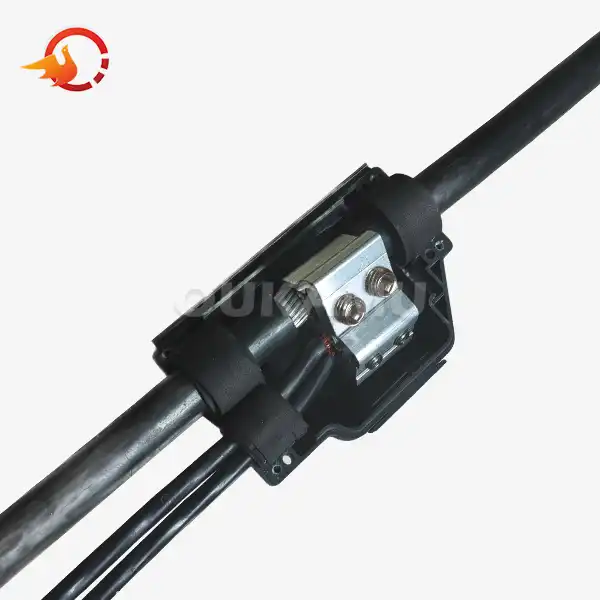
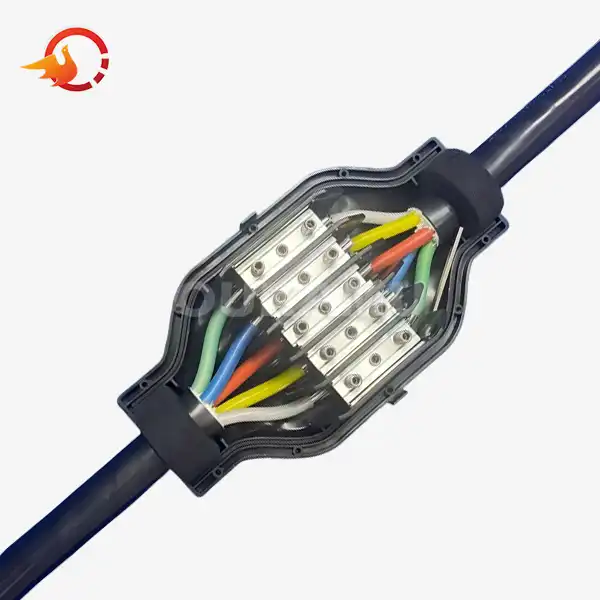
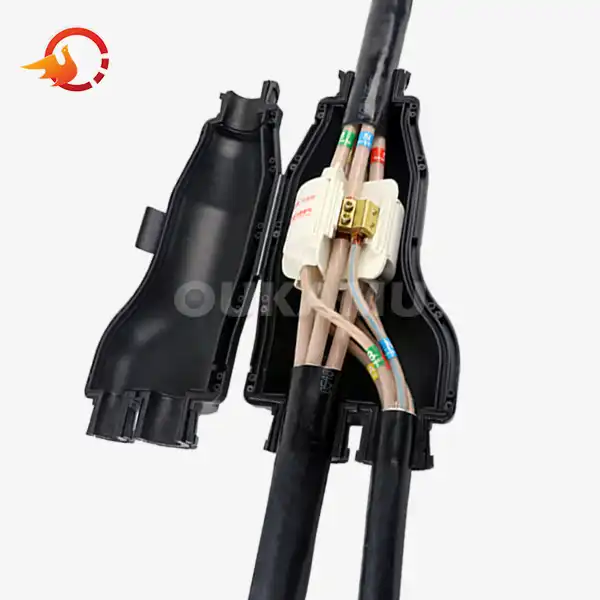
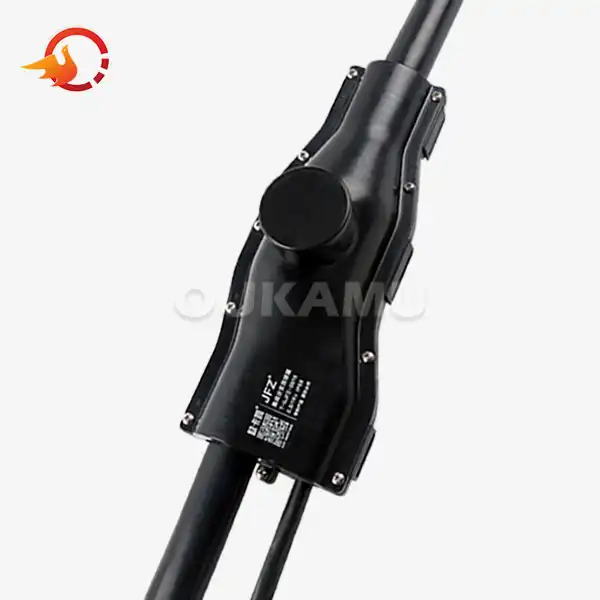
View:389Selecting cable resin joint accessories that match your specific cable dimensions is a critical decision for electrical distributors, project procurement officers, and installation teams. A Cable Resin Joint provides superior insulation, mechanical protection, and waterproof sealing for electrical connections across diverse cable sizes. When accessories are properly matched to cable diameters and insulation thicknesses, they ensure long-lasting performance, reduce installation failures, and minimize costly downtime. Modern branch joint systems, like Oukamu's ZR-JFZ-95/35 model, deliver exceptional compatibility for main cables ranging from 35mm to 95mm and branch cables from 2.5mm to 35mm, offering flexible solutions for industrial, commercial, and municipal power distribution networks.

Understanding Cable Resin Joint Accessories and Cable Size Compatibility
Cable Resin Joint tools are a group of parts that are meant to help with the fitting and performance of resin-based cable connections. Some of these are safe casings, molding shells, sealing elements, and insulated connections. To achieve the best joint quality, each part has a specific job to do. Molding plates support the structure and define the size of the joint, while sealing elements keep water and other external contaminants out. Insulated connectors keep electricity from flowing through them and make sure that current can safely flow across the joint contact.
Key Cable Size Parameters
Cable size compatibility depends on a number of important factors. The cable width affects the choice of molding shell and the amount of room needed for joint placement. The width of the insulation affects how deep the glue can go and how well it seals. Electrical resistance and current carrying ability are affected by the cross-sectional size of the conductor. For the joint to work well, it is essential that these factors are measured correctly. To avoid mismatches that hurt the dependability and service life of joints, procurement teams must check cable specs against maker datasheets.
Modular and Adaptable Designs
Modern resin joint parts are made in a way that lets them fit a range of wire sizes within the same product family. This flexibility makes it easier for distributors to keep track of their goods, and it lets workers keep fewer items in stock while still meeting the needs of a wide range of projects. Technicians can fine-tune joint configurations on-site using adjustable sealing components and scalable molding shells. This makes sure that the cables fit perfectly even if their sizes are slightly different from the manufacturer's specs. Because of this freedom, installs go faster, there are fewer instances of rework, and the project makes more money.
How to Choose the Right Cable Resin Joint Accessories for Your Cable Sizes
To choose the right Cable Resin Joint accessories, you need an organized method that takes technical performance, cost, and supply chain stability into account. To make sure that tools meet both short-term installation needs and long-term operating needs, procurement officers and project managers have to look at a number of factors.
Application-Specific Requirements
Cable joint tools have to work in a certain way in each installation setting. Accessories that are more resistant to rust are needed in industrial settings where strong chemicals are used. When installing something underground, waterproofing and mechanical longevity are the most important things. For high-voltage uses, dielectric strength and spark protection must be very high. Figuring out these application-specific needs ahead of time helps cut down the available accessories and stops costly design mistakes.
Dimensional Compatibility Criteria
To do accurate physical matching, you must first measure the cables correctly. The main cable diameter, branch cable diameter, insulation outer diameter, and wire size must all be within the range of sizes that are compatible with the attachment. The ZR-JFZ-95/35 model from Oukamu is a great example of purpose-built compatibility. It can handle main cables from 35mm to 95mm and branch cables from 2.5mm to 35mm at a recommended voltage of 0.6/1kV. This range includes common low-voltage distribution situations that happen in businesses, factories, and city structures.
Material Durability and Environmental Resistance
Accessory materials have a direct effect on how long joints last and how often they need to be maintained. Materials that don't catch fire or spread flames meet safety standards like GB/T 14048.7-2016. This makes enclosed areas less likely to catch fire. UV-resistant ingredients keep outdoor projects from breaking down. Compounds that slow down aging keep their mechanical qualities for decades of use. When procurement teams look at sources, they should ask for material certifications and long-term performance data to back up promises of longevity.
Balancing Performance, Cost, and Lead Times
There is more to cost-effective buying than just unit price. The total cost of ownership includes the work to install it, the regularity of upkeep, and the costs that could come up if it breaks. Accessories that make setups go faster or cut down on wire waste save real money. Agile project management works best with suppliers who have short lead times and allow for flexible order numbers. When you compare products from specialized companies like Oukamu to well-known names like 3M, Siemens, and ABB, you can see that there are trade-offs between high-end features and solutions that are good value for money.
Oukamu has been specializing in branch cable joints for 20 years, which shows that it has a lot of technical knowledge. Its low-cost designs also help wholesalers keep their profit margins high.The supply of spare parts should be carefully thought through. Accessories with new parts that are easy to find reduce the chance of downtime. Suppliers who offer expert support and help with fitting make the product more valuable. Forward-looking buying plans think about how the cable system might grow or change, and they choose devices that work with a lot of different systems and have clear ways to improve.
Installation Process and Best Practices for Cable Resin Joint Accessories Across Cable Sizes
Installing Cable Resin Joint solutions correctly is very important if you want them to work as well as they can. When the sizes of tools and cables don't match up, it can cause problems like poor sealing, uneven resin covering, or the buildup of mechanical stress. Knowing the technical effects of mistakes made during installation helps teams use the best methods to make joints as reliable as possible.
Preparation and Measurement
Preparing the cables carefully is the first step in installation. According to the manufacturer's instructions, remove the upper sheaths to get to the insulation on the wire. Surfaces should be cleaned to get rid of any dirt or dust that might make it hard for the glue to stick. Check the cable's measurements more than once to make sure they are consistent and that they work with the items you've chosen. Check the placement of the branch cables again to make sure there is enough space for installing the molding shell.
Resin Pouring and Curing
When pouring resin, you need to pay attention to the mixing ratios, temperature, and humidity. The best temperatures for drying are between 21°C and 27°C, and the humidity should be kept in check. Thin layers of glue dry faster, but thick insulation parts may need more than one pour. To get the best hardening properties, follow the manufacturer's instructions on how to mix the glue and hardener. The integrated insulated T-connector body of Oukamu makes this process easier by creating a protected room that lets the resin sealing be done all at once.
Sealing and Quality Verification
Once the glue has hardened, check the stability of the seal by looking at it and, if necessary, putting pressure on it. Look for holes, cracks, or spots where the material isn't completely covered that could make it less waterproof. Make sure the part is mechanically strong by making sure it doesn't move or bend when it's handled. Moisture getting in is the main reason why underground and outdoor joints fail before they should in setups that are properly sealed.Case studies from real life show what happens when you choose the right accessories. Oukamu's branch joints cut installation time by 40% for a local power distribution project in the southwestern United States.
This was possible because main lines didn't have to be cut or branch lengths had to be measured ahead of time. This gave techs the freedom to change branch places on the spot, so they could adapt to sudden changes in conduit routing without having to waste cables or wait.Installation teams should keep track of plans that include steps for prepping the cables, checking the dimensions, making the resin, setting the conditions for drying, and inspecting the work after installation. With these schedules, everyone on the team and at the project site follows the same steps, which cuts down on variation and raises the quality of the work as a whole.
Comparing Cable Resin Joint Accessories: Resin Joint vs Heat Shrink and Other Technologies
Different Cable Resin Joint methods have different costs, mounting difficulties, and performance trade-offs. Knowing these differences helps people who work in buying choose the best option for each application and range of wire sizes.When you heat thermoplastic tube, it contracts and makes a tight seal around the wire links. These joints are easy to put together and work well for smaller wire sizes that won't be exposed to the environment much. Heat shrink technology, on the other hand, has trouble with cables with bigger diameters and is less flexible when it comes to setting up complex branch designs.
Cold shrink joints use rubber covers that are already stretched and then contract when the installation cores are taken out. They get rid of the need for heat tools and give the same effects to installers of all levels of skill. Cold shrink options work well for medium voltage tasks, but for the same size wire, they usually cost more than resin alternatives.Metal clamps and compression fittings are used by mechanical parts to keep wire links safe. They are easy to take apart for upkeep, but they don't protect as well against the environment as resin or shrink technologies. Mechanical joints are mostly used in short-term setups or situations that need to be reconfigured often.Resin joint accessories are very flexible and can be used with a wide range of wire types and branch configurations.
The liquid glue perfectly sticks to rough surfaces and complicated shapes, making sure that all gaps are filled and moisture stays out. Once they are hardened, resin parts have great dielectric strength and mechanical stability. Oukamu's flame-retardant and fire-resistant plastic formulations meet strict safety standards and are still flexible enough to allow for changes in branch placement on-site.Advanced resin branch joints, like Oukamu's ZR-JFZ-95/35 model, don't need to cut major wires because they are installed in a way that doesn't get in the way.
This keeps the stability of the cable, cuts down on installation work by 30–40%, and saves 2–3 meters of wire per branch point. Even for bigger wire sizes, installation is still doable because the built-in T-connector body guides resin placement and makes sure even coverage.Environmental suitability favors resin joints in tough situations when they are suitable for the environment. In places that stay wet all the time, their waterproof covering works better than heat shrink. In industrial settings where chemicals are present, resistance to electrochemical rust is higher than the ability of mechanical joints to handle chemicals.
Long-term cost analysis shows that spending more up front on high-quality resin items saves money in the long run because they last longer and need less upkeep.Resin joint fittings have been a good choice for B2B clients who care about stability, following the rules, and getting help from their suppliers. Well-known companies offer scientific information, training for installation, and helpful customer service that lowers the risks of projects and helps them succeed.
Maintenance, Troubleshooting, and Lifespan Optimization of Cable Resin Joint Accessories
Regular care makes a Cable Resin Joint last longer and stops it from breaking down without warning. To get the most out of check times and resource allocation, maintenance plans should be tailored to specific wire sizes and environmental conditions.
Routine Inspection Guidelines
Visual checks are the basis of maintenance plans that work. Every three months, look at the joints for signs of physical damage like molding shell cracks or sealing parts moving out of place. In settings that are toxic, inspections should be done once a month instead of every other week. Use thermal imaging cameras to find hotspots that mean electricity links aren't working right or the inside is breaking down. Keep track of changes in the state over time and use that information to help you decide what to replace.
Common Troubleshooting Scenarios
The most common way for a joint to fail is for water to get inside. Water spots, rust on metal parts, or electrical tracking lines that can be seen are all signs of a leaky seal. Find the entry points for leaks right away and fix them by adding more covering materials or removing broken parts. Even weeks after installation, surfaces that aren't fully cured will still be soft or sticky. This is usually because the mixing ratios or drying temperatures weren't right. This problem can be fixed by re-pouring the damaged areas with properly prepared glue.Accessory wear happens over time because of UV exposure or mechanical stress. To keep safety levels high, cracked insulation sleeves, weak sealing rings, or worn-out molding shells need to be replaced as soon as possible. Keeping extra accessories on hand for important wire sizes cuts down on repair downtime.
Lifespan Extension Best Practices
The right way to handle an item during installation keeps it from breaking too soon. Do not over-tighten clamps or force wires into shaping shells that are too small. These actions create stress concentration points. Keep items that aren't being used in climate-controlled spaces out of direct sunlight and away from chemical fumes. When changing cable systems, make sure that the new cable dimensions match the current accessory compatibility ranges before installing them. If you don't, you could end up with forced fits that damage the seal.
Technical support from the supplier is very helpful for repair teams. Manufacturers like Oukamu offer help with installation, fixing problems, and making unique training programs. These services help maintenance workers become experts in certain lines of products, which improves the quality of repairs and cuts down on the time needed for diagnostics. Building ties with responsive providers makes it easy to get replacement parts and technical help when problems get complicated.
Conclusion
How reliable an electrical system is, how quickly it can be set up, and how much it will cost to maintain over time are all directly related to how well the Cable Resin Joint tools and cable sizes work together. Distributors and procurement workers who put an emphasis on exact measurement matching, materials that are right for the job, and expert help from suppliers put their companies in a position to stay ahead of the competition. The ZR-JFZ-95/35 model from Oukamu is an example of advanced branch joint technologies that show how new designs can solve real-world installation problems while lowering costs. By knowing how choosing the right accessory will affect the whole lifecycle, from buying it at first to using it for decades, people who work in the electrical business can improve how they connect cables and give buyers better value.
FAQ
How do I determine if a resin joint accessory is compatible with my cable size?
Check the Cable Resin Joint's listed compatibility range against the cable's main cable diameter, branch cable diameter, insulation thickness, and wire cross-section. These details can be found on manufacturer datasheets. The ZR-JFZ-95/35 model from Oukamu can hold main wires that are 35mm to 95mm in diameter and branch cables that are 2.5mm to 35mm in diameter.
Can I mix accessories from different brands on the same cable system?
When you mix brands, there are risks with how well the materials work together, how the sizes don't match, and how the guarantee covers things. Using parts from the same maker makes sure that performance specs and expert help are always the same. Accessories from well-known brands are made to work best with certain types and sizes of cables as part of combined systems.
How does cable size affect installation complexity for resin joints?
For bigger wire sizes, you need more resin, longer curing times, and casting bodies that are heavy. Installation teams need enough room and the right tools to handle wires that are too long. Branch joints with on-site flexibility, like Oukamu's products, make setups easier for all cable sizes by getting rid of the need to cut the main cable and set branch lengths ahead of time.
Partner with Oukamu for Expert Cable Resin Joint Solutions
Xi'an Oukamu Electric Co., Ltd. has been a specialist in branch cable joint technology for more than 20 years and can help dealers, contractors, and sourcing teams with their toughest cable connection problems. Since we only make Cable Resin Joint products, we can offer a wide range of products that work with cable sizes from 2.5 mm to 95 mm. Our products are backed by strict quality certifications, such as meeting GB/T 14048.7-2016 standards.
Our ZR-JFZ-95/35 model is an example of cost-effective innovation because it cuts down on installation time and cable waste while still meeting the needs of challenging uses with flame-retardant and waterproof performance. Oukamu's quick team offers personalized technical advice, reasonable pricing, and reliable supply chain management, whether you need help with a big project or a small batch of products. Visit okmbranchcable.com or email us at info@okmbranchcable.com to talk about your unique cable size needs and find out how our tried-and-true solutions can help your business be more efficient and competitive in the market.
References
1. International Electrotechnical Commission, "Cable Joints and Terminations for Power Cables with Rated Voltages Above 30 kV," IEC Standards Publication Series, 2019.
2. Zhang, L., et al., "Comparative Analysis of Cable Joint Technologies for Urban Distribution Networks," Journal of Electrical Engineering and Technology, Vol. 15, 2020, pp. 1247-1256.
3. National Electrical Manufacturers Association, "Guidelines for Selection and Installation of Low-Voltage Cable Accessories," NEMA Technical Report WC 76, 2021.
4. Chen, M. and Wang, H., "Resin Joint Performance Under Environmental Stress: A Twenty-Year Field Study," IEEE Transactions on Power Delivery, Vol. 36, No. 4, 2021, pp. 2156-2165.
5. European Committee for Electrotechnical Standardization, "Low Voltage Cable Distribution Systems: Installation Requirements and Accessory Compatibility," CENELEC HD 628 Series, 2018.
6. Smith, R.J., "Branch Cable Joint Design Optimization for Multi-Diameter Applications," Proceedings of the International Conference on Power Systems Engineering, 2022, pp. 342-351.