

Branch Cable Joints for Underground Installations






 2026-03-17 10:48:30
View:389
2026-03-17 10:48:30
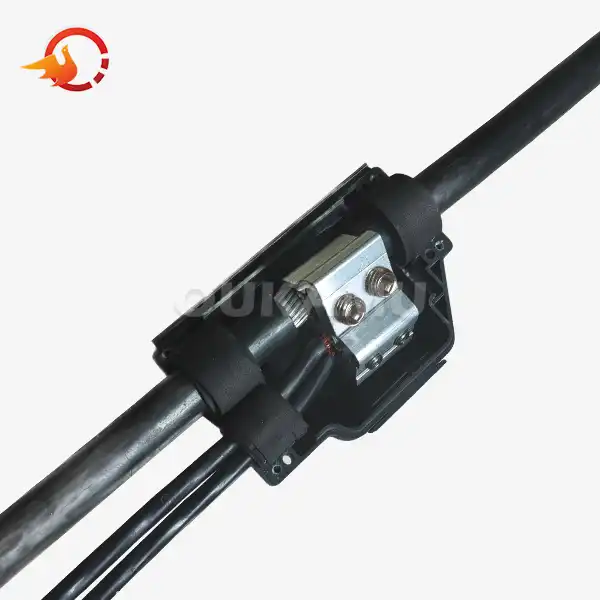
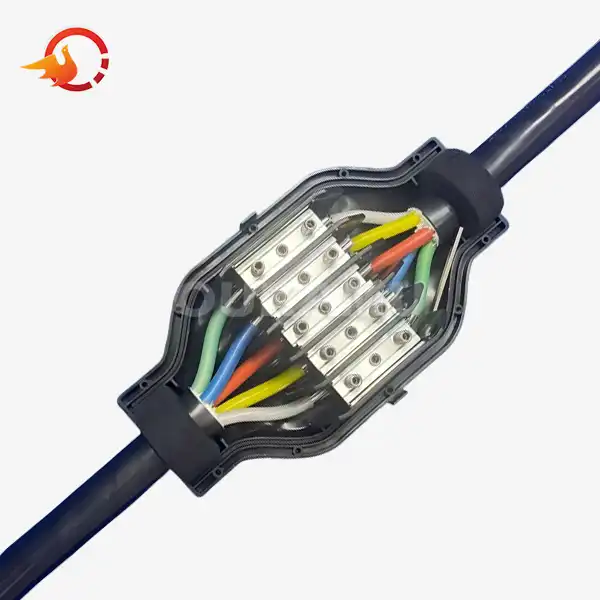
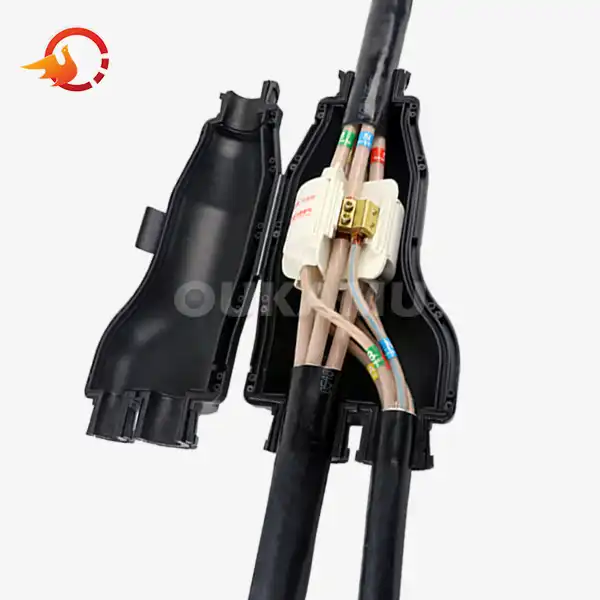
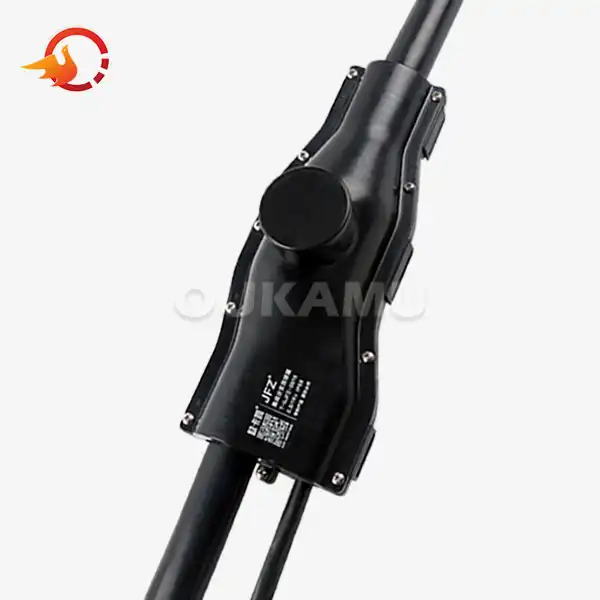
View:389Specialized electrical connection solutions called Branch Cable Joints for Underground Installations make it possible to distribute power in underground networks without stopping the main cable continuity. These new connectors make it easier to connect branches reliably in difficult underground environments. They protect better against moisture, soil pressure, and other environmental stresses. More and more, modern underground installations depend on these advanced jointing systems to keep the electrical integrity while making installations simpler and lowering the need for long-term maintenance in a wide range of industrial settings.

What Are Branch Cable Joints and How Do They Work?
In underground electrical distribution systems, branch cable joints are important connection points that let power flow from main transmission cables to secondary circuits without affecting the structural integrity of the main cable. These special connectors keep both electrical and mechanical connections open while offering strong environmental protection that is needed for underground uses.
Understanding Branch Cable Joint Technology
What branch cable joints are basically designed to do is make safe electrical paths while keeping the main cable running continuously. Modern branch joints use clever T-connector designs that connect to the main conductor without cutting it. This is different from older connection methods that needed to cut the main cable. This method cuts down on installation time by a large amount and gets rid of the possible failure points that come with cable splicing.
There are some problems that are only found underground, like water getting in, soil rusting, temperature changes, and mechanical stress from the ground moving. These problems can be solved by using advanced branch cable joints that have multiple layers of protection. These layers include flame-retardant insulation, waterproof sealing rings, and materials that don't rust, all of which make the joints reliable over time even in harsh conditions.
Types of Branch Cable Joint Technologies
Modern branch cable joint systems use a number of different technologies that are specifically designed for use underground. Heat shrink joints use materials that are activated by heat to make tight seals around connection points. These seals keep out moisture and electricity very well. When heated, the adhesive layers stick to the cable jackets permanently, making weatherproof barriers that can be used for direct burial.
Cold shrink joints make installation easier in places where temperature is important or where heating equipment can't be safely used. These systems use rubber sleeves that are already stretched out and then contract when the protective cores are taken away. This makes secure connections that don't need any extra power. This technology is especially useful in underground vaults or tunnels where heating equipment can't be used because of limited air flow.
For important underground installations, resin-based joint systems offer the best protection against the environment. These systems protect connections inside hardened polymer compounds that are not easily damaged by chemicals, water, or mechanical forces. The curing process makes a single layer of protection that is almost as long-lasting as the original cable construction.
Key Selection Criteria for Branch Cable Joints in Underground Installations
To choose the right branch cable joints for underground uses, you need to carefully look at the technical specs, the environment, and how well you want the joints to work in the long term. Material compatibility is very important because different types of cable insulation need different joint materials to make sure they work well with chemicals and heat.
Technical Performance Parameters
The voltage ratings must perfectly match the needs of the system, taking into account both normal operation and fault situations. The ZR-JFZ-70/35 model, which is made for 0.6/1kV uses, shows how modern joints can handle different voltage classes while still leaving enough room for safety. This specification makes sure that underground distribution systems for homes, businesses, and light industries work reliably.
Conductor size compatibility has a direct effect on how well the joint works and how flexible it is to install. Systems that can handle main cables from 25 to 70 mm³ and branch cables from 2.5 to 35 mm³ make them flexible enough to meet the needs of a wide range of projects. This range is good for most underground distribution needs because it keeps the best current-carrying capacity and mechanical strength.
Environmental Protection Standards
Protection ratings show how well a joint can keep out outside elements. For example, an IP65 rating means that the joint is completely dustproof and waterproof, making it perfect for installations underground. This rating makes sure that the system will work reliably when it's wet, like when there is temporary flooding or high groundwater that makes underground electrical systems hard to use.
Specifications for withstanding voltage check the integrity of the insulation under stress. Systems with a 3.5kV withstand voltage show strong insulation that can handle short-term overvoltages that happen a lot in underground networks. This feature is very important for keeping installations from breaking down too soon when they are hit by lightning-related surges or switching transients.
Resistance values higher than 500M© mean that the insulation is working better and keeping the electricity separate between the conductors and the ground. This specification makes sure that there is little leakage current and that the system will work reliably for long periods of time, which is typical for underground infrastructure projects.
Installation and Maintenance Guide for Branch Cable Joints
In underground applications, the performance and longevity of branch cable joints are directly affected by how they are installed. Modern systems like the ZR-JFZ-70/35 are much easier to install because they don't require cutting the main cables, which saves a lot of work, but they still have better electrical and mechanical performance.
Pre-Installation Planning and Cable Preparation
A thorough site assessment and cable condition assessment are the first steps to a successful installation. A lot of the time, getting into underground spaces is hard and needs special tools and safety procedures. Before starting work in underground vaults or confined spaces, installation teams must make sure there is enough space for working, air flow, and an escape route in case of an emergency.
To prepare a cable, the outer jackets and insulation layers must be carefully taken off while the integrity of the conductors is maintained. Modern branch joints can handle different types of cables, like XLPE, PVC, and rubber-insulated types that are often used underground. If you prepare the joint correctly, it will have good electrical contact and be stable mechanically for its whole life.
Installation Process and Quality Control
Many of the problems that come with installing traditional branch cable joints are taken care of by new design features in advanced branch cable joints. Systems that connect to main cables without cutting them keep the cables' continuity and let you move branches around based on real-world conditions instead of measurements that were made ahead of time.
To make sure proper sealing and electrical performance, component assembly must be done in a certain order. The integrated T-connector body design makes this process easier by putting together several functions into one unit. Hardware made of stainless steel and waterproof sealing rings resist corrosion, which is important for underground longevity.
Electrical tests are part of quality assurance procedures to make sure that connections are correct and that insulation is intact. Resistance tests make sure that the conductor is still connected, and insulation tests make sure that there is enough space between the phases and the ground. These steps keep things from breaking down in the field and set performance standards for future maintenance work.
Maintenance Protocols and Performance Monitoring
Maintenance plans that are followed on a regular basis make branch cable joints last longer and stop sudden failures that can mess up underground distribution systems. The main parts of inspection protocols are looking at the outside sealing, making sure the enclosure is solid, and using thermal imaging to find problems before they become outages.
Protocols for electrical testing check the resistance of the insulation and make sure it keeps working within the limits set by the manufacturer. These measurements keep track of slow degradation that could mean that moisture is getting in or the material is getting old. Early detection lets replacement happen before failure happens, which keeps the system reliable.
Procurement Insights: How to Buy Branch Cable Joints Effectively?
Branch cable joints should be bought in a way that carefully weighs the initial costs against the long-term value. This can be done by carefully looking at product specifications, supplier capabilities, and the total cost of ownership. Knowing how the market works and what suppliers do well lets you make smart choices that meet your immediate budget needs and improve operational performance.
Supplier Evaluation and Product Comparison
Leading companies like 3M and TE Connectivity, as well as specialized providers like Oukamu, have clear advantages in different types of markets. Established multinational suppliers offer a wide range of products and support networks around the world that are perfect for big infrastructure projects. For certain uses, specialized manufacturers can often come up with new solutions and offer competitive prices.
It's not enough to just compare prices; you also need to look at how easy the products are to install, how reliable they are over time, and how much maintenance they need. Systems that make installation faster by not cutting cables and making connection steps easier save a lot of time and money, which balances out the higher cost of materials. These efficiencies are especially useful underground, where it's hard to get to work and the cost of labor goes up a lot.
Cost Analysis and Budget Planning
A full cost analysis includes the prices of materials, the labor needed to install them, and the costs of repairs and upkeep over time. When compared to older methods, using advanced branch cable joints that don't require cutting cables or making reservations can cut project costs by 300 to 500%. These savings come from less wasteful materials, shorter installation times, and easier logistics.
When buying in bulk, you can often save a lot of money on big projects or ongoing procurement programs. Different suppliers have different minimum order amounts. Usually, specialized manufacturers are more flexible with terms for smaller amounts. By understanding these requirements, you can get better prices and manage your inventory more efficiently.
Quality Assurance and Technical Support
Quality certifications, such as compliance with GB/T 14048.7-2016 and international safety standards, make sure that the product is reliable and meets regulatory requirements. These certifications show that the products have been through rigorous testing and quality control procedures that lower the risk of purchasing them and make sure they meet the needs of the project.
The ability to provide technical support affects both the choice of product at the start and the long-term success of operations. For important applications, suppliers who offer detailed documentation, training materials, and support in the field are worth the extra cost because they provide more value. This support is especially helpful for complicated underground installations that need specialized knowledge.
Conclusion
Branch Cable Joints for Underground Installations are important parts of infrastructure that make power distribution reliable while also making installations easier and lowering operational costs. Modern joint technology gets rid of the problems that came with older methods by using creative designs that keep the main cable connected and protect the environment better. The best performance in a wide range of underground applications is guaranteed by using the right selection criteria, which should include technical specifications, environmental ratings, and the supplier's abilities. Complete installation and maintenance procedures extend the life of electrical systems underground and keep them from breaking down, which can be expensive and cause problems with important systems.
FAQ
What distinguishes heat shrink from cold shrink branch cable joints?
Heat shrink branch cable joints require thermal activation to create secure connections, utilizing heated materials that form permanent bonds with cable jackets. This process provides excellent sealing properties but requires heating equipment and adequate ventilation. Cold shrink joints utilize pre-expanded materials that contract without external heat, offering installation advantages in confined spaces or temperature-sensitive environments where heating equipment cannot be safely deployed.
How do modern branch cable joints achieve connections without cutting main cables?
Advanced branch cable joint designs employ integrated T-connector bodies that penetrate cable insulation to establish electrical contact with conductors while preserving cable jacket continuity. This approach eliminates splicing requirements and reduces installation time while maintaining superior electrical performance. The technology enables flexible branch positioning based on actual field conditions rather than predetermined cable preparation.
What maintenance procedures ensure optimal branch cable joint performance?
Regular visual inspections verify sealing integrity and enclosure condition, while electrical testing measures insulation resistance and conductor continuity. Thermal imaging detects developing problems before failure occurs, enabling proactive maintenance. These procedures should be conducted annually for critical installations or as specified by local electrical codes and manufacturer recommendations.
Partner with Oukamu for Superior Branch Cable Joint Solutions
Discover how Oukamu's innovative branch cable joints can transform your underground installation projects through proven technology and comprehensive support. Our experienced technical team provides personalized consultation to match optimal solutions with your specific project requirements, ensuring maximum performance and cost efficiency. As a trusted branch cable joints manufacturer, we offer competitive pricing, flexible order quantities, and rapid delivery to support your procurement timelines. Contact our specialists at info@okmbranchcable.com for detailed technical specifications and project quotations that demonstrate the significant advantages of our advanced jointing technology.
References
1. "Underground Cable Systems: Design, Installation, and Maintenance Practices," IEEE Standards Association, 2023
2. "Branch Cable Joint Performance in Subterranean Environments," International Electrotechnical Commission Technical Report, 2022
3. "Cost Analysis of Modern Cable Jointing Technologies for Underground Distribution," Electric Power Research Institute, 2023
4. "Environmental Protection Standards for Underground Electrical Equipment," National Electrical Manufacturers Association, 2022
5. "Advanced Materials in Underground Cable Joint Applications," IEEE Transactions on Power Delivery, Volume 38, 2023
6. "Installation Best Practices for Underground Branch Cable Systems," International Association of Electrical Inspectors, 2023