
_1790150425011.webp)
How to identify authentic gel-filled waterproof junction boxes from counterfeit products?






 2026-05-14 15:27:08
View:389
2026-05-14 15:27:08
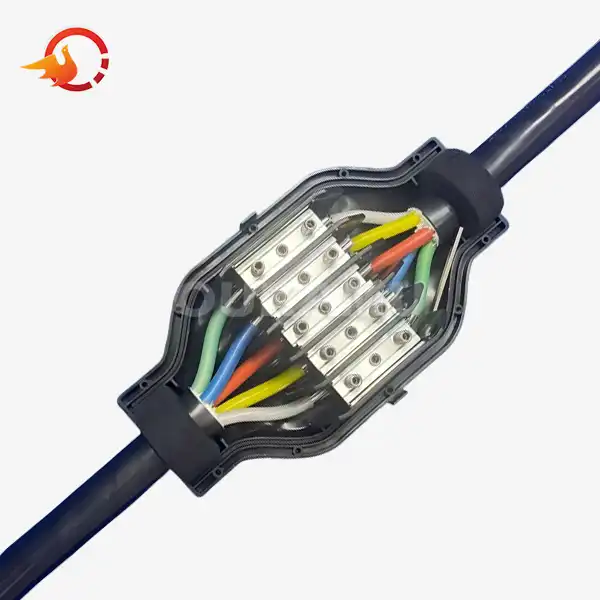
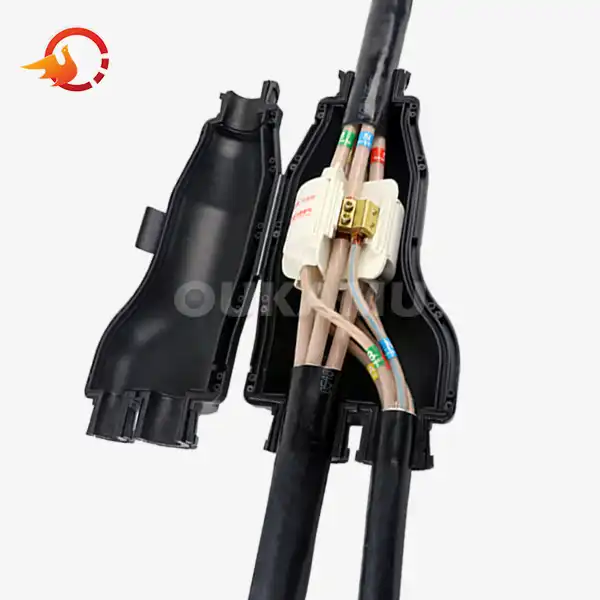
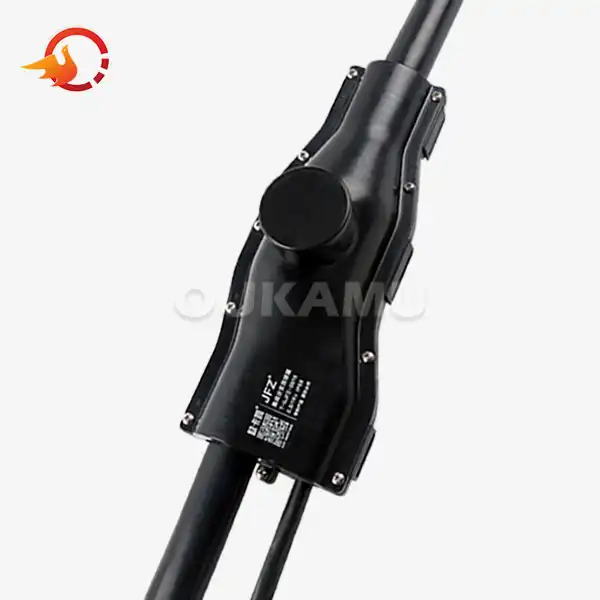
View:389To tell the difference between real Gel-filled Waterproof Junction Box units and fakes, you need to carefully look at their physical qualities, certifications, and the credentials of the seller. Real goods have a uniform gel texture, exact IP ratings like IP68, the right approval marks like UL and CE, and serial numbers that can be checked. Real Gel-filled Waterproof Junction Box units have a strong case with even wall thickness, built-in grounding connections made of pure copper, and safe waterproof cable locks. Fake goods often have inconsistent gel consistency, lighter weight because they are made of lower-quality materials, licenses that are missing or badly printed, and packing that doesn't have holographic security features or QR codes that can be tracked.

Introduction
For electrical systems in factories, on transportation networks, and outside, Gel-filled Waterproof Junction Box units have become necessary infrastructure parts. As purchasing managers and distributors for the U.S. market, we are under more and more pressure to find goods that meet both efficiency and safety standards. The widespread use of fake electrical parts has caused major problems in our supply chains, putting project deadlines at risk and putting companies at risk of liability.
Over the course of twenty years working with wire connection technologies, I have seen how fake Gel-filled Waterproof Junction Box units can weaken systems, leading to costly downtime and safety issues. This guide uses a lot of real-world experience to give you useful ways to tell the difference between real and fake goods. Understanding authentication methods is important for keeping your business's image safe and making sure customers are happy, whether you are stocking items for retail channels, meeting project requirements, or handling e-commerce listings.
The effects on money go beyond the instant costs of the goods. Fake devices often break down before they're supposed to, which can lead to warranty claims, emergency repair costs, and even legal trouble. Distributors and stores that compete on quality instead of price can reduce risk and gain a competitive edge by verifying goods before they enter the supply chain.
Understanding Gel-Filled Waterproof Junction Boxes: Definition and Core Features
Fundamental Design Principles
Gel-filled Waterproof Junction Box units use special sealing technology to keep electrical links safe. The sealing gel forms a shield around wire splices and connection points that keeps water out, even when the area is submerged in water for a long time. Traditional mechanical closing methods only use gaskets or compression joints, which can break down over time. This design approach is very different.
IP Rating Standards and Performance Metrics
The Ingress safety rating method gives numbers to how well environmental safety works. Real goods made for use outside and underground usually get IP68 approval, which means they are dust-tight and can withstand being submerged for a long time below one meter. Some specialized goods have IP69K ratings, which mean they can handle the high-pressure, high-temperature washdown conditions that are common in chemical and food preparation plants. These scores are not marketing claims; they are laboratory-verified performance standards that fake makers rarely meet, even though the packaging says they do.
Tolerance for temperature is another important efficiency factor. Genuine gel-filled cages keep their seals even when the temperature goes from -40°C to +85°C, so they can handle the harsh winters and summers in both northern states and deserts. This temperature stability depends on how the gel substance is made. Real goods use designed polymers that don't break down during flow and keep their elasticity over time.
Material Composition and Safety Features
Real junction boxes are made with flame-resistant materials that meet UL 94 standards for flammability. They usually get V-0 ratings, which mean they put out fires on their own within seconds of being removed from a fuel source. Beyond keeping water out, the internal gel substance does two other things: it adds extra electrical insulation and helps current-carrying wires lose heat. Built-in grounding connections made of pure copper make sure that fault currents flow correctly. This is a safety feature that is often missing or replaced with alloys that aren't as good in fake products.
Chemical protection lets it be used in corrosive environments with fumes of petrochemicals, salt spray, or industrial acids. Real units can handle these kinds of situations without breaking down or losing their seals, so they keep their protection scores throughout their service life.
Common Issues with Counterfeit Gel-Filled Junction Boxes: Problems and Risks
Manufacturing Defects and Material Substitutions
When fake Gel-filled Waterproof Junction Box units are made, they always have problems with quality control that happen because of trying to save money. The most serious problem is gel materials that don't meet standards. Medical-grade or electronics-grade silicone gels are used in real products because they are made to last. Fake products, on the other hand, often use petroleum-based replacements that harden, separate, or leak over time. I have looked at fake units that didn't work because the gel had fully melted within eighteen months of being installed, leaving the links open to water.
In fake goods, the housing materials are often made of reclaimed plastics that have contaminants that weaken the structure. When these materials are exposed to heat or UV light, they crack. This lets water in and speeds up the rusting of connections. By comparing their weight, these fakes are quickly obvious—real gel-filled boxes feel much heavy because they have the right amount of gel inside and are made of good materials.
Operational Failures and Safety Hazards
Water getting into fake Gel-filled Waterproof Junction Box units is the main way they break, which defeats their main purpose. When seals on outdoor systems fail, water can make conductive paths between phases or from live wires to ground. This can cause ground fault interruptions or shock risks. I wrote about a case where fake boxes were put in a parking lot's lighting system and caused multiple circuit breakers to trip. Eventually, the whole system had to be replaced, which cost three times as much as the original installation.
The most dangerous thing is an electrical fire. When internal arcing happens, fake units that don't have the right amount of flame retardancy can catch fire and spread to nearby materials. When grounding connections are missing or not the right size, fault current can't flow properly. This means that dangerous voltage potentials can stay on metal casings that maintenance workers could touch.
Business Impact and Liability Exposure
There are many more costs involved with buying fake goods than just the difference in price. When procurement teams look into equipment failures, they are met with denied warranty claims. This is because makers have every right to refuse to cover goods that haven't been approved. Costs go up when fake parts fail during testing or soon after the system is turned on, forcing quick replacements with real ones to be found.
Damage to reputation affects both wholesalers and workers in the same way. When your company sells fake goods that break down early or cause safety problems, your relationships with customers will suffer, no matter where the fake goods came from. Professional liability insurers are looking more closely at how goods are bought, and they might not cover accidents that involve products from sources that can't be trusted.
Key Criteria to Identify Authentic Gel-Filled Waterproof Junction Boxes
Physical and Material Inspection Techniques
A close physical study of real Gel-filled Waterproof Junction Box units shows how good they are. The gel substance should be the same thickness all the way through the box and have a clear or slightly amber color. Since real gels don't tear or leave behind material when you press on them with your finger, they distort elastically instead. Fake gels often feel sticky, have uneven colors, or have air holes that can be seen that show they weren't filled properly.
The quality of the building of a house gives instant authentication clues. The walls of real goods are all the same thickness, and there are no sink marks, flow lines, or other injection molding flaws. The mating areas on the cover and base are perfectly lined up, and the gap between them is always the same size. When the thread width and pitch are right, threaded wire entries fit together easily. Fake housings often have rough edges, splitting lines that aren't lined up right, and threading that comes off easily when they're installed.
Real units usually have marks that are laser-etched or molded directly into the case and look clear and permanent. Some of these markings are model numbers, logos for certification, date codes, and company information. Screen printing or stickers that stick on easily and can be pulled off are often used on fake goods. The accuracy and amount of detail in these marks show how well the product was made—real companies put money into permanent identification systems.
When you compare the weight to the manufacturer's specs, you can see where materials were switched out. Real gel-filled boxes have a lot of gel inside and good materials for the housing, so the weight differences are reliable. A unit that feels much lighter than expected probably has too little gel fill or materials that aren't what it was supposed to be made of.
Certification and Documentation Verification
Real goods have more than one approval mark that can be checked by anyone. Look for UL listing marks that have a file number that can be used to find the product in the UL Product iQ database. Along with the CE mark, the product should have a Declaration of Conformity that lists the exact guidelines that it follows. RoHS compliance papers show that the right materials were chosen and that they don't contain any restricted chemicals.
Performance claims can be objectively checked by testing results from approved labs. Real makers are happy to give you IP rating test results, temperature cycling data, and guarantees that their products are flame retardant. There are approval numbers for the labs in these records that can be checked with groups like A2LA or ILAC. Products that aren't real either don't have any of this paperwork or have fake papers with fake lab names.
Through the quality processes of the maker, serial numbers and batch codes make it possible to track down items. Genuine goods have unique numbers on them that makers can use to check production dates, material lots, and routes of distribution. This ability to be tracked is very important for guarantee claims or product recalls.
Packaging and Supply Chain Authentication
Real goods come in branded packages with safety features like holographic labels, tamper-evident seals, and QR codes that lead to maker verification sites. When real makers print their products, they use methods that make the graphics clear and the colors stay the same. This is reflected in the quality of the package. Professionally printed materials should come in the packaging with full installation directions, technical specs, and guarantee terms.
Authorized seller checking stops fake goods from getting in. Reputable makers keep up-to-date lists of approved dealers that can be found on their websites. Buying from these verified sources makes sure that the product is real and that the warranty is still good. When buying from suppliers you don't know, make sure you get permission paperwork and check it with the makers directly before you place a big order.
Price research gives hints about authenticity. Products with prices that are much lower than the market average should be looked at more closely. For real gel-filled junction boxes, there are big costs for materials and quality control that set price floors. When an offer seems too good to be true, it's probably a sign of fake goods or material replacements.
How to Source and Purchase Authentic Gel-Filled Waterproof Junction Boxes
Manufacturer Selection and Evaluation
In the U.S. electrical market, there are well-known companies like 3M and TE Connectivity that make high-quality gel-filled goods, as well as niche companies like Oukamu that have been connecting cables for 20 years. When judging a manufacturer, you need to look at their background, qualifications, and position in the market. Businesses that focus on junction technology and branch cable connections show focused knowledge, which makes their products reliable.
When looking at possible suppliers, you should look at their engineering tools and expert help. Real makers have expert support teams that can help you choose the right product, figure out how to use it, and fix problems. Genuine makers can be told apart from fake ones that only offer transactional relationships by this level of knowledge.
Production site certifications show that the factory has quality control methods in place. ISO 9001 certification for quality management shows that processes are controlled in a planned way, and ISO 14001 certification for environmental management shows a dedication to using eco-friendly methods. These licenses need to be checked by outside parties and show that the organization is mature enough to do more than just produce things.
Procurement Strategies for Volume Buyers
Bulk purchasing for store inventory or project fulfillment requires careful supplier qualification. Build relationships with manufacturers that offer reasonable minimum order amounts that match the rate at which you sell your goods. The T-GJFZ-35/16 model from Oukamu is made for main wires from 10mm to 35mm and branch cables from 2.5mm to 16mm. It's an example of a specialized Gel-filled Waterproof Junction Box product that can be used in a wide range of situations without needing a lot of inventory.
When there are number relationships, pricing clarity is very important. Real suppliers have clear price systems that take into account discounts for larger orders, payment terms, and shipping costs. Avoid sellers who offer drastically different prices depending on the way you communicate or negotiate, as this could be a sign of illegal buying.
Sample Testing and Quality Validation
Planned lead times help with managing supplies. Real makers have set production plans that make delivery windows predictable. For standard goods, these windows are usually between four and eight weeks, but they can be longer for custom orders. If a supplier says that a lot of specialized goods will be available right away, they might be using dark market inventory or fake stock.
Before agreeing to big orders, ask for examples to be tested by you or a third party. A physical check should be done to make sure that the gel is consistent, the housing is good, and the writing will last. Functional testing can confirm IP ratings by submersion tests and check electrical qualities like ground connection and insulation resistance.
The paperwork that comes with samples should match the paperwork that comes with the production lot. Real makers give test results, material declarations, and certificates of compliance that are special to the goods that were sampled. Differences between sample paperwork and later production lot documentation raise questions about authenticity and need to be looked into before large purchases are made.
You might want to hire independent testing companies to make sure that key performance factors are correct. This costs more, but it gives a more accurate picture of things like IP grades, flame resistance, and material make-up. When building new source relationships or making sure goods are safe for sensitive uses, this investment pays off.
Maintenance and Long-Term Verification of Authenticity
Routine Inspection Protocols
Post-installation testing makes sure that real Gel-filled Waterproof Junction Box units keep working well for as long as they are used. Set up inspection plans based on how dangerous the situation is. Because of the salt air and changing temperatures, outdoor installations near the coast need to be checked more often than indoor installations.If you look closely, you should be able to see cracks in the case, broken seals, or faded markings that could mean the fake product broke too soon. Using thermal imaging while the system is running can show hot spots that mean there are problems with the internal connections or not enough gel fill volume. These signs usually show up early on in the service life of fake goods, while real ones keep their temperature profiles stable.
Performance is checked by functional testing during planned repair periods. Electrical codes say that readings of insulation resistance between wires and from conductors to ground should always be higher than the bare minimum. The fact that insulation resistance is going down suggests that water is getting in or the gel is breaking down, which needs to be looked into.
Environmental Stress Factors
Temperature changes, UV light, and changing levels of moisture all put stress on junction boxes that are installed outside. Real goods that were made to work in these situations keep their protection scores for the full twenty years or more that they are supposed to last. Fake goods often age faster than real ones. Within three to five years, the housing may become discolored, weak, or leak gel.Chemical contact in work settings checks how well two materials work together. Genuine makers describe their goods' chemical resistance, which helps with choosing the right application. If you subject fake units that don't have the right material specs to chemicals, oils, or corrosive atmospheres that real ones can handle, they may fail quickly.
Temperature changes that cause expansion and contraction put stress on junction boxes in direct burial uses or wire runs that are visible. Real goods can handle these pressures with flexible gel compounds and strong housing designs. Fake units might get cracks where stress builds up, like where the cables enter and where the width of the housing changes, making weak spots.
Supplier Relationship Management
Long-term authentication guarantee is possible by keeping ties with verified providers. Set up ways for people to talk about technical help, insurance claims, and new product information. Real makers value their ties with distributors and offer consistent help throughout the lifecycle of a product.Patterns of warranty claims show problems with the authenticity of the goods. For quality makers, the failure rate for genuine goods is usually well below 1%. High claim rates show that fake goods are getting into the supply chain, which needs to be looked into. Keep an eye on failure types, installation times, and supplier sources to find trends that could mean there are problems with authentication.
Quality standards and ongoing authorization are checked by suppliers on a regular basis. For important projects or connections with a lot of products, you might want to visit factories to see how they make things and how they check for quality. This direct interaction makes people more confident in the authenticity of the goods and makes business relationships stronger.
Conclusion
To make sure that Gel-filled Waterproof Junction Box units are real, they need to be inspected physically, their certifications checked, and the suppliers they come from are screened. The risks of buying fake goods, like them breaking down early, putting people in danger, and leaving companies open to lawsuits, make strict purchasing rules that put real products ahead of small cost savings. The inspection standards and buying strategies in this guide can help procurement professionals protect their companies while building strong electrical infrastructure. Investing in authentication processes pays off in the form of lower upkeep costs, more reliable systems, and a better image for the business in competitive markets.
FAQ
What is the quickest method to identify counterfeit junction boxes?
A weight comparison gives you instant proof of identity. Real Gel-filled Waterproof Junction Box units feel a lot heavier than fakes because they have the right amount of gel inside and are made of good materials. Also, check the product marks to see if they are clear and lasting, like laser-etched or molded identification, instead of the smudged screen printing that is common on fakes.
Which IP rating should I specify for outdoor gel-filled junction boxes?
When used outside, most things need to have at least an IP68 grade, which means they can't let dust in and are protected against constant soaking. Verified IP68 approval with written depth and length standards is helpful for underground systems or areas that are likely to flood. Instead of depending only on what the package says, check the rating with test records from the maker.
Can gel-filled junction boxes be reused after installation?
Real gel-filled items from companies like Oukamu have designs that can be used again and again, so you can separate and reconnect them without having to buy a new case. When handled correctly, the gel substance keeps its sealing qualities through multiple access rounds. Most fake goods use poor gels that tear or get dirty during return and need to be replaced completely.
Contact Oukamu for Authentic Gel-Filled Waterproof Junction Box Solutions
Oukamu has twenty years of experience in wire connection technology and can help procurement workers who need reliable Gel-filled Waterproof Junction Box options. The T-GJFZ-35/16 model has an IP68 rating and gel-filled insulation to protect major wires from 10mm to 35mm and branch cables from 2.5mm to 16mm. The design gets rid of the need to cut major cables and lets them be installed in a variety of ways, such as in wells or directly in the ground. This saves money on the total project costs by cutting down on cable use and improving installation efficiency.
As a well-known maker and provider, we offer full scientific documentation, verification of certifications, and the ability to customize products to meet the needs of both small batch sales and large purchases. Our integrated method combines advanced manufacturing with quick technical help to make sure that the goods used in your projects are real and come with full warranties. Get in touch with our team at info@okmbranchcable.com to talk about your unique needs and ask for full specifications or test units.
References
1. National Electrical Manufacturers Association (NEMA). "NEMA Enclosure Types: Standards Publication 250-2020." Industrial Control Equipment Standards, 2020.
2. International Electrotechnical Commission. "IEC 60529: Degrees of Protection Provided by Enclosures (IP Code)." Third Edition, 2019.
3. Underwriters Laboratories. "UL 50: Standard for Enclosures for Electrical Equipment, Non-Environmental Considerations." Eighteenth Edition, 2022.
4. Institute of Electrical and Electronics Engineers. "IEEE Guide for Field Testing of Shielded Power Cable Systems Using Very Low Frequency (VLF)." IEEE Std 400.2-2013.
5. Copper Development Association. "Electrical Connection Systems: Design, Installation, and Maintenance Practices." Technical Publication, 2021.
6. American Society for Testing and Materials. "ASTM D4935: Standard Test Method for Measuring the Electromagnetic Shielding Effectiveness of Planar Materials." Annual Book of Standards Volume 10.02, 2018.