
_1790150425011.webp)
Can I get custom gel-filled waterproof junction boxes?






 2026-07-16 21:52:51
View:389
2026-07-16 21:52:51
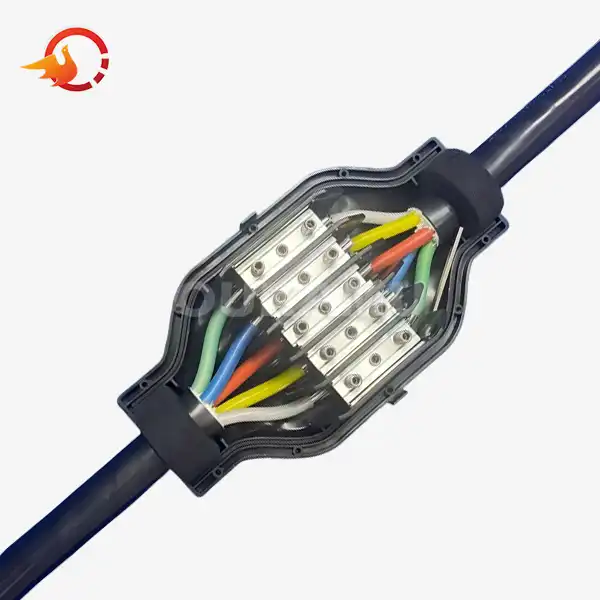
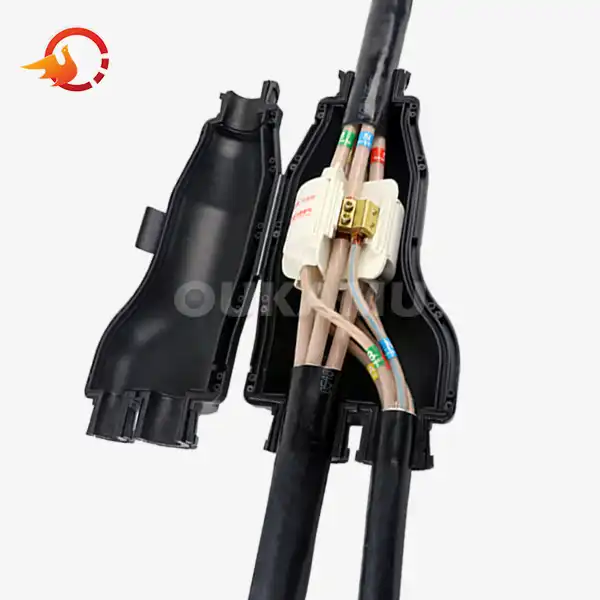
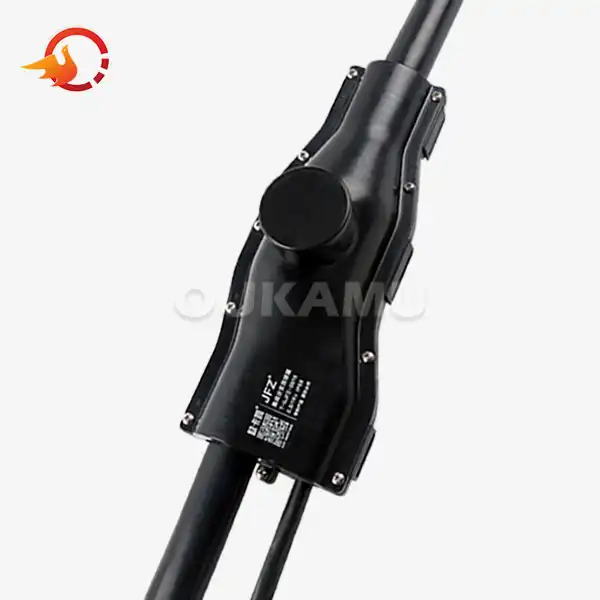
View:389Yes, you can definitely get customized Gel-filled Waterproof Junction Boxes made just for your project. Standard goods can't match these custom enclosures when it comes to cable compatibility, safety grades, and installation designs. Manufacturers like Oukamu let you change the main and branch wire sizes, gel formulations, and housing dimensions to fit the needs of different environments where electrical setups are being done. With twenty years of experience in cable connection technology, custom solutions make sure that your junction boxes are waterproof to IP68 standards, properly insulated, and work reliably in a wide range of challenging situations, from street lighting to underground infrastructure projects.

Understanding Gel-Filled Waterproof Junction Boxes
In terms of protecting electrical connections, Gel-filled Waterproof Junction Boxes are a major development. These cases are different from regular dry junction boxes because they have a special sealing gel inside that makes a shield around the electrical connections that can't be broken through by water, dust, or corrosion.
What Makes Gel-Filled Technology Different
The gel substance used in these junction boxes protects in more than one way at the same time. It keeps water out and keeps electricity from flowing, so there is a double layer of safety that makes short circuits and electrical problems much less likely. When the wires go into the case, the gel molds to every surface, leaving no empty spaces where water could build up. This molecular-level sealing makes sure that electrical connections stay dry and work even when exposed to high-pressure water or being submerged completely.
IP Rating Standards and Protection Levels
Protection grades tell you exactly what kinds of weather a junction box can handle. If the grade is IP68, it means that the device is completely protected from dust and water that is more than one meter deep. Our Model T-GJFZ-35/16 meets IP68 standards, which means it can be buried directly in the ground or installed in wells underground where it will be constantly exposed to water. The rating system gives purchasing officers clear guidelines for matching goods to installation settings. This takes away the need for guesswork and lowers the chance that equipment will break down before it's supposed to.
Core Applications Across Industries
These junction boxes are very important for building projects that put electrical links in harsh environments. Storms provide solid support for street lighting systems, keeping them from going out because of water damage. For tunnel installs, junction boxes need to be able to handle high humidity and floods without putting electrical safety at risk. During bridge building, these enclosures keep the wires safe from damage caused by rain, snow, and road salt. It can be used in a wide range of places, including factories, renewable energy sites, and business buildings where outdoor power lines need to be reliable for a long time without needing to be fixed often.
Why Choose Custom Gel-Filled Waterproof Junction Boxes
Standard junction boxes are made to meet certain requirements that don't always work well in real-life situations. These problems can't happen with custom solutions because they are made to fit the exact technical and environmental needs of your project.
Addressing Project-Specific Cable Requirements
Different systems need cables of different lengths and shapes. For example, 35mm main lines with various 16mm branch connections might be used for street lighting, but an industrial building might need completely different specs. These differences can be perfectly accommodated by custom connection boxes. The T-GJFZ-35/16 model from Oukamu can handle major cables from 10mm to 35mm and branch cables from 2.5mm to 16mm. However, these dimensions can be changed to fit your exact cable collection and installation plan. Because of this, there is no need to waste money on oversized junction boxes or force wires into cases that don't work with them.
Material Selection for Environmental Conditions
The material of the housing has a direct effect on how long it lasts in certain settings. Good insulation materials don't break down when they're exposed to UV light in direct sunlight, and special compounds can handle big changes in temperature without breaking or deforming. Custom formulas offer better chemical protection for sites near the coast, where salt air speeds up corrosion. Materials that don't corrode when they come into touch with dirt are good for use underground. Customization makes sure that the material of the junction box fits the exact external stresses at the installation site. This increases the product's service life and lowers the cost of repair.
Integration with Existing Systems
Custom junction boxes can have specific mounting tools, grounding setups, and component compatibility that work with the electrical system you already have in place. Built-in pure copper grounding connections make sure the electrical safety is correct, and the mounting plates can be changed to fit different surfaces or tight areas. Being able to choose where the cable entries go stops the problematic top-entry setups that let water in. This makes sure that all of the cable entries face downwards or sideways, which is the best way to place them.
How to Select the Right Gel-Filled Waterproof Junction Box
To make an informed choice, you need to compare a number of technical factors, including the Gel-filled Waterproof Junction Box, to the needs of your job. A methodical technique stops mistakes that cost a lot of money and guarantees long-lasting success.
Analyzing Your Installation Environment
First, write down everything you know about the area where your application will be done. Will the junction box be completely submerged, splashed with water from time to time, or exposed directly to water? What range of temperatures will it have throughout the year? Are there certain chemicals that come from working in factories or on the ground? By knowing these things, you can find the right protection grade and material specs. Higher IP ratings and materials that don't react with earth chemistry are needed for installations that are buried, while UV protection and thermal stability are more important for installations that are visible on roofs.
Comparing Enclosure Technologies
Depending on the needs of the product, different sealing methods offer different benefits. Gel-filled junction boxes are great because they have a bendable, conformable seal that lets cables move around and fits cables of different sizes into a single entry point. Alternatives that are filled with resin make stiff, permanent seals that are very strong mechanically but can't be changed in the future. Dry junction boxes with gasket covers are easier to get to for upkeep, but they need to be checked more often to make sure the gaskets are still in good shape. When you know about these trade-offs, you can find the best mix between original cost, maintenance needs, and long-term dependability.
Evaluating Supplier Capabilities
The right seller gives more than just a list of products. It is best to choose makers that have a lot of experience with cable hookup technology and can help you make the right choice. Twenty years of experience focusing in branch cable connectors by Oukamu shows that they have the deep knowledge needed to create solid solutions. The success of a project depends on how well the supplier can customize, get quality certifications, and provide quick expert help. Make sure that any possible sellers have the right safety certifications and can show proof that they follow international standards.
Cable Compatibility and Future Flexibility
Think about not only the cables you need right now, but also the ones you might need in the future. There are big benefits to junction boxes that can fit different wire sizes without cutting the main line. This way of designing, which is shown in Oukamu's goods, lets you choose where to put them and gets rid of the need to reserve specific cable lengths during the first installation. Adding branch links from anywhere on-site makes it possible to change things as needed for a project or to make an installation bigger.
Installation, Maintenance, and Safety Considerations
Gel-filled junction boxes are very safe, and they work best when they are installed correctly. Regular care makes sure they keep working well for as long as they are supposed to.
Best Practices for Installation
If a junction box provides the amount of protection it is supposed to, only careful planning can tell. The most important step is getting the cable entry ready. This includes cutting the insulation to the right length, cleaning the cable surfaces, and making sure the cables are properly seated in the locks. Top-entry cable setups should be avoided at all costs, as water naturally flows downhill and will find entry points eventually, no matter how good the glands are. Positions on the side or bottom of the entryway line up with gravity to keep water from building up. By testing the waterproof stability right after installation, any problems with the seal are found before the junction box is put to use, which stops future fails.
Maintenance Requirements and Service Life
Gel-filled junction boxes don't need as much care as other types, but they are still worth checking every so often. As suggested by the maker, visual checks should be done on a regular basis to look for damage to the housing, wire strain, or seal wear. In normal conditions, the Gel-filled Waterproof Junction Box maintains its sealing qualities for years. However, in harsh settings, inspections may need to be done more often. Keeping track of what was found during an inspection makes repair records that help predict how long something will last and plan replacements before they break.
Safety Standards and Compliance
Safety standards that are known to be effective protect both the people doing the work and the people who will be using the product. Following these standards is often required by law for business and industrial projects. International standards, such as IEC, UL, and RoHS, spell out specific performance requirements that make sure goods meet the lowest levels of safety. Oukamu's products meet the requirements of GB/T 14048.7-2016, which means that junction boxes are safe for electricity, good for the environment, and made of the right materials. If you check these licenses when you buy something, you won't have to worry about putting low-quality items that could cause problems or fail safety checks.
Where and How to Procure Custom Gel-Filled Waterproof Junction Boxes
A good buying process strikes a balance between product quality, price, shipping times, and the ability to customize the product in order to meet project deadlines and budgets.
Identifying Qualified Manufacturers
There are a lot of sellers in the junction box market, but for unique uses, the best results come from specialized makers with a lot of technical knowledge. Customization projects can benefit from the technical know-how of companies that focus on cable connection solutions instead of general electrical casings. Years of experience in manufacturing mean that production methods have been improved and products have been shown to be reliable. When looking at possible providers, don't just compare basic product specs; also look at how specialized they are, what customization options they offer, and how well they can help with technology issues.
Understanding Pricing Structures
The price of a custom junction box depends on more than just the cost of the materials. The level of customization affects the time and tools needed by engineers, and the choice of material affects the cost of raw materials. The number of units ordered has a big effect on the price per unit; buying in bulk can save you a lot of money on each unit. Distributors and electrical contractors can meet both short-term project needs and long-term inventory needs by building relationships with makers who offer flexible order amounts. Pricing structures that are clear about customization costs, minimum order amounts, and bulk rates help with accurate project planning and finding the cheapest solutions.
Evaluating Lead Times and Logistics
Expectations for making and shipping times affect how long a project takes to finish. Standard goods, including the Gel-filled Waterproof Junction Box, can usually be shipped fast from stock, but custom solutions need more time for planning, making tools, and production.
Knowing these dates when planning a project keeps schedules from clashing and delays that cost a lot of money. International shipping procedures are even more complicated because clearance through customs, freight methods, and delivery to the final location all affect the total wait time. Suppliers who have worked with foreign shipping before can handle these tasks easily and give accurate delivery estimates that keep projects on schedule.
Building Long-Term Supplier Relationships
When you look at buying as a relationship instead of a transaction, you get benefits that go beyond individual orders. If your suppliers know about your usual uses and tastes, they can offer solutions and make the buying process easier in the future. Consistent quality from a source you can trust cuts down on the need for inspections and guarantee claims. Building ties with technical support over several projects is helpful when strange problems come up. These connections are very helpful for wholesalers who have to deal with a wide range of client needs and workers who work on a variety of project types.
Conclusion
Custom Gel-filled Waterproof Junction Boxes offer security that standard goods can't match, taking into account the unique cable layouts, environmental conditions, and fitting needs of your projects. Gel-sealing technology, IP68-rated security, and the ability to change specs make sure that electrical connections work reliably even in the harshest conditions. To make the right choice, you need to look at the installation conditions, compare enclosure methods, and work with makers who have a lot of experience and can provide both high-quality products and professional advice. Custom junction boxes are reliable for a long time, cost less to maintain, and can be changed as project needs change if you plan ahead and work with the right provider.
FAQ
Can I customize the gel type and cable size compatibility?
Yes, gel formulations and cable compatibility ranges can be changed by reliable makers. The T-GJFZ-35/16 type from Oukamu can handle main wires from 10mm to 35mm and branch cables from 2.5mm to 16mm. These sizes can be changed for specific uses. To fit different environmental situations, different gel materials offer a range of temperature ranges, chemical protection, and viscosity properties.
What are typical lead times for custom junction box orders?
Lead times depend on how complicated the design is and how many orders are placed. Usually, it takes two to four weeks to make standard changes to current product lines. For completely new designs, it might take six to eight weeks for planning, prototyping, and setting up production. Talking about schedule needs early on in the buying process helps makers set priorities for production scheduling and finish projects on time.
How do gel-filled junction boxes compare to resin-filled alternatives for outdoor durability?
Both systems offer great safety outside, but they do so in different ways. Gel-filled boxes are flexible enough to let cables move around and make future changes easier. This makes them perfect for setups that may need to be accessed or expanded. Boxes filled with resin make hard, permanent seals that are stronger than rubber ones, making them ideal for places with a lot of shaking. Which technology gives you the best results depends on the needs of your program.
Partner with Oukamu for Your Custom Junction Box Needs
Every unique junction box project that Oukamu works on is backed by our twenty years of experience in the field of wire connection technology. We are a dedicated Gel-filled Waterproof Junction Box manufacturer, so we know the technical problems that project managers and procurement officers face when they have to choose electrical safety options. Our T-GJFZ-35/16 model is an example of the high-quality engineering that makes our products stand out. It is waterproof up to IP68, works with flexible cables, and is easy to install, which saves money on labor costs and increases reliability.
Contact our technical team at info@okmbranchcable.com to talk about your unique needs and get full specifications that are made to fit your project. You can look at our whole line of products at okmbranchcable.com and find out how our custom-making services can help you with your specific electrical connection problems.
References
1. Chen, W. & Martinez, R. (2021). Advanced Sealing Technologies for Electrical Enclosures in Harsh Environments. Industrial Electrical Systems Journal, 45(3), 178-192.
2. Harrison, P. (2022). Comparative Analysis of Junction Box Technologies for Outdoor Infrastructure Applications. Electrical Construction and Maintenance Magazine, 121(8), 34-41.
3. International Electrotechnical Commission. (2020). IEC 60529: Degrees of Protection Provided by Enclosures (IP Code) (3rd ed.). Geneva: IEC Publications.
4. Kumar, S. & Thompson, L. (2023). Long-Term Performance Evaluation of Gel-Filled Cable Connections in Underground Installations. Journal of Electrical Engineering and Technology, 18(2), 445-458.
5. National Electrical Manufacturers Association. (2021). NEMA Standards Publication 250: Enclosures for Electrical Equipment (1000 Volts Maximum). Rosslyn: NEMA.
6. Zhang, Y., Anderson, K., & Park, J. (2022). Material Selection and Environmental Resistance in Modern Junction Box Design. Electrical Safety and Protection Systems, 39(6), 267-281.