

_1790150425011.webp)
Cable Joint Installation Mistakes and How to Avoid Them Today






 2026-08-27 11:12:56
View:389
2026-08-27 11:12:56
View:389When it comes to electrical infrastructure, proper cable jointing can mean the difference between seamless operations and catastrophic system failures. Throughout my years working with electrical distributors and project contractors, I've witnessed how installation errors lead to downtime, safety hazards, and significant financial losses. Cable Joint quality and selection are central to these risks, yet they are often overlooked until a failure occurs. Understanding common mistakes in cable joint installation and implementing proven prevention strategies helps procurement officers, store managers, and electrical contractors deliver projects that meet both safety standards and budget expectations.

Understanding Cable Joint Installation: Common Mistakes Explained
Cable Joint installations are what make electricity distribution systems in businesses, homes, and building projects work. Because these connection points are used in a wide range of places, from underground utility networks to open outdoor installations, it is very important that they are installed correctly.
Types of Cable Joints and Their Applications
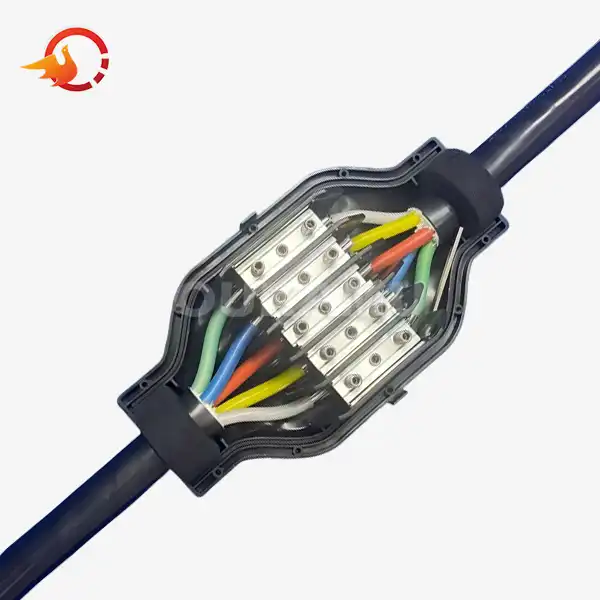
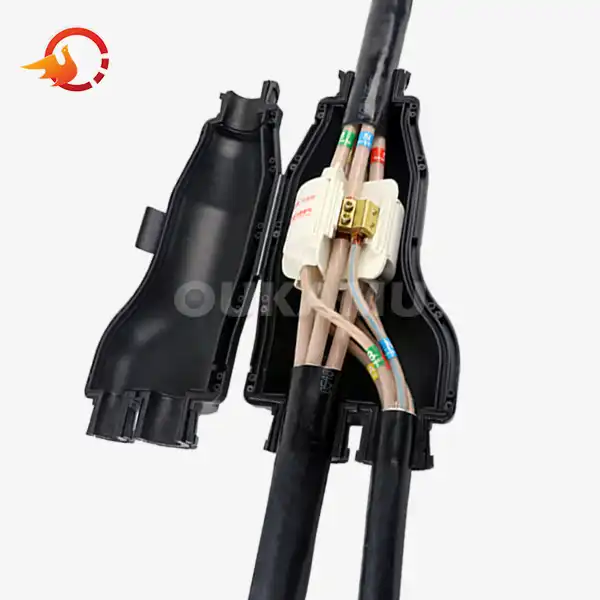
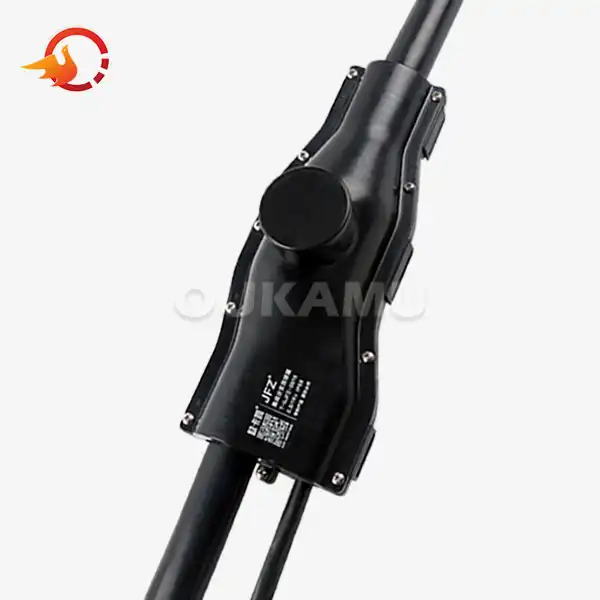
Different project needs call for different jointing options. In outdoor uses, heat shrink joints seal well against the elements, while pre-molded joints work consistently in basement settings. Epoxy resin joints are better at keeping out moisture in harsh conditions, and silicone-based solutions can be used for systems that need to be flexible and resistant to thermal cycles. Branch Cable Joints, especially more advanced models like the ZR-JFZ-120/35, give you flexibility on-site without having to cut main cables, which is very helpful for big projects.
The technology used for modern branch jointing has changed a lot. At rated voltages of 0.6/1kV, the ZR-JFZ-120/35 type can handle main wires from 50mm to 120mm and branch cables from 2.5mm to 35mm. This flexibility covers a range of situations within a single project, making it easier for distributors and sellers of engineering materials to keep track of their stock.
Most Frequent Installation Errors
One of the worst mistakes is not preparing the site well enough. Installers don't always do environmental surveys, which can cause failures due to wetness or temperature. On some projects, contractors forgot to clean the cable's surface properly, which meant that the insulation broke down in months instead of the decades that was expected.
Material mismatches are just as bad of a problem. If you use soundproofing materials that don't work with each other or choose parts that are rated for indoor use outside, they will fail early. When cables are spliced and not properly aligned, stress spots are created that weaken the wire over time. Not following the manufacturer's instructions, especially when it comes to torque requirements and curing times, can void warranties and put procurement teams at risk of being sued.
Table 1: Common Installation Mistakes and Their Consequences
| Mistake Category | Specific Error | Resulting Problem | Average Downtime Cost |
|---|---|---|---|
| Site Preparation | Not enough control over moisture | Breakdown of insulation | $5,000 to $15,000 |
| Material Selection | Mismatch in voltage rating | Failure of electricity | $8,000 to $25,000 |
| Installation Process | Not using the right closing method | Ingress of the environment | $3,000 to $12,000 |
| Documentation | Not checking after installation | Undiscovered flaws | $10,000 to $50,000 |
Costs go up all along the supply chain because of these mistakes. Distributors have to deal with returns and damage to their image, while project workers have to deal with delays and fines. Because this pattern happens in all markets, anyone who buys or installs electrical products needs to know how to prevent problems.

Root Causes of Cable Joint Installation Failures and How to Address Them
Procurement pros can make better buying choices and build stronger relationships with contractors if they know why installations fail. There are three main types of root reasons that need to be taken into account when choosing a product and planning a project.
Environmental Challenges and Design Mismatches
It's possible that moisture is the biggest threat to joint health. Installations that are buried are constantly exposed to humidity, while joints that are outside have to deal with rain, condensation, and changes in temperature. If you choose joints that don't have the right environmental ratings for the conditions you'll be working in, you leave yourself open to problems like electrical tracking, corrosion, or insulation degradation.
Extremes of temperature cause mechanical stress by expanding and contracting over and over again. For projects in places where the seasons change a lot, the joints need to be designed to keep their binding integrity over a wide range of temperatures. Design mistakes, like connecting conductors made of different materials or mixing types of cable insulation, can cause galvanic corrosion or differential thermal expansion, which can damage connection points.
Workforce Training and Experience Gaps
When technicians don't have the right training, even high-end goods fail. Modern jointing systems are very complicated, so you need to know how to prepare materials, move them around, and check the quality of the work. I've seen situations where experienced electricians had trouble with joint types they weren't used to, which led to installations that technically passed visual inspection but had problems that couldn't be seen.
Framework uniformity is achieved by following worldwide norms such as IEC requirements. Standards alone, though, can't make up for a lack of hands-on experience, especially when dealing with Cable Joint installation where subtle field conditions often determine long-term reliability. Distributors and sellers are very helpful because they can help with installation or put buyers in touch with qualified fitters who know how to use certain product lines.
Addressing Root Causes Through Strategic Procurement
The JinRentong Highway project shows that using the right products and installing them correctly can lead to great results. In this important infrastructure that links Zunyi and Bijie towns in the Chengdu-Chongqing Economic Zone, nearly 20,000 Oukamu Cable Joints were put in place. The project was successful because it used advanced jointing technology that worked well in that environment and made sure that installer teams had a lot of training on branch joint systems.
Fewer installation problems can happen if procurement officers set clear product specifications that take environmental factors into account, make sure that suppliers provide installation documentation, and check the qualifications of contractors before the project starts. This method changes procurement from just buying things to managing risks that keep project budgets and timelines safe.
Best Practices and Step-by-Step Guide to Installing Cable Joints Correctly
Using organized installation methods greatly lowers the number of mistakes made and raises the overall efficiency of the project. These practices are good for everyone in the supply chain, from contractors who want to protect their reputation by doing good work to distributors who handle warranty claims.
Pre-Installation Preparation Checklist
Before any installation work starts, making sure that everything is compatible stops mistakes that cost a lot of money. It seems like a no-brainer that cable standards should match joint rates, but mismatches happen all the time when projects are rushed to meet deadlines. Buying certified products from well-known companies makes sure that safety standards are met and gives you access to technical support if you have any questions during installation.
Putting together trained construction teams with the right tools is another important step in getting ready. Because advanced branch joints like the ZR-JFZ-120/35 can be used again and again, they need to be handled by people who know how to do it right. These methods make it possible to place them in a variety of positions, which means that main cables don't have to be cut. This saves 2-3 meters of cable per connection point. However, these benefits can only be realized by workers who know how the technology works.
Critical Installation Steps
Preparing the cables is the first step in making connections that work. Checking for damage, removing insulation to exact levels, and cleaning circuit surfaces well are all things that are done to see if joints last as long as they were meant to. If you hurry through this step, you might introduce contaminants or make geometric flaws that make the covering less effective.
Modern branch joints have an integrated T-connector design that makes fitting easier and safer. Even in high-risk areas, electrical dangers are lessened by modern insulation and protection systems. Interfaces that are easy to use and allow for quick, correct connections make installation more efficient. These features are especially helpful for projects that need a lot of branch points, since installation speed has a direct effect on work costs.
Care must be taken to ensure that the insulation and sealing techniques are used correctly. Joints will work as well as they should if you follow the manufacturer's instructions for how to apply the material, how long it needs to cure, and what conditions you need to work in during installation. Good goods like the ZR-JFZ-120/35 have flame-retardant, fire-resistant, and waterproof features. These features only work when the fitting process keeps these safety features.
Post-Installation Verification and Maintenance
Visual inspection finds obvious flaws like missing seals or mechanical damage, but electrical testing finds problems that are hidden. Before turning on the power, insulation resistance tests, continuity checks, and voltage survive tests make sure the construction is good. Setting up routine repair plans for joints increases their useful life by allowing for regular checks that find wear and tear before they break.
Keeping records during the building process is helpful for making guarantee claims and planning future maintenance. Taking pictures of finished joints, writing down installation dates and environmental conditions, and keeping test results show that the right steps were taken, which protects everyone involved in the project delivery.
Comparing Cable Joint Types and Choosing the Right Solution for Your Project
It's important to find the right jointing technology by weighing technical needs, installation difficulties, environmental factors, and budget limits. Knowing the differences between the choices gives procurement workers the power to choose goods that provide the best value over their entire existence.
Heat Shrink vs Pre-Molded Joint Systems
When used correctly, heat shrink joints allow for flexible fitting and great protection against the environment. The process of applying heat precisely shapes insulation materials to the shape of the cable, making them effective moisture barriers. However, the success of any Cable Joint—whether heat shrink or otherwise—depends heavily on proper technique and site conditions. But this method needs trained installers with the right heat guns and control over the surroundings while the concrete cures. When installing heat shrink, cold weather or humidity can make it less effective.
When you buy a pre-molded joint, the insulation parts are already made to fit a certain wire size. Installation is easier, so you don't need to be skilled or wait for good weather. As a result, there is less ability to adapt to different wire sizes, and unit costs are usually higher. Pre-molded solutions work best for projects with standard cable requirements, while heat shrink adaptability works best for custom installations.
Evaluating Silicone and Epoxy Resin Options
Silicone joints work great in places where temperatures change a lot or where movement is needed. Because they don't break easily in cold or hot temperatures, they can be used outside in places where the seasons change quickly. Environmental toxins can't get into industry situations because of chemical resistance qualities.
Epoxy resin joints are better at keeping out moisture and being strong. Epoxy's ability to stand up to steady humidity and earth pressure is especially useful for installations that are buried. The hard structure works very well for electricity, but it doesn't handle temperature changes as well as silicone options. Knowing these differences helps match the qualities of a joint to the needs of a specific project.
Single Core vs Multi-Core Joint Selection
Single core joints are good for situations where you need to manage each conductor separately or where cable routing needs separate paths. In normal distribution situations, three-core and four-core joints make installs easier by cutting down on the number of connection points and the time it takes to install. Branch joint technology lets you connect more than one thing from a main generator without having to cut the wire.
Table 2: ZR-JFZ-120/35 Branch Joint Technical Specifications
| Parameter | Specification | Advantage |
|---|---|---|
| Main Cable Range | 50 mm to 120 mm | Standard power lines can be used. |
| Branch Cable Range | 2.5 mm to 35 mm | Supports a wide range of load needs |
| Rated Voltage | 0.6/1kV | Suitable for distributing low-voltage power |
| Installation Method | There's no need to cut the main wire. | 2 to 3 meters of wire are saved per joint. |
| Reusability | Reusable design in every way | Lowers the cost of repair in the long run |
| Compliance | Certified by GB/T 14048.7-2016 | Meets safety standards around the world |
| Protection Features | Insulated, resistant to flames, fire, and water | Ability to deploy in multiple environments |
Jointing technology has come a long way with the development of advanced branch joint devices. Being able to connect branches at any point on-site, without having to worry about spacing, gives you flexibility that prefabricated solutions can't offer. This flexibility is especially helpful for projects that need to make changes to the design while they are being built. This way, expensive cable waste or repair costs can be avoided.
Sourcing from Reputable Suppliers
Product quality varies a lot between makers, which leads to big differences in how well they work and how long they last. Well-known brands put money into quality control, research, and development systems that make their products perform better in the field every time. When problems happen, warranty terms and help after the sale are very important. This means that the reputation of the supplier is just as important as the product specs.
By working together with makers who offer full expert help, distributors and project contractors lower their risk. Help with installation, fixing problems, and product training classes are all useful in addition to the goods themselves. These services help buyers who are in charge of multiple projects or who are entering new markets where jointing standards are different from what they have seen before.
Procurement Considerations for Buying Cable Joints: Avoiding Installation Risks Through Smart Purchasing
Strategic procurement is more than just comparing prices. It also includes total lifecycle costs, supplier reliability, and lowering risk. Retailers, marketers, and project buying officers who know how to think about these things gain a competitive edge by making projects go more smoothly and making customers happier.
Balancing Quality and Cost in Bulk Purchases
Price pressures make people look for the cheapest options, but sacrificing quality leads to much higher costs in the form of failed installations, warranty claims, and damage to the company's reputation. When you figure out the total cost of ownership, you have to take into account things like installation work, expected lifespan, upkeep needs, and the chance that something will break. Premium products that cost more per unit often have better lifecycle value because they last longer and require less work.
When you buy in bulk, you can get better prices on items while still maintaining quality standards. Getting to know makers like Oukamu, who have been making branch Cable Joints for over 20 years, gives you access to both products and professional advice. Long-term relationships give you more ways to customize your options, which are better for meeting the needs of a specific project than buying generic options.
Verifying Supplier Credibility and Certifications
Product approvals are proof that a product meets quality and safety standards. Standards conformance, such as GB/T 14048.7-2016 or equivalent international certifications, make sure that products meet established performance standards. Supplier quality management system certificates show that the production process is uniform, which lowers the risk of differences between batches.
Project schedules are kept safe by checking the level of customization and delivery reliability. Suppliers who allow variable small and medium batch purchases can meet inventory management needs without requiring too much cash. Knowing the wait times for standard and custom goods lets you plan a reasonable project that doesn't force you to choose a product that doesn't meet your needs.
Coordinating Installation Services and Support
Some sellers include training or installation services in the price of the goods they sell, making complete packages that make it easier for buyers to coordinate. When there are clear ways to talk about technical questions during installation, mistakes that happen because of a lack of information or a wrong interpretation of the instructions are avoided. Manufacturers set up professional installer networks as vetted resources for buyers who don't have their own installation experts.
Warranty terms and help systems for after-sales care should be carefully looked over. Buyers can avoid unpleasant surprises after installation by knowing what situations void warranties, how long it takes for help requests to be answered, and whether new products are available. When these things are delivered by comprehensive supplier partnerships, procurement changes from simple buying to strategic relationship management that makes a company more competitive.
Modern branch joints can be installed in a variety of places because they are small and flexible. They can be fixed freely or inside cable bridges. These flexible options cut down on the amount of room needed for buildings while still providing insulation, flame retardancy, fire resistance, and resistance to corrosion. Characteristics of durability lead to lower maintenance costs and longer replacement cycles, which are both good for figuring out total costs.
Conclusion
To avoid making mistakes when installing Cable Joints, you need to know a lot about the technologies used, the surroundings, the installation process, and how to get the materials you need. The electrical distribution industry is always changing. For example, advanced branch joint systems don't require cutting the main cable and give installers more options for how to set up their systems.
Technical needs must be balanced with practical issues like training for installers, help from suppliers, and the total cost of ownership over the project's lifetime. When procurement workers learn these skills, they get better results like fewer failures, faster project completion, and better safety performance. Putting money into choosing the right products and installing them correctly pays off over the life of the system.
FAQ
What distinguishes cable joints from cable connectors?
Cable Joints make permanent links that are meant to be installed in set places for a long time. They usually have a lot of insulation and environmental protection built in. Connectors make temporary or semi-permanent connections that can be broken for maintenance or to change the way something is set up. Joints are good for long-term infrastructure setups, while connectors are better for equipment terminations or test points that need to be accessed from time to time. By knowing this difference, you can avoid making design mistakes that hurt the reliability of the system or make upkeep more difficult than it needs to be.
How frequently should cable joints undergo inspection and maintenance?
Visual checks should be done once a year on normal setups, and more often in harsh settings with high or low temperatures, chemical exposure, or mechanical stress. Full electrical testing is done every three to five years to make sure the insulation is still good and the connections are still good. More frequent inspections are needed for joints that are clearly breaking down, carrying heavy loads, or getting close to the end of their manufacturer-specified lifespans. Keeping records of what was found during inspections allows for trend analysis, which can spot potential problems before they happen.
What safety hazards result from poor cable joint installation?
When joints aren't put together correctly, they can cause electrical arcing, which can ignite nearby materials and pose a fire risk in industrial facilities. People who work on maintenance equipment are at risk of getting shocked when the insulation isn't good enough. When moisture gets in, it causes tracking that slowly weakens the insulation until it fails completely, which could happen at peak load times when the effects are worst.
These risks are greater in industrial settings where electrical systems come into contact with flammable materials or work in places that are hard for emergency responders to get to. Investing in good items and trained workers is worth it because proper installation practices protect against these risks.
Partner with Oukamu for Reliable Cable Joint Solutions
Xi'an Oukamu Electric Co., Ltd. has been specializing in branch Cable Joint technology for more than 20 years and can help you with your electrical infrastructure projects. Our ZR-JFZ-120/35 model gives distributors, project workers, and stores that sell electrical goods the freedom, safety, and low cost that they need to stay ahead of the competition. The built-in T-connector makes installation easier while still meeting GB/T 14048.7-2016 and other international safety standards.
As a reliable Cable Joint supplier, we offer full technical support, flexible buying options for small to medium batches, and performance that has been seen in big infrastructure projects like the JinRentong Highway. Email our team at info@okmbranchcable.com to talk about how Oukamu's creative jointing options can help with your project. Visit okmbranchcable.com to see all of our products and learn why procurement professionals in the railroad, highway, construction, and municipal sectors choose Oukamu for safe, reliable, and affordable cable connection solutions.
References
1. Institute of Electrical and Electronics Engineers (2019). IEEE Guide for Field Testing of Shielded Power Cable Systems Using Very Low Frequency (VLF) Voltage. IEEE Standards Association.
2. Johnson, M. & Patterson, R. (2021). Cable Jointing and Termination Best Practices for Low and Medium Voltage Applications. Technical Publications International.
3. National Electrical Contractors Association (2020). Quality Installation Procedures for Underground Distribution Systems. NECA Standards Committee.
4. Williams, D. (2018). Environmental Factors Affecting Cable Joint Performance in Industrial Applications. Journal of Electrical Installation Technology, Vol. 45, pp. 112-127.
5. International Electrotechnical Commission (2022). IEC 60502 Series: Power Cables with Extruded Insulation and Their Accessories. IEC Technical Committee 20.
6. Zhang, L. & Anderson, K. (2023). Comparative Analysis of Cable Jointing Technologies in Infrastructure Projects. Electrical Construction and Maintenance Engineering Review, Vol. 38, pp. 76-94.