

_1790150425011.webp)
Cable Joint Applications in Renewable Energy Project






 2026-04-14 15:07:39
View:389
2026-04-14 15:07:39
View:389Cable Joint applications are an important part of infrastructure for renewable energy projects because they make sure that electricity connections between solar, wind, and other renewable energy installations are stable. These special electrical connections make it easy for power to flow between different parts of a system while keeping the system's integrity even in harsh circumstances. Modern cable joints insulate, keep out water and weather, and protect against mechanical damage in ways that green energy systems need to work well and last a long time.

Understanding Cable Joints in Renewable Energy
Cable joints make safe, weatherproof connections between power cables all over the electrical system. They are the backbone of green energy systems. These parts make sure that electricity flows smoothly from power plants to distribution networks. They are very important for keeping the system reliable and efficient.
Types of Cable Joints for Renewable Applications
In the green energy industry, different kinds of cable joints are used. Each type is designed for a specific job and setting. Heat-shrink joints are great at keeping out water, and they are often used in underground systems where the dirt can cause corrosion problems. For high-voltage uses in wind farms, resin-filled joints are perfect because they are better at insulating and are also stronger. Mechanical parts make it easy to install and fix things quickly, which is helpful for solar systems that are far away and where expert time is expensive.
Silicone-based joints are becoming more common because they can withstand high temperatures and UV light, which makes them especially useful for solar systems in the desert. Extreme changes in temperature don't affect the stability of these joints, and they keep working properly electrically for long periods of time.
Installation Best Practices for Harsh Environments
Professional fitting methods have a big effect on how well cable joints work in green energy uses. When installing things outside, you need to pay close attention to environmental seals and cable strain relief to keep water out and prevent mechanical failure. For long-term dependability, underground systems need to be properly drained and tested for soil compatibility.
When green energy systems are installed, they need to be able to handle the processes of thermal expansion and contraction that happen as the temperature changes throughout the day and throughout the year. Joint materials stick together best when cables are properly prepared, which includes cleaning and treating the surface. During installation, quality control methods help find problems before they get worse and slow down the system.
Key Benefits and Challenges of Using Cable Joints in Renewable Energy
High-quality cable joints have big practical benefits that have a direct effect on the reliability and profitability of green energy projects. These parts offer better protection, which stops electricity problems and keeps system safety standards high. Because they are weatherproof, they keep important links safe from water, UV light, and the wide ranges of temperatures that are common in places where green energy is installed.
Operational Advantages and Performance Benefits
Implementing premium cable joints leads to measured gains in system safety, less maintenance needs, and less downtime for operations. Over the course of the project's lifecycle, these benefits add up, saving a lot of money through fewer fixes and longer machine life. When joints are placed correctly, they keep their electrical qualities stable, which improves the efficiency of energy transfer and lowers power losses.
The environmental resistance of modern cable joints makes them work reliably in tough circumstances that would break down less durable goods. Their ability to handle mechanical stress from wind loading, temperature changing, and ground movement makes sure that they will keep working well for as long as the project is in use.
Common Failure Modes and Prevention Strategies
Cable joints usually break because the fitting wasn't done right, the material broke down, or there was too much mechanical stress beyond what was designed. If the area isn't prepared properly before installation, it can make it harder for the glue to stick and let water in. If there isn't enough pressure relief, the cable may move, which weakens the joint over time.
Standardized construction methods, regular visual checks, and following the right steps for electrical testing are all examples of preventative measures. These habits help find possible problems early on, before they become major system failures that need urgent fixes and expensive downtime.
Choosing the Right Cable Joint for Renewable Energy Projects
To choose the best cable joints, you need to carefully look at the needs of the project, the surroundings, and the expected performance. To make the choice, you have to compare different ways to connect, such as joints, splices, connectors, and full jointing kits, to find the best one for each situation.
Procurement Criteria and Supplier Selection
To find the best cable joint providers, you need to look at their quality certifications. These standards make sure that the products are reliable and safe. Total lifecycle costs, not just the original purchase price, should be used in cost-effectiveness analysis, since high-end goods often offer better long-term value through lower costs for repairs and replacements.
Because electrical links are so important in green energy systems, it's especially important that suppliers can be trusted. Customers can be more confident in the performance and technical help of products made by well-known companies that have a history of using green energy.
Advanced Cable Branch Technology Solutions
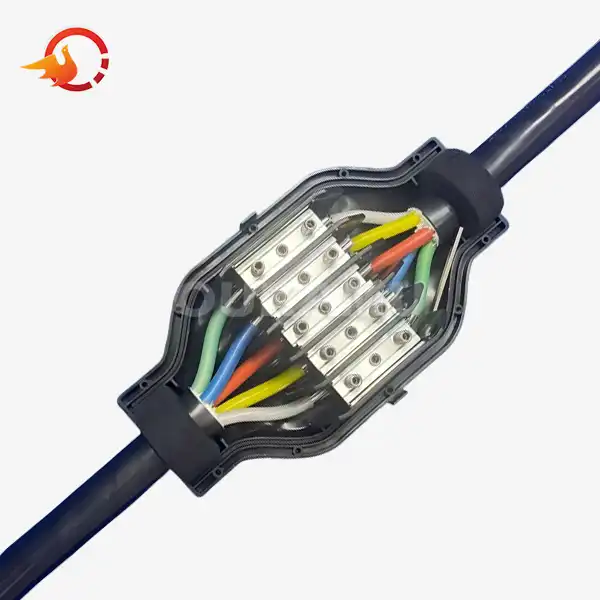
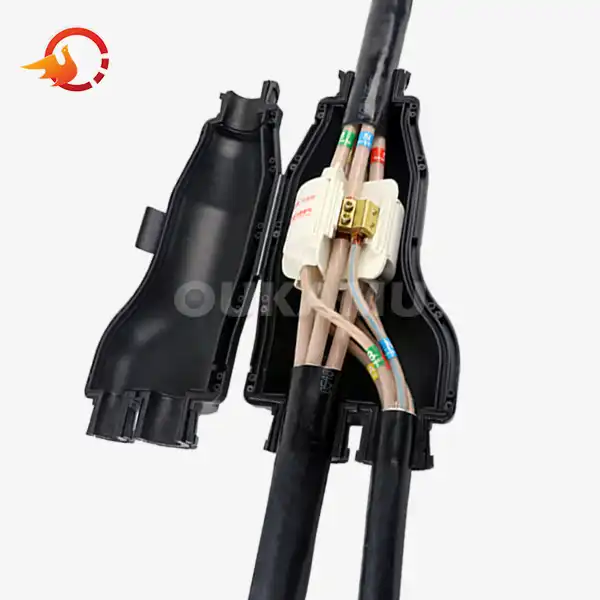
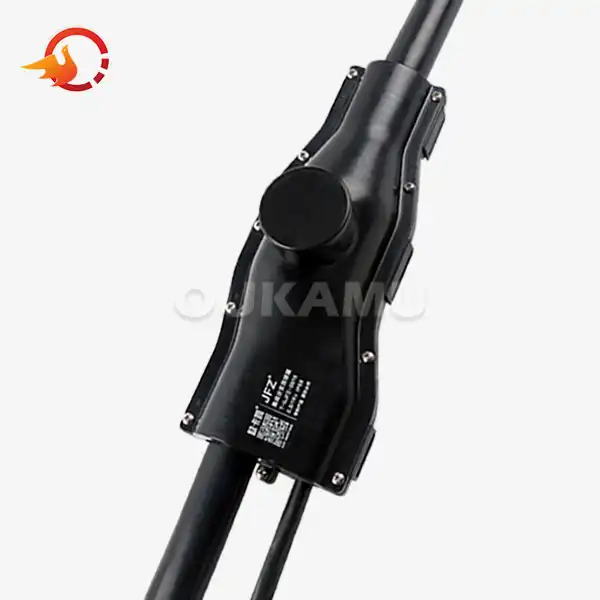
The ZR-JFZ-120/35 branch cable joint from Xi'an Oukamu is an example of cutting edge technology made just for flexible renewable energy setups. This clever idea can handle major cables that are 50 to 120 mm in diameter and branch cables that are 2.5 to 35 mm in diameter. It can handle a rated voltage of 0.6 to 1 kV. The design that can be used again and again means that you don't have to cut the main cables or hold specific lengths, which gives you a lot of installation options.
The built-in T-connector design makes things safer by using better insulation and security systems that lower the risk of electrical dangers. This product's design ensures steady performance even in harsh environments. This makes it perfect for green energy uses where durability and resistance to the environment are important. The quick and easy construction process cuts down on both downtime and labor costs while keeping links safe.
Case Studies and Practical Applications in Renewable Projects
Real-life examples show how important it is to choose and install the right cable joints for all kinds of green energy projects. Solar systems have special problems, like high temperatures, UV exposure, and quick changes in temperature, that need special shared solutions.
Solar Energy Project Implementation
For large-scale solar systems, photovoltaic panels need to be connected to transformers and grid connection points by large networks of cables. In these situations, cable joints have to be able to handle constant UV light and big changes in temperature while still being electrically sound. The Jinrentong highway project showed off Oukamu's skills in building large-scale infrastructure. It used almost 20,000 cable connections to make sure that the transportation network had smooth electricity connections.
Branch cable joints are very useful in solar uses where several strings of panels need to be connected to the same distribution cables. Being able to make branch links anywhere on-site gets rid of the need for pre-made cables and makes installation easier.
Wind Energy Applications and Requirements
When installing wind turbines, the cable joints need to be able to handle constant shaking, extreme weather, and possible lightning hits. Offshore wind projects have extra problems, like corrosion from salt spray and limited entry for upkeep, that need very strong shared solutions.
Modern branch joints are small and have a compact structure, so they can be installed both in open areas and in tight places like underground cable runs and turbine towers. This adaptability meets the complicated route needs that are common in wind farm setups while keeping the electricity running smoothly.
Conclusion
Cable Joint uses in green energy projects are changing because the business needs more dependable, effective, and inexpensive options. Choosing the right cable joints has a big effect on the success of a project because they improve safety, lower upkeep costs, and make systems last longer. Today's branch cable technology gives green energy systems more freedom than ever before, while still meeting the high performance standards needed for important electrical infrastructure. As the use of renewable energy grows around the world, it becomes more and more important to have stable cable links in order to reach sustainable energy goals.
FAQ
Q1: What is the difference between cable joints and cable splices?
A: While cable joints and splices do similar things, they are built and used in different ways. Splices can be temporary or semi-permanent links, while joints usually offer better environmental protection and are made for long-term setups. For outdoor green energy uses, cable joints often use high-tech materials and sealing methods that make them more resistant to weather.
Q2: How long do the joints between the cables in green energy systems last?
A: When used with good materials and following the manufacturer's installation instructions, properly installed cable joints in green energy uses should last between 25 and 30 years. Service life is affected by things like changing temperatures, UV exposure, and the amount of moisture in the air. Choosing the right product and installing it correctly are very important for getting the results you expect.
Q3: Can cable joints be customized for specific renewable energy project requirements?
A: A lot of companies make unique cable joint options that are made to fit certain voltage levels, installation requirements, and environmental conditions. Custom solutions might include special materials for use in places with very high or very low temperatures, better UV resistance for placements in the desert, or unique shapes for tricky cable routing situations.
Partner with Oukamu for Your Cable Joint Requirements
Oukamu is a reliable company that has been making cable joints for over 17 years. They are experts in branch cable connector technology and coming up with new ways to connect cables. The ZR-JFZ-120/35 type works very well with green energy sources because it is flame-retardant, fire-resistant, and waterproof, which means it will last for a long time. We sell complete cable joint solutions that include the ability to buy in small or medium amounts, reasonable prices with manageable profit margins, and reliable service support after the sale. Get in touch with us at info@okmbranchcable.com to talk about your unique project needs and find out how our cutting-edge cable connection technology can help your green energy installations.
References
1. International Electrotechnical Commission. "Cable Joints and Terminations for Power Cables with Extruded Insulation." IEC 60502 Standard, 2021.
2. Chen, W., & Rodriguez, M. "Performance Analysis of Cable Joints in Offshore Wind Energy Systems." Renewable Energy Engineering Journal, vol. 15, no. 3, 2022, pp. 245-261.
3. Thompson, K., et al. "Environmental Durability of Cable Joints in Solar Photovoltaic Installations." IEEE Transactions on Sustainable Energy, vol. 13, no. 2, 2022, pp. 1156-1167.
4. International Renewable Energy Agency. "Cable Infrastructure Requirements for Large-Scale Renewable Energy Projects." Technical Report, IRENA, 2023.
5. Williams, J.P., & Liu, H. "Advanced Materials for Cable Joints in Extreme Environmental Conditions." Journal of Electrical Engineering Materials, vol. 28, no. 4, 2023, pp. 412-428.
6. European Committee for Electrotechnical Standardization. "Cable Joints for Renewable Energy Applications: Installation and Testing Guidelines." CENELEC Technical Specification, 2023.