

Cable Branch Joint vs Cable Lug: Which Fits Your Wiring Needs?






 2026-11-23 10:48:50
View:389
Where the connection is determines whether a cable branch joint or cable lug solves the issue. Tap a branch cable from a main cable along its course using a cable branch junction. Use a cable lug to terminate a conductor at a breaker, busbar, motor, or panel. Incorrect parts may cause overheating, moisture infiltration, insufficient strain relief, and expensive rework. We evaluate both choices, explain selection and installation, and illustrate how our ZR-JFZ-95/35 fits in low-voltage branch circuits.
Cable Branch Joint vs Cable Lug: Core Differences
What Is a Cable Branch Joint?
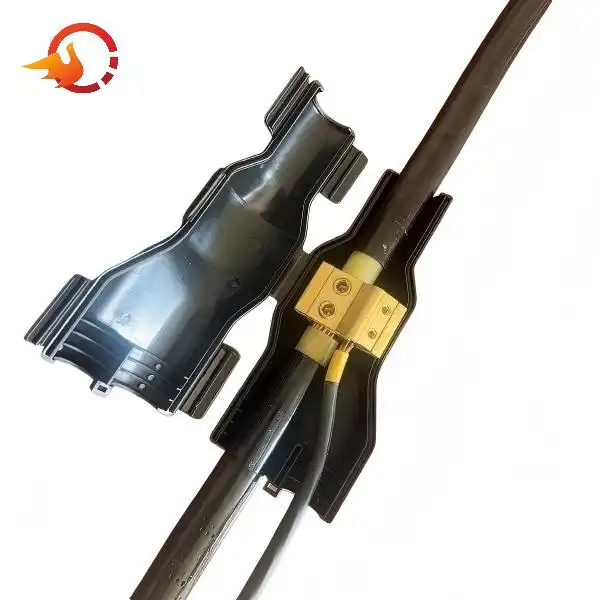
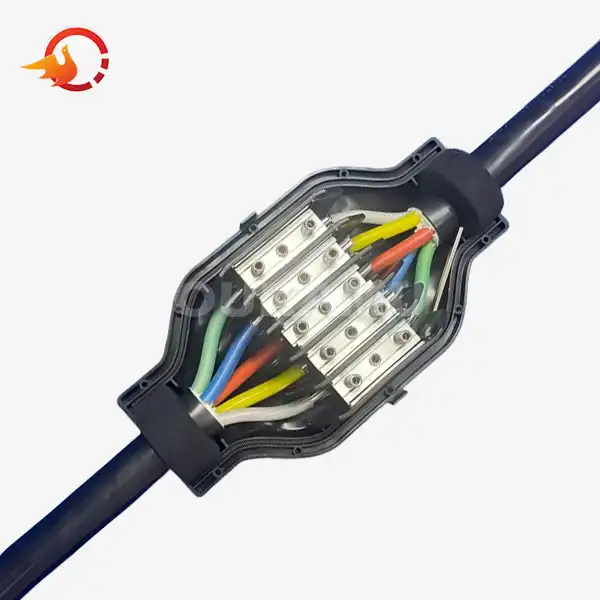
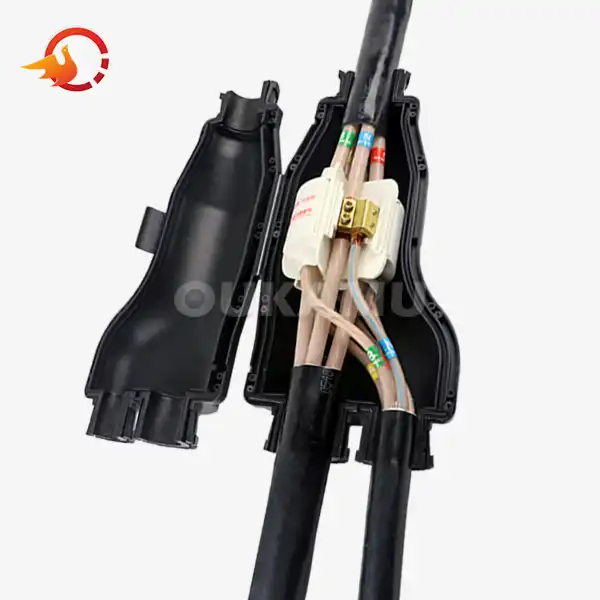
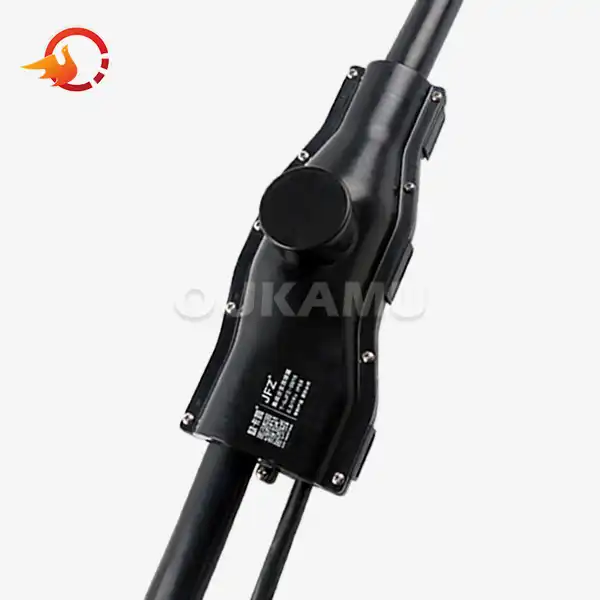
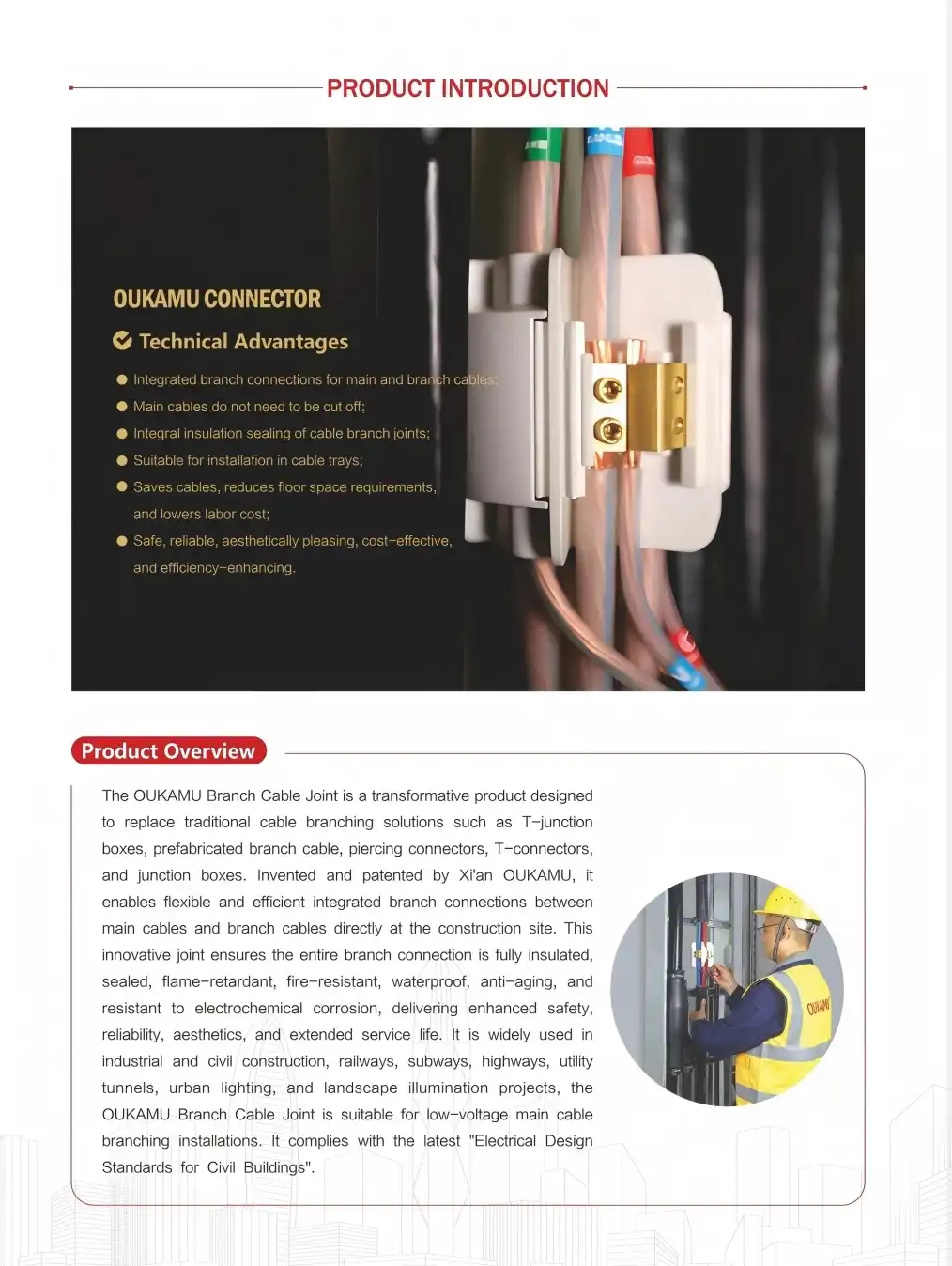
Cable branch joints are insulated connections that branch main cables or join cables along a path. Conductive connectors, insulation, and sealing pieces complete an assembly. Some designs have mechanical safeguards. After installation, the connection must withstand water, dust, vibration, and mechanical stress and maintain low contact resistance. This is used in power distribution, outdoor lighting, utility lines, and industrial wiring. Manufacturers and locales call tee joints and branch connectors differently. Poor installation might impact the whole circuit since the junction is mid-route. Product design and craftsmanship matter.
What Is a Cable Lug?
Cable lugs are metal terminals that pinch, compress, or bolt to conductors. It securely connects cables to circuit breakers, busbars, motors, transformers, and grounding bars. Copper, aluminium, bimetallic, tinned, ring, fork, and pin lugs are common. Conductor material, cable area, stud size, current rating, and corrosion exposure determine selection. NEC Section 110.14 specifies conductor-appropriate connections. A calibrated torque tool with a torque value is needed. Lugs do not branch cables mid-run or seal against moisture.
Key Differences in Function and Protection
Position and function vary most. Branch joints produce taps along cable routes. A lug terminates a cable. Branch joints usually include insulation and sealing. A lug needs an enclosure, gland, or sealing kit in damp or dusty conditions. Consumers should evaluate current capacity, resistance to contact, pull-out strength, vibration, short-circuit withstand, and voltage rating. IEC 61238-1-1 specifies compression and mechanical connection testing for copper-conductor power cables. When reviewing connection data, purchasers have a standard.
When Each Connection Fits Your Wiring Job
When to Use a Cable Branch Joint
Cable branch joints allow a main cable to feed one or more branch cables without breaking. Supplying a distribution panel off a main feeder, expanding a circuit, repairing a section, or installing a lighting, pumping, or industrial power tap are common tasks. The product should meet cable voltage, diameter, copper material, the insulation, temperature range, and projected mechanical stress for outdoor or subterranean operations. Because water migration causes corrosion and insulation deterioration, waterproofing concerns. In cable trays and bridges, a small branch connection may work better than a junction enclosure.
When to Use a Cable Lug
When cables finish on breaker, isolation, motor, transformer, wiring, busbar, or terminal blocks, choose a cable lug. Correct barrel size, pass away and crimp profile for compression lugs. Bolts or shear-head screws aid when hydraulic tools are unavailable. Both times, installers check insertion depth, hole terminal size, fastening torque, surface order, and bending radius. An enclosure, sealing kit, or oxidising chemical is needed in wet, subterranean, or corrosive environments. Many projects employ lugs at equipment and branch connectors along the route.
Cable Branch Joint vs Cable Splice vs Junction Box
These names are commonly confused, and vendors name them differently. Splices align cable ends. Branch joints link main cables to outbound wires. Junction boxes hold terminals, protection devices, and inspection. Choose by counting cable entries, examining connection arrangement, space, and IP or NEMA classification. Junction boxes fit technician-accessible positions. Sealing branch connectors fit small routes where enclosures would be too large. Before purchasing, check the topology with your supplier to match the drawing.
Selection, Installation, and Procurement Guide
How to Choose the Right Cable Branch Joint or Cable Lug
Choose a connection goal: branch, splice, quit, repair, or replace. Next, verify voltage, continuous current, short-crystal rating, conductor , cable area, insulation, cap, and diameter. Consider indoor or outdoor location, burial, water, dust, UV, chemicals, temperature, and vibration. Compare installation time, equipment, curing, labour, and site safety for heat-shrink, cool-shrink, resin, gel, compression, & mechanical systems. Finally, verify test results, protection ratings, traceability, & installation instructions. US purchasers should verify local acceptability early since NEC Section 110.3(B) requires listed and labelled equipment to be installed as instructed.
Installation Checklist and Common Mistakes
De-energising, shutting out, and checking the circuit starts safe work. NFPA 70E addresses workplace electrical safety. For electrical installation quality, see ANSI/NECA 1. Check cable compatibility, prepare conductors, connect, restore insulation, seal to test a branch junction. Strip without nicking, insert, crimp or twist, and support lug cable. Finally, check orientation, sealing, crimped marks, temperature resistance, consistency, and phase identification. Using a lug for a mid-cable branch, using core count alone, ignoring moisture or UV exposure, and comparing unit cost without labour, tooling, rework, and downtime are common mistakes.
Procurement Guide for Cable Connection Products
Clear RFQs decrease quote mistakes. Include function, cable length and diameter, conductor material, the current, voltage, environment, waterproofing, quantity, packing, and delivery location. Include cable datasheets, drawings, or pictures. Check datasheets, order minimum quantity, sample consistency, warranty, exports packaging, lead time, and logistical support for bulk orders. When working with a manufacturer, consider testing, certifications, manufacturing, customisation, engineering aid, and response time. Order samples or pilot batches for new applications. Request directions for installation before the worker comes.
Decision Guide: Which One Fits Your Wiring Needs?
Cable branch joints link main cables to branches, join cables along a route, expand circuits, and seal outdoor connections. Select a cable lug to terminate a breaker, motor, switch, a switchgear unit, busbar,, grounding bar, and or panel terminal cable. Branch connections along the route and equipment lugs are needed in many projects. Choose by connection function, exposure to the environment, electrical demands, and maintenance. Cable size and look shouldn't determine choosing.
Oukamu ZR-JFZ-95/35 Cable Branch Joint
Product Specifications
Xi'an Oukamu Electric Co., Ltd. develops, manufactures, and sells cable connection products, and we specialize in branch cable connectors. The ZR-JFZ-95/35 is an insulated, flame-retardant, fire-resistant, and waterproof joint for low-voltage circuits. It also resists dust, aging, and electrochemical corrosion. The table lists the key data.
| Parameter | ZR-JFZ-95/35 |
|---|---|
| Main cable | 35~95 mm² |
| Branch cable | 2.5~35 mm² |
| Rated voltage | 0.6/1 kV |
| Main cable cutting | Not required |
| Reserved cable length | Not required |
| Main cable saving | 2-3 metres per branch |
| Standards | GB/T 14048.7-2016 and international safety standards |
Check these values against your cable schedule. US buyers should also confirm local code acceptance with the authority having jurisdiction.
Field Advantages and Worked Example
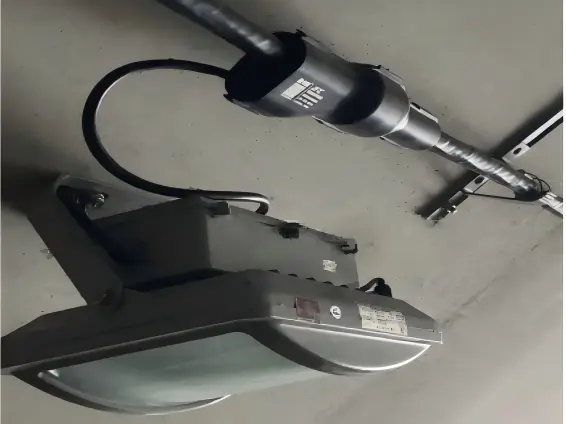
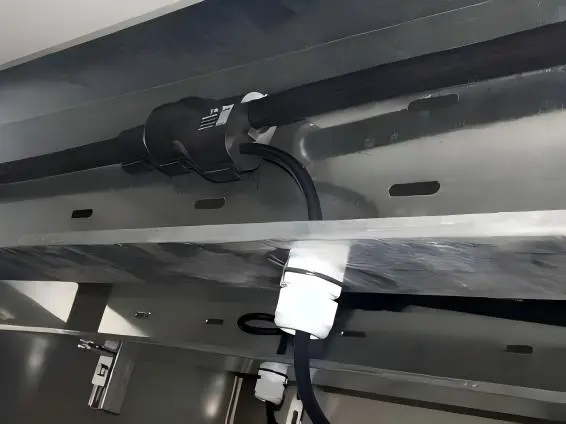
The junction joins a branch without cutting the main cable or conserving length, keeping the installation location flexible. Our product data claims 2-3 meters of main cable per branch savings and decreased labour costs and time. This is an example, not a project outcome. Consider a feeder run with 10 branch points. At 2-3 meters apiece, the team saves 20-30 meters of main wire and skips 10 cuts. Project arrangement determines outcome. The calculation explains why site teams prioritise taps that preserve the main cable. Open and cable bridge installation are possible with the small body.
Applications and Larger-Range Option
In residential, commercial, and industrial applications, the ZR-JFZ-95/35 is a cable branch joint that fits low-voltage, flame-retardant, fire-resistant, mineral-insulated cables. A main cable must branch for a home panel feed, commercial building riser and industrial distribution line. A tap keeps the main cable continuous for each. Our series has a greater-range joint for larger cables. Both are 0.6/1 kV, therefore neither substitutes a medium-voltage joint.
| Feature | ZR-JFZ-95/35 | Larger-range joint |
|---|---|---|
| Main cable | 35~95 mm² | 95~240 mm² |
| Branch cable | 2.5~35 mm² | 6~70 mm² |
| Rated voltage | 0.6/1 kV | 0.6/1 kV |
| Main cable cutting | Not required | Not required |
| Main cable saving | 2-3 metres per branch | 2-3 metres per branch |
Match the joint to your cable cross-section first, then confirm compatibility with us.
Conclusion
Cable branch joints seal cable routes, whereas cable lugs terminate conductors at breaker, busbar, and motors. Both portions seldom compete, and many projects employ both. Connection function, voltage, current, conductivity material, environment, and installation technique determine the best option. NEC requires conductor-specific connections fitted according to their recommendations. Correct lug crimping or torque and branch junction insulation and sealing are needed. A typical mid-run tap mistake is using a lug. The ZR-JFZ-95/35 shows a low-voltage branch junction for 0.6/1 kV circuits that saves 2-3 meters of main cable per branch without severing it.
FAQ
Can a cable lug replace a cable branch joint?
No. A lug terminates a conductor at equipment and does not create a sealed tap along a cable route. Use a lug at the breaker or busbar and a branch connector along the run.
Does the ZR-JFZ-95/35 require cutting the main cable?
No. It connects a branch cable without cutting the main cable or reserving extra length. It fits main cable of 35~95 mm² and branch cable of 2.5~35 mm² at 0.6/1 kV.
Is this joint suitable for medium-voltage cables?
No. The ZR-JFZ-95/35 carries a 0.6/1 kV rating, so it targets low-voltage circuits.
What should I include in a quote request?
Share the cable type, main and branch sizes, voltage, current, installation environment, quantity, and destination. Send the details to info@okmbranchcable.com, and we will recommend a suitable model.
Get Help Choosing Your Cable Branch Joint
Unsure whether a lug or a connector fits your mid-run tap? Oukamu, a cable branch joint manufacturer, offers joints that need no main cable cutting and save 2-3 metres of main cable per branch. Send your cable sizes, quantity, and destination to info@okmbranchcable.com, and our team will recommend a suitable model. Visit okmbranchcable.com for product details.
References
1. National Electrical Code (NFPA 70), National Fire Protection Association, 2023.
2. Standard for Electrical Safety in the Workplace (NFPA 70E), National Fire Protection Association, 2024.
3. Standard Practices for Good Workmanship in Electrical Contracting (ANSI/NECA 1), National Electrical Contractors Association, 2015.
4. IEC 61238-1-1: Compression and Mechanical Connectors for Power Cables, International Electrotechnical Commission, 2018.
5. IEC 60947-7-1: Low-Voltage Switchgear and Controlgear, Terminal Blocks for Copper Conductors, International Electrotechnical Commission, 2009.
6. GB/T 14048.7-2016: Low-Voltage Switchgear and Controlgear, Part 7-1: Ancillary Equipment, Terminal Blocks for Copper Conductors, Standardization Administration of China, 2016.