

Street Light Junction Box Selection Tips for Outdoor Applications






 2026-11-20 15:24:06
View:389
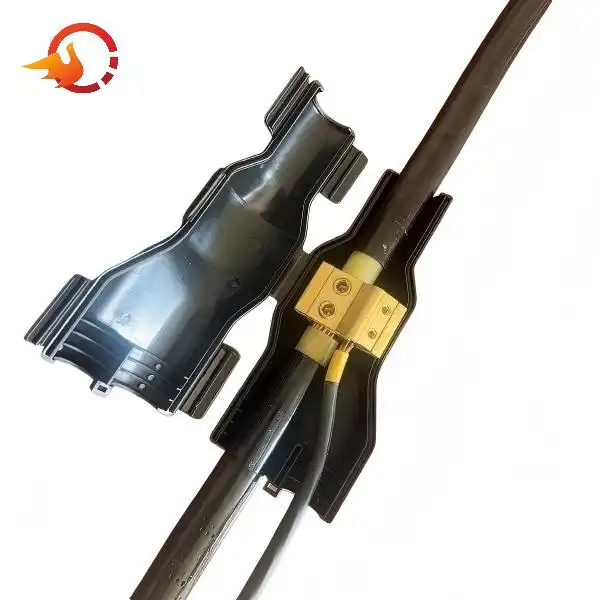
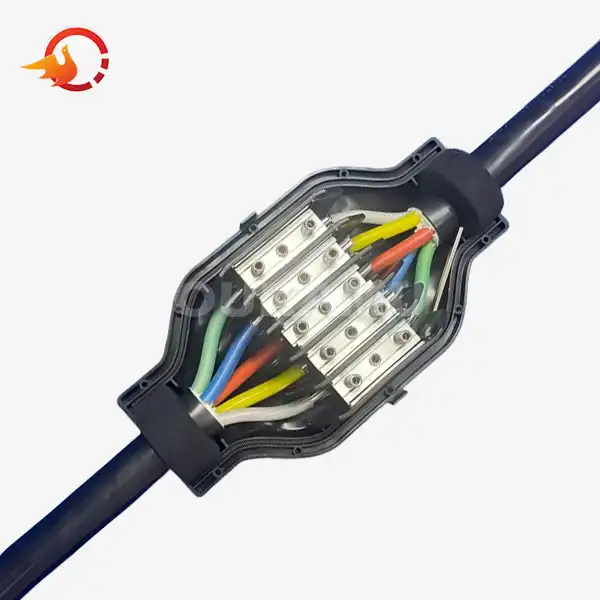
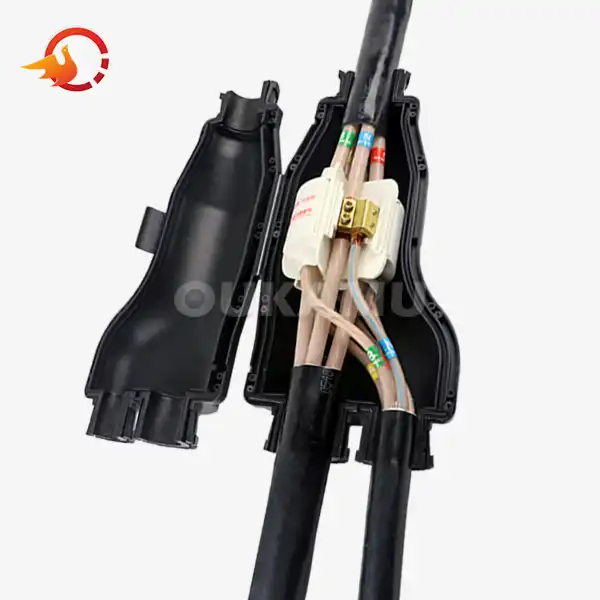
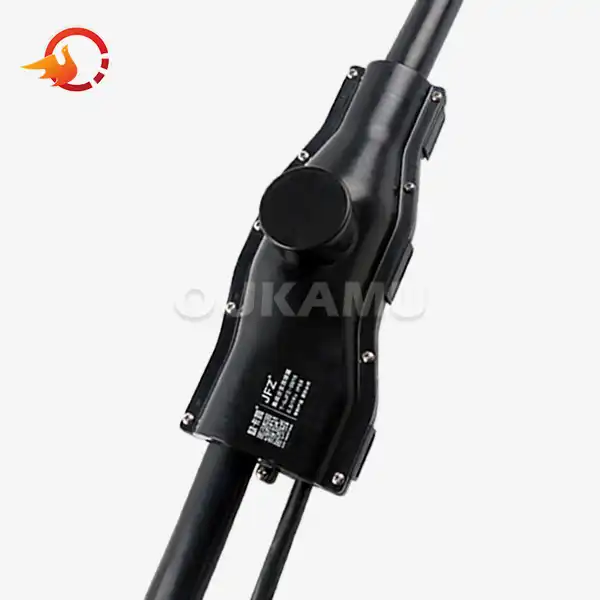
Choosing the right outdoor distribution enclosure demands attention to durability, environmental protection, and electrical safety. Street Light Junction Box serves as the protective hub for wiring connections, circuit breakers, and switching components in municipal and commercial lighting systems.
When electrical connections remain exposed to rain, extreme temperatures, and UV radiation, premature failures disrupt service and inflate maintenance budgets. Proper selection balances upfront investment with lifecycle reliability, ensuring installations meet safety codes while delivering years of trouble-free operation across highways, residential neighborhoods, and industrial complexes.
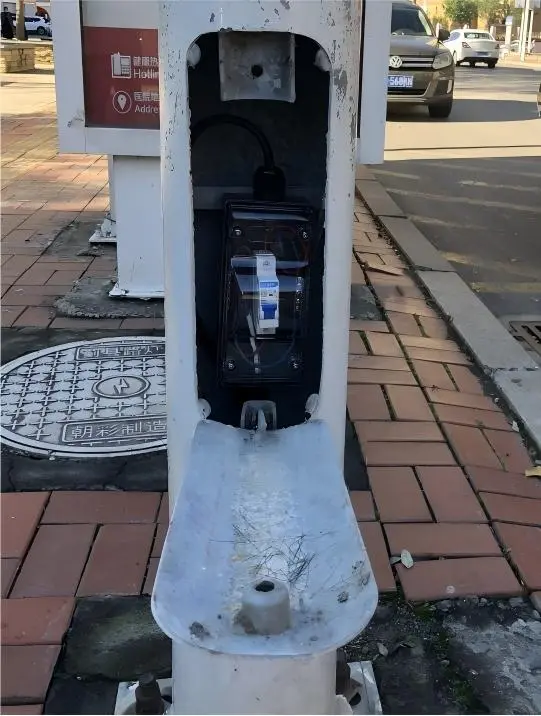
Understanding Street Light Junction Boxes: Components, Functions, and Types
Specialized enclosures keep electrical lines safe from environmental dangers in outdoor lighting systems. These protective boxes keep wire terminals, circuit safety devices, and mounting tools safe from water and damage by having a sealed structure.
Core Components and Their Roles
There are a few important parts inside modern distribution enclosures that all work together to keep the electricity safe. Pure copper terminals connect ground and neutral wires with low resistance, which keeps voltage drop to a minimum and protects against faults well. Weather-resistant elastomers are used to make sealing gaskets that keep water out between the enclosure body and removable covers.
This keeps the protection ratings even after multiple maintenance visits. Rail mounting systems make it easy to install and remove circuit breakers, fuses, and residual current devices quickly, without having to drill more holes or change the structure of the box. Hanging plates made of metal that are strengthened with coatings that prevent corrosion spread out mechanical loads during installation and hold the unit to poles or mounting surfaces.

Material Classifications and Performance Trade-offs
When purchasing professionals look at outdoor shelters, they come across three main types of materials. Thermoplastic options are reasonably priced and have good chemical resistance and UV stability. This means they can be used in standard city uses where impact resistance meets standard street lighting needs.
Metal enclosures made of aluminum alloys or galvanized steel are better at resisting fire and structural weakness, so they are preferred in areas with a lot of vandalism or installations that need extra physical protection. Composite designs use metal reinforcement plates and fiberglass-reinforced polymers to provide consistent performance across a wide range of temperatures while lowering the total weight to make fitting easier.
The following table shows the following material qualities that are important for outdoor lighting:
| Material Type | UV Resistance | Impact Strength | Temperature Range | Cost Factor |
|---|---|---|---|---|
| UV-Resistant Thermoplastic | Very good | Moderate | -40°C to +70°C | 1.0x |
| Aluminum Alloy | Good | High | -50°C to +85°C | 1.8x |
| Fiberglass Composite | Very good | Very High | -50°C to +120°C | 2.2x |
Safety Standards and Certification Requirements
By following well-known standards, enclosures are guaranteed to work consistently under certain situations. The IP (Ingress Protection) rating system shows how well something is protected against solids and liquids. For example, IP65-rated shelters keep out dust and water jets from all directions, which is very important for installations that get wet or power washed. When a product is listed by UL, it means that it meets safety standards for electrical building.
These standards cover things like dielectric strength, resistance to fire, and mechanical stability. NEMA ratings include more performance criteria that are important for installations in North America, such as resistance to corrosion and operating temperature ranges that are in line with changes in the climate.

Criteria for Selecting the Best Street Light Junction Box for Outdoor Environments
Matching product specs to real site conditions is what separates successful installations from early fails that cost a lot of money in fixes and lost time.
Environmental Challenge Assessment
Infrastructure for outdoor lighting is under a lot of stress at the same time. Coastal sites are exposed to air that is high in salt, which speeds up the rusting of metal parts and weakens sealing materials. Extreme temperature changes between day and night, strong UV light, and rough dust particles all come together in deserts.
Enclosures in northern areas are subject to freeze-thaw cycles that break down fragile materials and damage gasket seals. In cities, vibrations from traffic and efforts at deliberate vandalism put mechanical strength to the test. Street Light Junction Box must also be evaluated under these same environmental and mechanical stressors, as its performance directly affects the reliability of outdoor lighting systems. By correctly judging these site-specific conditions, you can choose products that have the right level of protection and the right material properties.
Critical Performance Attributes
There is no way around the waterproof grade being there. IP65 is the lowest level needed for most outdoor uses. This standard protects against dust getting in and low-pressure water jets, which includes normal rain and cleaning situations. For enclosures that are put in places that are likely to flood or that get direct spray from road repair equipment, IP66 or IP67 grades are better because they can handle higher pressure and short-term submersion.
Long-term dimensional stability is another part of a material's sturdiness that goes beyond its resistance to weather. High-quality thermoplastics contain UV stabilizers that keep them from becoming rigid and losing their color over the expected 20-year service life.
The right size keeps things from being too crowded, which can cause burning and connection problems. Electrical code says that enclosures must have enough room for all necessary circuit safety devices and wire bending radius. The OPD-85/3L model from Oukamu is a great example of well-thought-out design because the rail fixing is built right into the injection-molded body.
This means that there are no extra steps needed for installation and the outside dimensions are kept small. When you use the one-piece construction method, the mounting rail and enclosure walls don't have any gaps or leak paths, which can happen with multi-component assemblies.
In places where lightning is common, surge protection should be carefully looked at. Built-in grounding terminals made of pure copper reduce resistance in fault current paths. This lets the circuit breaker work faster and lowers the risk of damage to the equipment. In some advanced designs, the surge protective device (SPD) is mounted next to the main circuit protection. This lets both protect against short-term overvoltages without having to install two different enclosures.
Material Selection: Balancing Cost and Longevity
When it comes to standard city lighting projects, thermoplastic casings have the best cost-to-performance ratio. Modern formulas can withstand contact harm at temperatures as low as -40°C and keep their structure even at temperatures close to 70°C. Because the materials are cheaper and the manufacturing process is simpler, the prices are competitive, and the products should last 15 to 20 years in normal conditions.
Metal alternatives are worth the extra cost in some situations. For example, high-security perimeters benefit from the better tamper resistance of aluminum or steel construction, and industrial sites that are worried about fire safety need non-combustible enclosure materials no matter how much they cost.
Access to repair must be taken into account in long-term durability analyses. Service time is shorter for enclosures with captured screws and sliding covers than for designs where cover plates have to be taken off completely. Waterproof locking devices that keep their IP ratings after hundreds of access rounds stop things from wearing out over time, which would require replacement sooner. These operational factors have a bigger effect on lifecycle costs than differences in the initial purchase price between a basic and feature-rich Street Light Junction Box.
Installation and Maintenance Guidelines for Optimal Performance
The right way to install outdoor enclosures and follow maintenance schedules directly affects whether they last as long as they're supposed to or break down early because of problems that could have been avoided.
Step-by-Step Installation Workflow
First, make sure that the mounting surfaces provide enough structural support and the right direction. For example, enclosures should face downward or sideways so that water doesn't pool on the cover surfaces. Thoroughly clean the mounting areas to get rid of any dirt or rust that might get in the way of gasket sealing and wiring continuity.
Put the metal hanging plate in place with corrosion-resistant fasteners and thread-locking compound to keep it from coming loose from vibrations. Make sure that waterproof cable glands are properly compressed against cable jackets to keep IP ratings as you route incoming and outgoing cables through marked knockout points.
The quality of the wire termination affects how reliable the link is over many years of changing temperatures. Remove the insulation from the wire so that only enough bare copper is left to secure the terminals. This way, you can avoid leaving too much copper exposed, which can cause an arc flash. Tighten terminal screws to the torque values specified by the manufacturer using calibrated tools.
If you don't tighten them enough, the resistance will heat up and loosen, but if you tighten them too much, the conductor strands will be crushed and the terminal threads will be damaged. Before turning on circuits, connect ground wires to special grounding terminals. This creates protective paths before faults happen.
As shown below, the following factors describe the right torque levels for typical terminal types:
| Terminal Size | Wire Range (AWG) | Torque Specification | Inspection Frequency |
|---|---|---|---|
| Standard Rail Terminal | 14-8 | 15-20 lb-in | Annual |
| Heavy-Duty Terminal | 6-2 | 35-50 lb-in | Annual |
| Ground Terminal | 14-6 | 20-25 lb-in | Biennial |
Safety Precautions During Installation
Before you start working, turn off all the electricity to all the connections and use the right kind of test tools to make sure there is no voltage. When working outside, you'll often be on raised platforms, which can be dangerous if you trip and fall. Wear the right safety gear and keep three points of contact when you're in pole-mounted shelters.
Before installing covers, check them for damage from shipping. Cracks or deformed parts make them less waterproof and pose electrical dangers. The weather affects how well the installation goes. Don't work when it's raining or very hot, as these conditions can stop the gasket from seating properly and the sealant from curing.
Maintenance Best Practices
Set review times based on how bad the environment is. For example, coastal and industrial areas should have checks every six months, while moderate regions can have checks once a year. During inspections, look at the condition of the gasket to see if it has compression set, cracks, or hardening that means it needs to be replaced.
Using low-resistance ohmmeters to check enclosure grounding continuity and make sure paths stay below 1 ohm is the best way to make sure fault protection works. After the first heat cycling, tighten the wire connections again because the conductors may settle down in the first few months of use.
Water usually gets in through broken cable entry seals instead of breaks in the shelter body. Make sure that the cable glands stay compressed against the cable jackets, and replace any that are showing signs of UV damage or wear and tear. If there are drainage holes, clean them out by getting rid of any buildup that is blocking the moisture escape pathways. Take pictures of the results of the check and keep service records that show how the state changes over time. This way, you can use data to decide when to replace a Street Light Junction Box before it fails completely.
Market Evaluation: Comparing Leading Brands and Cost-Effective Options
Understanding how competitors are positioned helps procurement professionals find solutions that meet the needs of the project and stay within the budget, without making any concessions that would raise the overall cost of ownership.
Established Brand Analysis
Hubbell has a strong presence in the market thanks to its large product line, which includes a wide range of voltage classes and environmental ratings. Their enclosures usually have strong mechanical construction with a focus on long-term durability, which is mirrored in their high prices. Eaton's circuit protection range is fully integrated, which makes it easier to specify projects that use Eaton breakers and controls all over. Schneider Electric focuses on digital connectivity options, including monitoring features that are useful for smart city projects but add extra costs for regular lighting uses that don't need to report status remotely.
These well-known companies offer long warranties—usually five years—and keep large distribution networks that make it easy to fill orders quickly. Their high price is due to decades of brand investment and detailed testing paperwork, but it makes them too expensive for price-sensitive projects where budget limits make it hard to change specifications.
Emerging Value Alternatives
Oukamu is in the value-focused segment because it offers important performance traits at reasonable prices that boost project economics without losing safety compliance. Twenty years of specializing in insulated waterproof distribution boxes shows that the company's manufacturing skills are well-suited to the needs of outdoor lighting and not spread out across a wide range of products.
The OPD-85/3L model has the same core features as high-end competitors, including IP65 protection, integrated rail mounting, and pure copper grounding terminals. Its prices are also better for bulk purchases because of its streamlined manufacturing processes and direct distribution.
When procurement managers look at cost-effective choices, they should make sure that the value positioning comes from business efficiency and not from lowered standards. Oukamu's unique cable T-connection technology is a real example of innovation. It cuts down on installation time and improves the dependability of connections, creating value that goes beyond just lowering costs. Simple construction and easy maintenance directly lead to lower labor costs over the lifecycle of a product, which often cancels out the initial savings from very cheap alternatives that need to be serviced often.
Bulk Purchasing Strategies
Large projects benefit from vendors who can do more than just quote unit prices. When suppliers offer custom rail configurations or pre-assembled circuit protection devices, they cut down on the time needed for field installation in a way that is proportional to the size of the project. The time saved on labor could be greater than the difference in material costs. Help with inventory management, such as setting up consignment agreements and staged supply plans, makes sure that materials are available at the right time for the job, so there is less need for storage space and less money spent on early purchases.
When lighting improvements have to happen on tight plans because of road work or changing weather, lead time dependability is very important. When it comes to schedule security, offshore-only suppliers can't compete, even if they offer lower unit costs, with vendors who keep inventory in the United States or run assembly plants in the United States. Qualifying backup suppliers for key components helps keep the supply chain running smoothly, but having too many vendors makes it harder to find a reliable Street Light Junction Box source and manage warranties.
Real-World Application Case Studies
Municipal street lighting projects show how choosing the right Street Light Junction Box can affect how well something works in the long run. A medium-sized city in the Pacific Northwest replaced 300 old sodium vapor lights with LED technology. They made sure the new fixtures had IP65-rated thermoplastic casings to protect them from the area's constant rain and mild temperatures.
Because they are lighter and come with built-in hanging plates, installation teams said they could mount the enclosures 35% faster than with older metal enclosures. After three years of use, maintenance records showed that there were no problems linked to the enclosure and terminal links had a lot less corrosion. This proved that the choice of material was a good one for the coastal climate.
For an update to the lighting on a highway in the middle of a desert, the installations had to be more resistant to UV light and stable at temperatures above 50°C in the summer. Engineers chose composite containers with fiberglass support, even though they cost more, so the materials wouldn't break down too quickly.
Five years of performance data confirmed the choice: neighboring parts using standard thermoplastic boxes had obvious surface cracks and needed new gaskets, but composite units stayed in good shape. The longer service intervals more than make up for the initial cost differences by lowering the need for maintenance dispatch.
Impact-resistant construction was shown to be useful by the perimeter lighting around industrial facilities that protected high-security areas. Several recorded efforts at vandalism were thwarted by metal casings that did not compromise electrical safety. This kept the lighting system's integrity, which was essential for the facility's operations.
For the installation, tamper-resistant fasteners and reinforced covers were used. This created a deterrent effect that, over time, lowered the number of security incidents. Even though the original costs were 80% higher than standard residential-grade choices, the savings on emergency repair calls and long-term lighting coverage made the investment worth it within two years.
Conclusion
When choosing outdoor distribution boxes, you have to weigh the current cost concerns against the expected long-term performance levels. Failures that disrupt lighting service and raise upkeep costs can be avoided by carefully examining the surroundings, the properties of the materials, and the installation requirements. Construction that is waterproof up to IP65, mounting systems that are built in, and pure copper terminals are the minimum requirements for safe operation in most business and municipal settings.
Value-focused suppliers like Oukamu show that competitive pricing doesn't have to mean sacrificing important performance characteristics when the manufacturing expertise is focused on outdoor lighting infrastructure. A successful procurement depends on carefully screening vendors, being honest about the problems that exist at the site, and being ready to spend enough on high-quality components like the Street Light Junction Box that will last for decades without any problems.
FAQ
What protection rating should I specify for coastal installations?
Because of the salt spray and heavy rain, coastal areas need IP66 grades or higher. Standard IP65 shelters are good at keeping out normal rain and snow, but they might not be able to handle the salty, wet conditions that are common within two miles of the ocean. Choose marine-grade gasket materials and fasteners that won't rust, no matter what the safety number is, to get the most out of their service life in these tough conditions.
Can junction boxes accommodate LED driver integration?
Many current Street Light Junction Boxes have enough space inside for small LED drivers and circuit safety devices, but managing heat needs to be carefully thought out. Drivers produce heat that speeds up the aging of parts in small spaces. Make sure that the total amount of heat dissipation stays within the enclosure's ratings and that the right clearances are kept according to the driver manufacturer's instructions. For high-wattage installations, mounting the driver on the outside is often more practical.
How often should inspection cycles occur?
Installations that are in harsh environments with a lot of pollution, salt, or extreme temperatures should have inspections every six months. Moderate areas with low environmental stress allow inspections to happen once a year. Keep track of everything you find so you can see patterns of gradual wear and tear that show what needs to be replaced before it completely breaks down. This way, you can make the most of your maintenance budget by using proactive instead of reactive methods.
Partner With Oukamu for Reliable Street Light Junction Box Solutions
Oukamu is an expert at making waterproof distribution enclosures that are designed to meet the needs of demanding outdoor lighting applications. Our OPD-85/3L model has integrated rail mounting, IP65 protection, and is made of a single piece that was injected-molded. It is easy to install and won't need any maintenance for decades. Since we've been working on insulated wall technology for twenty years, we know that every product we make meets strict quality standards that keep your infrastructure investment safe.
We support bulk purchases by offering a range of buying choices, reasonable prices, and reliable shipping schedules that are tailored to the needs of each project. Purchasing managers looking for a reliable Street Light Junction Box source will find that our technical knowledge and focus on the customer makes it easier to define requirements and lowers the overall cost of the project. Visit okmbranchcable.com or email info@okmbranchcable.com to talk about your unique needs and find out how Oukamu's tried-and-true methods can improve your next lighting infrastructure project.
References
1. National Electrical Manufacturers Association. (2021). NEMA Standards Publication 250: Enclosures for Electrical Equipment. Rosslyn, VA: NEMA.
2. International Electrotechnical Commission. (2020). IEC 60529: Degrees of Protection Provided by Enclosures (IP Code). Geneva: IEC.
3. Smith, J. R., & Thompson, K. L. (2022). Outdoor Electrical Systems: Design and Maintenance Best Practices. New York: McGraw-Hill Professional.
4. Underwriters Laboratories. (2023). UL 50: Standard for Enclosures for Electrical Equipment, Non-Environmental Considerations. Northbrook, IL: UL.
5. Chen, W., & Martinez, D. (2021). Corrosion resistance of thermoplastic enclosures in marine environments. Journal of Electrical Infrastructure Engineering, 15(3), 112-128.
6. American Public Works Association. (2022). Street Lighting Infrastructure: Procurement and Lifecycle Management Guidelines. Kansas City, MO: APWA Press.