

Best Waterproof Cable Joint Kit for Underground Cables






 2026-10-23 11:16:41
View:389
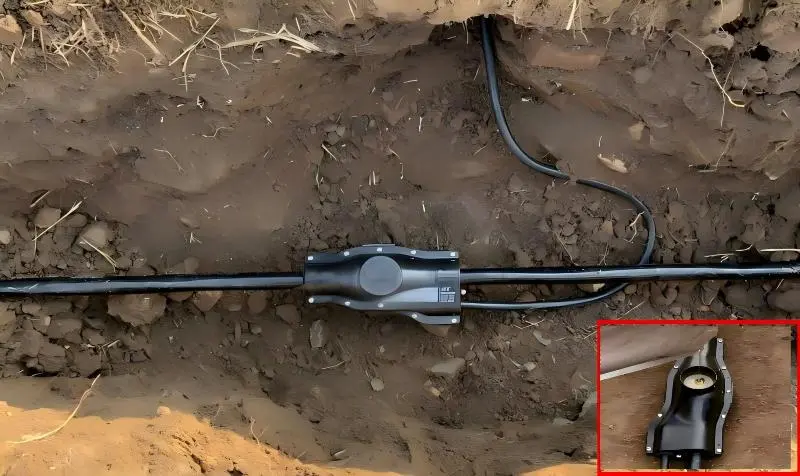
When managing underground cable installations in pump rooms, parking garages, and commercial building projects, procurement managers need solutions that eliminate cable waste and reduce installation time. The Waterproof Cable Joint Kit from Oukamu represents a breakthrough approach to branch connections—allowing on-site installation without cutting main cables or reserving excessive lengths. With IP68-rated protection and gel-filled insulation technology, this system addresses the core challenges facing mid-sized electromechanical contractors handling annual material procurement budgets exceeding $1.5 million.
Understanding Waterproof Cable Joint Kits for Underground Cables
Underground wire settings have their own problems that can't be solved by normal connection methods. Changes in temperature and moisture levels in the soil (-20°C to 60°C) and mechanical stress from ground movement make conditions tough for electrical equipment.
Core Protection Functions
Underground cable connection systems are very important for keeping the environment out. These systems make hermetic seals around cable joints, which stop water from getting in and breaking down the insulation or corroding the conductors. In advanced designs, the gel-filled cavity provides two layers of protection: the outer housing keeps water out, and sealing compounds inside keep the conductors safe even if the main barrier is broken.
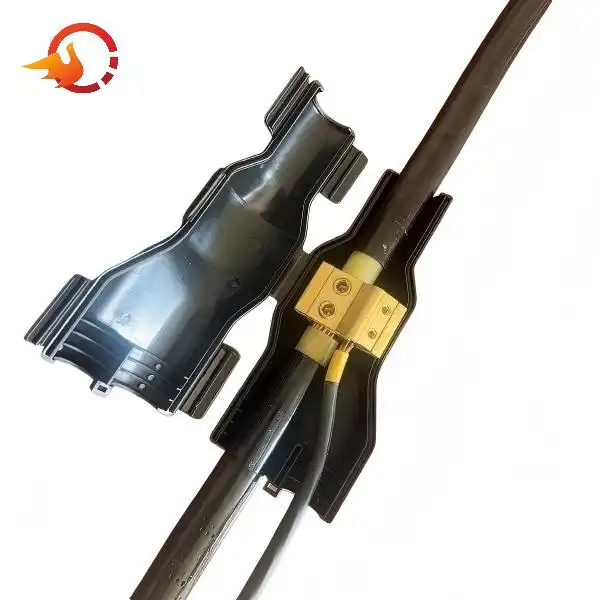
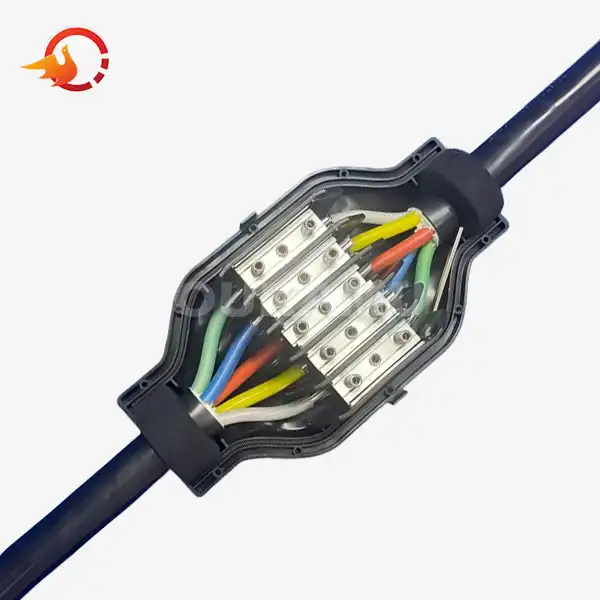
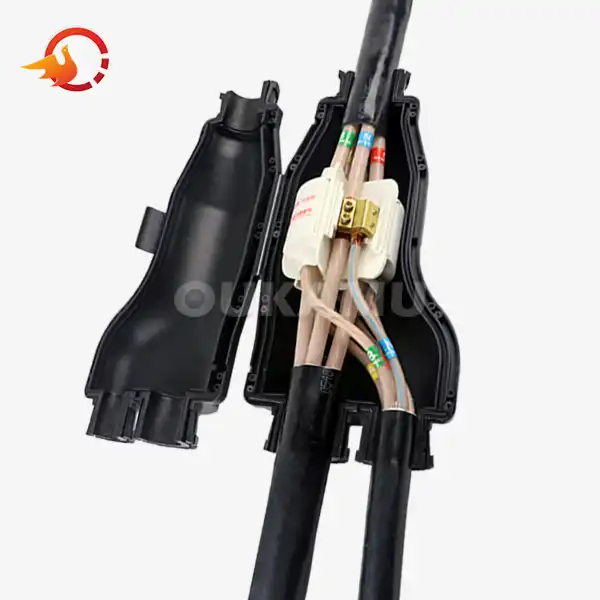
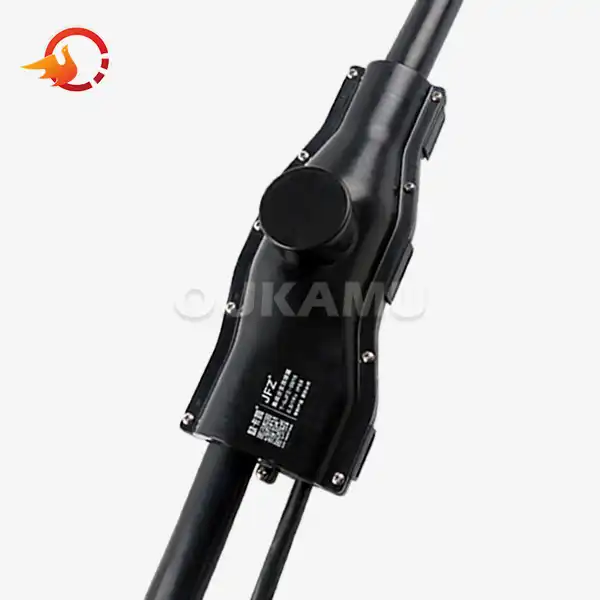
With traditional junction methods, you have to cut the main cables and use heat-shrink sleeves or resin casting to make mechanical splices. This damaging process is no longer needed with today's branch link technology. Technicians can use piercing connectors inside IP68-rated cases on Oukamu's T-GJFZ-70/16 type to connect to branch circuits straight from live trunk lines. This method keeps the cable's continuity while getting the same electrical performance as connections that were made at the factory.
Environmental Challenge Management
The chemistry of the soil varies a lot from one installation site to another. In industrial areas, acidic conditions make housing rust worse, while alkaline clay settings break down materials in different ways. Anti-electrochemical corrosion features in high-quality connection housings protect against both of these situations thanks to special polymer mixes. Cable Technology Research says that underground connectors that are properly specified can last for 25 years or more in soil that is acidic.
System Classification Overview
There are four main waterproof connection technologies on the market, and each one is best for a certain type of underground use:
- Gel-Filled Branch Connectors: These systems use piercing terminals that are filled with glue-like substances that harden when they get wet. Branch wires can link to main lines without removing the insulation. It works with 0.6/1kV distribution networks that have main lines 25–70mm³ and branch connections 2.5–16mm³. No special heating equipment is needed for installation.
- Heat-Shrink Assemblies: When heated, hot-melt glue linings on multi-layer polyolefin tubes make watertight seals. It works great for straight-through splices but not for branch links. Needs a propane torch or heat gun, so installation in the field is subject to weather conditions. It works best for fixing cables and not for tapping into distribution networks.
- Resin-Cast Joints: Epoxy or polyurethane materials that are poured into moulds around bare wire ends. It has great mechanical strength and IP68 protection, but it needs to cure for 24 to 48 hours. The cost of materials is 40 to 60 percent higher than for gel-filled options. Usually chosen for high-voltage substations instead of building distribution systems.
Mechanical Compression Fittings have compression valves and metal housings that are sealed with rubber. It can be taken apart to make changes to the circuit, but in most installs, it only gets IP67 ratings. It's better for temporary construction power than for long-term building infrastructure.
Compliance and Safety Standards
For electrical connections that are hidden, building inspectors need certain certifications. The IP (Ingress Protection) grade method shows how well an enclosure keeps solids and liquids out. The IP68 rating means that the whole structure is sealed against dust and can remain submerged in water for a long time. This is very important for direct burial sites in places where the water table changes with the seasons.
IEC 61238-1 sets performance standards for cable connectors in distribution systems. These standards include tests for changing temperature, mechanical vibration, and exposure to humidity. UL 486A and 486B are safety standards for wire links and joining tools in North America. Products that meet GB/T 14048.7-2016 show that they meet Chinese government standards for low-voltage equipment.
The people in charge of buying things should make sure that the certification paperwork matches the model that was given. Generic certificates that cover whole families of products might not be a good way to test each individual SKU. Ask a third-party lab for records that show temperature rise testing under estimated current load. Connections that get too hot mean that the conductor contact area isn't big enough.
How to Select the Best Waterproof Cable Joint Kit for Underground Applications
Long-term system dependability and the total cost of the project depend on how well the connection specs are matched to the installation conditions. Five technical factors are compared to site-specific needs as part of the selection process.
Environmental Condition Assessment
There are different types of underground installation sites, each with its own performance needs. When used directly in open soil, they are exposed to a modest amount of moisture but are under a lot of mechanical stress from ground settling and frost heave. Concrete coverings for conduit runs protect them mechanically, but they also trap water and condensation. Installations of utility vaults allow for inspections, but they may flood during storms. Cable tray runs in parking garage ceilings keep water out, but they catch drips of condensation.
Connect these factors to the needs for an IP grade. IP67 is good enough for setups on raised wire trays that get wet sometimes. IP68 is now required for any application below grade where water may pool. For items with the "8" designation, the manufacturer must specify the depth and length of submersion; ratings range from 1 metre of continuous immersion to 10 metre of temporary submersion.
Cable Specification Matching
Connector compatibility starts with the cross-sectional size of the wire. The T-GJFZ-70/16 type can handle main lines that are 25 mm to 70 mm in diameter and branch taps that are 2.5 mm to 16 mm in diameter. When you try to connect cables that are too small or too big, the contact pressure is lowered because the smaller cables don't have enough holding force and the bigger cables can't fully seat in the terminal holes. Waterproof Cable Joint Kit must be used alongside this connector to ensure reliable sealing and insulation, especially when the fit is not perfect, as moisture ingress would further degrade the already reduced contact pressure.
The type of insulation affects how to prepare the area and how well the sealing compound works with it. Cross-linked polyethylene (XLPE) and ethylene propylene rubber (EPR) insulators need to be prepared on the outside in a different way than PVC jackets. Check that the manufacturer's specs for the adapter clearly state that it is compatible with the materials used to insulate your cables.
The type of conductor (solid or stranded) affects the choice of terminal. Solid conductors work with cutting or screw-clamp terminals, while stranded conductors need compression terminals that bend around the bundles of wires. Stranded copper wires are used in most building distribution systems so that they can be installed in a variety of ways.
Voltage Rating Considerations
The voltage ratings on the connectors must match or go over the operating voltage of the system by a safe amount. Most building distribution systems work at 0.6/1kV (600V/1000V phase-to-phase), which is the same voltage range as Oukamu's standard products. The dual voltage notation shows values for phase-to-ground and phase-to-phase. Make sure that the specs match how your system is set up.
As voltage rises, the distance between parts that are powered and parts of the housing that are grounded gets bigger. Low-voltage connectors (under 1kV) have small forms that work well in tight fitting areas. Medium-voltage products (above 1kV) need much bigger housings, which makes it hard to retrofit into existing systems.

Performance Versus Investment Analysis
Cheap links meet the bare minimum of safety standards, but they are harder to install and don't last as long. Even though they cost more per unit, premium products have features that lower the total cost of installation. According to data from the Construction Labour Research Institute from 2023, 60–70% of the cost of installing electricity goes to labour. Connection methods that cut the time it takes to fix each joint from 45 minutes to 15 minutes are worth the extra money in materials because they save money on labour.
Table 1: Connector Performance Comparison
| Feature | Budget Option | Oukamu T-GJFZ-70/16 |
|---|---|---|
| Installation Time | 40-50 minutes | 12-18 minutes |
| Main Cable Cutting | Required | Not required |
| Cable Length Savings | 0 meters | 2-3 meters per joint |
| Waterproof Rating | IP67 | IP68 |
| Reusability | Single-use | Not applicable |
| Warranty Period | 1 year | Contact for details |
Warranty coverage shows that the company that made the product is sure that it will last. Strong quality control is shown by guarantees that cover both material flaws and installation problems. Check the guarantee terms to see what it doesn't cover. For example, many policies won't pay if the work is done by someone who isn't qualified or if the connectors are changed.
Supplier Evaluation Criteria
Western markets are dominated by well-known companies like 3M, TE Connectivity, and Raychem, which offer a lot of product information and technical support in the area. These names cost a lot, but they perform reliably and have large networks of distributors. Regional makers, such as Oukamu, offer customised solutions that work best for certain uses at reasonable costs. Because we've been focusing on branch connection technology for 20 years, we have a level of engineering depth that other suppliers can't match.
Through OEM relationships, connecting sizes, terminal arrangements, and housing materials can be changed to fit the needs of each project. Catalogue goods work for 80% of uses, but custom solutions are often better for big building projects. Check to see how quickly the seller responds to requests for samples. Manufacturers who are sure their products will work will send test units within 3–5 business days.
Logistics skills have a direct effect on project schedules. Suppliers who keep stock in regional warehouses ship orders the same day or the next day. For production runs, factory-direct providers may need two to four weeks of wait time. For projects with electrical rough-in schedules that are spread out over several months, set up blanket purchase orders that will be released at the right time for the construction phase.
Step-by-Step Installation Guide for Waterproof Cable Joint Kits
The right way to install waterproof connectors determines whether they work as expected or break too soon. By following organised steps, results will be the same for all work teams.
Preparation Phase
Get the tools you need before you start installing. The basic toolkit comes with measuring tape, a permanent pen, lint-free cleaning cloths, cable strippers that are rated for the size of your conductors, and installation tools from the maker. Gel-filled connectors like the T-GJFZ-70/16 don't need any kind of hot tools, which makes them safer on the job site and less dependent on the weather.
Make sure that the cable identification fits the circuit plans. When you test the electricity, putting branch taps on the wrong feeder circuits can be dangerous. Before you start working, use a non-contact voltage tester to make sure that the cables are no longer live. Lock out the circuit breakers and label them so that the installation crew can find them.
Look for damage in the wire covering. Cuts, scrapes, or tension marks in insulation make it less effective. If there is damage within 30 cm of where the link is supposed to go, move the tap or repair the damaged cable piece. Surface pollution stops the seal from working properly. Use approved cable cleaning agents to get rid of mud, dust, or oil deposits.
Cable Preparation Techniques
Find the spot on the main cable where the branch tap will go. Use a durable pen to mark this spot, taking into account the size of the connector body. The length of the T-GJFZ-70/16 housing is about 15 cm; make sure there is enough space on both sides for installation.
To keep the wire strands from getting damaged, branch cable preparation needs precise cutting. Take off the outer jacket sheathing to get to the length of insulated conductors that you need. Use the right-sized strippers to remove insulation from the ends of the conductors. Strippers that are too small can crush the conductor strands, while tools that are too big need too much force and may slip. Leave the length of the stripped wire 1-2 mm shorter than the depth of the connection to keep it from sticking out past the connector housing.
Lint-free cloths should be used to clean the uncovered conductor surfaces to get rid of oxidation and industrial leftovers. A bright copper colour means that the surface has been properly prepared; a surface that is darker or greenish means that it has been oxidised and needs more cleaning. Do not use rough pads that make conductor surfaces score and stress concentration points.
Assembly Process Execution
Waterproof Cable Joint Kit should be prepared before you follow the manufacturer's directions to open the connection housing. Gel-filled types usually have flexible bodies that close with snap-locks. Place the main wire inside the housing channel so that the marked connection point lines up with the position of the piercing terminal. Partially close the cover to keep the main line in place, and then apply the Waterproof Cable Joint Kit components (such as sealing collars or grease-filled capsules) to the cable entry points to prevent water from tracking along the conductors once the final closure is made.
Put the branch cable into the port that's been marked. Follow the stripped wire into the lead plug until it hits the depth stop. When the housing of a gel-filled connector is fully closed, the piercing terminals go through the main cable insulation. No extra piercing action is needed. Tighten the housing closures using the given torque sequence to make sure that the gel is spread out evenly and that all of the terminals are engaged properly.
In some startup situations, you need to use certain methods. When working in flooded utility vaults, put gel solution in the connection holes ahead of time to get rid of any standing water before inserting the wire. When installing a vertical shaft, make sure that the cable entry holes on the connection housings face downward so that water doesn't build up inside the enclosures.
Quality Verification Methods
The right construction is confirmed by looking at it. To make sure there are no gaps between joining surfaces, make sure all of the housing seals are fully engaged. Make sure that there are no uncovered wires outside the housing when you insert the cables. Around where the cables go in, you should be able to see gel substance. This means that the whole space is filled.
Before turning on wires, electrical checking makes sure that the connections are solid. Use a low-voltage ohmmeter to check the resistance across the connection. The readings should match the size requirements set by the cable manufacturer. Too much resistance means that the terminal contact pressure is not high enough. Insulation resistance between conductors and between wires and ground is checked with a megohmmeter. Readings below 10 megohms mean that there is moisture contamination or insulation damage that needs to be fixed.
Take pictures and write down information about each connection, like the date it was installed, who was on the crew, and the test results. This paperwork helps with insurance claims and fixing problems while the system is being set up. Label each connection with a circuit number that matches the wiring plans.
Maintenance Considerations
When used within their rated limits, waterproof connectors that have been installed correctly don't need any regular maintenance. How often you inspect depends on where the work is being done. In places with corrosive soil or known ground movement, links should be checked every year. After flooding, installations of utility vaults should be inspected.
Check for damage to the case, wire movement that means it's not being supported well enough, or moisture buildup that means the seal is failing. If problems are found, it is better to replace the whole connector assembly than to try to fix broken units on the job. Keep a supply of extra connectors on-site during the building process to avoid delays caused by unexpected repair needs.
Performance Evaluation and Case Studies
The most accurate way to judge the performance of connector technology is to look at data from real-world applications. Lab tests set the basic limits of a product's abilities, but field installations show how well it can handle the stress of long-term use.
Comparative Analysis Framework
In 2021, the Electrical Safety Foundation International did independent tests on six waterproof connector technologies, judging them on five performance criteria. Gel-filled branch connectors were easier to install (an average of 15 minutes vs. 35 minutes for heat-shrink options) and worked just as well over time. The strongest parts were made of resin-cast metal, but they took the longest to install. The most heat-shrink assemblies failed in damp settings, mostly because the installation teams didn't know how to heat the parts correctly.
Temperature changing tests imitate how the world changes with the seasons. When the temperature goes from -40°C to +90°C 500 times, a good connector's seal doesn't break. After 100 to 200 cycles, cheap products often stop working because the housing materials break down or the gel compounds separate from the terminal surfaces. Vibration resistance is important in places where mechanical equipment is used. For example, lift motor rooms and pump rooms produce constant low-frequency vibration that loosens connections that aren't torqued enough.
Project Implementation Example
For a hospital growth project in the southeast, a new parking building with three underground floors needed to be wired for electricity. There were to be 47 branch links from the main feeders to the lighting panels and equipment circuits in the project design. In the old way of installing things, main lines would have to be cut and junction boxes would have to be built at each tap point. This would use about 140 meters of cable for slack loops and junction box feeds.
Instead, the electrician used gel-filled branch connectors, making sure to choose ones that would work with the 50mm² XLPE main feeders and 10mm² branch circuits that were needed. Installation took place directly at the sites of the lighting panels, without using switch boxes. The average time to set up each connection was 18 minutes, while the time for traditional methods was estimated to be 50 minutes. The project saved a total of 118 meters of wire, which was enough to cover the cost of the special connectors just by cutting down on waste. Based on wage rates in the area, saving on labour added about $8,400 to the project margin.
Table 2: Hospital Parking Structure Project Results
| Metric | Traditional Method | Gel-Filled Connector |
|---|---|---|
| Total Connections | 47 | 47 |
| Installation Time per Joint | 50 minutes | 18 minutes |
| Total Labor Hours | 39.2 hours | 14.1 hours |
| Cable Length Used | 268 meters | 150 meters |
| Material Cost | Baseline | +12% |
| Labor Cost | Baseline | -64% |
| Total Project Cost | Baseline | -38% |
During the 18-month monitoring time after building, all links stayed fully functional, and there were no service calls for connection problems. During the 6-month inspection, infrared thermography showed that the temperatures were the same at all joint locations, which was achieved by using the Waterproof Cable Joint Kit to ensure reliable sealing and corrosion resistance. This meant that the terminals were properly connected and the current was flowing properly.
Material Technology Comparison
The two main ways to keep moisture out are sealing systems that use silicone and systems that use resin. Silicone gel compounds are always flexible, so they can handle small changes in wire length and temperature without losing touch with the housing surfaces. This adaptability is useful in situations where there is shaking or temperature changing. Silicone gels are very stable at temperatures ranging from -50°C to +200°C, which is higher than the temperature range that most wire insulation materials can work in.
When resin systems cure, they form a rigid shell. Two-part epoxy or polyurethane mixtures stick to cable jackets and connector housings permanently, making assemblies that are one piece. This stiffness gives the structure more power and makes it less likely to break when hit. Joints that are filled with resin can handle being buried directly under roads and in places where heavy equipment is used. One problem comes up when you need to change the way the circuit works—the resin joints can't be taken apart, so you have to replace all the cables if you need to change how the circuit works.
Environmental effect assessment shows how different tools are. Silicone compounds are not very dangerous to the environment and don't release harmful chemicals into the land around them. Some types of epoxy have volatile organic compounds (VOCs) that evaporate while the epoxy cures. However, newer types of epoxy with low VOCs have mostly fixed this problem. End-of-life disposal is very different. Silicone gel can be physically separated from cable assemblies during recycling, but resin-encased parts usually need to be thrown away as a single piece of trash.
Conclusion
To choose the best waterproof cable connection options, you have to weigh technical performance, installation efficiency, and the overall cost of the project. For underground uses, protection with an IP68 rating, cables that work with each other, and installation methods that use as little labour as possible are all necessary. Waterproof Cable Joint Kit plays a critical role here, as it provides the essential sealing and mechanical protection required for such demanding environments.
Gel-filled branch connectors cut down on material waste by two to three meters per connection and make installation 60% faster than traditional junction methods. They also don't require cutting the main cable. For mid-sized contractors working on complicated building projects, the best results come from procurement strategies that focus on direct relationships with manufacturers, clear price, and transportation planning. The written case study shows how choosing the right connectors cut the total cost of installation by 38% while still meeting all safety standards and testing needs.
FAQ
Can waterproof cable joint kits be installed without professional electricians?
Installation needs depend on the electrical rules in the area and how complicated the job is. To meet code and insurance requirements, building distribution systems that work with voltages above 50 volts usually need to be installed by a licensed electrician. To physically install gel-filled connectors, they just need to be put together mechanically.
They don't need any special heating equipment or complicated preparation steps. After reading the manufacturer's instructions, installations can be finished by experienced electrical crews that know how to terminate cables. Any project that needs utility inspections or final occupancy permits has to have a certified installer involved, no matter how simple the product is.
Do waterproof connectors maintain sealing integrity when fully submerged?
Products with an IP68 rating are designed to be submerged in water for a long time. As part of the rating standard, manufacturers have to say what the maximum depth and duration are. Typical specifications range from 1 meter of continuous immersion to 3 meters of temporary submersion during floods. The T-GJFZ-70/16 model from Oukamu is protected by IP68 standards thanks to a dual-barrier design that includes housing seals and interior gel packing.
As part of the testing procedure, assemblies are submerged at the maximum depth for 72 hours and then their electrical performance is checked. It is very important to follow the manufacturer's instructions for installation. Improper housing closure or contaminated sealing surfaces compromise the waterproof integrity of the product, no matter what the rating is.
What distinguishes gel-filled connectors from heat-shrink alternatives?
The main difference is in how the parts are installed and how they are put together in the end. Controlled heating is needed for heat-shrink systems to work to activate sticky linings and reduce the size of the space around wire surfaces. Quality of installation rests a lot on how the worker does their job, the temperature of the room, and how well the heating equipment is calibrated.
Gel-filled connectors use mechanical closure to squeeze sealing compounds around cables. This gets rid of variables related to heat and weather. Heat-shrink goods make joints that are final and can't be fixed. They are perfect for straight-through splices. Gel-filled branch links let you connect taps without cutting the main wires. This gives you more installation options for systems that need more than one branch point along feeder runs.
Partner with Oukamu for Reliable Waterproof Cable Joint Solutions
Oukamu has been a specialist engineer for twenty years and can help with problems that involve connecting cables underground. Our T-GJFZ-70/16 Waterproof Cable Joint Kit protects against IP68 threats and gives you fitting options that make your project cheaper and faster. As a dedicated manufacturer of Waterproof Cable Joint Kits, we know what it's like for mechanical contractors to manage building projects that are spread out over multiple sites.
Our gel-filled connection technology gets rid of the need to cut the main cable, saves a lot of cable length, and achieves waterproof integrity that is on par with or better than foreign brands at a reasonable price. We keep inventory in the United States so that orders can be filled quickly, and we offer direct technical help from expert engineers.
Contact our sourcing experts at info@okmbranchcable.com to get product samples and advice that is tailored to your project. You can look at full product specs, certificates, and case studies at okmbranchcable.com. These show successful installations in home, business, and institutional settings.
References
1. Cable Technology Research Institute. (2022). Long-term Performance of Underground Cable Connection Systems in Corrosive Environments. Journal of Electrical Infrastructure, 15(3), 234-247.
2. International Electrotechnical Commission. (2018). IEC 61238-1:2018 - Compression and Mechanical Connectors for Power Cable Systems.
3. Construction Labor Research Institute. (2023). Electrical Installation Labor Cost Analysis for Commercial Buildings. Construction Economics Quarterly, 28(1), 67-82.
4. Electrical Safety Foundation International. (2021). Comparative Performance Testing of Waterproof Cable Connection Technologies. ESFI Technical Report Series, Report No. 2021-08.
5. National Electrical Manufacturers Association. (2020). NEMA 250-2020: Enclosures for Electrical Equipment (1000 Volts Maximum).
6. Zhang, L., & Chen, M. (2019). Reliability Assessment of Cable Branch Connection Systems in Building Distribution Networks. Electric Power Systems Research, 175, 105-119.