

_1790150425011.webp)
Best Underground Cable Jointer for Power Cable Repair






 2026-08-18 15:51:32
View:389
2026-08-18 15:51:32
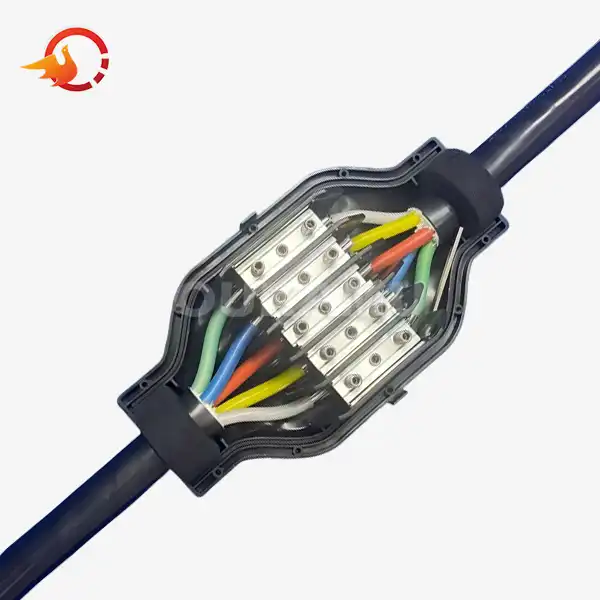
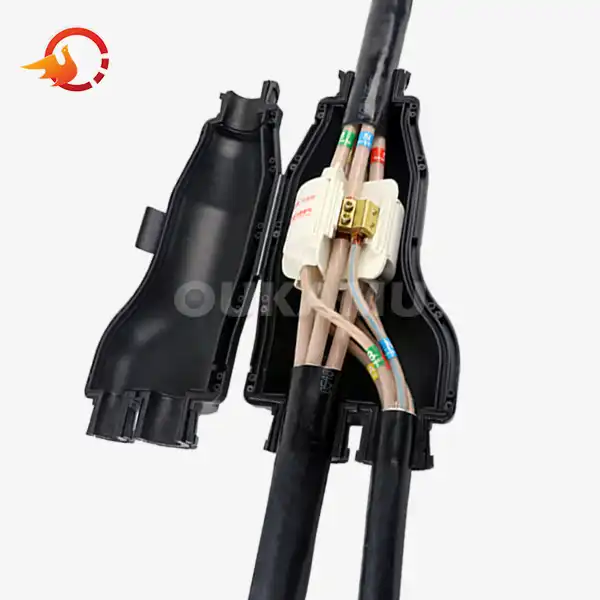
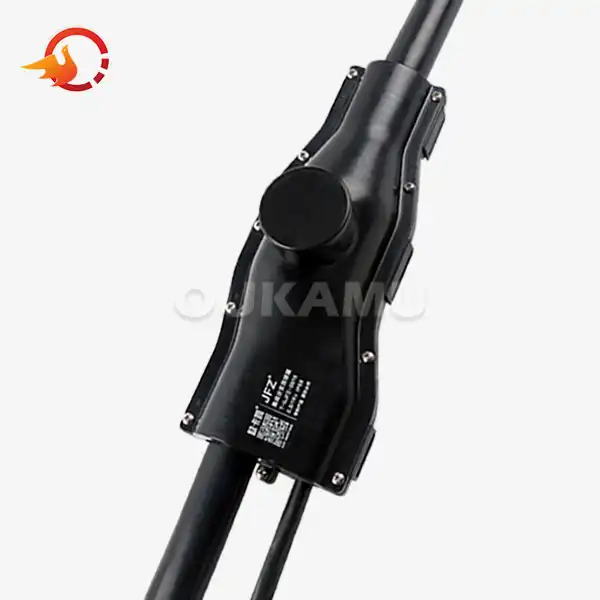
View:389When seeking the best underground cable jointer for power cable repair, you're looking at specialized tools and techniques that ensure secure, waterproof connections without disrupting power distribution networks. A skilled underground cable jointer performs critical splicing, termination, and branch connections for cables buried in harsh environments. Modern cable jointing equipment—particularly branch cable connectors with IP68 waterproof ratings and gel-filled insulation—allows field adjustments without cutting the main cable, offering flexibility and cost savings that traditional methods cannot match.

Introduction
Underground power cable networks are an important part of modern electrical distribution systems. However, they are hard to repair and join when they break or when the system needs to grow. We've seen how proper cable jointing has a direct effect on the safety, reliability, and cost of running a system. When looking for the right Underground Cable Jointer tools, you have to weigh the technical specs, durability, and how easy it is to setup against your project's budget and schedule.
This guide is for people in the United States who buy electrical goods, distribute them, provide building materials, or work as project buying officers. As we go thru this course, we'll talk about important scientific information, how to choose the right tools, and creative ways to make power wire repair faster and safer. This resource gives you useful information that you can use to improve your competitive edge and profit margins, whether you're getting ready to start a new product, finding products that meet specific needs, or handling bulk replenishment.
Understanding Underground Cable Jointing: Basics and Job Requirements
An Underground Cable Jointer is a specialized technician whose job it is to connect and terminate electrical cables that are buried below ground. These people make sure that the safety and continuity of utility, telecommunications, and power systems that are out of sight but necessary for daily life.
Core Responsibilities of Cable Jointing Professionals
Cable jointing work includes a lot of technical tasks that need to be done carefully and in line with safety rules. Technicians splice and terminate both armored and non-armored cables, making electrical connections that are safe and can handle the stresses of the environment. They put in safe shelters and jointing boxes that keep water, soil pressure, and changes in temperature away from the cable joints.
Once they're done with each joint, they test its soundness to make sure it meets safety and operating standards. When cable faults happen, these experts troubleshoot underground installations to find the weak spots and fix the problem. During every step of a project, following safety rules and industry laws is always required.
Essential Skills and Training Requirements
Professionals who join cables together well have both formal training and hands-on experience. Training programs that are recognized by the industry teach people how to strip cables, apply insulation, seal cables, and find faults. Understanding voltage classifications, telling the difference between low and high voltage work areas, and knowing how soil conditions affect wire performance are all examples of technical ability.
Safety training stresses how to use personal protective equipment, how to behave in dangerous environments, and how to handle emergencies. This mix of theory knowledge and hands-on experience lowers operating risks and makes sure that workers are ready for tough repair situations.
Common Challenges in Underground Cable Repair
When it comes to fixing, underground cable systems are different from overhead lines. Damage is often not seen until the equipment breaks down, so flaws under dirt, concrete, or asphalt need special detectors to be found. Insulation breaks down when water gets into it, especially in wires that have been buried for 20 to 30 years.
Another common problem is dig-ins from building work, which can be easily avoided with 811 Call Before You Dig services but still cause big power blackouts. Snowplows and cars can damage junction boxes that are above ground, and the damage can sometimes go all the way to buried cable sections. These problems show how important it is for maintenance teams to choose long-lasting, waterproof jointing equipment that can be used in a variety of situations.
Key Tools and Equipment for Underground Cable Jointing
Choosing the right tools is what determines whether cable jointing goes smoothly or experiences delays that cost a lot of money. It's been our experience that the right mix of tools improves both worker safety and joint life.
Manual vs. Hydraulic Equipment Options
Because they are portable and don't cost as much to buy, manual hand tools are good for small fixes and places that are hard to get to. Some of these are insulation knives, cable strippers, crimping tools, and mechanical compression devices. On the other hand, hydraulic equipment is more accurate and makes repeated tasks easier on the body. Hydraulic crimpers apply a constant amount of pressure, which makes sure that the quality of all connections is the same.
The newest technology is electric cable jointing tools, which combine hydraulic power with programmable settings to get consistent results. Procurement officers who are careful with their budgets often start with manual kits for small fixes and then move up to hydraulic systems as the number of projects they have to do grows.
Essential Components of Complete Jointing Kits
Professional wire jointing kits have many parts that are all meant to work together as a whole. Along with cutting and stripping tools, good kits should have insulation materials that match the voltage values of the cables, sealing solutions that keep water out, and protected covers that restore mechanical strength. Technicians are safe from electrical dangers when they wear insulated gloves, arc-rated clothes, voltage detectors, and grounding tools.
Regular inspections, calibration checks for hydraulic tools, and replacement of worn cutting edges are all part of maintenance protocols that make equipment last longer. Underground Cable Jointer tasks, in particular, demand extra care with sealing and crimping components. We suggest that procurement managers make sure that seller kits come with all the parts they need instead of having to buy them separately, which would add to the cost and delay the start of the project.
Top-Performing Tools and Brands in 2026
There are a number of well-known manufacturers of cable jointing equipment who are known for being reliable and coming up with new ideas. Established names offer tried-and-true performance and large service networks, while new makers often offer low prices and up-to-date features. When looking at your choices, you should think about load rates that match the sizes of the cables you usually use, warranty coverage that protects the value of your investment, and the ability to get new parts from local distributors.
According to user feedback from engineering teams, the most important things that set these products apart are how long they last in the field, how easy they are to set up when working in tight spaces, and how clear the instructions are. Tools that make complicated methods easier to understand cut down on training time and the number of mistakes made by new techs.
Table 1: Comparison of Manual vs. Hydraulic Cable Jointing Equipment
| Feature | Manual Tools | Hydraulic Equipment |
|---|---|---|
| Initial Cost | $200 to $800 | $2,500 to $8,000 |
| Physical Effort Required | High | Low |
| Joint Consistency | variable, depends on operator | managed pressure that is uniform |
| Suitable Cable Range | 1.5 mm to 16 mm | 6 mm to 240 mm |
| Portability | Excellent and light | Moderate, needs a power source |
| Ideal Application | Small fixes and branch connections | Lots of projects and big lines |
| Maintenance Frequency | Not much | Regular checks of the hydraulic fluid |
How to Choose the Best Underground Cable Jointer Equipment for Power Cable Repair
To choose the right equipment, you should first look at your specific operational needs and match them with what the product can do. We've made a framework that helps people who work in procurement make smart choices.
Assessing Application-Specific Needs
In different repair situations, you need different kinds of tools. For low-voltage branch connections that serve home developments, techs need small, simple connectors that they can quickly put in a number of places along distribution lines. For fixes on high-voltage transmission lines, you need strong jointing systems with lots of insulation layers and strict testing procedures.
People who work in cities with well-established infrastructure often have to work in small spaces like vaults and manholes, so they need equipment that takes up little space and can be set up quickly. In rural areas, sites may have to deal with wide temperature differences, corrosive dirt, or a lack of replacement parts.
This makes sturdiness and weather protection very important. Before hiring suppliers, we tell project procurement officers to make a list of typical cable sizes, voltage levels, and environmental conditions. This way, they can make sure that the suppliers' suggestions are in line with what the real operations need.
Critical Evaluation Criteria for Equipment Selection
Long-term equipment worth is affected by more than just the price of the original buy. Durability tells you how long tools will last in the field and how often they need to be replaced. How easy something is to use affects how fast it can be installed and how much training new team members need. Compatibility with existing tool sets keeps you from having to buy the same things twice and makes managing your inventory easier.
After-sales support, such as guarantee terms, access to professional training, and helpful customer service, lowers the risk of problems happening in the middle of a project. Distributors and store managers who put these criteria at the top of their list make more money because their projects get finished faster and their equipment doesn't break down as often.
Supplier Reliability and Service Networks
Working with well-known suppliers has benefits beyond the quality of the products. Authorized wholesalers keep enough stock on hand to quickly fill orders, so backorders don't cause project delays. Their technical support staff can suggest how to set up tools for specific tasks and help with fixing problems when things don't go as planned in the field. Underground Cable Jointer operations, however, require precise alignment and specialized accessory compatibility, which further underscores the value of relying on suppliers who understand these niche demands.
With warranty coverage and service places that are easy to get to, fixes can be done quickly instead of leaving equipment idle for weeks while it waits for help from overseas. Before committing to big orders, we suggest that e-commerce managers check the certifications of suppliers, read customer reviews with a focus on how quickly they received help, and make sure that regional service is available.
Advanced Solutions and Innovations in Underground Cable Jointing
As technology keeps getting better, it changes how cable jointing is done, giving early users chances to get ahead of the competition.
Modern Branch Cable Connection Technology
In the old way of joining cables, you had to cut the main cable, strip both ends, and make a splice joint inside a protective housing. This method needed about two to three meters of main wire at each branch point, and the places of the branches had to be carefully planned out before they were installed. Today's branch cable connectors change this process because they let you join at any point along the main wire without having to cut it.
These gadgets have penetrating contacts that go thru the covering of the cable to make an electrical link while keeping the main cable's structure. The end result gives a lot of flexibility—technicians can change the positions of branches on-site as the needs of the project change. This keeps waste from design mistakes and makes it possible to work with complex topologies that prefabricated solutions can't handle.
Case Study: Municipal Street Lighting Upgrade
A medium-sized city recently switched its street lights to LED technology, which meant that 47 new branch connections had to be made along underground distribution lines that were already there. If they had used the old way, they would have had to cut the main cable 47 times, which would have created possible weak spots and used up about 130 meters of expensive cable. Instead, the project team used branch cable connections that were rated IP68 for waterproofing and had gel-filled insulation.
Technicians finished works in half the time that was planned, having to change where the branches went when they ran into unexpected problems underground. Because the connections were small, they could be hidden in existing wire vaults without having to dig any new holes. Two years after installation, there have been no connection failures with the system, and the city says that the annual maintenance costs are 35% lower than with their old jointing methods.
Table 2: Technical Specifications - Advanced Branch Cable Connector
| Parameter | Specification |
|---|---|
| Main Cable Compatibility | Standard: 4mm to 16mm; heavy-duty: 95mm to 240mm |
| Branch Cable Range | 1.5 mm to 10 mm (normal), 6 mm to 70 mm (heavy-duty) |
| Rated Voltage | 0.6/1kV |
| Waterproof Rating | IP68 means it can withstand water. |
| Insulation Method | Double safety made of gel |
| Installation Type | Internment directly, in a cave, or on a bridge |
| Temperature Range | -40°C to +85°C |
| Material Composition | Polymer that doesn't catch fire or spread flames |
| Compliance Standards | IEC norms and GB/T 14048.7-2016 |
| Expected Service Life | 20 to 30 years |
| Reusability | Yes, links that can be changed |
Benefits of On-Site Cable Customization
Making branch links in the field instead of pre-fabricating assemblies in the plant solves a number of problems with purchasing and running the business. Branch positions can be changed easily to fit actual installation paths, as the spacing is not set in stone ahead of time. This prevents cable waste caused by mistakes in the design process. Trunk cables and branch cables are shipped and stored separately, which saves space for coiling and keeps problems from happening with too large of a bend radius. It's easier to move things because trunk wires stay together until they are installed.
This keeps them from getting damaged by vibrations and pressure like premade branch joints often do. Teams don't have to wait for new prefabricated parts to change branch places when projects change in the middle, which happens a lot with complex installations. This ability to make changes in real time is especially helpful for renovation projects where the existing infrastructure limits what can be done, or when working with narrow shafts and tight bends that make it hard to place prefabricated cables.
Automation and Smart Tool Integration
Digital tracking and automatic quality control are built into the next generation of cable jointing tools. Smart tools with built-in sensors keep track of the compression force while crimping and let operators know if the parameters go out of the acceptable ranges. Data logging makes lasting records of installations, which can be used to plan upkeep and keep records for warranties. Some more advanced systems can connect to mobile devices and give step-by-step instructions.
This cuts down on the need for training and makes sure that all work crews follow the same rules. Underground Cable Jointer procedures, for instance, can be standardized through these technologies. At the moment, these new technologies come at a higher cost, but forward-thinking wholesalers know that they are worth it for big projects that need to be consistent and have lots of paperwork.
Procurement Guide: Where and How to Buy Underground Cable Jointer Tools and Equipment
To find the best provider, you need to know how to read both signs of product quality and factors that affect business relationships that will affect long-term success.
Identifying Trusted Suppliers and Wholesalers
There are several ways for reliable suppliers of cable jointing equipment to show that they can be trusted. Industry certifications, like ISO 9001 for quality management and safety approvals for specific products, give people a basic idea of how well the manufacturing process is going. Established suppliers keep their technical information clear by providing detailed specifications, installation instructions, and test reports that help buyers check the claims of performance. Their sales teams know more about the scientific side of their products than just the basic features.
They can talk about use cases and suggest the best options. We've seen that suppliers who have been in business for 15 years or more tend to have better manufacturing processes and a better understanding of what customers want than suppliers who are new to the market. Checking references from current customers in similar business fields can give you information about how well a product works and how good the customer service is that marketing materials don't include.
Evaluating Online Procurement Platforms
E-commerce platforms are convenient and offer low prices, but you need to be careful to avoid fake goods and sellers you can't trust. Legitimate platforms show clear product specs, high-resolution pictures from different angles, and in-depth details of the parts that come with the product. Customer reviews, especially ones with pictures of the real products, help prove that the products are of good quality.
Customers are protected from scams by safe payment options and clear return policies. Before placing big orders on online sites they aren't familiar with, we suggest that procurement managers check the seller's credentials, make sure the business address is real, and ask for samples of the products being sold.
Negotiation Strategies for Bulk Orders
Buying in bulk can lead to better prices and terms, which improves the overall economics of the project. When talking to suppliers about large orders, be clear about how much you need, how flexible your delivery schedule needs to be, and how you'd like to be paid. Many makers have tiered pricing systems that reward customers who buy more. For example, when you buy more than one unit, the price per unit can drop by 15 to 30 percent compared to buying only one.
Aside from price, other things that can be negotiated are a longer guarantee, free technology training for your team, and faster access to customer support. We've learned that suppliers like working with distributors for a long time and getting regular orders. This makes them more open to special requests like private labeling or customized packaging for retail channels.
After-Sales Support and Technical Training
The buying of equipment is only the start of a relationship with a seller. If your investment delivers the expected value over its operational life, you can tell by how well it is supported after the sale. Customers don't have to rely on outside technical support as much when they buy from reliable providers who offer full operation manuals, installation videos, and troubleshooting tips. They have training programs that your technicians can attend on-site or at their sites. These programs teach your technicians how to properly use and maintain tools.
When problems happen, quick, helpful customer service with experienced reps fixes them quickly, keeping project delays to a minimum. The warranty terms should make it clear how long the coverage lasts, how to get a replacement, and if there are any limits or exceptions. We suggest that distribution managers try how responsive suppliers are during initial small orders before investing in larger amounts of inventory. This way, they can be sure that the help they offer will actually show up when it's needed.
Conclusion
To find the best Underground Cable Jointer equipment for fixing power cables, you need to carefully look at the technical needs, the work environment, and the supplier's abilities. Modern branch cable connection technology has many benefits over older methods. It eliminates the need to cut main lines, allows for flexible placement on-site, and provides better waterproof protection thru IP68-rated, gel-filled designs. These new ideas cut down on wasteful materials, lower the cost of installation, and speed up project timelines while still meeting safety and dependability standards.
A good procurement process weighs the initial costs of equipment against its long-term usefulness, taking into account things like how long it will last, how easy it is to use, and the support available after the sale. The move toward customizing cables on-site shows that the industry as a whole knows that being able to change in the field can solve problems that factory prefabrication can't. As automation and the merging of smart tools get better, early players get to benefit from increased efficiency, which gives them a direct edge in crowded markets.
FAQ
What safety procedures must underground cable jointers follow during power cable repair?
Underground Cable Jointers have to follow strict safety rules while they are fixing things. When lockout-tagout methods are followed correctly, power circuits are turned off and cannot be turned on by chance while work is being done. Before touching the wires, technicians use standardized testing tools to make sure there is no voltage. Protective gear for workers, like insulated gloves rated for working voltage, arc-rated clothes, safety glasses, and steel-toed boots, keeps them safe from electrical dangers and accidents.
When using glue or sealing solutions, work areas need to have enough air flow. Equipment for ground fault prevention and emergency stop must be easy to get to. When working in vaults or manholes, teams follow confined space entry protocols, which include testing the air quality and making a rescue plan. Safety training and license updates should be done on a regular basis to keep skills up to date and in line with OSHA rules and industry standards.
How often should cable jointing tools undergo maintenance or replacement?
Maintenance schedules depend on the type of equipment and how often it is used. Every 50 uses, manual cutting and removing tools need to be checked to make sure the blades are still sharp, the handles are still in good shape, and the orientation is correct. To make sure it always works right, hydraulic equipment needs to have its fluid levels checked once a month and its pressure tested once a year.
Every year, devices used to test insulation must be calibrated and checked against known standards. Manufacturers usually list service times in product paperwork. Sticking to these suggestions keeps projects from failing in the middle. Any tools that have obvious signs of wear, like broken insulation on the handles, bent cutting edges, or hydraulic fluid leaks, need to be replaced right away, no matter when they were made. Keeping detailed service logs helps you figure out when to replace things and how much money you need to spend on big purchases of tools before they break down.
What distinguishes underground cable jointing equipment from overhead line tools?
Underground cable jointing tools have to deal with environmental issues that overhead tools don't have to. For underground uses, waterproof ratings (IP68) and sealed construction keep water out from dirt contact, which is not a problem for overhead applications. Because they are always under pressure from the ground and can't be seen after installation, underground joints need strong mechanical security and materials that won't rust.
Underground tools focus on small sizes for working in tight spaces like vaults and trenches, while overhead tools focus on light weights for work that is done from a pole. Because of continuous ground contact and possible fault current paths thru soil, different insulation needs are needed. Unfortunately, because of these basic differences, tools made for one purpose rarely works well in another.
Elevate Your Cable Jointing Operations with Oukamu Solutions
For twenty years, Oukamu has been a specialist in making Underground Cable Jointer technology and branch cable connectors. They now bring that knowledge to the North American market. Our IP68 waterproof connectors have been tested and shown to work well in both straight burial and vault installs. They have gel-filled double insulation that makes them reliable over time. Our products are designed so that you don't have to cut the main cables. They can accommodate main cables from 4mm to 240mm and branch cables from 1.5mm to 70mm, giving you the freedom to meet the needs of your project.
As a provider of Underground Cable Jointers that is focused on new ideas, we offer reasonable pricing to wholesalers and builders on both standard and custom specs. We also offer variable order numbers that can be used for anything from testing products to restocking in bulk. Our integrated design cuts down on the time and cost of labor needed for installation, and our flame-resistant and non-flammable materials meet GB/T 14048.7-2016 and other international safety standards.
You can email our team at info@okmbranchcable.com to talk about your purchasing needs, get technical details, or set up product demos. Visit okmbranchcable.com to see all of our products and learn how our cable connection options can help your business be more competitive and run more smoothly.
References
1. Institute of Electrical and Electronics Engineers. (2021). IEEE Guide for Field Testing of Shielded Power Cable Systems Using Very Low Frequency (VLF). IEEE Standards Association.
2. National Electrical Contractors Association. (2022). Underground Utility Construction: Safety and Best Practices Manual. NECA Publications.
3. International Electrotechnical Commission. (2020). IEC 60502-2: Power Cables with Extruded Insulation for Rated Voltages from 6 kV to 30 kV – Part 2: Cables for Rated Voltages from 6 kV to 20 kV. IEC Central Office.
4. American Society for Testing and Materials. (2023). ASTM D4566-23: Standard Test Methods for Electrical Performance Properties of Insulations and Jackets for Telecommunications Wire and Cable. ASTM International.
5. Cable Jointing and Terminating Institute. (2022). Professional Certification Standards for Underground Cable Jointers: Training Requirements and Competency Assessment. CJTI Technical Press.
6. Electric Power Research Institute. (2021). Underground Cable Systems: Reliability Assessment and Preventive Maintenance Strategies. EPRI Technical Report Series.