

_1790150425011.webp)
Best types of power cable joint connectors for outdoor use






 2026-04-30 15:03:01
View:389
2026-04-30 15:03:01
View:389When installing electricity outside, picking the right Power Cable Joint Connector isn't just about making connections; it's also about making sure that the installation is safe, reliable, and lasts a long time in tough conditions. When used outside, a Power Cable Joint Connector guards against water, high temperatures, UV light, and mechanical stress while keeping the electrical integrity. Whether you're in charge of a business building project, improving industrial infrastructure, or keeping a wide range of items in stock for different customers, knowing the different types of connectors and how they can be used helps you make purchases that are cost-effective, require less maintenance, and meet regulations.

Introduction
Power Cable Joint Connectors are the most important part of outdoor electrical networks because they make links that are safe, protected, and long-lasting. From underground systems that have to deal with groundwater seepage to overhead lines that have to deal with hot summers and cold winters, these parts have to work perfectly in tough circumstances.Choosing the right joint connection has a direct effect on how reliable the system is, how safe it is to use, and how much it costs to maintain over time.
Purchasing managers, project procurement officers, and sellers need more than just technical datasheets to make decisions. They need to know how things work in the real world, how to put things quickly and easily, and what suppliers can do. This guide meets those needs by looking at the best types of connectors, how to choose them, and how to buy them for B2B electrical workers. Our focus is on both well-known names in the industry and new, cutting-edge companies like Oukamu, which brings to the market its unique knowledge of branch cable link technology.
Understanding Power Cable Joint Connectors for Outdoor Use
What Are Power Cable Joint Connectors?
Power Cable Joint Connector units are special tools that make sure there is electrical connection between cable parts while also protecting them mechanically and keeping out the environment. Outdoor connectors are different from simple indoor connectors because they have better insulation, waterproof seals, and strong housings that are made to resist water, rust, and physical impact.People sometimes use "cable joint" and "cable connector" to mean the same thing, but there is a difference between the two. When two wire ends meet, they usually form a lasting link called a joint. This is usually done by fusion or crimping. Connectors may give you more options for disconnecting or splitting, but many new products blur the lines between these functions by mixing them.
Engineering for Harsh Environments
Temperature changes outside can cause materials in outdoor cable connections to grow and shrink, which could weaken seals. They come into contact with UV light, which breaks down plastics over time. If water gets through insulation, rain, snow, and humidity can cause electricity problems. Because of these problems, connections need to be made with special plastics, sealed entry points, and metals that don't rust.Quality outdoor connectors keep their dielectric strength from -40°C to +90°C, don't break down in UV light for decades, and have water and dust protection grades of IP67 or IP68. Combining flame-retardant and fire-resistant materials adds another level of safety, which is especially important in places where strict building rules apply.
Benefits Beyond Basic Connectivity
Using outdoor joint connectors that were specifically made for that reason has many practical benefits. Insulation that works well and stops short circuits and electrical shocks makes things safer. Following rules like IEC 61238 and GB/T 14048.7-2016 helps get approval from regulators and lowers the risk of being sued. When connections can be checked without having to dig up or turn off whole lines, maintenance is easier. Adding branch connections that don't affect current cable runs makes the system more flexible. This is especially useful for facilities that are growing or projects that need to change to new conditions.
Top 5 Types of Power Cable Joint Connectors for Outdoor Applications
Knowing the different types of outdoor connectors makes it easier to match the features of a product to the needs of a particular job. Depending on the voltage level, mounting conditions, and operating goals, each type has its own benefits.
Heat Shrink Connectors
To make heat shrink connectors, thermoplastic tubes are heated and then squish down, sealing the wire links tightly. To install, you have to take off the wire insulation, place the conductor joint, slide the heat shrink sleeve over the connection, and use a torch or heat gun to heat it up. When the material shrinks, it makes a shield that is waterproof and has great dielectric qualities. These connectors work effectively in both underground and above-ground systems and can handle middle voltages up to 35kV. For the most part, they are better because they can adapt to odd forms and don't get dirty easily. Installing it takes skilled workers and the right heating tools, which could slow down outdoor work compared to other options.
Cold Shrink Connectors
Cold shrink technology gets rid of the need for heat, which speeds up fitting while keeping the seal strong. The links come on cores that can be taken out and stretched before use. Installers put the Power Cable Joint Connector over the ready-made cable joint and take out the core. This lets the elastic sleeve naturally tighten up and seal the joint. It only takes minutes instead of the longer time that heat shrink takes, which saves money on work costs for big jobs. Cold shrink fittings are great for places that don't allow open flames or when you need to get things done quickly. They can handle voltage rates from low to middle, and they are very resistant to moisture. Some designs are useful for short setups or testing because they can be used again and again.
Resin-Filled Connectors
Resin-filled joints offer the best safety when maximum mechanical strength and waterproofing are needed the most. These units have a stiff housing that surrounds the cable joint and is filled with epoxy resin. The resin hardens and forms a solid mass that can't be broken through. The result is a link that is almost impermeable to water, damage from mechanical forces, and chemical contact. Resin-filled technology is very helpful for underground installs, especially those that are in areas with dirty soils or high water tables. Because these connections are permanent, they can't be quickly repaired or changed. This makes them good for long-term installs where changes aren't likely to happen. It takes longer to prepare and cure for installation, but the sturdiness makes it worth it in important situations.
Pre-Molded Connectors
Pre-molded connectors come from the factory as whole pieces that are exactly the right size for regular cable sizes. Injection molding is used to make these, which ensures uniform quality and gets rid of field assembly factors. To install something, you have to make sure the ends of the cables are exactly how you want them, then put the wires into the connection body and finish the mechanical or compression fastening. In high voltage systems, pre-molded designs are often used because the controlled manufacturing environment makes the dielectric performance better and the field stress distribution more even. These connectors are good for big projects that need to connect a lot of cables over and over again because they are easy to install and don't take long once the wires are ready. But because of the need for precise wire preparation and the restricted size options, it is important to be very specific when buying.
Mechanical Connectors with Environmental Protection
Mechanical connectors make electrical connections that stay connected by using bolted or crimped connections that are kept in safe cases. These designs split the way the wires connect electrically from how they seal against the surroundings. This gives you more options for how to connect the wires. Modern mechanical connections made for outdoor use have several layers of closing, such as rubber seals, compression glands, and weatherproof housings with an IP66 rating or higher. They can fit a lot of different wire sizes and don't need heat or special hardening methods. Mechanical systems are good for places where repair access is important because they let you check connections and fix them if needed. To get the recommended environmental protection, it's important to use the right fitting method, which includes using the right torque specs and placing the seals correctly.
How to Choose the Right Power Cable Joint Connector for Outdoor Use
Defining Your Procurement Scenario
To choose the right Power Cable Joint Connector, you must first make sure you understand exactly what your project needs. The amount of shielding and dielectric strength that is needed depends on the voltage. For example, low voltage systems running at 0.6/1kV have different needs than medium voltage networks running at 10kV or 35kV. Specifications for the cable, such as the type of insulation, cross-sectional area, and conductor material (copper vs. aluminum), must meet the areas of connector compatibility.
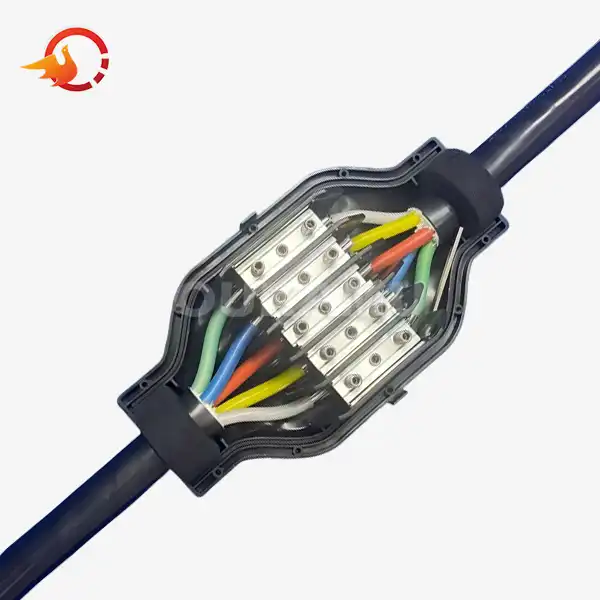
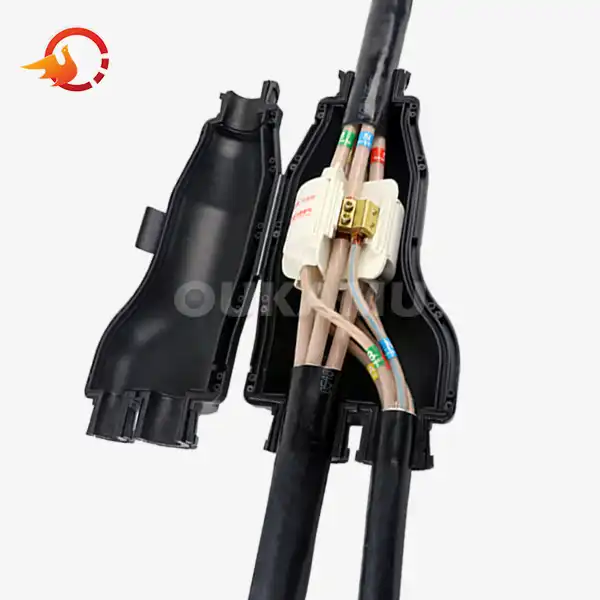
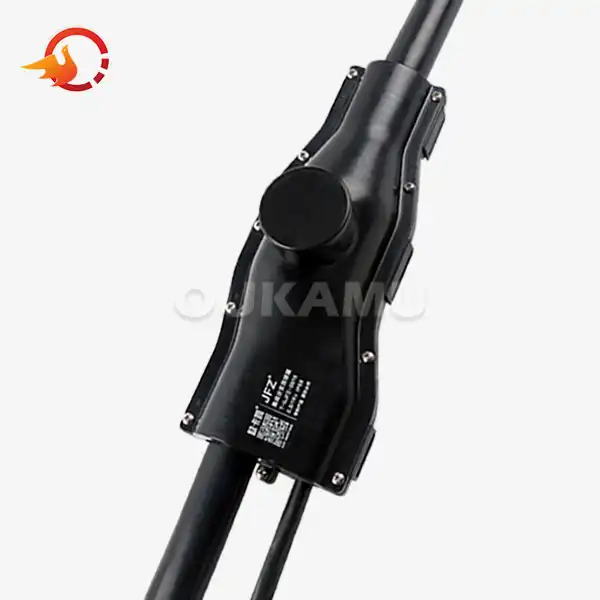
Whether the construction site is near the coast with salty air, an industrial area with chemicals that people are exposed to, or a place with wide temperature differences affect the choice of material and the IP rating that is needed.You can cut down your choices even more by figuring out if you need straight-through joints, branch links, or transition joints. Adding circuits without cutting main cables can save time and money with branch cable connections like Oukamu's ZR-JFZ range. These connectors keep the system flexible.
Evaluation Metrics That Matter
When comparing products, you should pay close attention to a number of technical details. IP grades describe the level of defense against intrusion. For example, IP67 means that water won't get in for a short time, while IP68 means that water can stay in for a long time. Impact resistance is measured by IK ratings. This is important for projects that are out in the open and could be damaged by mistake.
Temperature tolerances should cover both atmospheric and conductor warmth when the load is at its highest. Ratings for UV protection tell you how long something will last when it's in full sunlight. Labor costs are affected by how hard the installation is. Products that need few tools and faster building times lower project costs. Products that have been certified by well-known groups like IEC, UL, or CSA have been shown to meet safety and performance standards.
Comparing Manufacturers and Customization Options
There are many sellers with different strengths in the world market. Well-known companies like 3M, TE Connectivity, Siemens, and ABB offer wide range of products backed by lots of testing data and support networks all over the world. These companies are great at making standard answers for common problems, but their high prices show where they stand in the market. Regional experts like Oukamu have a lot of experience with certain types of connectors and can often offer better customization options and quick technical help. They have been experts in branch cable joint technology for 20 years, which has led to new designs that solve installation problems that bigger rivals miss.
When looking at different providers, you should see if they can meet your specific needs for cable sizes that aren't in the normal range, if they're willing to change designs to fit your specific surroundings, and if they can support OEM partnerships for private label goods. When project dates are approaching or long-term supply relationships are being formed, lead times, minimum order amounts, and the availability of after-sales service become important factors.
Installation Process and Best Practices for Outdoor Power Cable Joint Connectors
Cable Preparation Steps
A lot of the quality of the link depends on how well the cables are prepared before they are installed. Start by cutting the ends of the cables straight across with the right tools. Rough cuts weaken the link. Take off the outer jackets until they reach the length that is stated without hurting the insulating layers underneath. If you don't remove enough of the insulation around the wire, it could cause an arc, and if you remove too little, it could stop the right mechanical contact. Clean the sides of conductors to get rid of any rust or dirt that stops electricity from flowing. For stranded wires, make sure there are no broken strands and use compression dies properly to make strong termination points.
Assembly Techniques by Connector Type
Each type of Power Cable Joint Connector needs its own set of installation steps. When installing heat shrink, all the parts must be in the right place before the heat is applied, because once the shrinking starts, they can't be moved again. Keep the temperature even all the way around to avoid trapping air or not fully contracting. Carefully following the core removal steps during cold shrink setups is important because hasty release or uneven retraction can damage the seal.For resin-filled connections, it's important to pay attention to the mixing ratios and curing temperatures. If these are off, it can change the end hardness and electrical qualities. Pre-molded connectors depend on accurate measurements, so check how the cable is prepared against models before you try to place it. To get the bolt tensions that the maker specifies for mechanical connections, both electrical contact and gasket compression must be achieved. Torque tools are needed for this.
Sealing and Compliance Verification
Once the parts are put together mechanically, check the covering against the environment by looking at it and, if possible, doing some tests first. Make sure that none of the gaskets are loose or missing and that they all fit properly. Make sure that the compression glands around the wire jackets close evenly. Before turning on circuits, you might want to do temporary pressure tests or insulation resistance readings on setups that are very important. The installation date, the technician's name, and any changes from normal methods should all be written down. Following the safety rules set by IEC, IEEE, and local electricity codes protects you legally and gives you trust in your operations.
Troubleshooting Common Installation Challenges
The most common way for an outdoor connection to fail is still for moisture to get in. This usually happens because the seals weren't fully sealed during installation, were damaged during assembly, or broke down over time from UV light or mechanical movement. Some ways to stop this from happening are to choose joints with extra sealing layers, keep systems safe from direct mechanical impact, and schedule regular checks in harsh settings. Mechanical stress problems happen when wires are pulled too hard or when vibrations get into the bodies of connectors. These risks can be reduced by using strain release devices, proper wire support, and flexible connection designs. Because of problems with temperature, like thermal cycling that makes seals shrink, the connections need to be rated for the whole temperature range the system will see.
Procurement and Supply Chain Insights for Outdoor Power Cable Joint Connectors
Sourcing Strategies for Quality Assurance
To find trusted Power Cable Joint Connector options, you need to do more than just compare datasheets and prices when looking for a seller. Authorized wholesalers of major brands sell real goods and offer warranty support and expert resources. Their prices reflect the fact that they offer these services. Direct connections with makers like Oukamu can save you money on large purchases and let you talk about customization in a way that distributors can't. When looking at sources, you should ask for proof of certification, proof of a quality management system (ISO 9001), and examples from people who have used similar apps before. Sample testing before placing big orders shows how well the product actually works compared to what the marketing says.
Optimizing Bulk Procurement
Strategic bulk buying that combines the costs of keeping inventory with volume savings and supply security is good for big projects. Talk about pricing systems that reward loyalty while still allowing for changes in specifications as the project progresses. Set up blanket purchase orders with planned releases to keep your cash flow and stock space needs in check. Look into vendor-managed inventory arrangements. This is when sellers keep the right amount of stock on hand based on how much you use it, which makes buying easier. Multi-year contracts with price change terms protect sellers from changes in the market and let them see what orders are coming in, which helps them plan better.
Customization and OEM Partnerships
Standard goods often need to be changed for specialized uses, such as to include different mixes of wire sizes, special environmental seals, or built-in tracking features. Strong engineering teams at manufacturers can make changes to current designs or come up with completely new solutions that fit your needs. At Xi'an Oukamu Electric, we know that every project has its own specific needs. For example, apartment buildings need cost-effective branch options, while industrial facilities need products that can withstand extreme chemical resistance. From the idea stage to production, our expert team works with customers to make sure that the finished products meet both performance goals and cost limits. This way of working together as a team works especially well for builders with regular unique needs or distributors who are making their own lines of products.
Balancing Quality, Cost, and Delivery Timelines
Procurement decisions involve trade-offs between different objectives. Premium plugs cost more at first, but they may save you money in the long run because they last longer and break down less often. Economy items are good for projects that are tight on money and have shorter operating goals or less demanding settings. Shipping times are very different. Stock things are sent out within days, but special orders may take weeks or months for production and tooling. Knowing the key path of your project helps you decide whether speed or cost savings is more important. There are usually extra fees for rush orders that might be more than the value of faster delivery if the customer had planned ahead.
Conclusion
Finding the right Power Cable Joint Connector for outdoor use means combining technical requirements with installation limitations, environmental needs, and business concerns. Different types of outdoor electrical equipment need different kinds of connectors, such as heat shrink, cold shrink, resin-filled, pre-molded, and mechanical. Careful consideration of IP ratings, temperature tolerance, certification standards, and provider skills helps buyers choose options that will work reliably for a long time.
The quality of well-designed connectors is maximized by installing them correctly by making sure the cables are ready, using the right soldering methods, and checking for compliance. When you strategically buy from companies that let you customize their products, like Oukamu's specialized branch cable technology, you can save money and get better installation results than with standard products. If buying managers, project engineers, and dealers understand how these factors affect each other, they can choose connector solutions that meet the needs of the current project while also improving business efficiency and system longevity.
FAQ
What distinguishes a cable joint from a cable connector?
A cable joint is a fixed link between two pieces of wire. The conductors are fused, soldered, or crimped together, and then they are insulated. Power Cable Joint Connector units for cables can let you separate them or make branches while still protecting the environment. These days, many goods have both roles, so the difference is not as clear-cut in real life.
Can outdoor cable connectors be reused after removal?
How often a connector can be used varies on its type and form. Because they close permanently, heat shrink and resin-filled connections are usually only used once. If taking off the cold shrink coupler doesn't damage the elastic tube, it may be possible to use it again and again. Mechanical links that have seals and gaskets that can be replaced can often be taken apart, inspected, and put back together again if no parts are broken. Oukamu's branch links are designed to be used more than once, so system changes can be made without having to update the whole thing.
Which certification standards apply to outdoor power cable joints?
The international standard IEC 61238 talks about devices that connect and join wires and lines. In China, the regional standard is GB/T 14048.7-2016. In North America, it is UL standards, and in Europe, it is different national specs. IP grades based on IEC 60529 describe the amount of ingress protection. Safety approvals from groups like UL, CSA, or CE marking show that the product meets the electricity safety standards in the target market.
Partner with a Trusted Power Cable Joint Connector Manufacturer
Choosing the right connector source has effects on the success of the project that go beyond the specs of the products. Over the past 20 years, Oukamu has become an expert in branch cable connection technology, coming up with new ways to solve problems that standard goods can't. Our ZR-JFZ series Power Cable Joint Connector doesn't require cutting of main cables, waste less material, speed up installation, and offer real field freedom that reacts to site conditions instead of forcing compromises.
We work with sellers of electrical products, project contractors, and industrial repair teams that value both new technology and making things work in the real world. Our product line can be used in a wide range of settings, from apartment buildings to factories. We can also make our products to fit the specific needs of each project. Quality management systems make sure that industrial standards are always met, and following GB/T 14048.7-2016 and other international safety rules gives regulators trust in all markets.
Procurement managers like how flexible our buying is—we can buy small amounts of new products to test them out or sign large contracts to help with big building projects. Technical support goes beyond sales and includes help with installation, application building, and quick service after the sale. Our OEM services let wholesalers and e-commerce sites create private label products with specific features that set your products apart.Find out how the smart design of Oukamu power line joint plugs makes them more cost-effective. You can talk to our team about your specific needs, get detailed documentation, or get quotes for your future projects by emailing info@okmbranchcable.com or visiting okmbranchcable.com.
References
1. International Electrotechnical Commission, "IEC 61238-1: Compression and Mechanical Connectors for Power Cables - Part 1: Test Methods and Requirements," 2018.
2. Smith, Robert J., and Mitchell, David K., "Cable Jointing Techniques for Medium Voltage Distribution Networks," Electrical Engineering Standards Journal, Vol. 34, No. 2, 2021, pp. 112-128.
3. Anderson, Laura M., "Environmental Performance of Polymeric Cable Connectors Under Accelerated Aging Conditions," Journal of Materials in Electrical Applications, Vol. 19, No. 4, 2020, pp. 245-263.
4. National Standardization Administration of China, "GB/T 14048.7-2016: Low-Voltage Switchgear and Controlgear - Part 7: Ancillary Equipment - Cable Connection Accessories," 2016.
5. Thompson, Gregory P., and Williams, Jennifer L., "Cost-Benefit Analysis of Cable Connection Methods in Outdoor Infrastructure Projects," International Journal of Electrical Distribution Systems, Vol. 28, No. 1, 2022, pp. 67-84.
6. European Committee for Electrotechnical Standardization, "EN 50393: Test Methods for Accessories Used on Electric Cables with a Rated Voltage from 3.6/6 (7.2) kV up to 20.8/36 (42) kV," 2019.