

Best low voltage cable joint connectors for residential wiring






 2026-05-07 10:32:36
View:389
2026-05-07 10:32:36
View:389Choosing the right Low Voltage Cable Joint Connector has a direct effect on how safe, efficient, and long-lasting home electrical systems are. These connectors make it easy to make safe connections in low voltage situations (usually 0.6/1kV), and they are necessary for all kinds of projects, from single-family homes to apartment buildings with multiple units. For procurement managers, electrical workers, and sellers, knowing the different types of connectors, how to install them, and how reliable a supplier is is important for both the success of a project and cutting costs. This guide tells you how to choose, install, and find plugs that meet safety standards for homes and have great cost-to-performance rates.

Understanding Low Voltage Cable Joint Connectors for Residential Wiring
As important junction places in household electrical systems, Low Voltage Cable Joint Connector make connections for circuits that work with less than 100V safe. These connectors are very different from their high voltage versions because they are designed to be easy for anyone to install, take up little space, and strictly follow residential safety rules like UL and IEC standards.
What Makes Low Voltage Connectors Essential?
When used in homes, wire links have to be able to handle the daily stresses of operation while still being electrically sound. Low voltage connectors do this with special designs that make them work in a range of placement situations, from crawl areas and holes in the wall to outdoor junction boxes. The links handle branch connections without cutting the main wire, which makes installation much easier and wastes a lot less material.
Common Connector Types and Their Applications
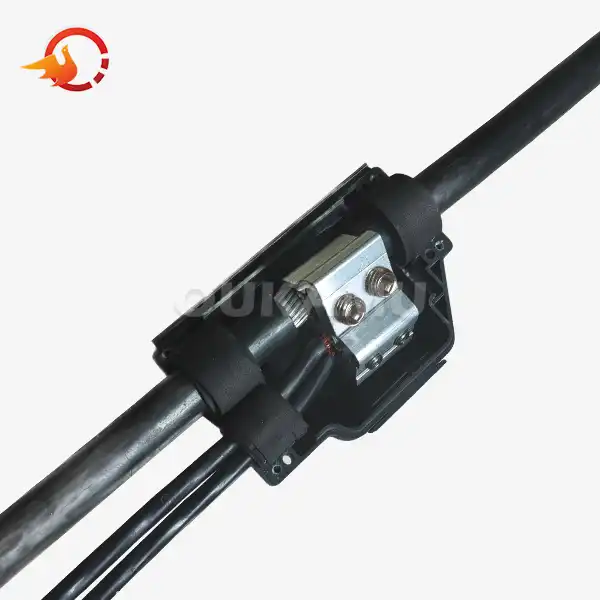
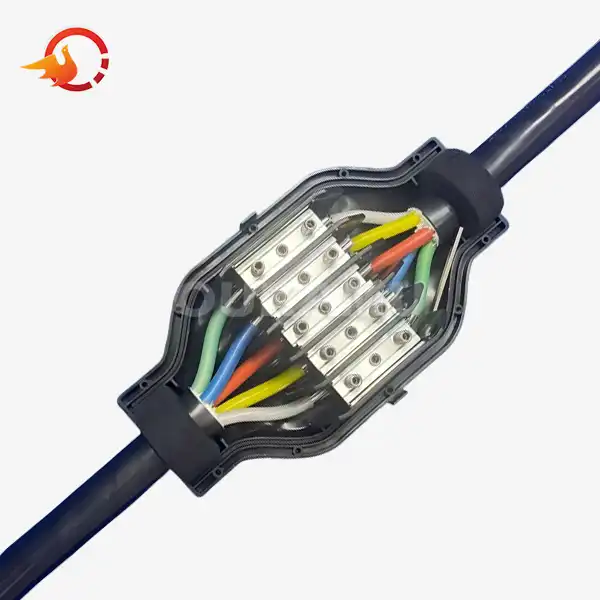
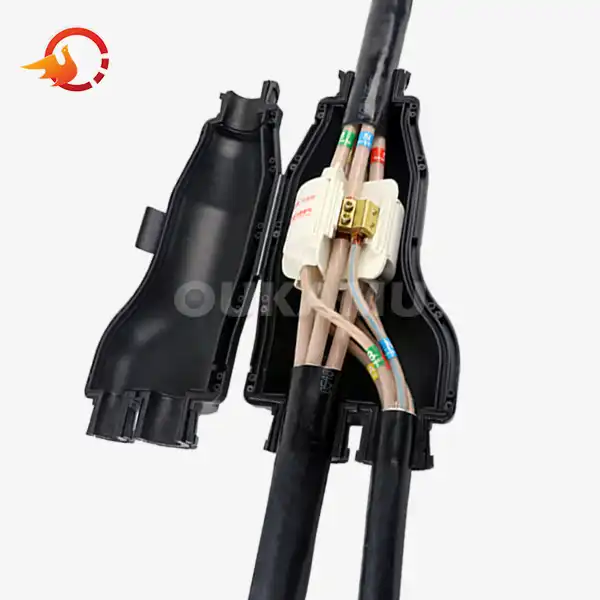
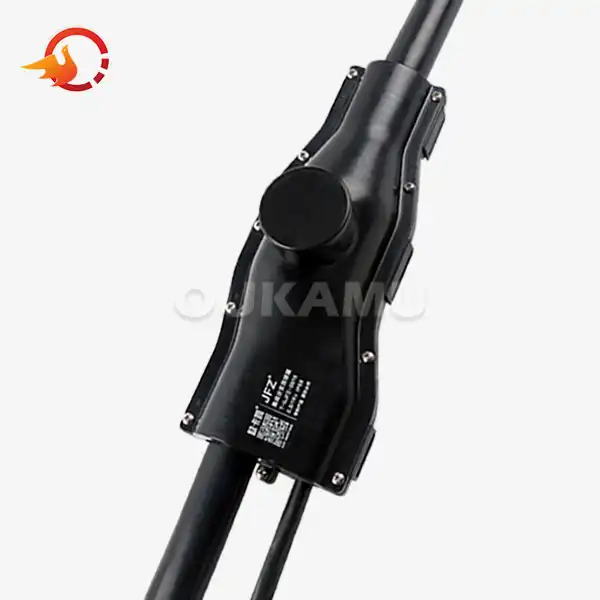
Different types of connectors meet different needs in homes. Because they close when heated, heat shrink connectors are very good at keeping out wetness, so they can be used in damp places. Mechanical compression types are easier to install without tools, which is especially helpful for retrofits where entry is limited. Insulation-piercing connections allow live-circuit branching without having to strip wires, which cuts down on installation time. Branch cable joint connectors, like the ZR-JFZ series, are high-tech options that can be used more than once and are very flexible. They can fit main cables from 95 mm to 240 mm and branch cables from 6 mm to 70 mm in a single, combined design.
The makeup of a material is very important to its function. Copper wires make sure that electricity flows smoothly, and flame-resistant, fire-resistant housings keep you safe from thermal dangers. Waterproof sealing devices stop water from getting in, which fixes a common problem that happens in home setups. To make sure the system works safely and legally for its whole life, its voltage grades, current capacities, and temperature ranges must all match the needs of the project.
How to Choose the Best Low Voltage Cable Joint Connector for Residential Wiring
To choose the best Low Voltage Cable Joint Connector, you have to weigh a lot of academic and practical factors against the limits of the project. People making decisions need to look at how well the electricity system works, how well it works with the surroundings, how easy it is to install, and the total cost of ownership.
Key Selection Criteria
Electrical conductivity has a direct effect on how well a system works and how much heat it makes. Good connectors keep contact resistance low, which stops voltage drops and builds up too much heat, which can damage insulation over time. Mechanical strength makes sure that links can handle the shaking, expanding, and hitting things that happen by accident in homes. The success of sealing keeps out moisture, dust, and other contaminants that can damage electrical safety and speed up rust.
How easy it is to install has a big effect on worker prices and project timelines. Costs go up when you need to use connectors that need special tools or a lot of training, especially for big projects with tight deadlines. Advanced branch joint technologies make it possible to link branches at any point without cutting the main cables. This means that there is no need for exact planning ahead of time, and changes can be made in the field as needed.
Evaluating Market Solutions
Established makers offer durability that has been tested and full support. Their goods usually come with a lot of testing information, clear installation directions, and quick access to technical support. Procurement workers should carefully look at certification credentials when comparing choices. Compliance with GB/T 14048.7-2016 and foreign versions shows that safety standards are being followed, which lowers the risk of exposure and makes code checks easier.
There is more to cost-performance research than just unit price. Connectors that let you save wire, cut down on installation time, and reused parts are more valuable, even if they cost more at first. A connection that gets rid of two to three meters of wire per installation point saves a lot of material on projects with a lot of junction points. In the same way, designs that cut down on work time from hours to minutes directly lead to lower labor costs and faster project finish.
Scenario-Specific Recommendations
Connectors are useful for single-family home projects because they are easy to install and work reliably over time. For these uses, small forms that fit inside normal electrical boxes and need little space around them work well. Standardized connector systems that work the same way at hundreds of placement places are useful for multi-unit buildings that need to be able to grow and stay consistent. Retrofit projects have special problems, like restricted access, unknown cable conditions, and filled areas. This is why non-destructive installation methods and the ability to move things around are so important. Branch joint connectors are great for these situations because they can make connections without cutting the main wire. This means that setups can be done in stages and with less disturbance.
Installation Guide: How to Properly Install Low Voltage Cable Joint Connectors?
Using the right placement methods will make sure that Low Voltage Cable Joint Connector work as planned for the whole time they are in use. Careful attention to detail during preparation and building stops common ways things go wrong and raises the level of safety.
Cable Preparation
First, carefully check the state of the cables. Check for harm to the insulation, corrosion on the conductors, or mechanical deformation that could make the link less reliable. Thoroughly clean the sides of the cables to get rid of any dirt or dust that might get in the way of electrical contact or closing. When removing insulation, it's important to be very accurate with your measurements, because too much conductor exposure can cause shocks and not enough exposure can stop good touch. To keep from nicking conductors, which can cause them to fail, make sure that the removing tools you use are sharp and the right size.
Connector Assembly and Joining
Do exactly what the maker says about how deep to place the conductor and how much force to use when tightening it. When links aren't tight enough, they create a lot of resistance, which makes heat and breaks down parts. Tightening too much breaks wires or cracks connection housings. For branch joint connections like the ZR-JFZ-240/70 type, the integrated design makes this process easier. The connector can hold both main and branch cables at the same time, so the main line doesn't have to be disconnected. This makes installation a lot easier.
Common Installation Pitfalls and Troubleshooting
Incorrect strip lengths rank among the most frequent installation errors. Too much visible wire is dangerous and raises the chance of corrosion. Not enough sunlight stops good touch, which causes heat and voltage drops. When insulation repair isn't done right, connections can be damaged by the environment or by touching them by mistake. To get full insulation back around every connection point, use heat shrink tube or insulating tape in a planned way.
As parts grow and shrink due to thermal cycles, connections become loose over time. Set up regular inspection plans that include both visual inspection and thermal imaging to find high temperatures that could mean problems are starting to form. Corrosion usually shows up on metal surfaces that are exposed to air as darkening or solid formations. Quickly stop corrosion by cleaning up the damaged areas and making the surroundings safer. Water stains, rust, or insulation that has been worn down are all signs that moisture has gotten in. These need to be fixed right away to avoid electricity problems and possible fire risks.
Advantages and Performance Features of Top Low Voltage Cable Joint Connectors
Premium Low Voltage Cable Joint Connector offer real performance benefits that make them a good choice for demanding home uses. Knowing about these benefits helps buying workers decide where to spend their money wisely.
Enhanced Electrical Reliability
Better connections reduce electrical resistance by using high-conductivity materials and contacts with the best design. This keeps power levels fixed across distribution circuits, cuts down on energy loss, and stops circuits from getting too hot. Consistent electricity performance over years of service gets rid of annoying faults and cuts down on repair work. This is especially helpful in occupied domestic settings where service interruptions are very annoying.
Mechanical Durability and Environmental Resistance
Low-level vibrations are always happening in residential electrical systems because of things like building movement, HVAC equipment, and everyday life. Because they have strong springs and anti-vibration features, robust connectors keep a secure connection even when these stresses happen. Designs that are weatherproof have many closing steps that keep out water, dust, and gases that break down materials. Flame-retardant and fire-resistant materials stop faults from spreading, keeping potential fire risks in check and offering important safety margins. Anti-aging formulas are resistant to UV damage, ozone attack, and heat breakdown, so they will last for decades even in tough conditions.
Long-Term Cost Efficiency
There are several ways that high-quality connections lower the total cost of ownership. Reliable performance cuts down on the cost of repair calls and replacements. Reusable designs let you change the circuit without having to replace the whole thing, which is helpful in homes where upgrades and repairs happen all the time. Cable savings add up quickly—getting rid of just 2 meters of cable per connection point saves a lot of money on materials for projects with a lot of branch lines. These saves are increased by faster installation and less repair, which is especially true with new branch joint technologies that get rid of the need to cut and splice main cables.
Compliance and Safety Features
If a connector meets foreign standards, you can be sure that it is safe and reliable. Certification testing makes sure that the product works well in fault situations, harsh environments, and situations where it ages faster. This compliance makes getting a permit easier, meets insurance standards, and shows that safety issues are being taken seriously. Integrated protection, touch-safe designs, and clear polarity marks are some of the features that make the system safer to use and less likely to cause mistakes during installation.
The ZR-JFZ-240/70 branch cable joint connector shows these performance benefits with its wide range of features. This connector is the result of 20 years of specialized research and development. It combines flame retardancy, fire protection, and sealing into a small, flexible package. Its reusable design and ability to make connections without interrupting the main wire give it great installation freedom, making it suitable for a wide range of home plans and helping projects run smoothly in a range of building types and retrofit situations.
Procurement Tips for Low Voltage Cable Joint Connectors: Buying in Bulk and Choosing Suppliers
Strategic purchasing practices make sure that there is a steady supply of Low Voltage Cable Joint Connector, the best prices, and the same high standard of products. Methods that work well balance the needs of the current project with long-term ties with suppliers and the ability of the supply chain to handle changes.
Supplier Evaluation Criteria
Quality standards are an important first step toward ensuring reliability. Check that suppliers keep their ISO certifications up to date and that goods have the right safety agency approvals, such as UL, IEC, or similar standards based on where the installation is happening. Demand test records that show how well the product works electrically, how well it handles the surroundings, and how long it will last mechanically. Reliable sellers make this information easy to find and back up their goods with full warranties.
Bulk Purchasing Advantages
Buying in bulk has big economic benefits that go beyond just lowering the price per unit. Using consolidated shipping cuts down on handling costs and makes getting packages easier. Using the same types of connectors for multiple projects makes installation training easier, cuts down on the number of tools that need to be kept on hand, and makes managing extra parts easier. For big orders, many providers offer customization services like changing the range of wire sizes, using special sealing materials, or adding custom labels that make the product more project-specific without needing full custom engineering.
Negotiate favorable payment terms that align with project cash flows. Progressive sellers know how long it takes for contractors to pay their bills and set their terms to match. Framework deals should be made for ongoing projects that promise stable prices while still allowing for flexibility in delivery times and amounts. These deals are good for everyone because they lower transaction costs and make it easier to see what demand will be.
Online Procurement Best Practices
Digital platforms for buying things are convenient and give buyers more access to suppliers, especially wholesalers who serve a variety of markets. Check the legitimacy of the supplier in several ways: compare business records, read customer reviews, and ask for examples from projects that the supplier has already worked on. Secure payment methods make deals quick and easy while keeping fraud at bay. Before committing to big orders, use sample programs to make sure that items meet standards and arrive in good shape.
Online sources of technical datasheets make it possible to compare products in great depth and confirm specifications. Download and save these papers in a planned way. This will create a library of references that will help with future purchasing choices and give installation teams solid advice. Get expert help from the provider early on in the specification process to make sure the product fits the needs of the application and to avoid costly mistakes that are only found during installation.
Conclusion
Choosing the right Low Voltage Cable Joint Connector is a big choice that affects the safety, dependability, and cost-effectiveness of a home's electrical system. Procurement experts and builders can make sure that projects turn out well by knowing the different types of connectors, using a structured approach to evaluation criteria, following the right installation steps, and building strategic relationships with suppliers. New branch joint technologies show how link methods are becoming more adaptable and effective, meeting the needs of modern home building while cutting down on trash and labor costs. Prioritizing quality, compliance, and provider skill leads to better value in the long run by lowering costs and improving system performance.
FAQ
How do environmental conditions affect low voltage connector durability?
Exposure to moisture speeds up corrosion and weakens insulation, so waterproof covering is necessary in wet or outdoor areas. Extreme temperatures make materials' thermal expansions differ, which could lead to Low Voltage Cable Joint Connector coming loose over time if plans don't include ways to fix the problem. Many plastics break down in UV light, so for outdoor use, UV-stabilized formulas are needed.
Can the same connector work for both indoor and outdoor residential applications?
Some connections can be used in both indoor and outdoor settings, but the specs must make this clear. Connectors that can only be used indoors usually don't have enough UV protection or moisture covering for outdoor use. Outdoor links have better natural protection, like better waterproofing, materials that don't rust, and housings that don't fade in the sun. Products with the right IP (Ingress Protection) scores and weatherability certifications have been proven to work well outside.
What methods verify compliance with international safety standards?
Check the product's labels for UL, CE, or other well-known certification symbols that show it has been tested and approved by a third party. Ask sellers for copies of their certification papers and make sure that the model numbers on them match the goods you want to buy. Check the websites of certifiers to see what the current state of certification is. Products that meet GB/T 14048.7-2016 and similar international standards have been through a lot of tests to make sure they work safely and reliably in household settings. These tests include checking for electrical performance, fire resistance, and weather durability.
Partner with Oukamu for Reliable Cable Connection Solutions
Oukamu offers Low Voltage Cable Joint Connector technology that has been tried and tested, backed by 20 years of experience developing and making specialized branch joints. Our ZR-JFZ-240/70 model is an example of modern home wiring solutions because it has an integrated design, can be installed in a variety of ways, and has many safety features, such as flame retardancy, fire resistance, and waterproof protection. Our connectors are compliant with GB/T 14048.7-2016 and international standards. They can hold main cables 95–240mm and branch cables 6–70mm. This means that you don't have to cut the main cables and can place them precisely on-site. This directly leads to lower prices for materials and labor, as well as shorter project timelines.
For distributors, contractors, and sourcing pros, this is a huge benefit. Our expert team can be reached at info@okmbranchcable.com to talk about your specific project needs, get full specs and examples, or look into bulk buying options. We are a low voltage cable joint connector maker that is dedicated to quality, innovation, and customer success. Visit okmbranchcable.com to learn more about how our solutions improve the performance and cost-effectiveness of home electrical systems.
References
1. National Electrical Manufacturers Association. (2021). Low Voltage Cable Connectors: Standards and Selection Guidelines for Residential Applications. NEMA Publications.
2. Institute of Electrical and Electronics Engineers. (2020). IEEE Guide for the Installation of Low Voltage Cable Systems in Residential Buildings. IEEE Standards Association.
3. Chen, M., & Anderson, P. (2019). Modern Cable Connection Technologies: Performance Analysis and Application Strategies. Journal of Electrical Installation Engineering, 45(3), 127-143.
4. International Electrotechnical Commission. (2022). IEC 60947-7-1: Low-voltage Switchgear and Controlgear – Part 7-1: Ancillary Equipment – Terminal Blocks for Copper Conductors. IEC Standards Catalog.
5. Thompson, R. L. (2020). Residential Electrical System Design and Installation: Best Practices for Safety and Efficiency. McGraw-Hill Professional.
6. Building Research Establishment. (2021). Fire Safety in Electrical Installations: Material Selection and Installation Techniques for Low Voltage Systems. BRE Trust Publications.