

Best practices for testing armoured cable branch joints after installation






 2026-06-23 15:26:17
View:389
2026-06-23 15:26:17
View:389It is important to test Armoured Cable Branch Joints properly after installation to make sure that electrical systems are safe and work well in the long run. Armoured Cable Branch Joints are important places where main and branch circuits link because they keep the electricity safe and protect the joints from outside pressures. Thoroughly testing these joints helps make sure that the insulation is good, that the electricity flows smoothly, and that the joints work well overall. Even the most advanced joint designs can fail early if they aren't tested thoroughly after installation. This can cause costly downtime and safety risks that no procurement officer or project manager wants to deal with in their work.

Understanding Armoured Cable Branch Joints and Their Importance in Testing
Armoured Cable Branch Joints make safe connections in infrastructure and industry electrical systems where branch circuits split off from main power lines. These special connections are made to keep the protective armor around wires in place while also making sure that electricity flows safely.
Basic Components and Common Types
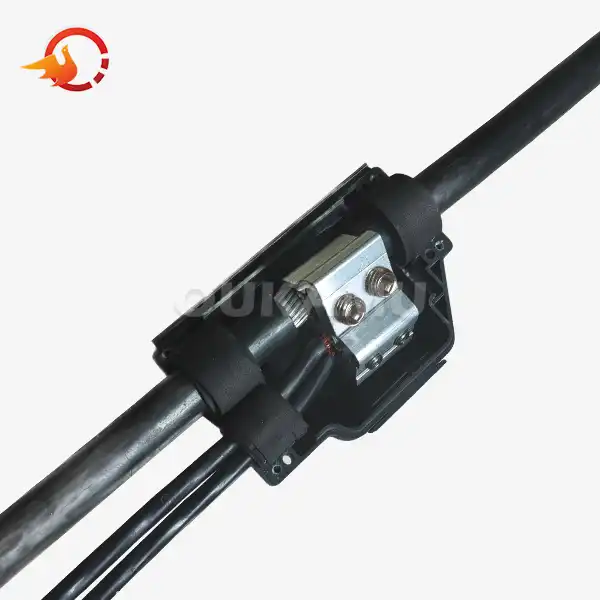
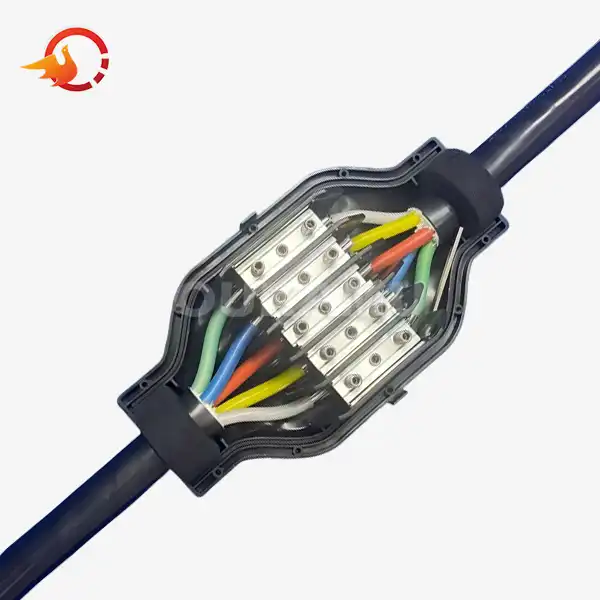
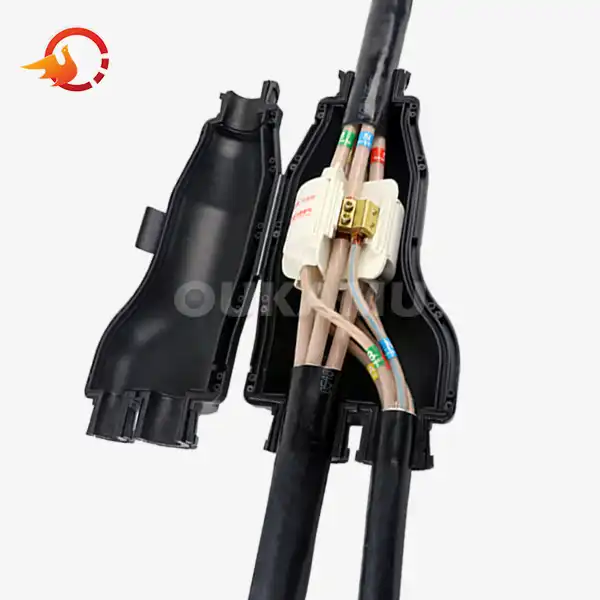
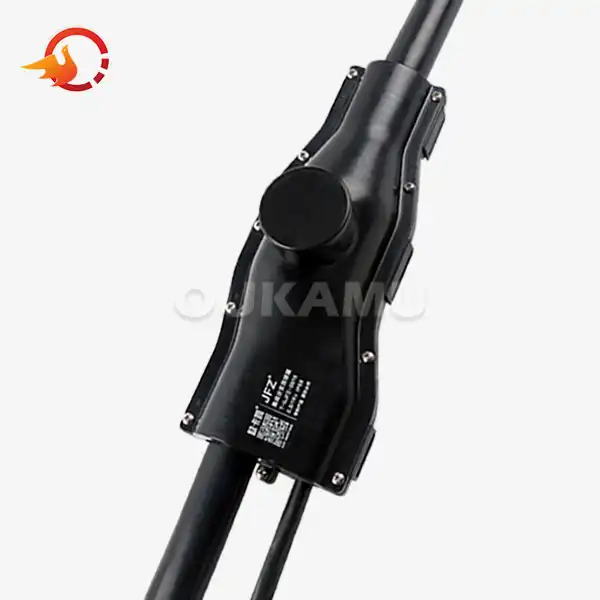
These days, branch joints are usually made up of several combined parts that work together. The machinery for connecting is inside the main body, and closing systems keep out water and dirt. Conductors are surrounded by flame-resistant insulation, and both main and branch cables are held in place by mechanical clamps without having to cut the main wire. Some designs use links that can be used more than once, while others use cast resin encapsulation for long-term installs. The choice is based on the voltage levels, the climate, and the upkeep needs of the particular application.
Differences from Unarmoured Joints
Armoured connectors keep mechanical security all the way through the connection zone, unlike normal unarmored connectors. This difference is very important in underground sites, factories, and other places where damage to property is likely to happen. The consistency of the armor also makes sure that there are good grounding lines and electromagnetic shielding, which options that aren't armored can't do.
Why Post-Installation Testing Matters
The success of the installation depends on how skilled the expert is, the conditions of the area, and the product's specs. Before they are turned on, testing makes sure that the links meet the design limits. Insulation resistance tests find leaks or flaws in the material, and continuity checks make sure that the wires are properly connected. If you skip these steps of proof, something could go wrong during operation, which would cost a lot to fix and increase the risk of safety.
Following international standards like IEC 60502, IEEE guidelines, and ISO quality systems makes sure that projects meet the reliability standards that are expected of them. The pass/fail factors in these guidelines make sure that both installers and end users are safe from poor work.
Key Testing Methods and Procedures for Armoured Cable Branch Joints
Visual checks, electrical measures, and advanced diagnostic methods are all part of thorough testing routines for Armoured Cable Branch Joints. Each way focuses on a different type of failure that could hurt the performance of the joint.
Visual and Mechanical Inspections
Before putting electrical stress on something, every testing process should start with a careful eye inspection. Inspectors check to see that the cables are properly aligned, that the right amount of binding material is used, and that all the parts are put together correctly. Mechanical checks make sure that the connector bodies don't have any cracks, that the armor wires stay connected around the joint, and that the pressure release systems work properly. These simple findings can often find mistakes in the building process before they lead to electrical problems.
Insulation Resistance Testing (Megger)
Using a megohmmeter to test insulation resistance puts DC power between the wires and ground and measures the leakage current that shows how good the insulation is. When measuring at 500V DC, the lowest resistance that is usually acceptable for joints rated at 0.6/1kV is more than 100 megohms. Lower numbers mean that there is moisture in the air, insulation that is broken, or sealing that isn't complete. During tests, temperature and humidity can change the results, so techs should write down environmental data along with readings to make sure the results are correctly interpreted.
High Voltage Withstand Testing (Hipot)
Hipot testing uses voltage levels that are much higher than the normal working voltage to put insulation systems under stress and find problems that have been hiding. Testing usually takes between one and five minutes, but this depends on the needs of the standards. This destructive-adjacent test makes sure that the insulation can handle short-term overvoltages that might happen in service. When joints pass hipot testing, it means they will be able to handle lightning hits, switching surges, and other voltage spikes without breaking.
Partial Discharge Detection
Corona and arcing can be found in insulation systems before they fail completely with partial discharge tests. Modern devices can pick up the electromagnetic waves that these tiny breaks send out. This method helps maintenance teams plan fixes for planned outages instead of having to deal with breakdowns that happen out of the blue. Partial discharge tracking is more advanced than simple resistance testing, but it is very useful for important sites where downtime costs are high.
Advanced Diagnostic Tools
Time-domain reflectometry sends short electrical waves through wires and looks at the reflections to find exactly where the fault is. Thermal imaging cameras can find changes in temperature that could mean that a link has a high resistance or that a circuit is overloaded before they fail completely. Traditional testing methods are improved by these technologies because they give spatial information about possible problems that simple pass/fail readings can't show.
Setting up an optimal testing schedule makes things run more smoothly. Start with eye checks that don't hurt the object being looked at, then move on to measuring resistance and voltage withstand tests, and finally, if necessary, do advanced diagnostics. Critical measurements should be checked again once a year or after big environmental events as part of regular repair plans.
Best Practices and Safety Standards to Follow When Testing
Safety rules keep people safe, and quality standards make sure that products are the same across sites. Both parts need to be tested with the same amount of care when evaluating an Armoured Cable Branch Joint.
Following International and Regional Standards
IEC 60502 has detailed rules for power lines with a rating of up to 30kV. These rules include how joints and terminations must be tested. IEEE Std 404 is specific about cable joints and spells out how to test them and what the standards for acceptance are. Following these frameworks makes sure that systems meet basic performance standards that are known around the world. Regional rules may have extra requirements, so buying workers should check the standards that apply where they work.
Manufacturer-Specific Instructions
Leading makers come up with testing methods that work best for the products they make. The FH-JFZ-16/10 model from Xi'an Oukamu Electric Co., Ltd. is rated for 0.6/1kV uses with main cables 4-16mm and branch cables 1.5-10mm. It comes with detailed testing methods that were created after 20 years of specializing in branch cable joint technology. If you follow these manufacturer's instructions, your warranty will still be good and the testing methods will match what was planned during the planning phase.
Essential Safety Precautions
Personal protective equipment is an important part of making sure that electrical testing is safe. To avoid getting shocked by electricity or having an arc flash, wear gloves with a voltage rating, a face shield, clothing with an arc rating, and tools that are protected. Lockout-tagout processes make sure that circuits don't get powered on while testing is being set up or taken apart. Before work starts, thorough site hazard surveys find environmental dangers like tight areas, threats above, or airborne pollutants. During charged testing phases, testing staff should keep minimum approach distances and use remote control features when they are available.
Documentation Protocols
Keeping accurate records helps with tracking, making service claims, and meeting audit standards. Joint identification, the date and time of the test, the technician's credentials, the testing environment, the tools used, all measurement values, a pass/fail decision, and the steps that were taken to fix the problem should all be in the test record. Accessibility is improved by digital recording systems, which also make it easier to handle paperwork. When there are problems, insurance claims, or government checks, these records are very helpful.
Troubleshooting Common Issues Detected During Testing
Even when installs are done carefully, problems can still show up during tests of an Armoured Cable Branch Joint. Understanding typical failure causes speeds up the process of fixing problems and cuts down on project delays.
Typical Causes of Test Failures
When checking for insulation resistance, one of the most common problems that is found is bad seals. When moisture shields fail, water gets into the joint and makes insulation much less resistant. When conductors aren't properly placed in connection devices because of bad assembly, high-resistance joints form that heat up too much when they're under load. It's possible for material flaws in insulation parts to get past quality control during production and only show up during high-voltage tests. Damage to the environment during installation can weaken wire sheaths or armor, leaving internal parts open to contamination.
Practical Solutions and Reassembly Procedures
When testing shows problems, techs have to decide if reassembling the part will fix the problem or if it needs to be replaced. When there is moisture exposure, parts often need to be taken apart, dried, and then put back together with new binding materials. Cleaning the contact areas and making sure the right insertion depth can fix problems with connection resistance. When insulation is damaged, parts usually need to be replaced instead of being fixed because fixes rarely recover full dielectric strength.
When testing again after making changes, all failed tests should be run again, along with the rest of the tests to make sure the fixes didn't cause any new problems. When multiple attempts to fix the problem don't lead to good results, it's time to talk to the makers or approved service providers.
Real-World Case Studies
During starting tests at the Mengchao Hepatobiliary Hospital of Fujian Medical University, branch joint installations showed high partial flow levels at first. An investigation showed that the installation teams had not tightened the shield connections enough, which led to high-resistance lines that caused the corona discharge. All readings were within acceptable ranges after the shields were properly connected again and tests were done again. The electrical system worked reliably, showing that careful testing and the right way to fix problems can keep services from going down in important healthcare settings where power reliability directly affects patient safety.
Selecting Reliable Armoured Cable Branch Joints and Suppliers to Ensure Testing Success
The success of testing starts with the choices made during buying steps about which Armoured Cable Branch Joints to use and which suppliers to work with. Good joints from trustworthy sellers make installation easier and always pass validation tests.
Key Selection Criteria
How long a joint lasts under working pressures depends on how durable the materials are. Materials that are flame-retardant and fire-resistant and meet UL94 or similar standards stop fires from spreading. Installations that are underground or outside are protected against water by waterproof covering technologies. Environmental suitability makes sure that materials can handle the poisons, UV light, and wide ranges of temperatures that are common in certain settings. Accurate measurements allow for a good fit with wire sizes within certain areas, without having to change too much.
These qualities are shown by the Oukamu FH-JFZ-16/10, which has an integrated design that combines fire protection, flame retardancy, insulation, and waterproofing in a small box. It can be used again and again, which makes upkeep easier. It can fit main cables from 4 to 16mm and branch cables from 1.5 to 10mm, so it can be used with a variety of circuit designs.
Importance of Trusted Manufacturers
Working with well-known makers lowers the risks in the supply chain and makes sure that the products are always the same. Companies that specialize for decades, like Xi'an Oukamu Electric, which has been working on branch cable joint technology for over 20 years, gain knowledge that makes their products more reliable. Their research and development (R&D) skills allow them to keep making things better while still being able to work with older systems.
Authorized dealer networks offer local support, technical help, and guarantee service that can't be found when you buy directly from an unknown seller. Checking licenses and compliance paperwork is a good way to avoid fake products that look the same but haven't been tested or quality controlled properly.
Procurement Optimization Tips
Taking care of large sales means balancing the prices of goods with the safety of the supply chain. Setting up framework deals with chosen suppliers locks in prices while still allowing for call-off amounts that fit with project schedules. Negotiating minimum order amounts that are right for the size of the business keeps smaller businesses from having to pay too much for inventory while still making sure that supplies are available for quick project launch.
Customization options let you meet the needs of specific applications without having to wait too long. When it comes to value, suppliers who offer standard product bases with different wire sizes, voltage ratings, and weather adaptations are better than those who need full custom engineering for small changes to specifications.
Managing lead time becomes very important when the job is being carried out. Having ties with several qualified suppliers gives you back-up choices in case your main sources run out of stock. Telling sellers ahead of time about expected needs helps them divide production capacity correctly.
Conclusion
By checking the quality of the installation before turning it on, testing Armoured Cable Branch Joints after installation saves the investments made in the electrical system. Visual checks, readings of insulation resistance, high voltage withstand testing, and advanced diagnostics can all be put together to make full validation procedures. Following international standards and maker instructions makes sure that everything is the same, and keeping good records helps with long-term upkeep. Understanding common failure types and how to fix them cuts down on the time it takes to repair. Choosing good products from reputable sellers and making the buying process as efficient as possible are the building blocks for setups that work well, pass tests, and last for decades.
FAQ
Is it possible to put in branch joints without cutting the main cable?
Modern branch joint designs let you connect to live main wires without cutting them. The Oukamu FH-JFZ line uses piercing technology to make electrical contact by going through the insulation of the wire while keeping the main cable's continuity. With this feature, adding a branch circuit doesn't stop service, and installation takes a lot less time than with standard cut-and-splice methods when using an Armoured Cable Branch Joint.
What insulation resistance values indicate acceptable joint quality?
When tested at 500V DC, insulation resistance should be more than 100 megohms for joints rated at 0.6/1kV. Systems with higher power need resistance values that are equally higher. Temperature has a big effect on results, and as temperature rises, resistance goes down. Always check the measures against the manufacturer's specs to get clear acceptance standards.
How often should installed joints undergo retesting?
For important installations, testing them once a year is the best practice in the business. Systems that are in tough settings might need to be inspected every six months, while systems that are inside and don't get hit by anything might need to be inspected every three years. Always retest after big events that could damage the joint, like storms, fires, or mechanical hits.
Partner With Oukamu for Superior Branch Joint Solutions
Xi'an Oukamu Electric Co., Ltd. has 20 years of experience in Armoured Cable Branch Joint technology and can help procurement workers find safe, low-cost ways to link. Our FH-JFZ series branch connectors get rid of the need to cut main cables and offer flame-retardant, fire-resistant, and waterproof performance in a wide range of settings, from healthcare facilities to industrial facilities.
We have been making Armoured Cable Branch Joints for a long time and help builders and wholesalers all over North America by giving them technical advice, letting them choose the amount they want to buy, and making sure their goods meet GB/T 14048.7-2016 standards. Email our team at info@okmbranchcable.com to talk about the specifics of your project, get detailed information, or set up product demos. Visit okmbranchcable.com to see all of our products and learn how installing cables on-site can save you money on both main cable costs and work hours compared to options that are already made.
References
1. International Electrotechnical Commission. (2014). "Power Cables with Extruded Insulation and Their Accessories for Rated Voltages from 1 kV up to 30 kV – Part 4: Test Requirements on Accessories for Cables with Rated Voltages from 6 kV up to 30 kV." IEC 60502-4 Standard.
2. Institute of Electrical and Electronics Engineers. (2012). "IEEE Standard for Cable Joints for Use with Extruded Dielectric Cable Rated 5000 to 46000 V and Cable Joints for Use with Laminated Dielectric Cable Rated 2500 to 500000 V." IEEE Std 404.
3. British Standards Institution. (2018). "Electric Cables – Calculation of the Current Rating – Current Rating Equations and Calculation of Losses." BS IEC 60287 Series.
4. National Fire Protection Association. (2020). "National Electrical Code: Article 326 – Integrated Gas Spacer Cable Type IGS and Article 330 – Metal-Clad Cable Type MC." NFPA 70.
5. Zhang, Y., & Chen, W. (2019). "Reliability Assessment of Cable Joints in Distribution Networks Based on Partial Discharge Detection and Thermal Analysis." Journal of Electrical Engineering and Technology, 14(3), 1205-1214.
6. Morrison, R. T. (2017). "Best Practices for Testing and Commissioning Medium Voltage Cable Systems in Industrial Facilities." IEEE Transactions on Industry Applications, 53(4), 3847-3855.