

How to choose the right armoured cable branch joint for outdoor use






 2026-05-07 10:36:29
View:389
2026-05-07 10:36:29
View:389The long-term dependability and safety of your electrical systems depend on choosing the right Armoured Cable Branch Joint for outdoor use. When you connect main and branch conductors with an Armoured Cable Branch Joint, the connections are safe and the conductors are protected from things like water, UV light, and mechanical stress. Procurement pros can choose solutions that minimize downtime, lower upkeep costs, and ensure regulatory compliance throughout the lifetime of a project by knowing the cable specs, environmental demands, and installation requirements.

Understanding Armoured Cable Branch Joints: Types and Technical Essentials
What Makes Branch Joints Different from Straight Joints
Branch joints link more than one cable at the same place without cutting the main conductor. This is different from straight joints, which only connect two ends of a cable. When it comes to distribution networks, this basic difference is very important because power has to keep flowing along the main line while also serving many branches. From working with electrical builders, we know that branch connections make installations easier because they get rid of the need to cut and terminate main lines over and over again. This protects the structure and puts distribution points exactly where they are needed.
Common Types of Cable Branch Solutions
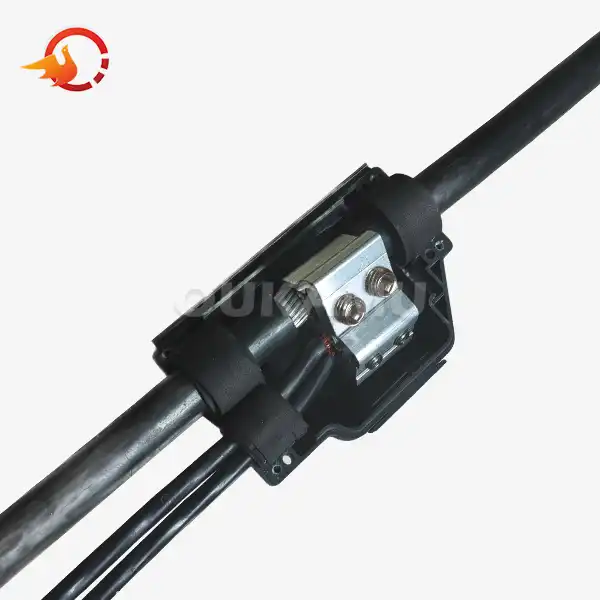
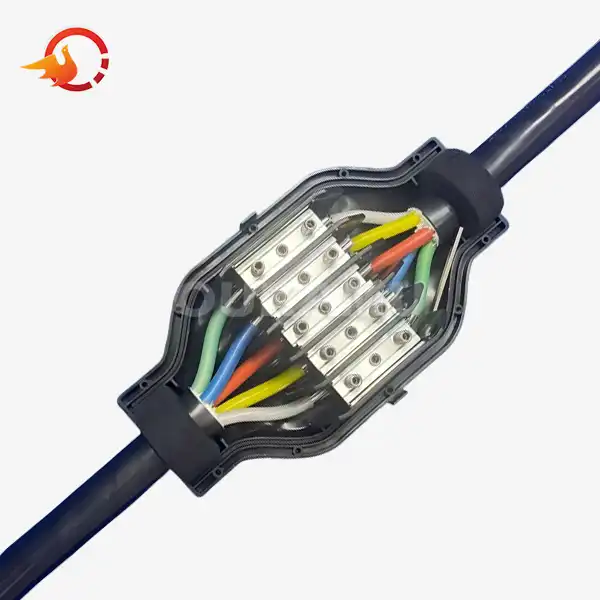
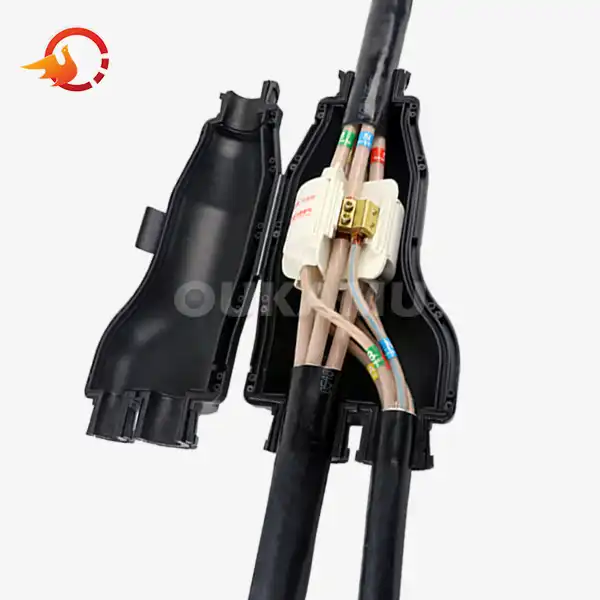
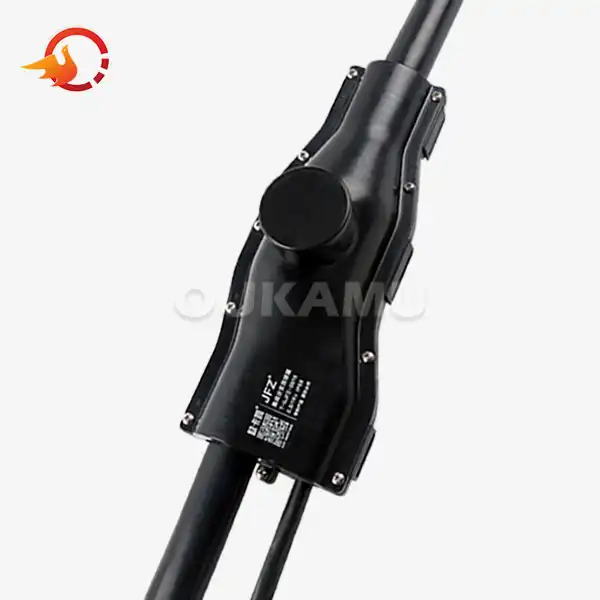
For connecting armoured wires outside, the market has three main types. Heat shrink joints use materials that are activated by heat to form protective seals around connections. These seals are very good at keeping out wetness and have small profiles that are good for tight areas. Resin-filled joints protect connections inside housings filled with insulating materials. This gives them better mechanical strength and long-term stability in tough settings. Mechanical branch connectors, like the innovative FH-JFZ-16/10 type from Xi'an Oukamu, use piercing technology to make electrical contact without cutting the main wire. This makes the solutions reusable and gives installers a lot of options for how to set them up.
Technical Specifications That Matter
The voltage number tells you how much electrical stress the joint can safely take. Products with ratings of 0.6/1kV are used in low-voltage distribution networks that are common in homes and businesses. Which wire sizes the joint can handle depend on the cable size compatibility. For example, the FH-JFZ-16/10 can handle main cables from 4 to 16 mm and branch cables from 1.5 to 10 mm, which is more than enough for most distribution cases. Insulation materials must be able to handle being outside, and flame-retardant and fire-resistant substances must be used to protect against heat events.
IP ratings show how well a seal keeps out water and dust, and IP68 ratings show that a seal can withstand being submerged in water for underground installations.Knowing these technical details helps buying teams match goods to the needs of specific applications. Standards like GB/T 14048.7-2016, IEC, and IEEE make sure that products meet widely known safety standards. This lowers the risk of liability and makes it easier for distributors to deploy goods in multiple regions where they serve different markets.
Core Criteria for Selecting the Right Armoured Cable Branch Joint
Environmental Conditions and Protection Requirements
Over time, UV radiation breaks down plastic parts, which can lead to cracks and leaks. Changes in temperature cause waves of expansion and contraction that put stress on links and could damage electrical contact. One of the most common types of failure is moisture entry, which leads to corrosion, less effective shielding, and the risk of short circuits.For underground installs, the joints need to be strong enough to keep water out and be resistant to the chemicals in the dirt.
For aerial uses, solutions need to be light, UV stable, and able to withstand wind loads. For direct burial situations, you need goods that have all of these qualities and can also survive ground movement and yearly freeze-thaw cycles. As shown by Oukamu's complete protection method created over 20 years of focusing in branch cable technology, products that are waterproof, flame retardant, and anti-aging all work together to deal with multiple environmental stressors at the same time.
Mechanical Strength and Installation Convenience
Armoured Cable Branch Joints have to be able to handle being hit while they are being installed and while they are in use. Mechanical pressures that weaker goods can't handle are caused by nearby equipment vibrating, maintenance workers hitting things by mistake, and the ground sinking. Reusable designs are very helpful because they let you move things around without having to buy a whole new setup. This saves money on inventory for distributors who work on a variety of project types.
Labor costs and project timelines are directly affected by how easy it is to install. Solutions that don't require cutting the main wire get rid of the need for precise measurements and cut installation time by a large amount. You can add branches at any point along the cable run, which gives you more planning options than premade branch cables. Cable length savings of two to three meters per connection point are good for projects, and cost savings add up quickly for setups that need more than one branch point.
Certification and Compliance Verification
Verified certifications let you know that a product meets strict standards for safety and efficiency. To avoid expensive rejects, distributors who work with contractors on regulated projects need to make sure that the goods they sell are certified to meet the rules. Quality control methods that make sure products are made consistently lower the number of failures that happen in the field. This protects your customers' trust and cuts down on warranty claims.
Reliable makers keep testing schedules that make sure every batch of products meets the requirements of the specifications. This dedication to quality is especially important for online stores and e-commerce sites whose customers count on getting the same product every time they buy something. Partnering with sellers who can show confirmed compliance records lowers procurement risks by a lot compared to buying from makers who haven't been checked out but offer slightly lower prices.
Comparing Armoured Cable Branch Joints: Making an Informed Decision
Armoured vs. Unarmoured Solutions for Outdoor Use
Protective layers, usually made of steel or metal wire, surround the internal conductors of armoured cables and keep them from getting damaged by mechanical forces. This safety is very important outside, where wires could be hit by objects, squished by animals, or moved by the ground. Others that aren't armoured work fine in covered conduit systems, but they don't offer the strong defense needed for direct burial or sites that are out in the open.
The comparison goes beyond just physical safety to include dependability over time. If you install armoured wires and Armoured Cable Branch Joints correctly, they will work for decades, but in harsh settings, unprotected connections usually need to be replaced within a few years. Because they last longer, armoured systems are the most cost-effective way to set up outdoor delivery networks, even though they require a bigger initial investment.
Resin vs. Heat Shrink vs. Mechanical Solutions
Resin joints are great for making solid, long-lasting links that can be used in places where the parts will never need to be moved. The encapsulation method makes very good shields against moisture and high mechanical strength, but it needs to be carefully prepared and given time to cure. Alternatives to heat shrink offer faster installation and better environmental protection, but they can't be used again after the shrinking process is done.
Mechanical branch connectors are a clear step forward in the technology used to connect things. Products like Oukamu's FH-JFZ line get rid of all the wait times that come with adding chemicals, applying heat, and sealing. The combined design blends flame-resistant insulation, sealed housing, and piercing contacts into units that can be put together in minutes instead of hours. With reusability, builders don't have to buy new units to change the places of branches during commissioning or move connections during repairs. This is something that cast resin and heat shrink technologies can't do.
Real-World Performance: Case Study Evidence
Because of the potential danger to life, healthcare centers need very reliable electricity. The installation at the Mengchao Hepatobiliary Hospital of Fujian Medical University went well and shows how well advanced branch joint technology works in tough situations. The installation made the facility's electrical links safer while cutting down on the time and money needed for installation compared to older methods. This validation in the real world shows that mechanical branch connectors meet strict performance standards in harsh environments. This gives procurement workers peace of mind when they choose similar goods for their own projects.
Procurement Guide: How to Source Armoured Cable Branch Joints Efficiently
Selecting Verified Suppliers with Proven Track Records
Choosing the right supplier has a big effect on how reliable a product is, how consistently it is delivered, and how good the after-sales help is. Manufacturers that have been around for a long time and have improved their production methods and gained technical knowledge that younger companies don't have yet. Xi'an Oukamu has been a specialist in branch cable connectors for twenty years. This shows the level of deep knowledge that sets industry leaders apart from generic sellers. This focused experience leads to better product design, thorough testing methods, and a full understanding of the problems that come up during installation in the field.
Objective proof of a supplier's skills can be found in certifications, customer references, and building checks. Distributors who work with verified makers protect their brand's image in the market and gain a competitive edge by getting access to new goods and technical support resources that generic sellers can't offer.
Understanding MOQ and Pricing Dynamics
Minimum order amounts are a way for manufacturers to make production more efficient while also giving distributors more inventory freedom. When suppliers set sensible MOQ requirements, retailers can sell a wide range of products without having to spend too much on capital, and makers can keep their production costs low. Transparent pricing systems that take into account the cost of materials, the difficulty of production, and the place of the product in the market help buying teams look at the total value instead of just the unit price.
Being able to buy in small or medium amounts is especially helpful for wholesalers who work with project-based companies whose needs change a lot from job to job. Flexible ordering plans lower the costs of keeping goods on hand while still making sure that products are available when needed. This improves the efficiency of working capital and the ability to respond to changes in customer demand patterns.
After-Sales Support and Technical Assistance
Professional sellers are different from transactional vendors because they offer quick and helpful expert support. Help with installation, fixing problems, and application engineering services add a lot of value to the product itself, which cuts down on customer calls and increases happiness. When flaws happen, warranty terms that back up the quality of the product give you a way to get your money back, though better manufacturing should make this less likely to happen.
For store buyers and managers of e-commerce sites, sellers who offer installation resources like guides, videos, or direct help make customer service better and cut down on technical questions that take up staff time. This support system is especially helpful when working with contractors, who like it when suppliers understand what's going on in the field and offer useful answers to installation problems.
Best Practices for Installation and Maintenance of Armoured Cable Branch Joints
Step-by-Step Installation Guidelines
Preparing the cables well is the first step in a proper operation. At the point where you want to connect the cables, clean the surface to get rid of any dirt, rust, or other contaminants that could damage the electrical contact or bond. The FH-JFZ-16/10 and other mechanical branch joints make this process easier because they don't require stripping the insulation off of the main wire. Instead, piercing contacts make the electrical connection without exposing the conductors to the environment.
Place the branch adapter along the main wire run where you want it to be. The ability to place at any point is a big plus compared to prefabricated branch lines that need to be spaced out in a certain way. Make sure the connecting box is properly aligned and completely closed by securing it according to the manufacturer's instructions. Connect the branch wire to the correct connector and make sure the mechanical and electrical connections are strong. Because high-quality branch joints are designed to be fully integrated, all of their safety features—including insulation, flame resistance, and waterproofing—activate immediately during assembly, so you don't need to add any extra sealing solutions or protective wraps.
Before turning on the circuit, testing is done to make sure the work went well. Insulation resistance tests show that there are no ways for current to leak between wires or to ground. Continuity checking makes sure that an electrical link is solid. These easy checks keep the joint safe and effective throughout its service life and stop fails in the field.
Common Installation Errors and Prevention Strategies
Many field breakdowns are caused by cables that aren't properly prepared. If you don't clean the surface, it stops closing properly and making electrical contact. When screws are too tight, they can damage insulation or wire strands, and when they are not tight enough, water can get in. By following the manufacturer's power specs, you can avoid both of these problems. When the housing isn't lined up right, environmental seals become weak, letting water in and wearing down the insulation over time.
Reusable designs are very helpful because they let you move things around if the first setting doesn't work out as planned. Often, projects run into problems that weren't planned for, like conduits that don't match the plans, interference with structure elements, or new equipment locations that mean that connection points need to be changed. When moving traditional branch systems, they have to be completely replaced, which wastes time and materials. These common situations can be handled by mechanical branch joints that are made to be reused without adding to the cost or material use.
Maintenance Protocols for Long-Term Reliability
Systematic testing plans find wear and tear before they cause problems. A visual inspection can show harm to the housing, deterioration of the seal, or signs of water getting in. Thermal imaging shows that hot spots are appearing, which means that links are becoming loose or there is too much resistance. Maintenance schedules rely on how bad the environment is and how important the application is. For most outdoor installations, an annual check is a good idea.
Regular care increases the useful life of an item and lowers the cost of unexpected repairs. Cleaning off dirt that has built up and checking the soundness of the housing only takes minutes but keeps problems from happening too soon. Retightening links when heat cycling causes them to become slightly less tight keeps the contact resistance at its best. Products that are easy to maintain cut down on downtime during inspections so that techs can quickly check conditions without having to take a lot of things apart.
Safety rules keep people safe while they are installing or maintaining things. Electrical shock risks can be avoided by turning off wires before work starts. Wearing the right PPE, like padded gloves and safety glasses, can protect you from problems that come up out of the blue. By following lockout-tagout processes, you can be sure that circuits will stay off during the work period. Following safety rules at work, like those set by OSHA, saves workers and shows project partners and insurers that you are following the rules.
Conclusion
It's important to think about technical specs, fitting ease, long-term costs, and the needs of the surroundings when picking the right armoured cable branch joint for outdoor use. Mechanical branch connections like Oukamu's FH-JFZ line are big steps forward in this technology. They have reusable designs that keep the environment safe, don't require cutting the main wire, and lower the total cost of installation. When procurement workers know the differences between resin, heat shrink, and mechanical options, they can choose goods that meet the needs of each project. Working with experienced makers that offer tested quality, flexible buying, and full support is the best way to make sure that installations go smoothly and that the products work reliably for a long time.
FAQ
What cable sizes do mechanical branch joints accommodate?
The FH-JFZ-16/10 model can handle main wires with diameters from 4mm to 16mm and branch cables with diameters from 1.5mm to 10mm, so it can be used for most low-voltage distribution tasks. The bigger types in the line can hold main wires up to 240 mm and branch cables up to 70 mm, so they can handle bigger circuits. Matching the joint's capacity to the cable's specs makes sure that the electrical and mechanical contacts work right.
Can branch joints be installed on energized circuits?
Safety rules say that putting branch joints on circuits that are already live is not allowed because of the serious risks of shock and arc flash. Before starting any installation process, the circuit must be completely turned off, checked by testing, and lockout-tagout must be used. Products with insulated tools and touch-safe designs lower the risks of installation, but proper lockdown methods should always be followed. When you try to do a live installation, you put people in unnecessary danger and break safety rules in the workplace everywhere.
How do mechanical branch joints compare in cost to traditional methods?
Most of the time, mechanical branch joints cost more per unit than glue or heat shrink options, but they cost less to install overall. Not having to cut the main wire saves two to three meters of cord per connection point. Installing things faster cuts down on the time it takes to do them. For example, mechanical parts can be put together in minutes, while plastic systems that need to be mixed and cured take hours.
Partner with Oukamu for Reliable Armoured Cable Branch Joint Solutions
Xi'an Oukamu Electric Co., Ltd. has spent twenty years improving branch cable connector technology by coming up with new ways to help builders and dealers with installation problems they face in the real world. We have been making Armoured Cable Branch Joint solutions for a long time, and our goods have both advanced technical features and installation benefits. Our FH-JFZ line doesn't require cutting the main cables, protects the environment completely, and offers styles that can be used again and again, which lowers the overall project costs.
Whether you're in charge of an e-commerce site, sell to electrical workers, or buy things for infrastructure projects, our team can help you with technical questions, offer flexible buying for small to medium-sized orders, and provide quick support throughout the entire lifecycle of your project. Get in touch with us at info@okmbranchcable.com to talk about your unique application needs and find out how Oukamu's tried-and-true solutions can help you improve your products and place yourself in the market.
References
1. International Electrotechnical Commission (2020). IEC Standards for Cable Joints and Terminations in Power Distribution Networks. Geneva: IEC Publications.
2. Institute of Electrical and Electronics Engineers (2019). IEEE Guide for Field Testing of Shielded Power Cable Systems Using Very Low Frequency (VLF) Voltage. New York: IEEE Press.
3. Thue, W.A. (2011). Electrical Power Cable Engineering. Third Edition. Boca Raton: CRC Press.
4. Standardization Administration of China (2016). GB/T 14048.7-2016: Low-voltage Switchgear and Controlgear - Part 7: Ancillary Equipment. Beijing: Standards Press of China.
5. Gregory, B. & Marshall, T. (2018). Cable Jointing Techniques for Modern Electrical Distribution Systems. London: Technical Engineering Publications.
6. National Electrical Contractors Association (2021). Best Practices for Outdoor Cable Installation and Branch Connection Systems. Bethesda: NECA Standards Department.