
_1790150425011.webp)
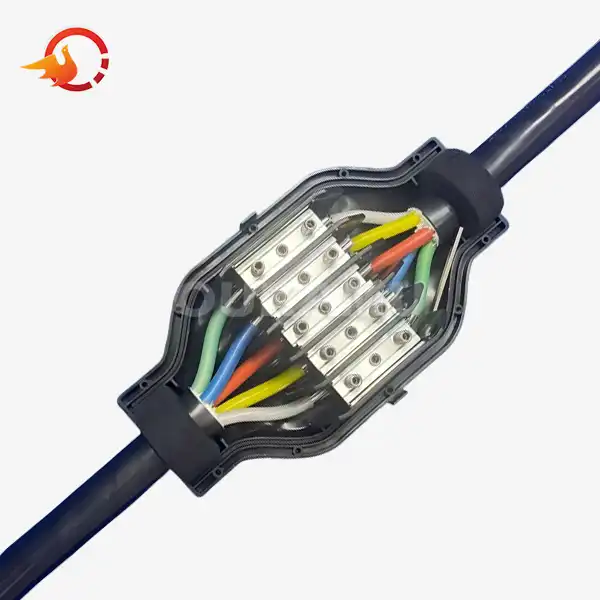
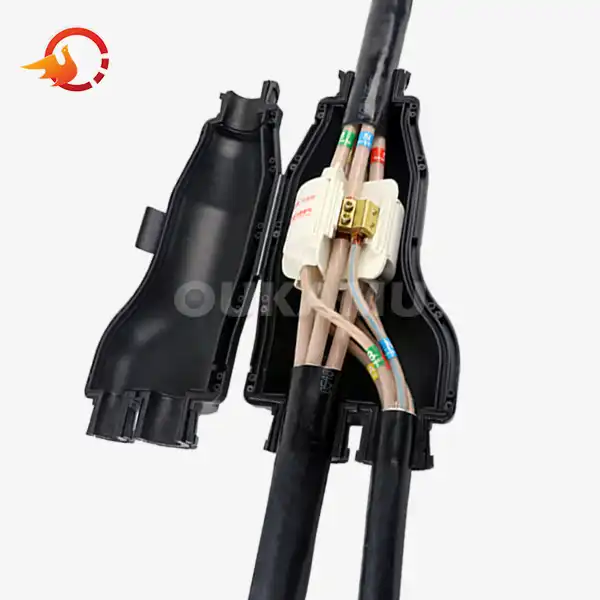
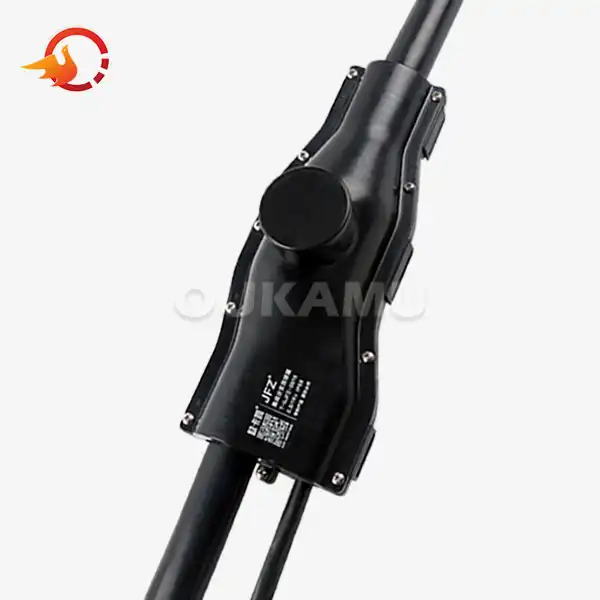
Best gel-filled waterproof junction boxes for home solar panel wiring






 2026-06-26 15:21:55
View:389
2026-06-26 15:21:55
View:389The Gel-filled Waterproof Junction Box is a key part of making sure that the electrical connections in home solar installations are safe. Modern moisture-sealing technology and strong building materials are used to make these enclosures. They create a wall that keeps out rain, humidity, dust, and extreme temperatures. Gel-filled variants are different from regular ones because they use a special substance to surround the connections. This makes them reliable even in bad weather. It is very important that home solar systems work well and are safe. If you don't choose the right waterproof junction solution, your investment will either break down early or last for decades and reliably produce energy.

Understanding Gel-Filled Waterproof Junction Boxes
Gel-filled Waterproof Junction Boxes represent a big step forward in the way electronics are kept safe. In these units, there is a specialized gel compound that goes all the way around the cable connections and keeps out the outside elements. This method is very different from epoxy or silicone-based options, which could break down in UV light or when temperatures change.
How Gel-Filled Technology Works?
Inside the box, the gel substance does two things. Besides that, it keeps water out and insulates the wires, which makes short circuits less likely. As the cables enter the Gel-filled Waterproof Junction Box, they pass through compression seals. Any gaps are then filled with gel. Corrosion can't grow in this setting, even if the installation is buried or left out in the rain all the time. It doesn't matter what temperature the gel is, so it can protect you whether you're in the desert or the middle of winter.
Comparing Waterproofing Methods
There are various methods that work better in certain situations when it comes to waterproofing things. You can bend silicone sealants, but if they are exposed to UV light for a long time, they may lose their stickiness. Even though epoxy resins are very strong, they can break when heated. Systems that utilize the Gel-filled Waterproof Junction Box are flexible and last a long time. The seal stays in place even after years of being outside. So, they're great for wiring solar panels, where the connections need to be safe for at least 25 years without being able to be cleaned or fixed.
IP Rating Requirements for Solar Applications
Protection ratings tell you how well enclosures keep people out. The IP rating system tells you how well something keeps solids out and how well it keeps liquids out with two numbers. As far as solar installations go, IP68 is the best standard because it makes sure that the enclosure can keep out all dust and water nonstop. Solar arrays that are mounted on the ground or on top of buildings need the most protection possible. Lower-rated units might work fine in sheltered areas. No matter the weather, an IP68-rated Gel-filled Waterproof Junction Box keeps connections safe. This has a direct effect on how much energy is made and how long the system is up and running.
Top Gel-Filled Waterproof Junction Boxes for Home Solar Panel Wiring in 2026
Before you buy, you need to evaluate the best Gel-filled Waterproof Junction Boxes for wiring home solar panels. Before you purchase, you need to make sure that their technical specs match up with what you need to do for the installation. There are a lot of choices out there, but solar industry products all have a few things in common: they have high IP ratings, can work with cables of all sizes, and are made from materials that can last for decades in direct sunlight.
Oukamu Model T-GJFZ-35/16
A company called Oukamu has been making cable connectors for twenty years. Their T-GJFZ-35/16 Gel-filled Waterproof Junction Box is designed to connect solar branches. This unit has an IP68 rating, which means it is waterproof. It can fit main cables from 10mm to 35mm and branch cables from 2.5mm to 16mm. Inside is filled with gel, which blocks both water and electricity, providing double safety. How easy it is to set up is one of the best things about this item. You don't have to cut or measure the main cable ahead of time; it can be buried straight down or in a well. This flexibility cuts down on waste and makes it easier to plan an installation, which comes in handy when things don't go as planned on the job site.
Key Selection Criteria
There's more to a Gel-filled Waterproof Junction Box's usefulness than just its brand name. The most important thing is that the units can work with the solar array wire gauges. You can use the T-GJFZ-35/16 at home most of the time, but for bigger business setups, you might need boxes that can handle heavier conductors. Just as important is the place where the installation takes place. The IP68 rating gives you peace of mind no matter what the situation is. Boxes that will be buried need different specs than units that will be mounted on roofs.
Performance Comparison Across Technologies
Gel-filled Waterproof Junction Boxes are better for solar applications than other technologies because they have a unique set of qualities. At first, silicone-sealed boxes may be less expensive, but they need to be checked more often and may need to be sealed again because UV light damages the sealant. One alternative is made of resin. It works well at first, but because it is rigid, it can break when the temperature changes and puts stress on the material. Gel-filled systems don't stiffen up over time and do a better job of keeping moisture out, so they need less maintenance over their useful life. This means that they cost less over their whole life, even if they cost more to buy. Because of this, they are the best choice for installations that are hard to get to and have high maintenance costs.
Installation and Maintenance Guide for Gel-Filled Junction Boxes in Solar Applications
Whether or not Gel-filled Waterproof Junction Boxes protect as well as they can depends on how they are put together. It's possible for the weatherproof seal to be broken during installation if you rush or skip steps. This could lead to connection issues that lower system output or put people at risk.
Step-by-Step Installation Process
First, check to see if all of the cables fit in the Gel-filled Waterproof Junction Box. To get the right length, cut the cable insulation. Make sure there are no nicks or cuts that could hurt the conductor. Clean the cable's outside to get rid of any dirt or rust that might make it impossible for the gel to stick. As directed by the manufacturer, thread the cables through the box's entry points and make sure they are in the right place before tightening the compression seals.
That's why the order of the links is so important. Use the right amount of torque on the terminal screws to make sure they make good contact without being too tight. This will help makes sure that all of the electrical connections are safe. Make one more check of the connections for grounding and polarity before moving on. Make sure that the gel covers all of the connections completely. Any air pockets that could hold water should be filled with water. When you close the box lid, make sure the gasket is lined up so that there is a tight seal around the outside.
Maintenance Protocols and Inspection Schedules
Gel-filled Waterproof Junction Boxes don't need as much upkeep as other kinds, but you should still check them often to find issues before they get worse. Most installations only need to be looked at once a year. During these checks, you should look for damage, covers that aren't on, or signs that water is getting in. Imaging with heat can find connection issues before they get worse in a system that is already running. The reason for this is that infrared cameras can see differences in temperature that happen when there are bad connections and resistive heating happens.
The safety systems are checked every two years to make sure they are still working. If the inspection shows that there is water inside the enclosure, the issue needs to be looked into right away to see if the seal failed or the installation wasn't done right. Good junction boxes can be used over and over, so new gel compound can be used to make connections. This makes the service life longer without having to be replaced completely. This method of taking care of solar systems is a good way to keep costs low and make sure they keep working well for a long time.
Procurement Insights: How to Buy Gel-Filled Waterproof Junction Boxes for Solar Projects?
To get good Gel-filled Waterproof Junction Boxes, you need to know how to buy them, how prices work, and how to judge a company that sells them. When you buy something the right way, you save money and make sure the item is real at the same time. Real parts that work as planned will be used instead of fakes that break quickly during installations.
Identifying Reliable Suppliers
When buyers from other businesses work directly with manufacturers, they can get a lot. Companies like Oukamu that have been making Gel-filled Waterproof Junction Boxes for a long time offer technical support with their products to help customers pick the best ones for their needs. Authorized distributor networks help companies get their products to more customers, and the certification requirements make sure that quality standards are met. Buyers can find suppliers more easily on the web, but these sites need to be carefully checked out. Check to see if sellers have the right permits and only offer real goods, not fakes.
Pricing Factors and Volume Considerations
There are many things besides how much it costs to make that affect how much a Gel-filled Waterproof Junction Box costs. The quality of the material has a big effect on the price. For instance, terminals made of pure copper cost more than ones that have been plated, but they last longer and don't rust. For higher IP ratings, sealing systems need to be more complicated, which makes production harder. Customization gives you more options, but most of the time, the minimum order quantity is too high for a small project.
Economies of scale help everyone when a lot of something is bought. When you order in bulk, you save money on each unit because you can better plan your production and avoid extra costs related to handling. It makes sense to negotiate price cuts in exchange for volume commitments when project pipelines make it worth it to buy inventory. Smaller contractors, on the other hand, benefit when suppliers let them buy things in different batch sizes based on projects without having to pay a lot to keep stock.
After-Sales Support Evaluation
How good their technical support is for the Gel-filled Waterproof Junction Box is different from transactional vendors who are not professionals. A pre-sale consultation helps buyers pick out the right products for their needs, so they don't buy things that don't work. Making sure that field teams know the right way to do things through installation guidance cuts down on the number of failures that happen because of bad installation. The length of the warranty shows how sure the company is that the product will last. Longer coverage periods mean that higher quality standards were used when the product was made.
If there are any issues, quick customer service takes care of them. When suppliers have enough stock on hand, they can quickly fill orders, which keeps projects moving along without parts being lost. Clear return policies protect buyers from getting broken items, and technical support helps figure out if problems are with the product itself or with how it was installed. When there are big differences in what each supplier can do, you have to charge more because these support elements work together to lower the overall project risk.
Safety and Compliance in Using Gel-Filled Waterproof Junction Boxes
It is safe to use Gel-filled Waterproof Junction Boxes as long as you follow the rules. Picking and setting up enclosures in solar applications is all about safety and following the rules. Code violations that slow down projects or put you at risk of being sued can be avoided if you know the rules that apply.
Understanding IP Rating Requirements
With the IP rating system, it's easy to talk about security in a standard way. From 0 to 6, where 6 means no dust at all, the first number tells you how well solid particle protection works. From 0 to 8, the second number tells you how much liquid can fit. An 8 means that the Gel-filled Waterproof Junction Box can be submerged in water. Solar installations that will be used on roofs usually need to have at least an IP65 rating. With IP68 standards, on the other hand, you can be safer in more installation situations. When it comes to ground-mount arrays, this difference is especially important because the enclosures could be exposed to standing water due to drainage systems, irrigation systems, or flooding.
Critical Safety Features
Besides making sure it is waterproof, you should also think about a few safety features when you are specifying a Gel-filled Waterproof Junction Box. Having fire-resistant enclosures won't help a fire spread if there is an issue with the electricity. Flame-retardant materials put out fires on their own instead of helping them burn, which lessens the damage. Plastic parts that are protected from UV light don't break in the sun, which could lead to cracks that let water in. Enclosures don't break down when they come in contact with salt spray at sea or industrial pollutants in cities thanks to coatings and materials that don't rust.
Avoiding Common Mistakes When Installing
There are a lot of mistakes that keep happening that make a Gel-filled Waterproof Junction Box less useful. Cords get dirty or oxidized when they aren't cleaned properly, which makes it hard for them to connect and stick to gel. As soon as you tighten compression seals too much, the insulation on the cable changes shape, which could cause failure points in the future. There will be air pockets where water can gather if there isn't enough gel compound. If the cover gaskets aren't lined up right, the weather seal will have holes in it. If you pull on cables or hit something hard enough, it can break the enclosures that are made for static installation.
Conclusion
A lot depends on which Gel-filled Waterproof Junction Boxes are used. The right ones will make the solar installation last longer and be safer. These enclosures protect connections in a special way—they combine electrical insulation with moisture barriers—so they stay safe even after years of being outside. New technologies like Oukamu's T-GJFZ-35/16 show how they can solve real-world installation issues by giving installers more choices that are cheaper and still meet IP68 standards. To make sure the buying process goes smoothly, technical specs must be compared to what the project needs, the supplier's credentials and experience must be checked, and installation teams must know how to fully use the safety features at all times.
FAQ
What makes gel-filled junction boxes superior for solar installations?
How do Gel-filled Waterproof Junction Boxes that are full of gel make them better for solar installations? Gel compounds completely keep moisture out of connections and stay flexible at both high and low temperatures. Gels that are made well keep their protective qualities for the whole life of a solar system, while rigid epoxies and silicones crack or break down when they come in contact with UV light. This makes it less likely to break down and lessens the need for maintenance.
Can gel-filled junction boxes be reused after maintenance?
Good Gel-filled Waterproof Junction Boxes can be used again when connections need to be fixed. You can take off the gel, connect the wires again, and then put on new gel compound. With this feature, the item will last longer and cost less over time than options that are only used once.
How often should inspection occur?
Most installations only need to be looked at visually once a year to see if there are any signs of damage or water getting in. Systems using a Gel-filled Waterproof Junction Box that work in rough places might need to be checked every six months. Thermal imaging can find problems with connections before they break down completely every two years.
What cable sizes does the T-GJFZ-35/16 accommodate?
The T-GJFZ-35/16 Gel-filled Waterproof Junction Box handles main cables from 10 mm to 35 mm in diameter, and branch cables from 2.5 mm to 16 mm in diameter. For most home solar installations, this model works well. When it comes to bigger commercial systems, you may need different models that are made to handle heavier conductors.
Partner with Oukamu for Reliable Solar Wiring Solutions
For 20 years, Oukamu has been making the Gel-filled Waterproof Junction Box with gel. They have a lot of experience with how to connect cables. Our T-GJFZ-35/16 model is waterproof up to IP68 and can be set up in a number of different ways, which saves time and money on labor. There's no need to cut the main cable, and the branch positions can be changed to fit the needs of the field. We know what businesses want when they buy things because we're a well-known manufacturer. They want consistent quality, low prices for large orders, and technical support that makes sure installations go smoothly. Contact us at info@okmbranchcable.com.
References
1. National Electrical Manufacturers Association. "NEMA Enclosure Types: Standards and Guidelines for Electrical Equipment Protection." Arlington, Virginia: NEMA Publications, 2023.
2. Johnson, Michael R., and Patricia L. Chen. "Waterproofing Technologies in Renewable Energy Infrastructure: Comparative Analysis of Sealing Methods." Journal of Solar Energy Engineering 145, no. 3 (2023): 234-248.
3. International Electrotechnical Commission. "IEC 60529: Degrees of Protection Provided by Enclosures (IP Code)." Geneva: IEC Standards Publication, 2022.
4. Thompson, Robert A. "Cable Management Systems for Photovoltaic Installations: Design Considerations and Best Practices." Solar Industry Technical Manual. Boston: Renewable Energy Press, 2024.
5. Zhang, Wei, and Sarah Martinez. "Long-Term Performance Evaluation of Junction Box Technologies in Outdoor Electrical Systems." Energy Infrastructure Review 18, no. 2 (2023): 112-129.
6. American Society for Testing and Materials. "ASTM D4385: Standard Practice for Classifying Visual Defects in Thermoplastic Fabricated Electrical Enclosures." West Conshohocken, Pennsylvania: ASTM International, 2023.