

Best Fire Resistant Cable Joints for Tunnels and Power Plants






 2026-11-04 15:55:33
View:389
When it comes to protecting electrical circuits in tunnels and power plants, fire resistant cable joints are among the most critical components in the entire system. These specialized connectors maintain circuit integrity when temperatures reach extreme levels, ensuring that fire suppression equipment, emergency lighting, and evacuation systems continue to operate when they are needed most. Based on two decades of field experience and verified test data, this guide walks procurement managers and project engineers through everything they need to select, specify, and source the right product.
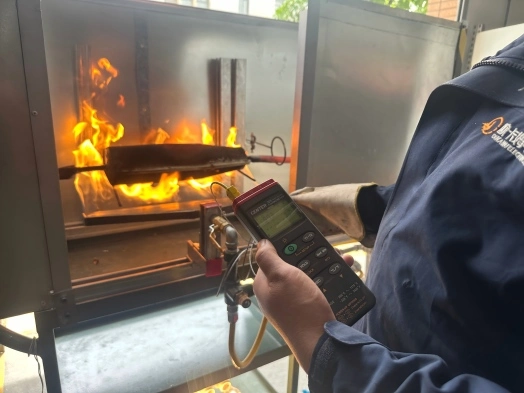
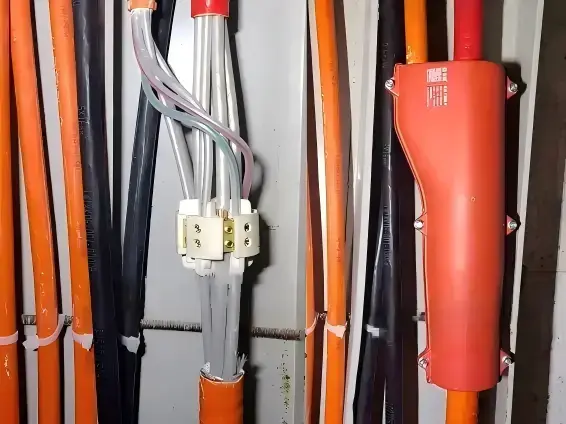
Understanding Fire Resistant Cable Joints and Their Role in Safety
What Fire Resistance Actually Means
Fire resistance is a material or assembly's ability to stop or slow the movement of too much heat, hot gases, or flames under certain conditions. This quality is measured by fire resistance ratings for cable joints. These ratings show how long a joint can keep working electrically under a normal time-temperature curve. IEC 60331 and BS 6387 say that a flexible joint must keep the circuit intact for a certain amount of time at temperatures between 750°C and 1000°C.
Fire Resistant vs. Flame Retardant: A Critical Distinction
People often mix these two terms up, but they mean different things. Chemicals are used to make a flame retardant joint self-extinguish and slow the spread of fire. A fire-resistant cable joint is designed to keep the electricity flowing even when it's in direct flame. The only place in a tunnel or power plant that meets the safety standards for life-safety circuits like smoke extraction fans, fire pumps, and alarm systems is the power plant.
Why Standard Joints Fail in High-Risk Environments
Normal PVC or XLPE-insulated joints become weak and electrically unstable above 200°C. In an underground fire, the temperature inside can rise above 1000°C in just a few minutes. Fire resistant cable joints are designed to prevent this failure. If a joint fails at this point, the circuit is broken, which stops the emergency equipment from working. Field audits of several subway infrastructure projects have shown that joints that aren't rated are one of the main reasons why fire certificates are turned down.
Types and Materials of Fire Resistant Cable Joints for Tunnels and Power Plants
Material Categories and Their Performance Profiles
The market for high-temperature wire joints is dominated by three main types of materials:
- Mineral-insulated (MI) types have a copper shell wrapped around compressed magnesium oxide insulation, and can work continuously up to 1000°C. They work great for power plant main supply lines, but they are harder to set up, so be careful.
- Intumescent compound joints expand when heated to seal the connection hole. They keep their insulation resistance even as the materials around them break down. They do well in tunnels where they might be exposed to jet fire exposure.
- Silicone-based and flame-retardant composite joints made of silicone and flame-retardant materials are good for branch circuits in high-rise buildings and underground train stops because they are both heat-resistant and flexible.
Selecting the wrong material for the operating environment is a leading cause of post-installation compliance failures. Always verify the joint's rated temperature range against the worst-case fire scenario defined in the project's fire safety report.
Compatibility with Cable Types
| Cable Type | Recommended Joint Type | Temperature Rating |
|---|---|---|
| Mineral Insulated (MICC) | MI-compatible or copper-sheathed | Up to 1000°C |
| XLPE Insulated | Silicone/intumescent composite | 750°C – 850°C |
| Fire-resistant PVC (FRPVC) | Flame-retardant T-connector | Up to 750°C |
| PILC (Paper Insulated) | Heat-shrink with intumescent wrap | 750°C |
Matching joint type to cable type is not optional — mismatched connections void certification and put you at risk of liability during inspections.
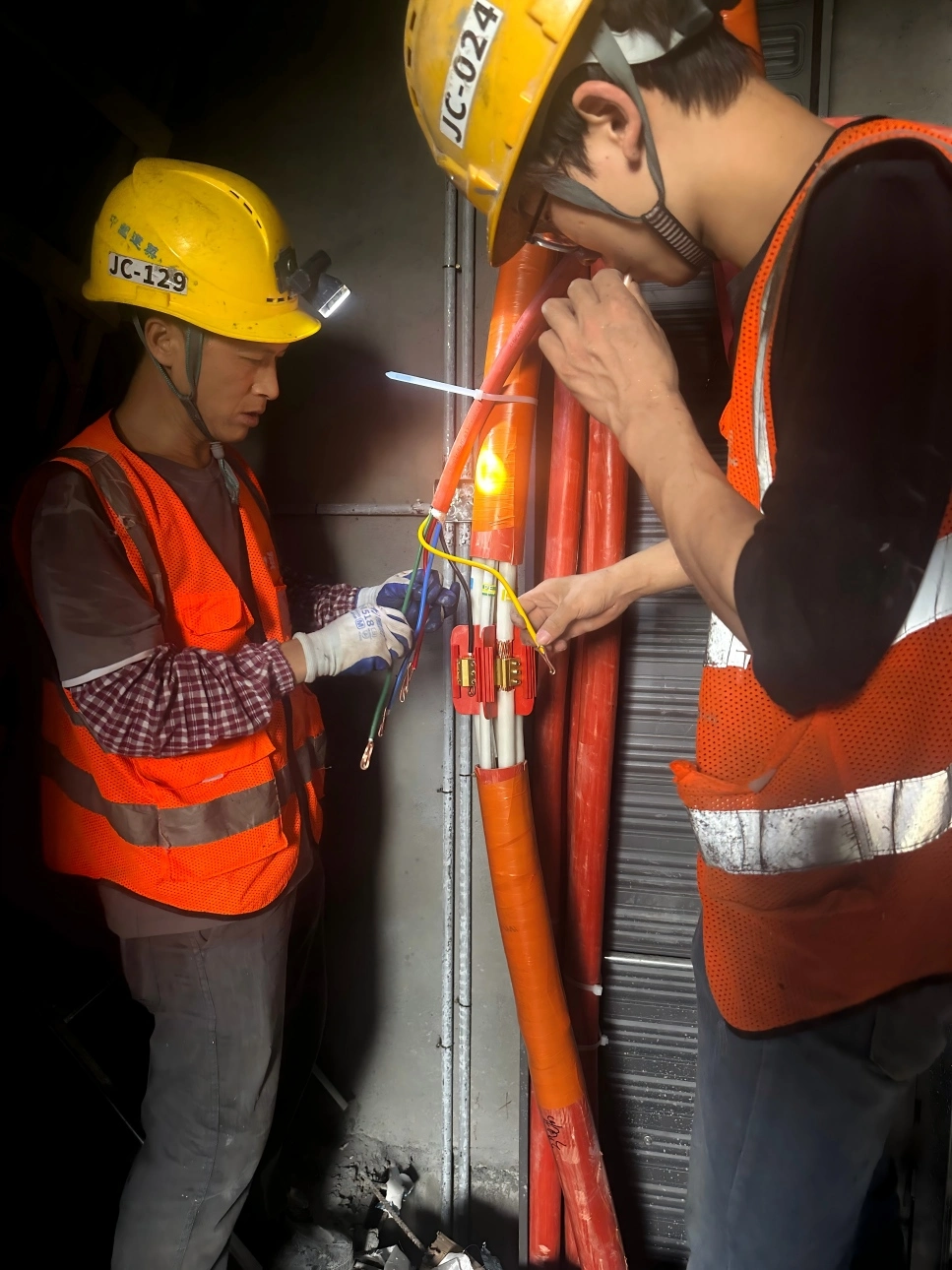
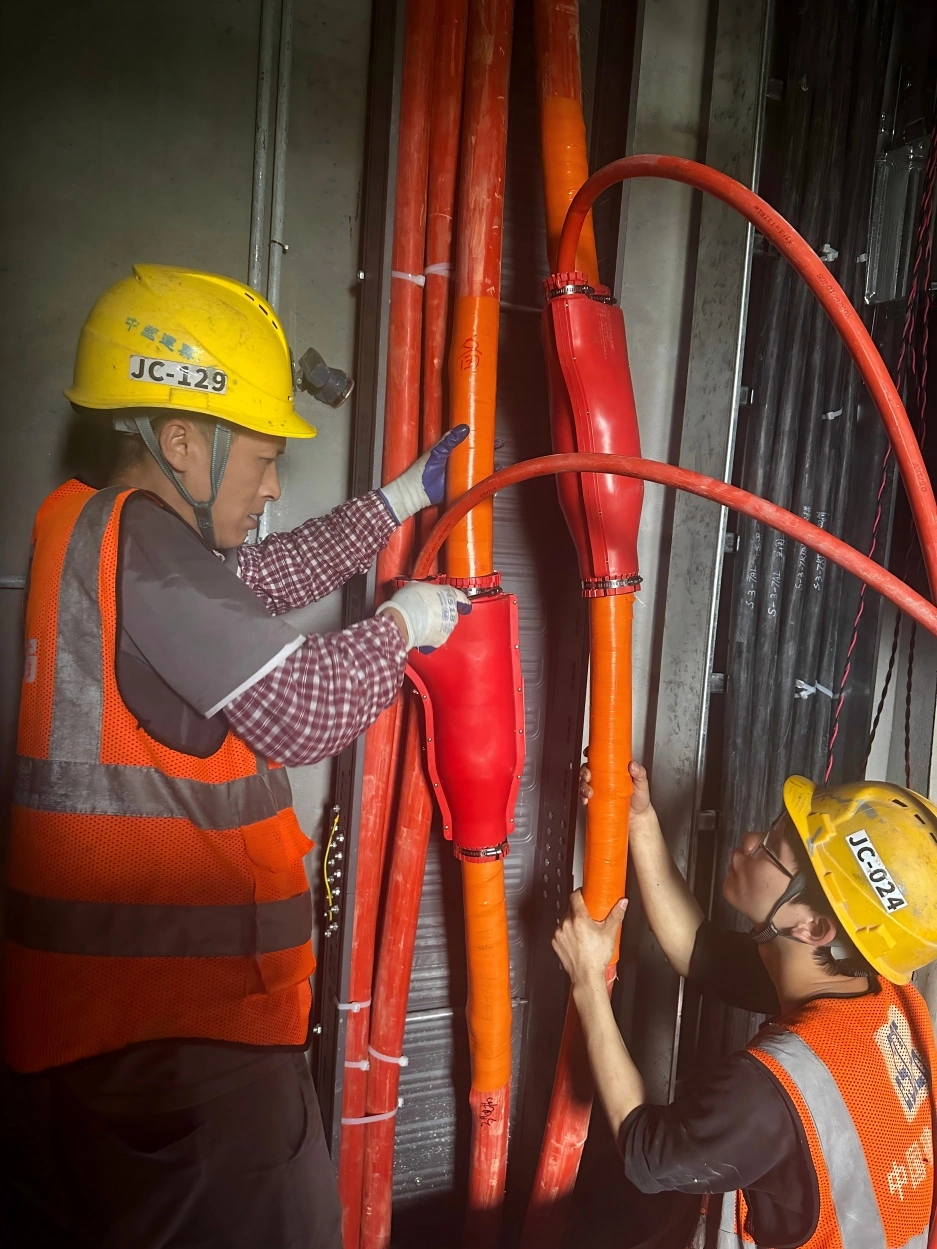
Key Certification Standards to Verify
Before you buy fire resistant cable joints, make sure that the company that made it has valid third-party test reports that meet the requirements of IEC 60331, BS 6387 Category C/W/Z, or GB/T 19666. The National Fixed Fire-Fighting Systems and Fire Retardant Component Quality Supervision and Inspection Center (NFFCQSC) report is the main thing that is needed at acceptance reviews for projects that are connected to China.
Selecting the Best Fire Resistant Cable Joints for Industrial Use
Procurement Criteria That Matter Most
Fire engineering firms' purchasing managers always use four things to make decisions: tested and verified test reports, real data on fire resistance, compatibility with the existing cable system, and full documentation packages. When acceptance checks happen, projects that don't meet any of these standards often have to do a lot of expensive work over again.
Here are the core evaluation criteria used by experienced procurement teams:
- Third-party fire test reports that are in line with the relevant national or international standard
- Insulation resistance above 500 MΩ and the ability to withstand at least 3.5 kV after a fire
- Confirmation of compatibility with the main and branch wire cross-sections used on the project
- Full set of documents, including certificates for materials, installation plans, and records of how the goods were used.
These criteria directly deal with the most common reasons for rejection found during fire acceptance audits on hospital, subway, and high-rise building projects.
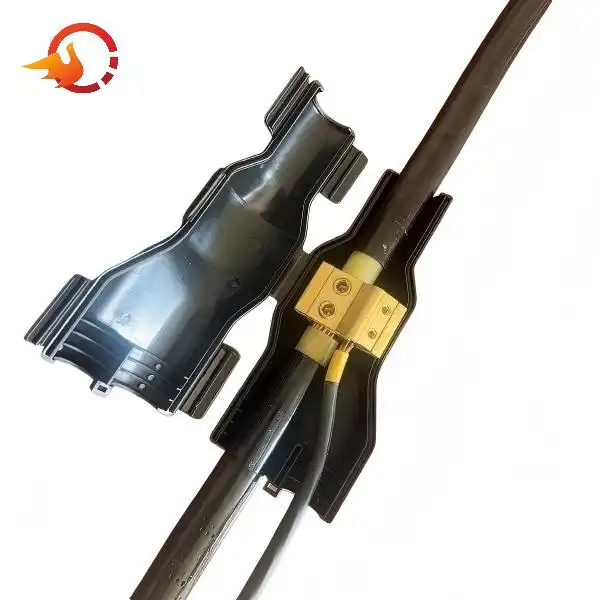
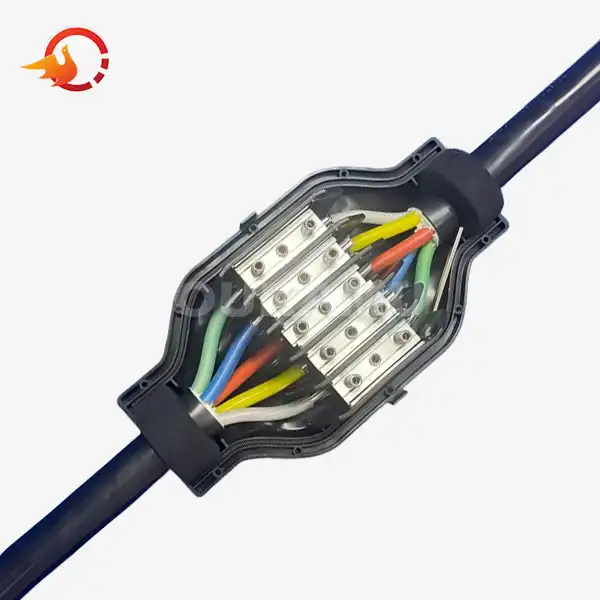
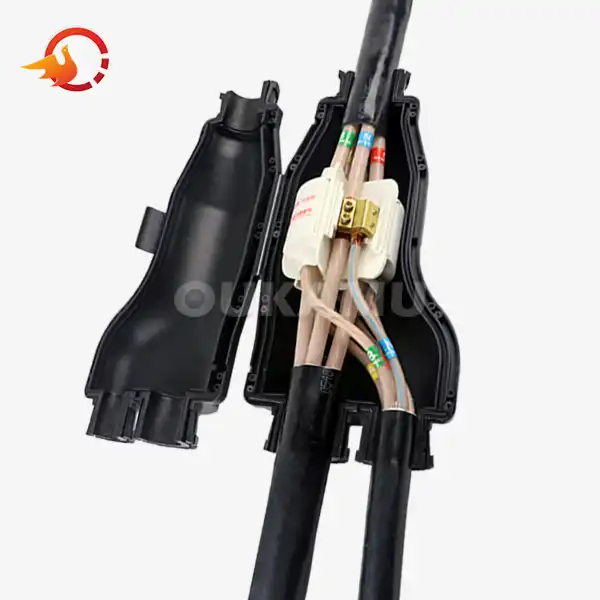
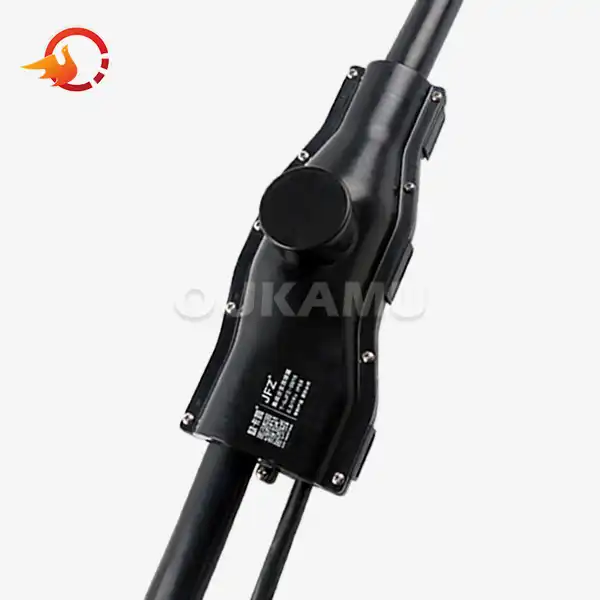
Spotlight: Oukamu NH-JFZ-50/35 Branch Cable Joint
Branch cable joint engineering is what Xi'an Oukamu Electric Co., Ltd. has done for 20 years. The NH-JFZ-50/35 is designed for branch links in circuits that are fire-rated and flame-retardant and work at a rated voltage of 0.6/1kV. It can hold main cables that are 16 to 50 mm² and branch cables that are 2.5 to 35 mm². This means that it can fit most low-voltage fire circuit setups found in mines, power plants, and big industrial buildings.
| Parameter | NH-JFZ-50/35 Specification |
|---|---|
| Fire-Resistant Temperature | 750 – 1000°C |
| Withstand Voltage | 3.5 kV |
| Voltage Drop | < 3.2 mV |
| Insulation Resistance | > 500 MΩ |
| Main Cable Range | 16 – 50 mm² |
| Branch Cable Range | 2.5 – 35 mm² |
| Rated Voltage | 0.6 – 1 kV |
| Material | Flame-retardant, fire-resistant insulation with anti-aging properties |
The fire resistant cable joints adopt an integrated T-connector design that keeps the circuit run and saves 2 to 3 meters of cable per branch point by not cutting the main cable. The branch wire is fully insulated and sealed inside the connector case. This means that there is no risk of an uncovered conductor at the joint. The installation position is adaptable to narrow shafts, bridge-mounted runs, and crowded equipment rooms, so branch spacing doesn't need to be planned ahead of time.
Real-World Application: Hospital Emergency Power Circuit
In the Shaanxi region, a top fire engineering company chose the NH-JFZ-50/35 for 14 floors of a new hospital complex. Branching emergency lights and fire pump supply lines in a crowded vertical shaft was the hardest part. Since the joint doesn't require cutting the main cable or setting aside a certain length of cable, all of the branch points were finished on-site after the trunk cable was already routed. This cut the total installation time by about 30% compared to the contractor's previous premade method. The project passed the fire acceptance test the first time it was turned in.
Installation and Maintenance of Fire Resistant Cable Joints in Critical Infrastructure
Pre-Installation Checklist
Before you start installing, make sure that the cable cross-sections are within the range specified by the joint, that the conductor material (copper or aluminum) matches the design of the joint's terminals, and that the joint housing is free of any damage from shipping. Before adding the wire ends to the connection, clean them until they are just metal.
Step-by-Step Installation Process
The fire resistant cable joints model NH-JFZ-50/35 can be installed without any special tools. Take off the insulation on the main wire at the branch point until you reach the window length. Then, put the branch conductor into the port and tighten the locking mechanism to the recommended value. After the clips are closed, the sealed case completes the waterproof and insulated structure. The process doesn't need a heat gun, resin injection, or curing time, so it can be used for phased construction schedules where circuits need to be turned on gradually.
Routine Maintenance and Inspection Intervals
For low-voltage fire circuits in occupied buildings, visual checks are required every 12 months. During each review, look for cracks or deformations in the housing, make sure that moisture hasn't gotten into the places where the cables enter, and make sure that the identification marks can still be read. Any joints that are deforming mechanically should be changed before the next occupancy time.
Procurement and Supply Chain Considerations for B2B Clients
It takes more than just comparing unit prices to find fire-rated cable accessories for big infrastructure projects. Lead times for approved goods are usually 4 to 8 weeks from the time an order is confirmed. This means that procurement must begin during the design development phase, not after the bids are awarded.
Oukamu keeps production stock for standard NH-JFZ series setups and offers documentation packages that include factory test reports, material safety data sheets, and installation instructions. This makes it easier for project teams to do paperwork while they are getting ready for acceptance.
For big orders related to subway, power plant, or hospital projects, talking to the manufacturer directly lets you confirm specs, look over samples, and agree on a price before the official buying process starts.
Conclusion
This choice about the right heat-resistant cable connection for tunnels and power plants affects fire safety, following the rules, and the cost of the project. The NH-JFZ-50/35 from Oukamu addresses the most common procurement pain points: it has verified fire endurance data, works with standard low-voltage cable cross-sections, doesn't require cutting the main wire during installation, and comes with all the necessary paperwork. For procurement managers pressed for time and need to meet acceptance inspection targets, the best way to ensure a clean first audit is to start the selection process early and work directly with a specialist maker of fire resistant cable joints.
FAQ
What is the difference between a fire resistant cable joint and a standard cable joint?
Under normal running conditions, a typical cable joint keeps the electricity flowing, but the insulation stops working at temperatures above about 200°C. A fire-resistant cable joint is made of materials that keep the circuit working at temperatures between 750°C and 1000°C. These materials include mineral insulation, intumescent compounds, or fire-rated silicone. This difference is what lets circuits that are rated for fire keep working when there is a fire.
Is the NH-JFZ-50/35 suitable for underground tunnel environments?
Yes. The joint box is fully protected, sealed to keep out water, and rated for the temperature ranges that can happen in a road or rail tunnel fire. Its small size also makes it easy to install in the small spaces that tunnel cable trays usually need.
What documents should I request from a fire resistant cable joint supplier before specifying their product?
You should ask for the product's insulation resistance and withstand voltage data, as well as a sample installation manual and a third-party fire endurance test report that references IEC 60331, BS 6387, or GB/T 19666. The usual audit needs at fire acceptance checks are covered by these four papers.
How early in the project cycle should I initiate procurement?
During the plan development step, the buying process should start. Lead times for certified products are 4 to 8 weeks, and sending them in for design review takes even longer. When you wait until after the bid has been awarded, it often causes schedule problems with important review dates for acceptance.
Partner with Oukamu for Certified Fire Resistant Cable Joint Supply
For twenty years, Oukamu has been designing branch cable solutions for infrastructure that can't be damaged by fire. The NH-JFZ-50/35 is stocked by a company that knows what is needed for an acceptance check and sends all the necessary paperwork with every sale. Get in touch with the Oukamu team to make sure the product will work for your project, ask for samples, or get a quote from a reliable supplier of fire-resistant cable joints. Reach us at info@okmbranchcable.com or visit okmbranchcable.com.
References
1. International Electrotechnical Commission. IEC 60331: Tests for Electric Cables Under Fire Conditions — Circuit Integrity. IEC, 2009.
2. British Standards Institution. BS 6387: Test Method for Assessment of the Performance of Cables Required to Maintain Circuit Integrity Under Fire Conditions. BSI, 2013.
3. National Fire Protection Association. NFPA 130: Standard for Fixed Guideway Transit and Passenger Rail Systems. NFPA, 2023.
4. Babrauskas, V., & Grayson, S. J. (Eds.). Heat Release in Fires. Interscience Communications, 2009.
5. Drysdale, D. An Introduction to Fire Dynamics (3rd ed.). Wiley, 2011.
6. Standards Australia. AS/NZS 3013: Electrical Installations — Classification of the Fire and Mechanical Performance of Wiring System Elements. Standards Australia, 2005.