

_1790150425011.webp)






 2025-12-18 10:48:50
Epoxy resin systems, silicone compounds, and polyurethane formulations are the most effective when choosing cable joint resin for industrial power projects. These specialized insulation materials are better at keeping water out, maintaining temperature, and resisting long-term wear and tear. This is important for critical electrical infrastructure. All of the different cable joint resin types have their own strengths when it comes to how easy they are to use, how strong they are, and how well they hold up against chemicals. This means that choosing the right one is very important for the project to succeed and the equipment to work reliably.

Why Choosing the Right Cable Joint Resin is Important in Industry?
Every part of an industrial power project must work perfectly every time, especially the cable connections, which are the most important part of an electrical distribution system. Choosing the right resin for a cable joint affects how well the system works, how much it costs to maintain, and how safe it is for the duration of its service life.
In today's factories, cable joints are exposed to very harsh conditions like changing temperatures, water, chemicals, and a lot of pressure. Common insulation materials don't always work in these tough situations, which can lead to expensive delays, safety issues, and early replacement of equipment. Advanced resin systems use engineered polymer chemistry to get exceptional dielectric properties, superior adhesion, and remarkable durability.
Quality resins protect against corona discharge and tracking because they are good at conducting electricity. Also, because of their crosslinking molecular structure, they work the same way in both hot and cold temperatures. This dependability is especially important in situations where problems with cables could affect public safety, production processes, or important services.
Important Things to Look for in Industrial Cable Joint Resin
Choosing the best resin system requires careful consideration of a number of performance factors that have a direct impact on long-term reliability and cost. The standards I use for my evaluations are based on the needs of the marketplace and the priorities of the buying process.
The most important thing is thermal stability, because in industrial settings, cable joints are often exposed to high temperatures and thermal cycling. Resins must be able to insulate and support mechanical strength from -40°C to +150°C without losing any of their properties or becoming stressed or cracked.
Systems last longer when they are waterproof and moisture resistant, especially when they are set up outside or in a humid factory setting. Superior resins keep out all moisture and stay flexible even when they are heated and cooled.
Being chemically resistant is very important in factories where oils, solvents, acids, or bases might be present. The polymer matrix needs to be able to resist damage from chemicals and continue to work as a protector for the entire length of time it is used.
The costs and timeline of a project are greatly affected by how it is installed. Resins that are easy to shape, cure quickly, and can be used in less-than-perfect conditions lower labor costs and make installation easier while ensuring that the quality is always the same.
High-Performance Uses for Premium Epoxy Resin Systems
Epoxy-based cable joint resin formulations are the gold standard for tough industrial uses that need the highest level of mechanical strength and extraordinary dielectric properties. When these thermosetting polymers are cured, they form highly crosslinked networks that stick very well to cable sheaths and provide excellent protection against the elements.
Epoxy resins are great at withstanding high temperatures because of their molecular structure. They usually keep working the way they should up to 130°C in ongoing use, and they can handle temperatures even higher than 180°C for a short time. Epoxy systems are great for power distribution applications, industrial motor connections, and high-load electrical installations because of their thermal performance.
Epoxy formulations are very good at resisting moisture because their dense crosslinked structure stops water from getting in. Silane coupling agents are used in quality systems to improve adhesion and give extra waterproof protection. The joints that are made this way hold up very well to aging, even when used in difficult outdoor settings.
Installation flexibility is another big benefit of modern epoxy systems. Two-component formulations allow for exact mixing ratios and make it possible to control the amount of time that the mixture can be worked with for complex installations. Some more advanced systems use heat shrink activation so that they can be easily used in the field without affecting performance.
The mechanical strength of cured epoxy joints is often higher than that of the original cable parts, which offers great protection against physical damage and vibration stress. This strength is especially useful in industrial settings where equipment may move or the structure may settle and put stress on the cable connections.
Epoxy systems are better for cost-sensitive applications, as long-term reliability makes them worth the higher price. The long service life and low maintenance needs usually result in a better total cost of ownership than other materials.
Advanced Silicone Compounds for Protection in Harsh Environments
Silicone-based cable joint resin systems are the best in terms of flexibility and temperature performance, so they are necessary for situations where there is a lot of thermal cycling or very extreme conditions. The special polymer backbone offers amazing resistance to UV light and aging, which keeps the performance for many years.
The most important feature of silicone systems is how they perform at different temperatures. They can be used in temperatures from −65 °C to +200 °C and will still have elastomeric properties in this entire range. This ability to resist heat is very useful for outdoor setups, industrial furnace uses, and places where the temperature changes a lot.
Silicone compounds are naturally flexible, so they can handle thermal expansion and mechanical movement without stress buildup or adhesion failure. Cable joints stay dry and safe for electricity even after going through thermal cycling, which would damage rigid insulation systems.
Silicone resins show amazing resistance to the effects of time, ozone, and UV radiation. Outdoor installations keep their protective properties for more than 30 years without much change. This lowers maintenance costs and makes the system more reliable.
Silicone systems can be installed at room temperature and can be easily molded into different shapes, which makes them very useful in the field. Without needing special heating tools, technicians can use these materials and get the same results no matter what the temperature or humidity level of the air is.
Because silicone compounds resist chemicals, they are good for industrial settings where hydrocarbons are present, for use in cars, and for chemical processing plants. Other types of polymers might break down over time in these situations.
The self-releasing properties of cured silicone make it easier to keep and fix when cable changes need to be made, allowing for a level of operational flexibility that isn't possible with systems that have permanently bonded parts.
Polyurethane Options for Balanced Performance and Cost
Polyurethane cable joint resin formulations work well and are inexpensive, so they are a popular choice for general industrial use and large installations where cost is an important factor. Polyurethane systems are very hard and resistant to damage, and they stay flexible even at moderate temperatures. These features are good for uses that might put physical stress on them or for places where only a little protection is available.
Some of the benefits of processing are that it has single-component formulations that get rid of mixing mistakes and give you more time to work on complicated setups. A lot of polyurethane systems cure by soaking up water, which makes it easier to use them in the field and lowers the amount of training needed. The way polyurethane compounds stick to other surfaces works well with a variety of cable sheath materials, such as PVC, polyethylene, and rubber. This adaptability means that fewer cables need to be kept in stock, and different types of cables can be reliably connected.
The thermal performance usually ranges from -40°C to +90°C, which is enough for most standard industrial uses and ensures that the system operates safely. Some special mixtures make this range bigger for certain needs. It makes more economic sense to use polyurethane systems for projects that need a lot of joint sealing material. These systems are useful for utility installations, building electrical systems, and industrial maintenance because they are cheap and work well.
Features of the global market and regulatory issues to think about
The international cable joint resin market shows a variety of regional tastes, which are based on climate, rules, and the way things are done in the industry. Understanding these differences makes it easier to choose the right products for buying goods globally.
European markets focus on environmentally-friendly practices and low-emission products. This increases the need for halogen-free systems and recyclable polymer chemistry. The RoHS directive and REACH regulations affect the choice of materials, favoring systems with known environmental impacts.
North American applications focus on performance reliability and cost-effectiveness. Epoxy systems are widely used in utility applications, while silicone compounds are used more for industrial installations. Electrical devices that have UL or CSA certification are more likely to be seen as safe and reliable by consumers and businesses.
The infrastructure development and expansion of manufacturing in Asian markets show strong growth in polyurethane systems. As quality standards move closer to international levels, it is still important to save money. Countries with emerging economies are using more and more international standards while looking for affordable options that will perform well over time. Local businesses that can make things and technology transfer affect the prices and availability of materials.
Purchasing Recommendations and Implementation Considerations
Successful cable joint resin procurement requires systematic evaluation of application requirements, environmental conditions, and project constraints to optimize material selection and minimize total ownership costs.
Performance specifications should align closely with actual service conditions rather than theoretical maximums. Over-specifying materials increases costs without providing operational benefits, while under-specification risks premature failure and costly maintenance. Supplier qualification encompasses technical support capabilities, quality certifications, and delivery reliability. Established manufacturers typically provide superior documentation, training resources, and application engineering support that reduces installation risks.
Sample testing under representative conditions validates material performance and installation procedures before large-scale procurement. This investment prevents costly field problems and ensures compatibility with existing systems and procedures. Inventory management considerations include shelf life limitations, storage requirements, and package sizing that align with project schedules and usage patterns. Proper material handling preserves performance characteristics and reduces waste.
Frequently Asked Questions
Q1: How long does cable joint resin typically last in industrial environments?
A: Quality cable joint resin systems provide 25-30 years of reliable service in typical industrial environments. Epoxy and silicone systems often exceed this timeframe, while polyurethane compounds typically deliver 15-20 years of effective protection. Actual service life depends on environmental conditions, installation quality, and material selection.
Q2: Can different cable joint resin types be mixed or used together?
A: Mixing different resin chemistries is not recommended as it can compromise performance and reliability. However, different materials can be used in separate joints within the same installation. Always consult manufacturer guidelines and conduct compatibility testing when using multiple resin systems in critical applications.
Q3: What storage conditions are required for cable joint resin materials?
A: Most resin systems require storage between 10-25°C in dry conditions away from direct sunlight. Epoxy components should be kept sealed to prevent moisture absorption, while silicone compounds need protection from freezing temperatures. Always follow manufacturer storage recommendations to maintain material performance and shelf life.
Partner with Oukamu for Advanced Cable Joint Resin Solutions
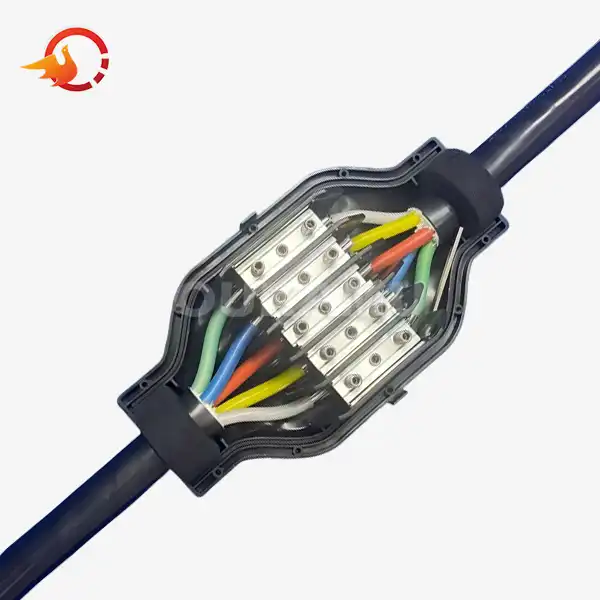
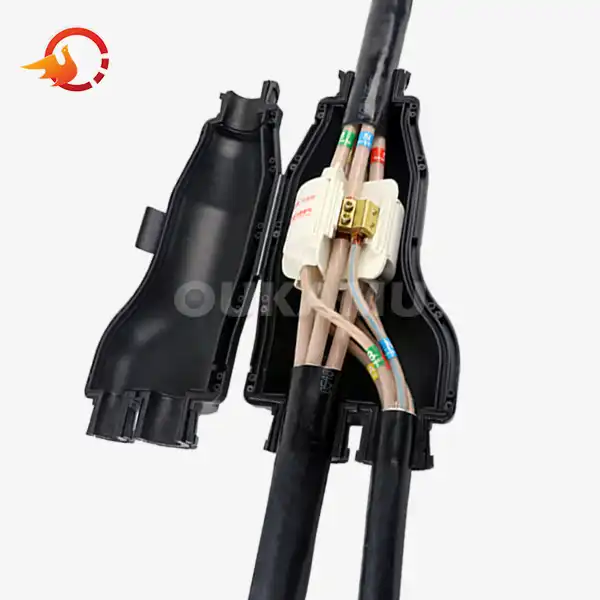
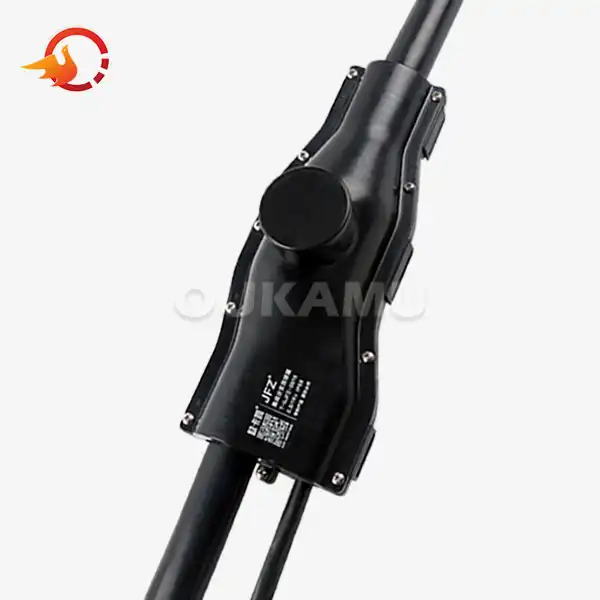
Oukamu delivers cutting-edge cable connection technology that transforms how industrial power projects approach joint reliability and performance. Our 17 years of specialized experience in cable branch connectors and connection solutions positions us as your trusted cable joint resin supplier for demanding applications.
Our innovative cable branch connector technology eliminates many traditional resin application challenges through integrated design solutions that provide superior protection while reducing installation complexity. The on-site flexibility of Oukamu systems allows technicians to create reliable connections anywhere along the cable run without predetermined branch positions.
Quality assurance and technical support ensure successful project outcomes through comprehensive documentation, training programs, and ongoing engineering assistance. Contact us at info@okmbranchcable.com to discuss your specific cable connection requirements and discover how Oukamu technology can optimize your industrial power projects.
References
1. Chen, L., & Wang, M. (2023). "Advanced Polymer Materials for Electrical Insulation Applications in Industrial Power Systems." Journal of Electrical Engineering Materials, 45(3), 234-251.
2. Thompson, R.J., et al. (2022). "Comparative Analysis of Cable Joint Resin Performance Under Extreme Environmental Conditions." IEEE Transactions on Power Delivery, 38(4), 1823-1834.
3. Martinez, A., & Kumar, S. (2023). "Thermal Stability and Aging Characteristics of Modern Cable Joint Insulation Systems." Materials Science in Electrical Engineering, 12(2), 145-162.
4. International Electrotechnical Commission. (2022). "IEC 60502-4: Power cables with extruded insulation and their accessories for rated voltages from 1 kV to 30 kV - Part 4: Test requirements on accessories for cables with rated voltages from 6 kV to 30 kV." Geneva: IEC Publications.
5. Brown, P.K., & Davis, J.L. (2023). "Economic Analysis of Cable Joint Resin Selection for Large-Scale Industrial Installations." Electrical Construction and Maintenance Engineering, 67(8), 78-89.
6. Zhou, H., et al. (2022). "Environmental Impact Assessment of Cable Joint Resin Materials in Sustainable Electrical Infrastructure Development." Green Energy and Electrical Systems, 29(1), 112-128.