
Why Use Cable Resin Filled Type Joints for XLP in Harsh Conditions






 2026-11-26 11:03:29
View:389
Cable resin filled type joints for XLP are insulated and sealed, so cable resin-filled XLP cable couplings can withstand extreme environments. This design reduces water, dirt, and chemical contact at the junction, where subterranean cable systems fail most frequently. A sealed, filled junction protects insulation and stabilises connections in wet trenches, manholes, and direct-buried soil under earth pressure and vibration. I prepared this guide for utility buyers, engineers, and contractors who require selection criteria, test questions, and installation details before authorising a low-voltage XLPE cable network junction.

Why Harsh Conditions Require More Than a Standard Cable Joint
What Underground Environments Do to a Joint
Common cable standards rate XLPE insulation for 90°C continuous conductor temperature, therefore the cable handles buried service well. The joint differs. Adding a seam where the factory-made cable sealing ends attracts moisture first. Groundwater, soil movement, traffic vibration, road salt, and temperature changes affect buried joints. Water is most destructive. A wet connection may leak current, degrade the conductor, and cause a ground fault. Instead of tape or a loose cover, cable resin-filled XLP cable junctions use insulating material.
The Real Cost of a Joint Failure
Failure of a joint seldom costs merely the part. A team must find the problem, set up a work zone, dig, repair the joint, and restore service. Outages generate reports, and the defective joint must be traced to its batch, supplier, and installation. Every audit puts traceability pressure on utilities and municipalities. A joint that costs more but eliminates one emergency excavation might reduce ownership expense. For buried service, many consumers choose sealed, filled designs.
What Buyers Should Check Before Choosing
I recommend examining five things before comparing costs. Request type-test reports that fit the model. Ask how the supplier evaluated IP rating depth and duration. Request ISO 9001, ISO 14001, and ISO 45001 quality management certifications. Obtain batch traceability records. Confirm the provider can meet your yearly volume delivery schedule. Splicing or tapping direct-buried wires without a splice box is allowed under National Electrical Code Section 300.5(E) if the splice meets Section 110.14(B). These standards require purchase files to include product identification and testing.
How Resin Filled Cable Joints for XLP Cables Work
Joint Structure and Sealing Principle
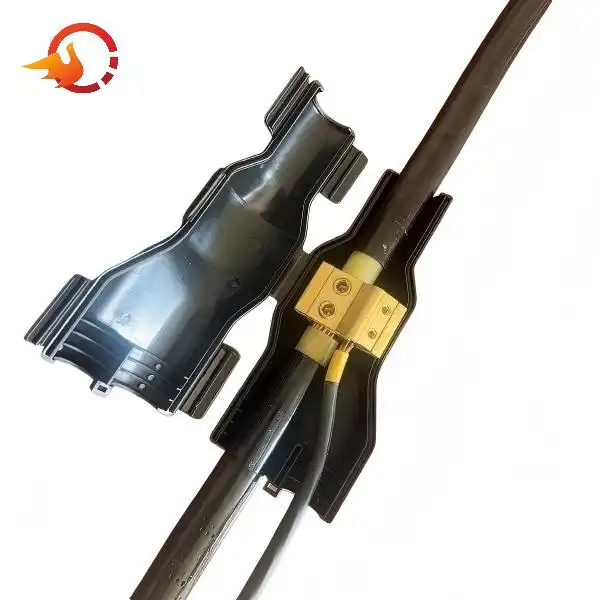
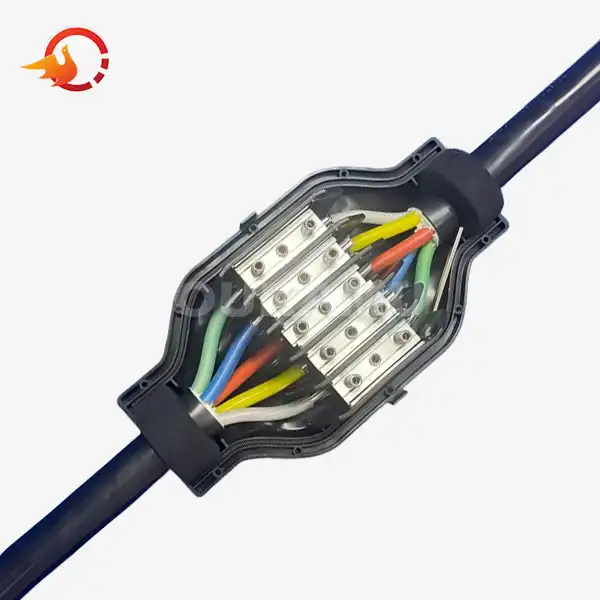
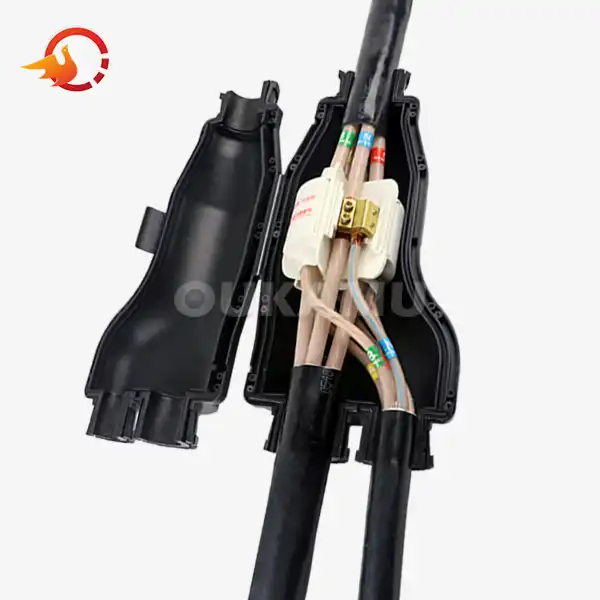
A resin filled joint has three jobs: connect the conductors, restore insulation, and seal the area from the outside. A connector joins the conductors, a plastic enclosure surrounds the connection, and an insulating compound fills the enclosure so little space remains for water or air. Our L-GJFZ-70/16 branch joint follows this layout. The table below lists its three main components.
| Component | Description |
|---|---|
| Insulation waterproof glue | Two-component, yellow, translucent, insulating, flame retardant, flexible |
| Glue filling branch box | Modified PP plastic; anti-aging, cold and heat resistant, long service life |
| Integrated branch connector | Insulated, flame retardant; suits copper-copper, aluminum-aluminum, and copper-aluminum connections |
Because the connector is integrated, installers do not assemble loose parts in a wet trench, which lowers the chance of a missed step.
Resin and Gel Compounds Inside the Joint
Cable resin filled type joints for XLP rely heavily on the filling chemical for joint performance. Cable joint manufactures utilise two-part polyurethane or epoxy solutions with different hardness, flexibility, water absorption, and working times. Polyurethane bends with temperature fluctuations, but epoxy cures hard and adheres strongly. Our L-GJFZ-70/16 gel-filled insulation and two-component insulation waterproof glue provide double safety. Buyers should check the supplier's data sheet for mixing ratio, shelf life, and storage constraints since expired or mismeasured compounds may not cure well.
Installation Sequence and Curing
Installation is sequential. Check cable, joint, and tool types first. Use the integrated branch connection to connect the branch cable to the main cable. After aligning the enclosure, pour the combined material within its working time and cure. Epoxy resin dries best in dry circumstances, thus early moisture might impair bonding. Workers should monitor the temperature, maintain the space dry, and record the batch number. Without cutting the main cable, installers may bypass a complete conductor splice and save cable length using our L-GJFZ-70/16.
Why Resin Filled Joints Perform Well in Harsh Conditions
Moisture and Immersion Protection
IP68 enclosures are dust-tight and water-resistant, according to IEC 60529. The maker and customer agree on depth and length, therefore a "IP68" marking is unclear. Request test depth, duration, and sample count from the provider. Gel-filled insulation and IP68 waterproofing make our L-GJFZ-70/16 a double-barrier enclosure. In wells and damp trenches, where water might pool around joints, double protection is important. The model has insulation resistance exceeding 1000MΩ.
Vibration, Soil Pressure, and Chemical Exposure
In place of air gaps, filled joints support the connection and cable surface, preventing movement. The enclosure matters. Our glue-filling branch box is made of modified PP plastic that resists ageing, cold, and heat for direct burial and outdoor wells. The insulating glue is flame retardant and the junction resists several substances. However, no joint handles all loads. Cable support, bending radius, heat expansion, and strong mechanical loads need ducts or coverings.
Where Resin Filled Joints Make the Most Sense
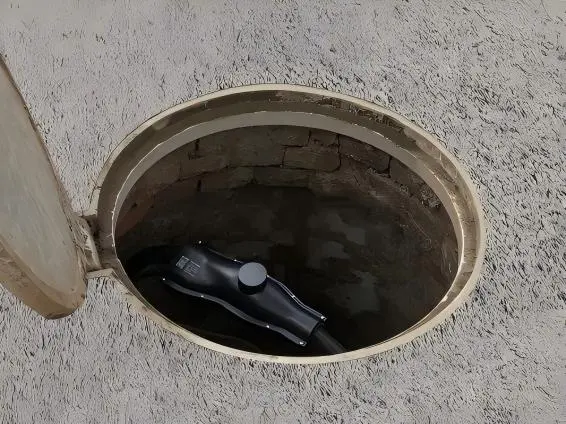
Utility wells, manholes, wet trenches, and direct-buried feeders work. Suppose a utility team requires a service tap on an underground low-voltage feeder in a wet well. Basic methods include cutting the primary cable and leaving extra length for splicing. L-GJFZ-70/16 lets the team choose the tap location on site, maintain the main cable intact, and fill the branch junction. The device works for industrial, residential, utility, and solar/wind systems. Hazardous-area and medium-voltage projects require independent consideration.

Comparing Joint Types and Choosing the Right Size
Resin Filled vs Heat Shrink, Cold Shrink, and Mechanical Joints
All have their place, including cable resin filled type joints for XLP. Heat shrink joints are small but need regulated heat, which may be difficult in damp or restricted locations. Cold shrink joints save tool use and accelerate field work, but cable size is crucial. Mechanical joints install rapidly but require sealing and corrosion protection. Resin-filled systems enclose connections in moist, underground, or hard-to-reach areas, although cure time is higher. Compare voltage, cable size, exposure, access, outage window, and lifetime cost, not just unit pricing.
Matching Cable Size, Conductor Material, and Voltage
The right joint is not determined by conductor area. Check cable conductor material, form, insulation, sheath, and outside diameter. Verify voltage class too. Medium-voltage joints require IEEE Std 404 electrical stress control and testing, whereas low-voltage branch joints concentrate on insulation, sealing, and connection fit. Send the cable data sheet and define the environment—direct-buried, submerged, or coastal—so the provider can confirm the match before you buy.
L-GJFZ-70/16 Specifications
The table below lists the data for Model L-GJFZ-70/16, our branch cable connector for low-voltage XLPE cables.
| Item | Value |
|---|---|
| Model | L-GJFZ-70/16 |
| Waterproof level | IP68 |
| Main cable range | 25~70mm |
| Branch cable range | 2.5~16mm |
| Insulation resistance | >1000MΩ |
| Withstand voltage | 3.5kV, 5 min, no breakdown |
| Voltage drop | <3.2mV |
| Installation | Wells or direct-buried soil; no main cable cut |
The wide size ranges let one model cover many tap sizes, and installers choose the branch position on site. The low voltage drop figure shows the connector adds little resistance to the circuit.
Supplier Evaluation, Procurement Checklist, and Common Mistakes
How to Evaluate a Resin Filled Joint Supplier
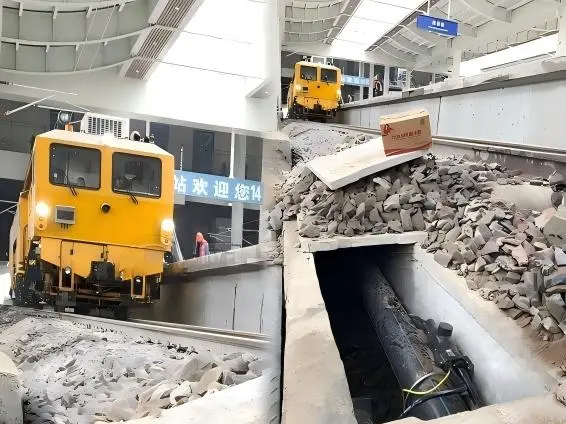
Good suppliers provide more than catalogues and quotes for cable resin filled type joints for XLP. Check product coverage across cable sizes, type-test results, factory quality certifications, batch traceability, and documented inspection methods. Ask the supplier about lead times and capacity for yearly or semi-annual supply orders. OEM and distributor purchasers should enquire about private-label packaging, customisation, and minimum order quantities. We design, produce, and distribute branch cable connectors for construction, municipal, railroad, and highway projects at Xi'an Oukamu Electric Co., Ltd.
Procurement Checklist for Bulk Orders
A clear specification expedites acceptance. Send cable construction, conductor material, size, insulation, sheath diameters, voltage, installation area, quantity, destination, specs, and delivery date. Compare kit contents, connection quality, resin packaging, minimum order number, lead time, freight, warranty, and technical support estimates. Request compatibility, water-resistance, curing, and storage information. The normal program goes from pre-qualification to type testing, bidding, and a supplier agreement, so a comprehensive data package early minimises delays.
Common Mistakes to Avoid
Many field failures result from mistakes. A kit based on conductor size may not have enough insulation or sheath. Making "waterproof" an ambiguous assertion conceals test depth and duration. Old or improperly kept chemical may not cure. Installation bonds are weakened by rain, dust, and unclean cables. Installation, maintenance, and warranty conditions are ignored when buying by unit price. A brief pre-installation checklist signed by the team lead detects many of these issues before trench closure.
Conclusion
The connection is the most susceptible portion of an underground low-voltage system, therefore cable resin filled type joints for XLP protect it. As moisture, soil movement, and toxins attack the joint first, a sealed enclosure with insulation decreases exposure. Performance depends on correct assembly, installation, IP68 test conditions, insulation resistance, and withstand voltage. Resin-filled designs outperform heat shrink, cold shrink, and mechanical connections in damp, subterranean, and hard-to-reach areas, but size, voltage, and cable data must match. The IP68-protected L-GJFZ-70/16 contains gel-filled insulation and a branch connector that preserves the main cable. Supplier evidence and comprehensive specification reduce purchase and traceability risk.
FAQ
How waterproof is a resin filled joint?
After curing, the sealed compound blocks water and humid air. Ask for the IP68 test depth and duration, and keep the work area dry during curing.
Which cable sizes does L-GJFZ-70/16 fit?
It fits main cables of 25~70mm and branch cables of 2.5~16mm. Check your cable data against these ranges first.
Does the main cable need to be cut?
No. L-GJFZ-70/16 needs no main cable cut and no reserved length, and installers choose the branch location on site, which saves cable and labor.
Is this joint suitable for medium-voltage cables?
L-GJFZ-70/16 serves low-voltage applications. Medium-voltage joints need stress control and type-test evidence, so evaluate them separately.
What documents should I request before ordering?
Request type-test reports, quality certificates, IP test conditions, installation instructions, and batch traceability details.
Request Cable Resin Filled Type Joints for XLP From Oukamu
Oukamu can match Model L-GJFZ-70/16 to your cable data, quantity, and delivery plan. If you are comparing a cable resin filled type joints for XLP supplier, send your cable specifications, installation conditions, and destination to info@okmbranchcable.com. We will reply with technical details and pricing. Visit okmbranchcable.com to review our branch cable connector range and start your inquiry today.
References
1. IEC 60529: Degrees of Protection Provided by Enclosures (IP Code), 2013
2. IEEE Std 404: Standard for Extruded and Laminated Dielectric Shielded Cable Joints Rated 2500 V to 500 000 V AC, 2012
3. NFPA 70: National Electrical Code, 2023
4. UL 486D: Sealed Wire Connector Systems, 2015
5. IEEE Std 400: Guide for Field Testing and Evaluation of the Insulation of Shielded Power Cable Systems Rated 5 kV and Above, 2012
6. ASTM D149: Standard Test Method for Dielectric Breakdown Voltage and Dielectric Strength of Solid Electrical Insulating Materials at Commercial Power Frequencies, 2020