

Why Underground Cable Joint Quality Matters for Power Reliability






 2026-11-18 15:00:44
View:389
Power distribution networks depend on countless components working in harmony, yet one element often goes unnoticed until something goes wrong. Underground cable joints serve as critical connection points that maintain electrical continuity and insulation integrity throughout the power system.
When these joints fail, the consequences ripple through entire networks—causing unplanned outages, safety hazards, and significant financial losses. For procurement managers and project engineers responsible for electrical infrastructure, understanding why joint quality matters isn't just technical knowledge—it's essential business intelligence that directly impacts operational reliability and bottom-line performance.


Understanding Underground Cable Joints and Their Role in Power Systems
What Makes a Cable Joint Essential
Underground Cable Joints join two or more separate pieces of cable together while keeping the cable's electrical and mechanical properties. Unlike regular connectors, these specialty parts have to match the cables they connect in terms of insulation, current carrying ability, and environmental protection. You can think of them as bridges that don't have any weak spots in the way they distribute power.
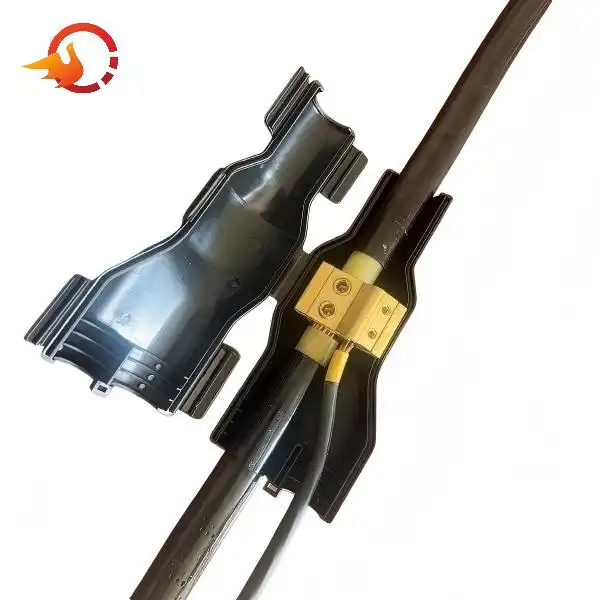
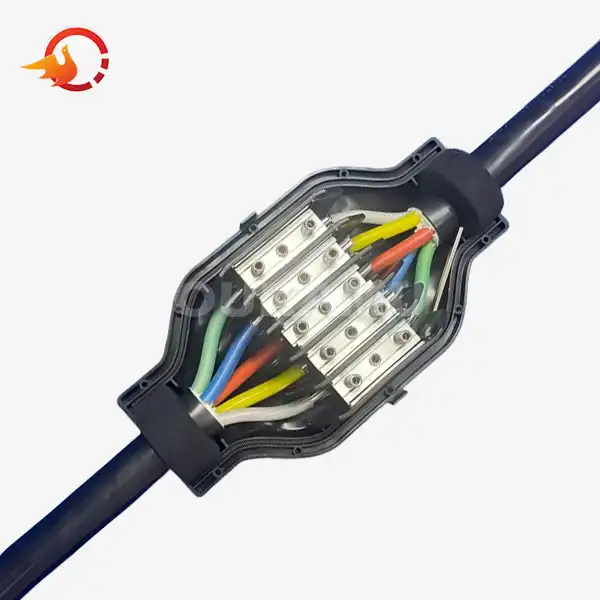
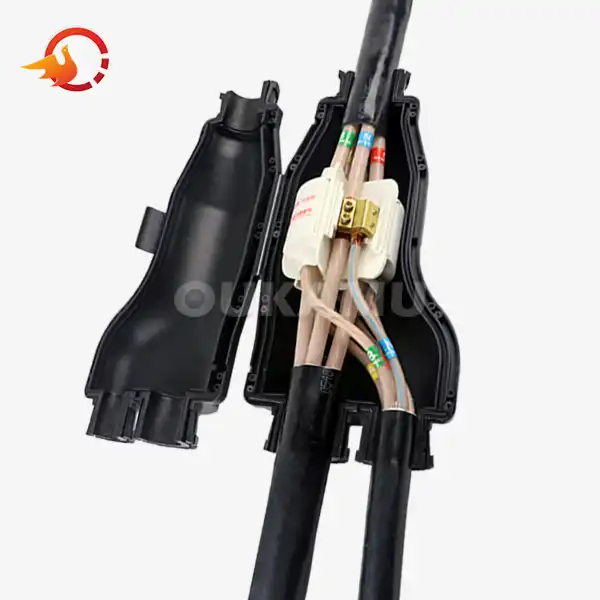
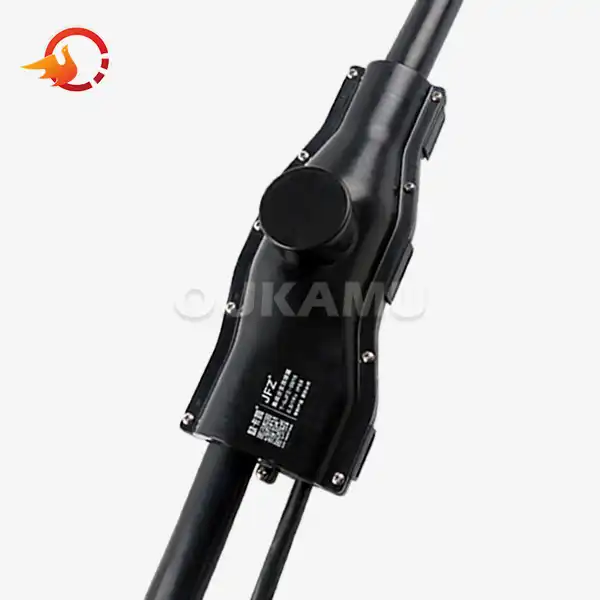
On the market, there are a number of joint technologies, and each one works best in a different setting. Heat shrink Underground Cable Joints use flames to shape protection layers around the point of joining. Alternatives to cold shrink use flexible tubes that have already been stretched and can contract without heat. Pre-molded joints come already put together at the plant with stress-relieving parts, while resin-filled joints cover the links in an insulating substance. Branch joints, like Oukamu's unique L-GJFZ-70/16 type, let you connect taps without cutting the main wire. This is a big step forward for designing flexible networks.
Quality Indicators That Separate Reliable Joints from Risky Ones
Superior Underground Cable Joints have certain traits in common. The dielectric strength of high-quality insulation materials stays the same across a wide range of temperatures. Robust closing systems get IP68 grades for waterproofing, which stops wetness from getting in and speeding up failure. Precision measurements make sure that the L-GJFZ-70/16 works with certain cable lengths. It can fit main cables from 25mm to 70mm and branch cables from 2.5mm to 16mm, so you can choose how to put it without worrying about the fit.
Gel-filled insulation technology is a big step forward in terms of quality. This method produces two layers of protection: the gel solution fills in tiny holes that could otherwise become electrical stress points, and at the same time, it waterproofs the device so that it works even if the outside housing gets some minor damage. This extra security makes systems less likely to be hacked in a single point.


Common Problems from Poor-Quality Underground Cable Joints and Their Impact
The Hidden Cost of Inferior Components
Electrical networks can fail in a number of ways when Underground Cable Joints aren't up to par. Insulation breaks down when the materials used aren't strong enough to handle operational voltages or environmental stresses. When water gets in through broken seals, it makes conductive paths and causes rust. Mechanical failures happen when there isn't enough strain relief or when materials that expand and contract at different rates don't work well together. Each bug speeds up the time until the system fails.
The cost effects go far beyond the cost of replacing parts. Unexpected power outages stop activities and cause losses in productivity that are much greater than the savings from buying new equipment. For emergency repairs, you need to pay more for labor and ship the parts faster. When safety problems happen, companies can be sued and fined by the government. In a vital circuit, a single joint failure can have effects that cost hundreds of thousands of dollars.
Real-World Failures That Could Have Been Prevented
Think about a regional distribution network that kept having problems with newly installed cable runs. An investigation showed that cheap Underground Cable Joints did not have enough stress-controlling parts. When the voltage was normal, the electrical stress gathered at the insulation interface and slowly turned the material into carbon until it broke. The utility had to replace every joint that looked bad over the course of eighteen months. This fixed the problem but cost forty times as much as the initial savings from using cheaper parts.
In a different case, Underground Cable Joints were put in an industrial building on the coast. Standard parts that didn't have an IP68 marking let saltwater mist in. Within two years, internal corrosion caused resistance heating that sped up the breakdown even more. In the end, the plant rebuilt its entire underground distribution system decades before it was supposed to break down. During the emergency retrofit, production had to stop several times.

How to Evaluate and Choose the Right Underground Cable Joint for Power Reliability
Technical Specifications That Matter
Compatibility with voltage is the most important thing. Underground Cable Joints must match or go beyond the voltage rating of the system, with enough room for error. The L-GJFZ-70/16 model works with 0.6/1kV, making it good for low-voltage distribution networks that are popular in light industry and business settings.
Long-term performance is based on how resilient an environment is. When joints are buried directly, they need different safety than when they are put in cable boxes. Changing temperatures, the chemical of the earth, the conditions of the groundwater, and the amount of mechanical load all affect the choice of material. Ratings for waterproofness give you a way to compare things. For example, IP68 certification means that something will be safe from constant submersion, which is important for installations that are below water tables or in areas that are prone to flooding.
| Joint Type | Installation Method | Skill Required | Reusability | Best Application |
|---|---|---|---|---|
| Heat Shrink | Heat application | Moderate-High | Limited | General purpose connections |
| Cold Shrink | Manual expansion release | Low-Moderate | No | Quick installations, confined spaces |
| Branch Joint (L-GJFZ-70/16) | Non-cutting connection | Low | Yes | On-site flexibility, no main cable cutting |
| Resin-Filled | Mixing and pouring | High | No | High-voltage applications |
Comparing Technologies for Your Specific Needs
Heat shrink Underground Cable Joints are reliable and can handle a wide range of voltages, which makes them workhorses in the business. But they need skilled installers and a place to put them that is safe from the weather. Alternatives to cold shrink don't need heat tools and take less time to install, but they usually cost more per unit and can't be moved once they're on.
Branch joints like the L-GJFZ type make networks much more flexible. In the past, to add a junction, you had to cut the main cable, which made the changes permanent and made it harder to make changes in the future. Modern branch connectors cut through insulation to make an electrical connection while keeping the purity of the main wire. With this non-invasive method, tap points can be put in any place, without having to reserve wire length or make special assemblies ahead of time.
The cost-effectiveness relationship is more than just unit prices. Underground Cable Joint branch joints get rid of two to three meters of extra main wire at each connection point. This saves a lot of money when there are many branches. When technicians can make connections on-site instead of having to coordinate with schedules for prefabrication, they can work more efficiently. When network settings need to be changed, the fact that quality branch links can be used again adds to their value.
Best Practices for Installing and Maintaining High-Quality Underground Cable Joints
Step-by-Step Installation Protocols That Prevent Failures
Installing Underground Cable Joints correctly starts long before any tools touch the wires. Cleaning the surface gets rid of any dirt or dust that might damage the insulation interfaces. Cable ends need to be precisely stripped—if they are too shallow, insulation gaps appear, and if they are too deep, too much conductor is exposed. The placement of stress control parts must be exact and according to the manufacturer's instructions, as any deviation will cause the electrical stress buildup that these parts were meant to stop.
Modern simplicity is shown by the L-GJFZ-70/16 arrangement. Technicians put the branch connector where they want it on the main wire without having to cut or strip it. The device for connecting pokes holes in the insulation to make contact, and gel-filled chambers automatically close off to keep wetness out. This method cuts down on installation mistakes by getting rid of many of the steps that usually go wrong.
Before turning on wires, verification testing makes sure that the installation was done correctly. Measuring the insulation resistance shows that the dielectric strength between the wires and the ground is good. Values below the manufacturer's recommendations mean that there is contamination, poor sealing, or damage to the component that needs to be fixed right away. Visual inspection methods check to see if the parts are properly seated, the seals are intact, and the mechanical safety is sufficient.
Maintenance Strategies That Extend Service Life
Regular thermographic surveys should be a part of preventative maintenance plans. Thermal imaging can find resistance heating from connections that are breaking down before they completely fail. Differences in temperature as little as 5°C can show that problems are starting to happen that can be fixed on a regular basis instead of needing an emergency reaction.
Documentation practices don't get enough attention, but they are very helpful when troubleshooting. Keeping track of test results, installation dates, technician names, and environmental conditions makes people responsible and helps find patterns. Data-driven interventions are possible when certain types of Underground Cable Joints or construction teams are linked to problems with reliability.
| Maintenance Task | Frequency | Detection Method | Typical Issue Found |
|---|---|---|---|
| Thermal Survey | Annual | Infrared imaging | Resistance heating, loose connections |
| Insulation Testing | 3-5 years | Megohmmeter | Moisture ingress, insulation degradation |
| Visual Inspection | As accessible | Direct observation | Physical damage, seal deterioration |
| Load Analysis | After major changes | Power quality monitoring | Overloading, unbalanced phases |
Advantages of Investing in High-Quality Underground Cable Joints
Financial Returns That Justify Premium Components
Quality Underground Cable Joints give you a measurable return on your investment in a number of ways. When failure rates go down, there are fewer truck rolls, lower emergency labor costs, and fewer interruptions to work. A factory that has to stop production for just four hours usually loses more money than it costs to install special joints all over the plant.
Lifecycle cost study shows what the real value is. At first, economy joints might be 40% less expensive, but over twenty years, their higher failure rates and shorter service lives mean that their total ownership costs are 200–300% higher than better options. When you think about following the rules, avoiding safety incidents, and protecting your reputation, the math becomes even stronger.
These benefits can be seen in Oukamu's unique branch joints. By not cutting the main cable, they keep the full cross-section of the conductors and don't make permanent weak spots. The dual-layer gel-filled protection system is more durable than single-layer methods and can handle mistakes in the installation process better. Reusability means that network reconfigurations can use existing assets again instead of throwing them away. This is a form of sustainability that is good for both the environment and the budget.
Operational Benefits Beyond Cost Savings
Project managers should pay extra attention to how flexible the installation is. Traditionally, branch sites were set during the planning phase, which meant that accurate predictions of future needs were needed. Modern Underground Cable Joints let you connect things wherever the conditions call for it. They can adapt to changes in design and finds made in the field without requiring change orders or delays.
The small size of the L-GJFZ-70/16 type makes it good for hidden installation in vaults or straight burial. This makes planning easier because the same part can be used in different situations instead of needing different SKUs for each mounting situation. When standardized parts meet a variety of needs, procurement efficiency goes up.
Following GB/T 14048.7-2016 and other foreign safety standards gives buyers trust and makes writing specifications easier. Third-party certifications back up what manufacturers say by testing the products independently. This takes the responsibility of checking the quality off of buyers and puts it on certified labs. This assurance is especially important when buying from new sellers or going into places you haven't been to before.
Real Installation Success: The HKUST Campus Upgrade
Using new cable branch technology, the Hong Kong University of Science and Technology recently updated the electrical facilities on its grounds. The institution had to deal with some unique problems, such as keeping power on to buildings that were already in use while work was being done, planning for future growth, and making sure that buildings that were already in use met strict safety standards.
Branch shared technology made it possible for HKUST to take a staged approach. Technicians connected new branches to existing trunk cables without any power outages because they didn't cut the cables. When later stages added buildings or moved equipment, more taps were done without going back to work that had already been done. The project was finished early and on budget, and the system was made so that it can be easily expanded in the future.
This case shows how the quality of a project's parts affects more than just its technical performance. When you use the right products, you can build in ways that lower risk, speed up plans, and offer long-term agility. These are strategic benefits that make the initial product value many times greater.
Conclusion
Quality Underground Cable Joints are like important insurance plans that protect investments in electrical systems. The premium and budget parts are different not when they are working normally, but when they are put through the stresses, extreme weather, and decades of service that make up real-world conditions.
The choices we make today about purchases will set patterns of reliability that will last throughout the lifecycles of systems. By spending money on tried-and-true technologies like gel-filled branch joints that meet standards and offer IP68 protection, cable links can be turned from weak spots to reliable assets. Quality is very important for power reliability, as shown by financial research, practical experience, and technical principles.
FAQ
What distinguishes heat shrink from cold shrink joint technologies?
To make heat shrink joints, you need to use a flame to melt the thermoplastic materials that form around the wire links. For this process to work, the installers need to be skilled and have protection from the weather. Elastomeric bands that have already been stretched are held in place by separate cores in cold shrink joints. The technicians slide the assembly into place and take out the core, which lets the elastic recovery make the seal. Cold shrinking gets rid of the need for heat tools and skill, but it usually costs more and can't be moved once it's been released.
How long should quality cable joints last under normal conditions?
When placed correctly in the right place, premium Underground Cable Joints usually have 25–30 year service lives that match the cables they link. Joints that are buried directly in the ground don't last as long as those that are stored in temperature-controlled caves. Regular upkeep, especially controlling dampness, makes things last a lot longer. Economy joints often break after 5 to 10 years, adding costs that are much higher than their initial cost.
Can I specify custom configurations for unique project requirements?
Manufacturers with a good reputation let you change the voltage ratings, cable size ranges, and levels of environmental protection. When compared to standard goods, custom solutions usually have lower minimum order numbers and longer wait times. Because branch joints are naturally flexible, they don't need to be customized as much. For example, the L-GJFZ-70/16 can handle cable ranges from 25 to 70 mm for the main cable and 2.5 to 16 mm for the branch cable within a single model, so it can meet many application needs without the need for custom engineering.
Partner with Oukamu for Reliable Underground Cable Joint Solutions
Electrical distribution reliability starts with component selection decisions that recognize quality as strategic investment rather than discretionary expense. Xi'an Oukamu Electric Co., Ltd. has specialized in branch cable connector technology for over 20 years, pioneering innovations that solve real-world installation challenges while delivering exceptional long-term performance.
Our L-GJFZ-70/16 model represents this commitment—combining IP68 waterproof protection, gel-filled dual insulation, and non-cutting installation methodology in a cost-effective package that serves diverse applications. As an experienced underground cable joint manufacturer, we understand procurement professionals need responsive suppliers who deliver consistent quality, reasonable pricing, and technical support throughout project lifecycles.
Contact our team at info@okmbranchcable.com to discuss your specific requirements, request technical documentation, or obtain quotations for standard or bulk orders. Visit okmbranchcable.com to explore our complete product catalog and discover how Oukamu solutions enhance power system reliability while reducing total ownership costs.
References
1. International Electrotechnical Commission. (2020). Power Cable Accessories: Technical Requirements and Testing Standards for Medium Voltage Systems. IEC Publication Series 60502.
2. Zhang, L., & Kumar, R. (2021). Failure Analysis and Reliability Improvement of Underground Cable Joints in Distribution Networks. Journal of Electrical Engineering & Technology, 16(4), 2187-2201.
3. Electric Power Research Institute. (2019). Best Practices for Installation and Maintenance of Underground Cable Systems. EPRI Technical Report 3002015326.
4. National Electrical Manufacturers Association. (2022). Cable Joint Performance Standards for Low and Medium Voltage Applications. NEMA Standards Publication WC 71.
5. Anderson, P. M. (2018). Power Distribution System Reliability: Practical Methods and Applications. Institute of Electrical and Electronics Engineers Press.
6. Chen, W., & Thompson, J. (2020). Economic Analysis of Power System Component Quality: A Lifecycle Cost Perspective. Utility Engineering & Management Quarterly, 28(2), 45-63.