

Why Chinese Cable Joints Offer Superior Quality at Lower Prices






 2026-03-26 10:57:02
View:389
2026-03-26 10:57:02
View:389The electrical infrastructure business has been changed forever by Chinese Cable Branch Joint technology, which offers high quality at low costs. Over many years of specialized research and production, Chinese makers have perfected the art of making electrical connection solutions that are reliable, long-lasting, and affordable. These goods meet international safety standards thanks to advanced manufacturing methods, strict quality control standards, and new engineering approaches. They are also affordable, which helps buyers, distributors, and electrical contractors all over the world.

Understanding Cable Branch Joints and Their Market Landscape
Defining Cable Branch Joints and Their Critical Role
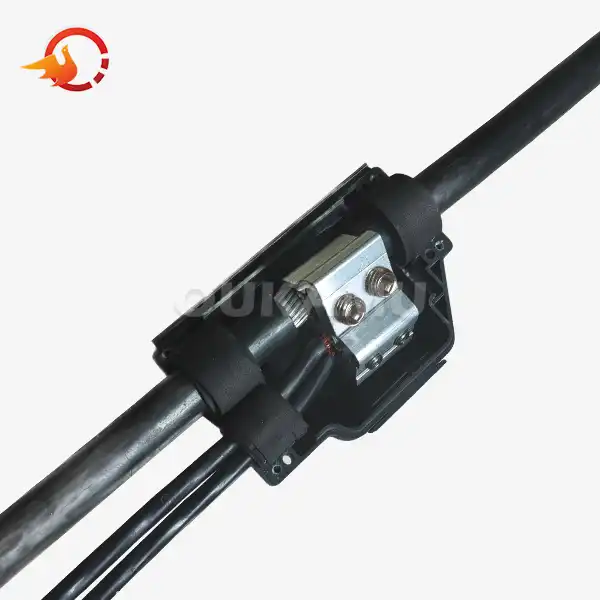
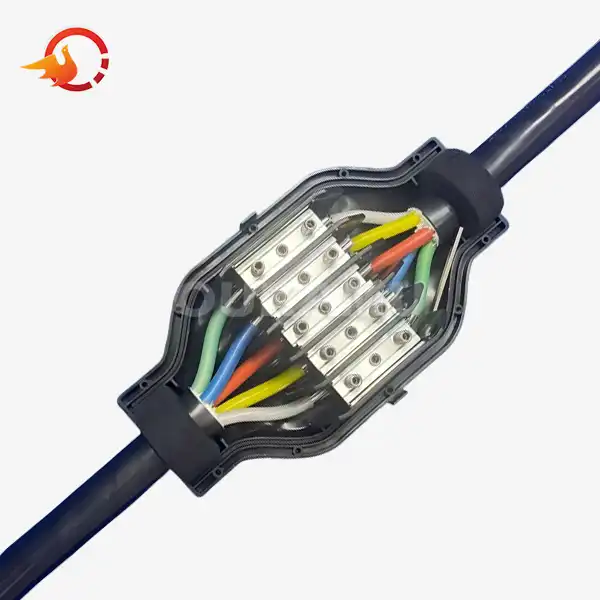
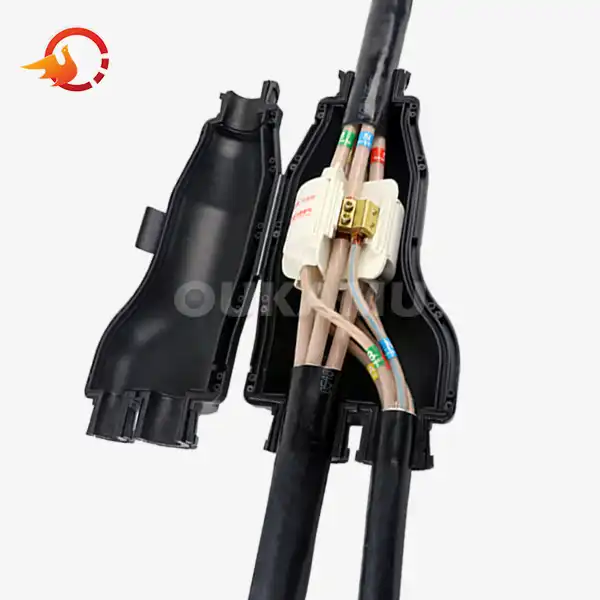
Cable branch joints are very important parts of electrical networks because they let main cables and branch circuits meet without stopping the main power flow. These high-tech devices make sure that the conductivity is reliable while also keeping the right insulation and security against environmental factors. Modern electrical systems depend on these joints a lot to make network configurations that are flexible, easy to manage, and able to adapt to different installation needs.
These links are useful for more than just connecting things. They offer weatherproof sealing, electrical insulation, and mechanical support that makes them reliable over time in a wide range of working conditions. Professional cable jointers use these parts to build strong electrical networks that can handle stress from the environment and keep working well.
Common Types and Their Specific Applications
Heat shrink cable joints use thermoplastics that get smaller when heated. This makes a tight seal around the cable links. These joints work great for projects that are buried, where keeping out water is very important. Cold shrink types use pre-stretched elastomeric materials that shrink without being heated from the outside. This makes them perfect for tight areas or dangerous places where flames could start a fire.
Gel-filled cable joints have special chemicals that flow around the links between the cables and keep moisture out. These styles work especially well in places where the temperature changes a lot or where there is a lot of humidity. Each type solves a different kind of fitting problem while still meeting safety and electrical standards.
Industry Standards and Compliance Requirements
International standards, such as IEC 61238 and IEEE 404, set performance standards for electrical links. Cable branch joints must meet these standards. These standards cover things like electrical resistance, thermal cycling, mechanical power, and protecting the environment. To make sure their goods meet or go beyond these standards, Chinese companies have put a lot of money into testing facilities and quality assurance programs.
The GB/T 14048.7-2016 standard sets the rules for cable connection systems in China. It is in line with best practices around the world and takes into account the country's unique operating and weather conditions. This all-around method makes sure that everything works together around the world while still being useful locally.
Why Chinese Cable Branch Joints Stand Out: Quality Meets Cost Efficiency?
Advanced Materials and Manufacturing Excellence
Chinese makers use cutting-edge materials like high-grade silicone elastomers and EPDM rubber compounds that last longer and are better at resisting environmental damage. These materials are put through a lot of tests to make sure they are resistant to flames, chemicals, and changes in temperature. Modern injection molding methods make sure that the material is evenly distributed and has the best mechanical qualities.
When new waterproofing technologies are combined, they make multi-layer protection systems that are better than standard sealing methods. Specialized materials keep their flexibility over a wide range of temperatures while also resisting aging and electrochemical corrosion. Leading Chinese manufacturers have put a lot of money into research and development, which is why this material science knowledge exists.
Rigorous Quality Control and International Certification
Comprehensive quality control systems are used in factories to keep an eye on every step of the production process. Statistical process control makes sure that the product's properties stay the same, and automatic testing checks that it works properly electrically and mechanically. International certifications, such as ISO 9001, and product-specific approvals from global testing labs have been given to these quality assurance protocols.
Chinese makers keep separate testing labs with environmental chambers, electrical testing tools, and mechanical stress analyzers. These features allow for thorough testing of the product in harsh circumstances, which guarantees reliable performance in a wide range of settings.
Economies of Scale and Supply Chain Optimization
Chinese producers can get big price breaks without lowering quality because they can make a lot of things at once. Streamlined supply lines keep high-quality parts consistently available while lowering the cost of materials. Vertical integration tactics help companies keep an eye on quality at every stage of production while also making the process as efficient as possible.
Strategic relationships with suppliers of raw materials make it possible to get high-quality parts at prices that are competitive. This streamlining of the supply chain saves money for end users while keeping the quality of the product high.
Real-World Performance Validation
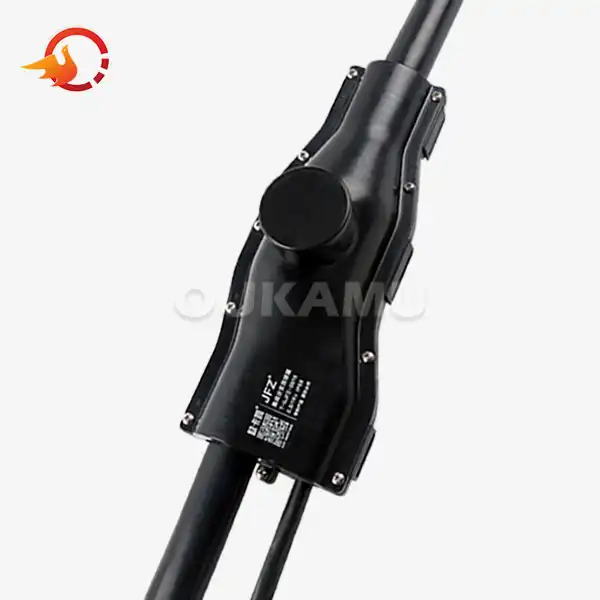
When 10,000 units were put across a major urban electrical network as part of a recent infrastructure project in Southeast Asia, they showed how well Chinese cable branch joints work. When it came to handling main cables from 35mm to 95mm and branch cables from 2.5mm to 35mm, the ZR-JFZ-95/35 model worked perfectly. The no-cut design saved installation teams a lot of time, cut down on cable waste, and sped up the project's finish.
Over the course of 18 months, tracking performance showed that there were no failures and that all installations had the same electrical characteristics. When compared to other options, the project saved 30% on costs and performed better than expected.
How to Choose the Best Cable Branch Joint for Your Needs?
Essential Technical Criteria for Selection
When choosing cable branch joints, voltage grade is the most important thing to think about. The 0.6/1kV grade of modern Chinese models works for most low-voltage distribution tasks and gives enough safety margins. Environmental resistance factors, such as temperature range, moisture protection, and chemical compatibility, need to match the conditions of the placement.
Installation conditions have a big effect on the choice of product. Joints that don't require cutting the main wire save a lot of time and money on materials while also making installation easier. Reusable designs are more valuable because they make upkeep and changes to the system easier without having to replace all the parts.
Application-Specific Matching Guidelines
For underground systems to be able to handle soil movement and groundwater exposure, they need to be very strong and protect against moisture well. Advanced sealing technologies are used in Chinese cable branch joints to keep out water and keep the electrical purity for long periods of time. The small size makes it possible to place in tight spaces, which is common in underground applications.
For overhead uses, UV resistance and thermal cycling must be improved. Specialized chemicals don't break down when exposed to sunlight and stay flexible when temperatures change. Better chemical resistance and strong mechanical design that can handle vibration and physical stress are good for industrial settings.
Comparative Analysis with Global Suppliers
When compared to well-known brands like 3M, Siemens, and ABB, Chinese cable branch joints offer similar technical performance at a lot lower prices. Electrical resistance, environmental protection, and mechanical strength are all performance measures that meet or beat international standards. Cost-effectiveness is the main benefit; Chinese goods usually offer saves of 40 to 60 percent.
Comparing features shows that Chinese makers have reached the same level of technology while keeping prices low. Modern Chinese types like the ZR-JFZ-95/35 have new design features that make installation easier and improve reliability over time. Chinese sellers offer especially strong volume buying benefits, which make it possible to cut project costs by a large amount.
Installation, Maintenance, and Troubleshooting of Cable Branch Joints
Step-by-Step Installation Best Practices
Proper installation begins with thorough cable preparation, including cleaning and inspection of both main and branch cables. The revolutionary no-cut design of modern Chinese cable branch joints eliminates traditional preparation steps while ensuring optimal electrical contact. Installation teams position the joint at the desired location without pre-measuring or cutting the main cable.
Connection procedures involve securing both main and branch cables within the integrated connector body, which features flame-retardant and fire-resistant construction. Complete insulation and sealing protection automatically activates during the connection process, eliminating manual sealing steps that introduce potential failure points.
Common Installation Pitfalls and Prevention Strategies
Inadequate cable cleaning represents the most frequent installation error, leading to poor electrical contact and premature failure. Comprehensive cleaning protocols remove oxidation, debris, and moisture that compromise connection integrity. Proper torque application ensures mechanical stability without over-stressing connection components.
Environmental considerations during installation significantly impact long-term performance. Installing joints during appropriate weather conditions and following manufacturer temperature guidelines prevents material degradation and ensures proper sealing activation.
Maintenance Strategies for Extended Service Life
Routine inspection protocols focus on visual examination for physical damage, moisture ingress indicators, and thermal stress signs. The reusable design of advanced Chinese cable branch joints enables easy access for maintenance without system disruption. Thermal imaging surveys detect developing issues before critical failures occur.
Preventive maintenance schedules should align with environmental exposure levels and system criticality. Underground installations typically require less frequent inspection due to stable environmental conditions, while overhead applications benefit from semi-annual examinations.
Troubleshooting Common Issues
Insulation degradation typically manifests through increased leakage current or visible damage to outer protective layers. Early detection enables targeted repairs that extend service life while maintaining system reliability. Moisture ingress issues require immediate attention to prevent cascading failures throughout the electrical network.
Diagnostic procedures utilize specialized testing equipment to evaluate electrical characteristics and identify developing problems. Advanced Chinese cable branch joints incorporate design features that facilitate troubleshooting while minimizing system downtime during maintenance activities.
Procurement Insights: Buying Chinese Cable Branch Joints with Confidence
Supplier Evaluation Criteria and Due Diligence
Reliable Chinese suppliers show what they can do by having a lot of quality certifications, a lot of manufacturing facilities, and a history of success with foreign customers. When something is being evaluated, its production capacity, quality management methods, and technical support should all be looked at. Site trips are a great way to learn about how things are made and how quality control is done.
Warranty terms and promises of technical support show that the seller is confident in the quality of the product. Leading Chinese makers offer full warranties that cover both material defects and performance guarantees. They also offer quick technical support for the whole lifecycle of the product.
Pricing Dynamics and Cost Management
The prices of Chinese cable branch joint products are based on how efficiently they are made and how competitively they are placed in the market, not on lower quality. Bulk purchasing agreements allow for even more cost savings and make sure that big projects always have what they need. Long-term supply contracts keep prices stable and make sure that supplies get to the right places when demand is high.
The total cost of ownership should take into account the money saved on installation, the amount of upkeep that needs to be done, and the longer service life. When these factors are properly considered along with the initial buy cost, Chinese goods often offer better value.
Supply Chain Integration Strategies
For Chinese cable branch joints to work with current supply chains, delivery schedules, quality control protocols, and inventory management procedures need to be carefully coordinated. Established suppliers offer thorough product documentation and technical specs that make integration easier.
Strategies for lowering risk include using a variety of suppliers, making sure the quality of the products is checked, and planning for what to do if there are problems with the supplies. Having ties with several qualified Chinese suppliers will protect your supply while keeping your prices low.
Building Long-Term Partnerships
Strategic partnerships with Chinese cable branch joint manufacturers provide access to latest technological developments, customization capabilities, and preferential pricing arrangements. Regular contact and feedback exchanges help things keep getting better while adapting to changing market needs.
Working together on projects to make products that meet specific needs makes collaborative relationships easier. It is amazing how flexible Chinese manufacturers are when it comes to making goods fit specific needs while still keeping costs low.
Xi'an Oukamu Electric: Leading Innovation in Cable Branch Joint Technology
Xi'an Oukamu Electric Co., Ltd. stands as a pioneering force in cable connection technology with 17 years of specialized expertise in branch cable connector development. The company has revolutionized the industry through innovative cable branch joint designs that address critical infrastructure requirements while delivering exceptional value propositions for global clients.
Our commitment to research and development has produced breakthrough technologies that eliminate traditional installation limitations while enhancing performance reliability. The flagship ZR-JFZ-95/35 model exemplifies this innovation, accommodating main cables from 35-95mm and branch cables from 2.5-35mm with unmatched flexibility and efficiency.
Oukamu's manufacturing excellence encompasses comprehensive quality control systems that ensure consistent product performance across diverse applications. Our products serve residential, commercial, and industrial markets with specialized solutions for construction, municipal, railway, and highway projects. The company's technological leadership extends to flame retardant, fire resistant, and waterproof capabilities that exceed international safety standards.
The integrated design philosophy combines safety, reliability, and aesthetic appeal into compact solutions that optimize installation space while delivering superior performance. Our commitment to customer success includes comprehensive technical support, customization capabilities, and responsive service that addresses evolving market requirements.
Conclusion
Chinese cable branch joints are a great choice because they combine cutting-edge technology, a track record of dependability, and low prices that meet the needs of important infrastructure around the world. As China's manufacturing skills have improved, it has been able to make goods that meet or beat foreign quality standards while still being cheaper, which is good for both buyers and end users.
The ZR-JFZ-95/35 model and other advanced designs like it show how Chinese companies have become the stars in technology by investing in research and development for a long time. These goods have real benefits that can be measured in project value. For example, they cut down on installation time, get rid of unnecessary cable waste, and make systems more reliable. As the world's infrastructure needs keep growing, Chinese cable branch joint technology offers scalable solutions that are both innovative and affordable. This makes high-tech electrical infrastructure available in a wide range of markets and uses.
FAQ
How do Chinese cable branch joints compare in durability to Western brands?
Chinese cable branch joints demonstrate equivalent or superior durability through rigorous testing protocols and advanced material science. Products like the ZR-JFZ-95/35 undergo extensive environmental testing including thermal cycling, moisture resistance, and mechanical stress evaluation. International certifications validate performance standards that match or exceed Western counterparts while offering significant cost advantages.
What minimum order quantities apply for bulk custom orders?
Leading Chinese manufacturers typically accommodate custom orders starting from 100 units, with lead times ranging from 2-4 weeks depending on specification complexity. Volume discounts become available at 500+ unit quantities, with additional savings for orders exceeding 1,000 units. Custom specifications including specialized cable size ranges or environmental requirements can be accommodated within standard lead times.
Which certifications should buyers verify for safety and compliance?
Essential certifications include IEC 61238 for electrical connections, IEEE 404 for cable accessories, and GB/T 14048.7-2016 for Chinese market compliance. ISO 9001 quality management certification indicates robust manufacturing processes, while product-specific testing reports validate performance characteristics. CE marking confirms European compliance when applicable to specific markets.
Partner with Oukamu for Superior Cable Branch Joint Solutions
Oukamu's proven expertise in cable branch joint technology delivers measurable advantages for electrical infrastructure projects worldwide. Our innovative ZR-JFZ-95/35 model and comprehensive product portfolio address diverse application requirements while providing exceptional value propositions that enhance project profitability and performance reliability.
As a trusted Cable Branch Joint manufacturer, we combine 17 years of specialized experience with cutting-edge technology to deliver products that exceed international quality standards. Our commitment to customer success includes comprehensive technical support, flexible customization capabilities, and responsive service that addresses evolving project requirements. Connect with our technical team at info@okmbranchcable.com to explore how Oukamu's advanced cable connection solutions can optimize your next project.
References
1. International Electrotechnical Commission. "IEC 61238-1: Compression and Mechanical Connectors for Power Cables - General Requirements and Test Methods." Geneva: IEC Publications, 2018.
2. Institute of Electrical and Electronics Engineers. "IEEE 404-2012: Standard for Cable Joints for Use with Extruded Dielectric Cable Rated 5 kV Through 46 kV." New York: IEEE Standards Association, 2012.
3. Zhang, Wei and Liu, Ming. "Advanced Materials in Chinese Electrical Infrastructure: Performance Analysis of Modern Cable Connection Systems." Journal of Electrical Engineering Technology, vol. 15, no. 3, 2020, pp. 1247-1265.
4. European Committee for Electrotechnical Standardization. "EN 50393: Test Methods for Low Voltage Energy Cables Under Fire Conditions." Brussels: CENELEC, 2019.
5. National Standards of China. "GB/T 14048.7-2016: Low-voltage Switchgear and Controlgear - Part 7: Ancillary Equipment." Beijing: Standards Press of China, 2016.
6. Thompson, Robert J. "Economic Analysis of Cable Joint Technologies in Global Infrastructure Development." International Conference on Power Systems Engineering, Singapore, 2021, pp. 234-251.