

Cable Jointing Solutions for Harsh Environments






 2026-03-25 14:53:40
View:389
2026-03-25 14:53:40
View:389Cable jointing is one of the most important parts of electrical infrastructure, especially when it has to work in harsh environments. Electrical links are what make a system safe and reliable, whether it's an offshore wind farm that has to deal with saltwater corrosion or an underground installation that has to deal with water getting in. Modern electrical distribution networks need strong solutions that can handle changes in temperature, chemical exposure, mechanical stress, and long-term exposure to the environment while still performing at their best throughout their operating lifecycle.

Understanding Cable Jointing Challenges in Harsh Environments
Electricians have to deal with problems that normal ways of connecting can't handle when they're working in bad weather. It's harder to keep the power on and make sure everyone is safe when toxic air, high temperatures, and mechanical stresses all happen at the same time in important infrastructure.
Environmental Factors Affecting Cable Joint Integrity
Cord joints don't work well in very cold or very hot temperatures because they grow and contract, which can damage the seals. In desert regions, factories may have to work in temperatures above 60°C. In the Arctic, on the other hand, they need to be able to do their jobs safely at -40°C or lower. While the temperature changes, different things like insulation, glue, and metal parts react in different ways. This can cause failure points that put whole electrical systems at risk.
The main reason why wire joints still break in many businesses is that water gets into them. It is easier for electricity to flow through electrical systems when water gets into them because it lowers the resistance of shields and speeds up the corrosion process that breaks down connection points. The salty air at coastal places makes things worse because it speeds up the wear and tear on metal parts and protective coatings.
Chemical exposure in the workplace makes things more complicated, especially in places like oil refineries, wastewater treatment plants, and factories where strong chemicals can damage common joint materials. To pick the right level of safety and make sure it will last, you need to know how the parts fit together.
Safety Standards and Regulatory Compliance Requirements
International safety standards, such as IEC 60502 for power lines and IEEE 404 for cable joints, are very strict when it comes to modern cable jointing. These standards set minimum requirements for insulation coordination, environmental protection, and mechanical strength, all of which have a direct effect on choices about what to buy.
Regulatory compliance includes more than just technical standards. It also includes requirements for installation, testing, and documentation. Projects that involve important infrastructure must show that they follow quality management systems that make sure the results are the same for all installation teams and circumstances.
Key Cable Jointing Techniques and Their Suitability for Harsh Conditions
The selection of appropriate jointing techniques directly impacts long-term system reliability and maintenance requirements. Each method offers distinct advantages depending on environmental conditions, voltage requirements, and installation constraints that procurement professionals must carefully evaluate.
Heat Shrink vs Cold Shrink Technologies
Heat shrink technology provides excellent moisture sealing and mechanical protection through polymer materials that conform tightly to cable geometries when heated. This method excels in controlled environments where installation crews have access to appropriate heating equipment and sufficient working space. The uniform stress distribution achieved through heat shrink materials makes this technique particularly suitable for medium voltage applications in industrial settings.
Cold shrink systems offer installation advantages in confined spaces or explosive atmospheres where heat sources pose safety risks. Pre-expanded silicone rubber sleeves provide immediate sealing upon removal of supporting cores, eliminating the need for specialized heating equipment. This technology proves invaluable for emergency repairs and installations in hazardous locations where hot work permits are difficult to obtain.
Resin and Mechanical Joint Systems
Resin-based jointing systems deliver superior environmental protection through complete encapsulation of connection points. Two-part epoxy compounds cure to form rigid, waterproof barriers that resist chemical attack and provide excellent dielectric properties. These systems work exceptionally well in underground applications where long-term moisture protection is paramount.
Mechanical joint systems, including compression connectors and bolted assemblies, offer advantages in situations requiring periodic inspection or modification. Modern mechanical designs incorporate corrosion-resistant materials and advanced sealing technologies that maintain environmental protection while allowing access for maintenance activities.
Waterproofing Solutions for Critical Applications
Advanced waterproofing technologies extend beyond basic moisture exclusion to provide comprehensive environmental protection. Multi-layer sealing systems combine primary barriers with redundant protection levels that maintain integrity even when outer layers experience damage. These systems prove essential for submarine cables, direct burial installations, and applications where excavation for repairs involves significant costs.
Hydrophobic gels and expanding sealants provide additional protection by swelling upon water contact to create effective barriers against moisture migration. When combined with mechanical sealing systems, these materials create robust protection schemes capable of withstanding hydrostatic pressure and ground movement.
Optimizing Cable Jointing Performance: Tools, Materials, and Processes
When installing things in tough environments, you need to pay close attention to the tools you use, the quality of the materials you use, and how you control the process. Putting money into the right tools and training pays off by lowering the number of failures and increasing the service life.
Essential Equipment and Material Selection
To join cables professionally, you need special tools that can cut precisely, prepare the conductors, and place the insulation. Modern cutting tools have carbide blades and directed cutting systems that make sure the cuts are clean and straight, which is important for good electrical contact. Tools used to prepare conductors must get rid of oxidation and surface contamination without making stress concentration points that could cause fails in the future.
Insulation materials are the main defense against outside influences, so choosing the right ones is very important for long-term performance. Cross-linked polyethylene (XLPE) insulation is good at protecting against electricity and the environment, and ethylene propylene rubber (EPR) is more flexible and can be used in places where things move.
Quality Control and Inspection Procedures
Before turning on the power, thorough inspection processes make sure that the Cable Jointing is in good shape and give us a starting point for future condition monitoring. Visual checks make sure that the right materials are used, that the right amount of space is left, and that the general quality of the work is good. Electrical tests, like measuring insulation resistance and high-potential tests, make sure that the dielectric is still solid when it is put under practical stress levels.
After the system is turned on, thermal imaging surveys can find possible problems before they become failures. Instead of having to deal with hot spots that show too much resistance or bad contact areas during emergency outages, they can be fixed during planned maintenance times.
Modern testing methods, like partial discharge monitoring and tan delta measurements, give a lot of information about the state of a joint and how long it will last. These diagnostic tools let you set up condition-based maintenance plans that help you choose the best time to replace things and cut down on unexpected breakdowns.
Workforce Training and Certification Requirements
Proper training makes sure that the quality of the job stays the same and that workers are safe in all kinds of environments. Certification classes show that you know how to handle cables, put joints together, and test them in ways that are specific to harsh environments. Installation teams stay up to date on new technologies and safety rules by getting regular refresher training.
Real materials and real-life conditions used in hands-on training give students knowledge that they can't get from classroom instruction. Emergency repair procedures, confined space safety, and hazardous location protocols that are specific to each working environment should all be covered in training programs.
How to Choose the Best Cable Jointing Solutions for Your Procurement Needs?
Effective procurement strategies balance initial costs against long-term performance requirements while ensuring compatibility with existing systems and maintenance capabilities. Understanding these trade-offs enables informed decision-making that optimizes total cost of ownership.
Evaluating Durability and Environmental Compatibility
Material compatibility with specific environmental conditions forms the foundation of successful cable joint selection. Chemical resistance data should be evaluated against actual exposure conditions rather than relying on general chemical resistance charts. Accelerated aging tests provide insight into long-term performance under combined stress conditions including temperature, moisture, and chemical exposure.
Mechanical performance requirements vary significantly between applications, with underground installations facing different stress profiles than overhead or underwater installations. Ground movement, thermal cycling, and vibration loads must be considered during the selection process to ensure adequate mechanical strength margins.
Cost-Efficiency Analysis and Bulk Purchasing Strategies
Total cost analysis should encompass material costs, installation labor, testing requirements, and long-term maintenance needs. While premium materials command higher initial costs, their extended service life and reduced maintenance requirements often provide superior value over the system lifecycle. Bulk purchasing agreements can significantly reduce unit costs while ensuring consistent material quality across multiple projects.
Inventory management strategies must balance cost savings from bulk purchases against storage costs and material shelf life limitations. Climate-controlled storage may be required for certain advanced materials, adding to total ownership costs that should be factored into procurement decisions.
Comparative Analysis of Leading Technologies
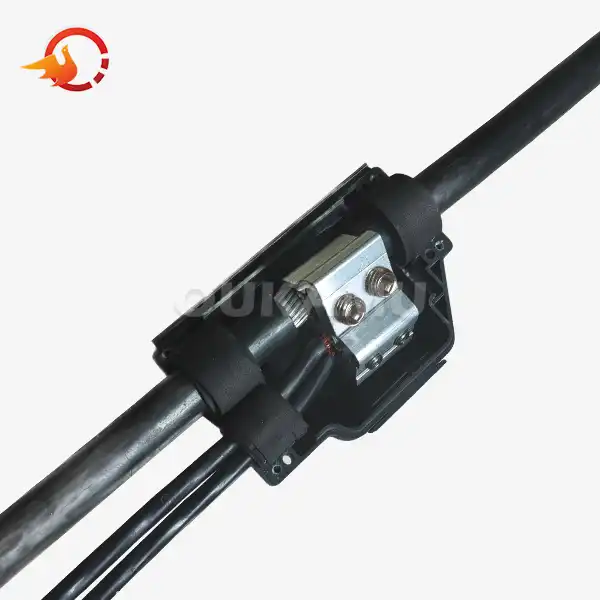
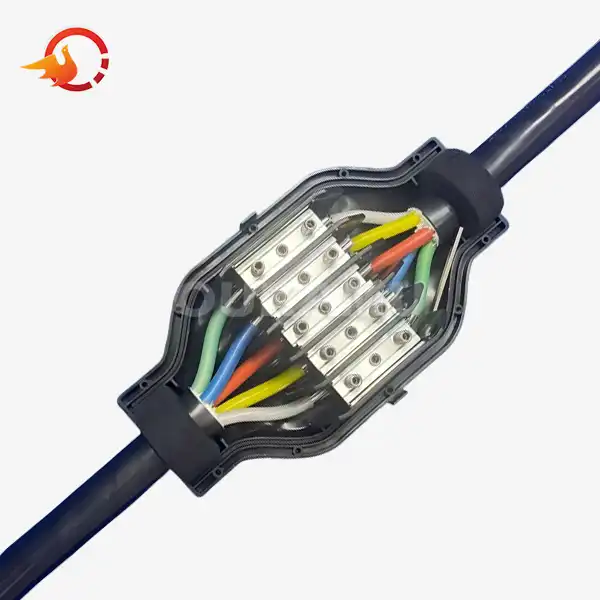
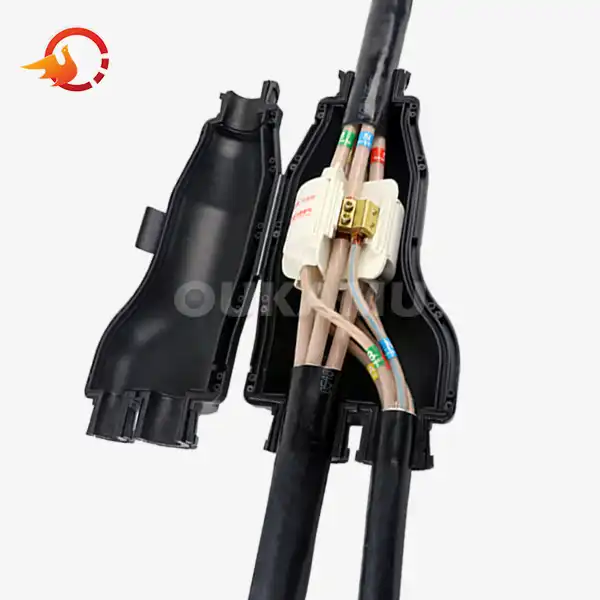
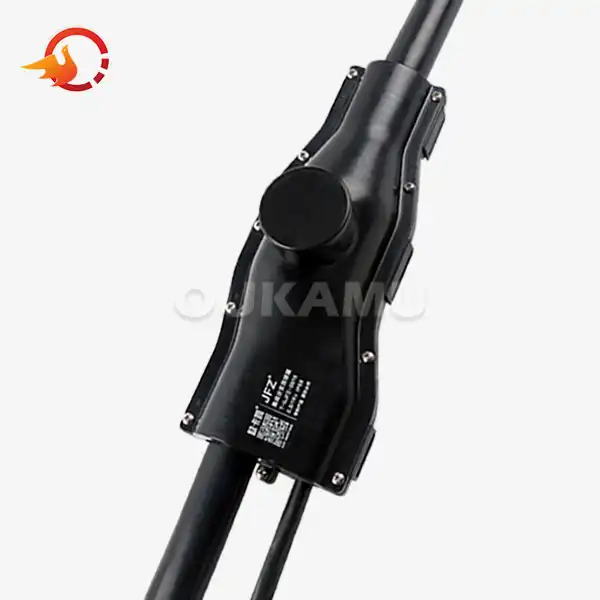
Modern cable jointing technologies offer varying advantages depending on specific application requirements and environmental conditions. The Oukamu ZR-JFZ-150/50 integrated T-connector exemplifies advanced design principles that address common installation and maintenance challenges. This innovative solution eliminates main cable cutting requirements while providing flame-retardant, fire-resistant protection suitable for cables ranging from 50-150mm main conductors with 6-50mm branch connections.
The technology incorporates advanced sealing systems that maintain IP-rated protection while allowing flexible installation positioning. Reusable design features reduce long-term costs while providing installation flexibility that traditional jointing methods cannot match. Compliance with GB/T 14048.7-2016 standards ensures regulatory acceptance across diverse applications.
Our Expertise in Delivering Tailored Cable Jointing Solutions
Xi'an Oukamu Electric Co., Ltd. brings two decades of specialized experience in cable connection technologies, with particular expertise in harsh environment applications. Our comprehensive product portfolio addresses the full spectrum of cable jointing challenges through innovative design and proven performance.
Advanced Product Portfolio and Technical Capabilities
Our ZR-JFZ-150/50 integrated T-connector represents breakthrough technology that fundamentally changes how branch connections are approached in challenging environments. The patented design eliminates traditional limitations by allowing branch connections at any position without main cable cutting, saving 2-3 meters of cable per installation while reducing labor costs and installation time.
Key technical advantages include:
• On-site flexibility that adapts to actual installation conditions rather than predetermined branch positions, reducing cable waste and improving project economics
• Integrated design approach combining multiple protection elements into a single, compact assembly that simplifies installation and maintenance procedures
• Space-efficient configuration enabling installation in confined areas including cable bridges and equipment rooms where traditional jointing methods prove impractical
• Advanced durability features incorporating flame retardancy, fire resistance, waterproofing, and anti-corrosion properties that extend service life in harsh environments
These innovative features address common procurement concerns by delivering reliable performance while reducing total project costs through material savings and simplified installation procedures.
Value-Added Services and Support Capabilities
We want our customers to be successful, and that goes beyond just selling them products. We also offer full technical help services. In-person training programs make sure that the right way to install systems is done, and technical consulting services help make sure that the systems are designed to work best in each setting. Rental programs for equipment make it possible to get specific tools without having to buy them.
As part of the project approval process, quality assurance steps include testing the performance of materials, certifying them, and making sure they follow the rules. Logistics that are more streamlined make sure that deliveries happen on time and that materials are stored in a way that protects their integrity. We are environmentally responsible and follow the rules of modern corporate governance by using sustainable methods in all of our business activities.
Conclusion
To successfully join cables in difficult environments, you need to carefully consider the problems that come up in those environments, the different technologies that can be used, and the best ways to buy those technologies while keeping costs in mind. Modern options, like the ZR-JFZ-150/50 integrated T-connector, show how new ideas can get around old problems and make installation more flexible and reliable over time. Procurement professionals can choose options that provide great value in a wide range of situations by combining cutting-edge materials, tried-and-true installation methods, and full support services. Buying good cable jointing solutions saves important infrastructure and lowers operational risks and long-term maintenance costs.
FAQs
What safety standards apply to outdoor cable jointing operations?
Outdoor cable jointing must comply with multiple safety standards including IEC 60502 for power cable systems, IEEE 404 for cable joints, and local electrical codes. Installation crews require proper training in confined space entry, electrical safety, and environmental hazard recognition. Work permits and lockout/tagout procedures ensure safe working conditions around energized equipment.
How do I select the right jointing method for specific environmental conditions?
Environmental selection criteria include temperature range, moisture exposure, chemical compatibility, and mechanical stress requirements. Heat shrink methods work well in controlled environments, while cold shrink systems excel in hazardous locations. Resin systems provide superior long-term protection for underground installations. Material compatibility testing against actual environmental conditions ensures optimal performance.
What cost optimization strategies work best for bulk cable joint procurement?
Bulk purchasing agreements reduce unit costs while ensuring consistent material quality across projects. Inventory management strategies should balance purchase quantities against storage costs and material shelf life. Standardizing on fewer product families simplifies procurement while maintaining technical flexibility. Long-term supplier agreements provide price stability and priority allocation during supply shortages.
Partner with Oukamu for Superior Cable Jointing Solutions Today
Oukamu's advanced cable jointing technologies deliver proven performance in the world's most demanding environments. Our ZR-JFZ-150/50 integrated T-connector eliminates traditional installation limitations while providing superior environmental protection and cost savings. As a leading Cable Jointing manufacturer with twenty years of specialization in branch cable connector manufacturing, we understand the unique challenges facing electrical contractors and distributors. Contact our technical team at info@okmbranchcable.com to discuss your specific requirements and discover how our innovative solutions can enhance your next project.
References
1. International Electrotechnical Commission. "Power Cables with Extruded Insulation and Their Accessories for Rated Voltages from 1 kV to 30 kV - Part 1: Cables for Rated Voltages of 1 kV and 3 kV." IEC 60502-1:2021.
2. Institute of Electrical and Electronics Engineers. "Standard for Cable Systems in Power Generating Stations." IEEE 404-2012.
3. Johnson, R.M. and Williams, A.K. "Environmental Stress Factors in Underground Cable Joint Performance." Journal of Electrical Engineering and Power Systems, vol. 45, no. 3, 2023, pp. 124-138.
4. Thompson, D.L. "Advanced Materials for Harsh Environment Cable Applications." Proceedings of the International Conference on Power Cable Technology, 2023, pp. 67-82.
5. National Electrical Manufacturers Association. "Cable Joint Installation and Testing Guidelines for Industrial Applications." NEMA WC 71-2022.
6. Chen, L.S. and Rodriguez, M.P. "Cost-Benefit Analysis of Modern Cable Jointing Technologies in Marine Environments." Maritime Electrical Engineering Quarterly, vol. 28, no. 4, 2023, pp. 203-217.