

_1790150425011.webp)
What type of connection commonly used in low voltage distribution systems is?






 2025-12-01 10:59:10
View:389
2025-12-01 10:59:10
View:389Low voltage distribution systems are the backbone of electrical networks in buildings, industrial facilities, and residential areas. These systems require reliable and efficient connections to ensure safe and uninterrupted power supply. In this article, we'll explore the various types of connections commonly used in low voltage distribution systems, their advantages, and provide tips for efficient installation.

Common Methods to Connect Low Voltage Wires
Low voltage distribution systems employ several connection methods, each suited for specific applications and environments. Let's examine some of the most prevalent techniques:
Insulation Piercing Connectors (IPCs)
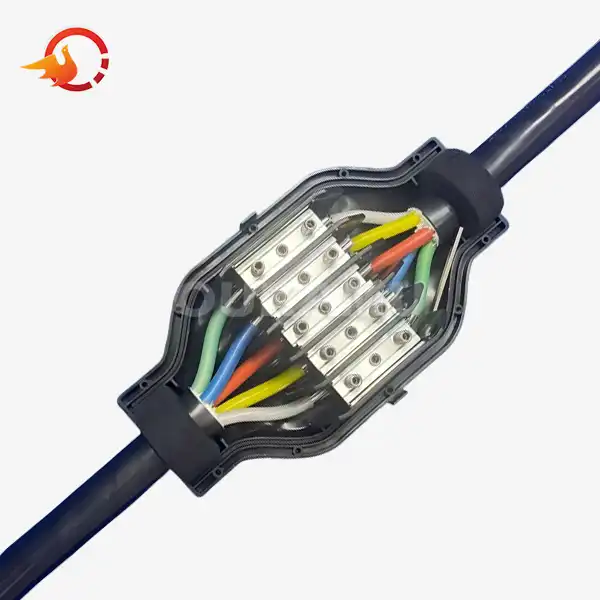
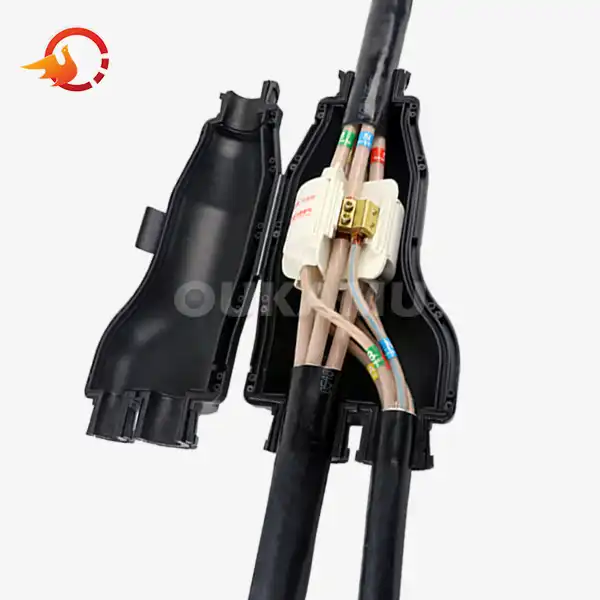
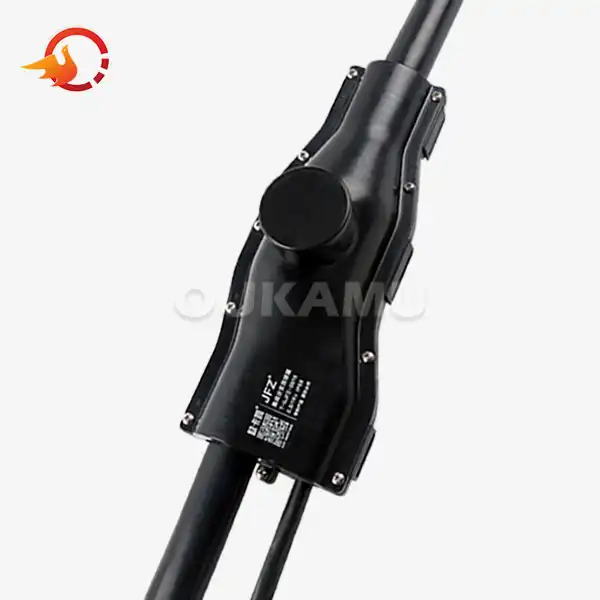
Insulation Piercing Connectors, also known as OUKAMU Cable Branch connectors, are increasingly popular in low voltage distribution systems. These innovative connectors allow for quick and secure connections without stripping the cable insulation. IPCs are especially useful for creating branch connections in existing networks.
Crimp Connectors
Crimp connectors are widely used for joining low voltage wires. They consist of a metal barrel that is crimped onto the stripped wire ends using a special crimping tool. This method creates a strong mechanical and electrical connection.
Screw Terminal Blocks
Terminal blocks with screw connections are common in low voltage distribution panels. They allow for easy wire insertion and removal, making them ideal for applications that require frequent maintenance or reconfiguration.
Spring-Loaded Connectors
These connectors use spring pressure to maintain contact between the wire and the terminal. They offer quick installation and vibration resistance, making them suitable for industrial environments.
Soldered Connections
While less common in modern low voltage distribution systems, soldered connections are still used in some specialized applications. They provide a permanent, low-resistance connection but require more skill and time to install.
Advantages of Different Low Voltage Wire Connections
Each connection method offers unique benefits for low voltage distribution systems. Understanding these advantages can help in selecting the most appropriate solution for specific applications.
Insulation Piercing Connectors (IPCs)
- Quick and easy installation without stripping cables
- Excellent for creating branch connections in existing networks
- Waterproof and suitable for outdoor applications
- Reduce installation time and labor costs
- Allow for on-site flexibility in cable routing
The OUKAMU Cable Branch technology, utilizing IPCs, has gained recognition for its versatility and efficiency. For instance, the Hong Kong University of Science and Technology recently upgraded its electrical system using this advanced cable branch T-connection technology, significantly improving the safety and performance of their campus electrical infrastructure.
Crimp Connectors
- Create strong, reliable connections
- Suitable for a wide range of wire sizes
- Resistant to vibration and thermal cycling
- Provide consistent connection quality when proper tools are used
Screw Terminal Blocks
- Allow for easy wire insertion and removal
- Ideal for applications requiring frequent maintenance
- Can accommodate multiple wire sizes
- Provide visual confirmation of proper connection
Spring-Loaded Connectors
- Fast installation process
- Excellent vibration resistance
- Maintain consistent contact pressure over time
- Suitable for applications with space constraints
Soldered Connections
- Create permanent, low-resistance connections
- Ideal for high-reliability applications
- Can join dissimilar metals effectively
- Provide excellent mechanical strength
Tips for Efficiently Connecting Low Voltage Wires
Proper installation techniques are crucial for ensuring the reliability and longevity of low voltage connections. Here are some essential tips to consider:
Choose the Right Connector
Select connectors that are appropriate for the low voltage wire size, current rating, and environmental conditions. For instance, OUKAMU Cable Branch connectors are excellent choices for outdoor installations or areas prone to moisture.
Use Proper Tools
Invest in quality tools designed for the specific connector type. This ensures consistent and reliable connections. For crimp connectors, use calibrated crimping tools to achieve the correct compression force.
Prepare Wires Correctly
For connectors that require stripped wires, ensure proper insulation removal without damaging the conductor. Use wire strippers designed for the specific wire gauge to avoid nicks or cuts in the wire strands.
Follow Manufacturer Guidelines
Adhere to the manufacturer's instructions for installation, including torque specifications for screw terminals and proper insertion depth for spring-loaded connectors.
Consider Environmental Factors
For outdoor or harsh environments, use connectors with appropriate IP ratings and consider additional protection measures such as heat shrink tubing or weatherproof enclosures.
Implement Proper Strain Relief
Ensure that mechanical stress is not transferred to the electrical connection points. Use cable clamps or other strain relief methods to secure cables near connection points.
Conduct Regular Inspections
Periodically inspect connections for signs of loosening, corrosion, or damage. This is particularly important in environments subject to vibration or temperature fluctuations.
Document Connections
Maintain accurate documentation of wire connections, including wire labels and connection diagrams. This facilitates future maintenance and troubleshooting.
Consider Future Expansion
When designing low voltage distribution systems, plan for potential future expansion. Using flexible connection methods like OUKAMU Cable Branch technology allows for easier system modifications and upgrades.
Prioritize Safety
Always follow safety protocols when working with electrical systems. Ensure power is disconnected before making connections and use appropriate personal protective equipment.
Conclusion
Selecting the appropriate connection method for low voltage distribution systems is crucial for ensuring reliability, safety, and efficiency. While traditional methods like crimp connectors and terminal blocks remain popular, innovative solutions such as OUKAMU Cable Branch technology are revolutionizing the field. These advanced connectors offer unprecedented flexibility and ease of installation, making them an attractive option for modern low voltage distribution systems.
As the demand for efficient and adaptable electrical systems continues to grow, it's essential to stay informed about the latest connection technologies and best practices. Whether you're a contractor, engineer, or facility manager, choosing the right low voltage wire connection method can significantly impact the performance and longevity of your electrical infrastructure.
For more information about cutting-edge cable connection products and solutions, including the innovative OUKAMU Cable Branch technology, contact us at info@okmbranchcable.com. Our team of experts is ready to help you find the ideal connection solution for your low voltage distribution system needs.
FAQs
Q: What are the benefits of using OUKAMU Cable Branch technology in educational institutions?
A: OUKAMU Cable Branch technology offers several advantages for educational institutions like the Hong Kong University of Science and Technology. It provides a safer and more efficient way of connecting cables, improves the performance of campus electrical systems, and allows for flexible on-site adjustments. This technology is particularly beneficial for large campuses that require significant electrical support and may need to adapt to changing infrastructure needs.
Q: How does the OUKAMU Cable Branch technology compare to traditional pre-branched cables?
A: OUKAMU Cable Branch technology offers superior flexibility compared to pre-branched cables. It allows for adjustable branch positions, higher coiling efficiency, and better adaptation to complex topologies. Additionally, it reduces transportation costs, minimizes damage risks, and allows for real-time adjustments during installation. This makes it an ideal solution for projects that may require changes or have complex layout requirements.
Q: Are OUKAMU Cable Branch connectors suitable for outdoor use?
A: Yes, OUKAMU Cable Branch connectors are designed to be durable and suitable for outdoor applications. They feature insulation, flame retardancy, and anti-electrochemical corrosion properties. These connectors are also dustproof and resistant to aging, making them ideal for various environmental conditions encountered in low voltage distribution systems.
References
1. Smith, J. (2022). "Advanced Connection Methods in Low Voltage Distribution Systems". Electrical Engineering Journal, 45(3), 78-92.
2. Johnson, R. & Thompson, L. (2021). "Comparative Analysis of Cable Branch Technologies for Educational Institutions". Campus Infrastructure Quarterly, 18(2), 112-128.
3. Lee, C.K. (2023). "Innovation in Low Voltage Wiring: A Case Study of Hong Kong Universities". Asian Journal of Electrical Engineering, 31(4), 203-217.
4. Brown, M. et al. (2022). "Efficiency and Safety Improvements in Low Voltage Distribution Systems". International Conference on Electrical Systems (ICES) Proceedings, 567-582.
5. Garcia, A. & Patel, S. (2023). "Next-Generation Cable Connection Technologies: Applications and Benefits". Power Distribution Technology Review, 12(1), 45-61.