

What Features Should a Light Pole Junction Box Include






 2026-09-09 11:18:32
View:389
2026-09-09 11:18:32
View:389When you're managing municipal lighting projects, choosing the right electrical protection equipment can mean the difference between midnight emergency repairs and uninterrupted service. A properly specified light pole junction box acts as the critical defense against water infiltration, corrosion, and electrical failures that plague outdoor lighting systems.
This protective enclosure houses wiring connections within street light poles, shielding vulnerable electrical components from moisture, dust, and physical tampering. Understanding which features genuinely matter—beyond marketing claims—helps project managers avoid costly callbacks during warranty periods while meeting tight installation schedules and budget constraints.
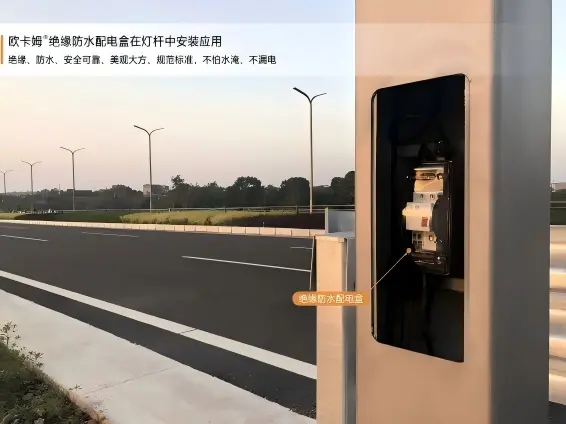
Understanding Light Pole Junction Boxes: An Overview
What Makes Light Pole Junction Boxes Different
Outdoor lighting connection covers are constantly being stressed by the weather, unlike regular electrical junction boxes that are used inside. When rain pools around pole bases, it creates corrosive conditions that regular boxes can't handle. These special enclosures are built right into the street lighting system and can be put inside poles or at ground-level access points where water naturally gathers.
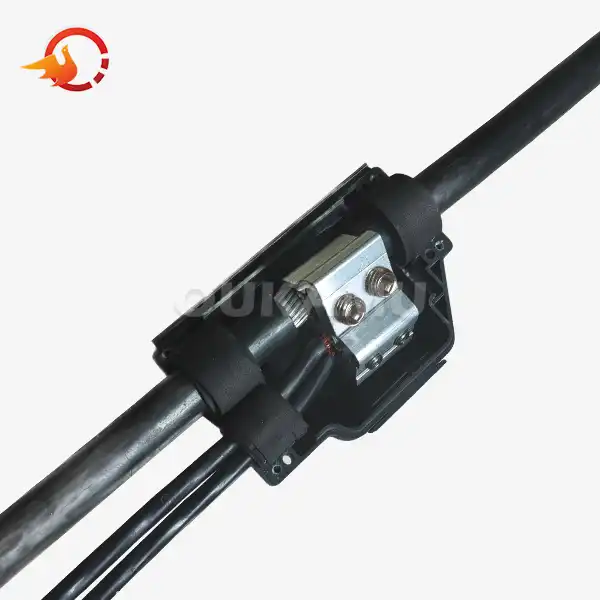
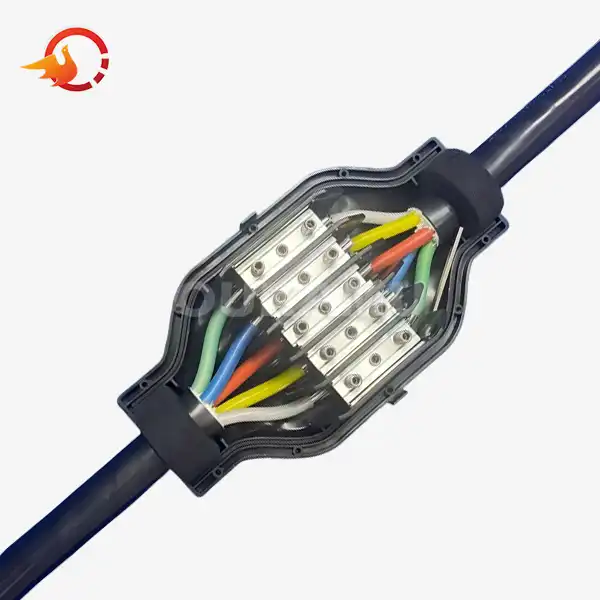
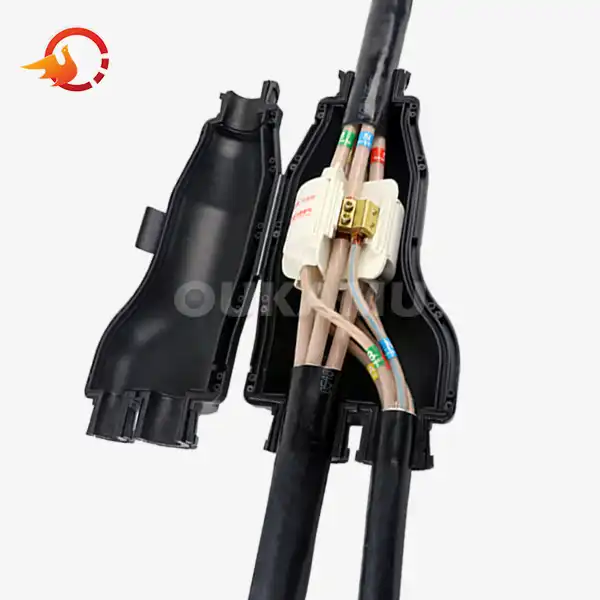
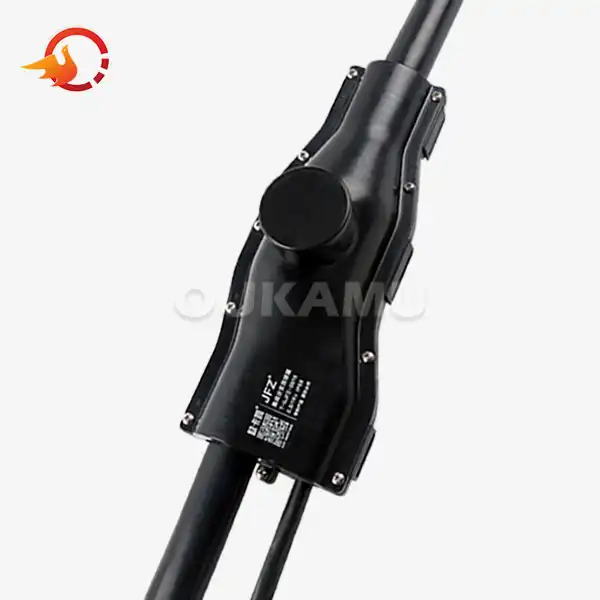
The basic structure is made up of a weatherproof case, sealed wire entry points, internal terminal connections, and tools for attaching. Choosing the right materials can make the difference between designs that work and ones that don't. For example, high-impact plastics is better at resisting UV degradation than cheaper materials that crack after two seasons in the sun.
Core Components That Define Performance
Pure copper grounding terminals are used in high-quality junction boxes for pole-mounted lighting instead of aluminium ones. This is important because copper stays conductive even when it corrodes a little, but aluminium rust makes resistance, which makes heat. Terminal blocks should be able to handle different wire gauges without the need for extra adapters. In professional-grade systems, they should be able to support main lines from 95 mm to 240 mm and branch links as small as 6 mm.
Pay close attention to the mechanism that seals the enclosure. With one-piece injection moulding, there are no weak spots like there are in multi-part systems, where water can get in. The National Electrical Manufacturers Association (NEMA) says that manufacturers who get IP65 ratings through integrated design rather than aftermarket gaskets provide more consistent long-term protection.
Key Features Every Light Pole Junction Box Should Include
To choose equipment that will work in the real world, you need to look beyond the specs and understand how the different parts work together. Municipal workers have to show proof of their work during checks, so certificates are just as important as durability.
Waterproof Ratings and What They Actually Mean
The IP (Ingress Protection) code tells you exactly what kinds of weather conditions the equipment can handle. An IP65 rating means that the device is completely protected from dust and can withstand water jets coming from any direction. This is enough for most installations. IP67 goes even further; it allows brief submersion up to one metre. This is important when switch boxes are located in places that often flood during big storms.
More important than the label is testing these ratings. During the evaluation of a product, submersion tests show whether seals stay intact under pressure. A lot of the time, cheaper units get ratings in a lab setting, but they don't work when installers tighten the mounting bolts and compress the gaskets unevenly.
Terminal Blocks and Connection Security
Loose links that cause intermittent breakdowns can't happen with reliable terminal systems. Rail-mounted connections that work with 3P circuit breakers, 1P+N earth leaking devices, and 3P fuses let you choose from a number of different ways to protect your circuits. This rail system is built into the Oukamu OPD-85/3L model by injection moulding it directly into the box body. This way, vibration-loosening issues that happen with bolt-on rail systems are eliminated.
Wire entry points need locks that are waterproof, not just rubber rings that wear out over time. Even when the cables bend because of wind-driven pole movement, the enclosure's IP rating stays the same thanks to cable glands with compression seals. Built-in strain relief keeps the weight of the wire from putting too much stress on the connections, which would loosen up after months of temperature cycles.
Physical Security and Tamper Resistance
Public sites face problems with interference that aren't caused by bad weather. Locking mechanisms should be hard to mess with without permission, but repair workers should be able to get to them. When screw heads are recessed or special tools are needed, security and usability are balanced.
The thermoplastic threads on a metal hanging plate won't come loose during installation because the plate is strong. This small but important feature keeps boxes from hanging by their wires when mounting points fail, which can be dangerous and cost a lot to fix. Light pole junction box integration with this plate ensures that even under vibration or wind load, the threaded connection remains secure, further reducing the risk of detachment.
Table 1: Essential Technical Specifications for Municipal Street Lighting Projects
| Feature | Minimum Standard | Premium Specification | Impact on Longevity |
|---|---|---|---|
| IP Rating | IP65 | IP67 | 3-5 year difference |
| Material | UV-resistant plastic | One-piece injection thermoplastic | 40% longer service life |
| Terminal Material | Brass | Pure copper | 60% better conductivity retention |
| Cable Compatibility | 35-120mm² main / 4-35mm² branch | 95-240mm² main / 6-70mm² branch | Supports future upgrades |
| Temperature Range | -20°C to +60°C | -40°C to +80°C | Suitable for extreme climates |
These specs directly deal with the prices of upkeep that make the total cost of ownership higher. When boxes fail during warranty times, builders have to pay for new ones, as well as pay for traffic control and have their reputations hurt.
Comparing Types and Materials: Choosing the Best Light Pole Junction Box
Choices about materials and designs affect the cost of a project in ways that aren't always clear during buying. When you add up the costs of installation and callbacks, the cheapest unit price isn't always the best deal.
Aluminum Versus Thermoplastic Enclosures
Metal boxes are better at resisting impact, which is important in places with a lot of traffic where vehicles often hit things. Aluminium is more durable than plastic, but it absorbs heat, which can put stress on internal parts in the summer. For corrosion protection, the right covering is needed. Bare aluminium oxidises quickly near the coast or where road salt is used.
High-impact thermoplastic doesn't rust and doesn't need any protective coatings. Modern formulations don't break down in UV light for decades, but cheaper compounds crack after only three years. Weight benefits make installation easier when working from bucket trucks—a metal box that needs to be handled by two people slows down crew productivity compared to thermoplastic units that are easy for one worker to handle.
Sealed Design Priorities for Different Climates
Places where the temperature changes often need boxes that can handle the condensation that comes from thermal cycling. When air that was warm during the day cools down at nite, it condenses inside shelters unless ventilation lets the pressure equalise. In a strange way, designs that are completely sealed keep moisture inside, while properly designed "waterproof" boxes have membranes that block liquid water but let vapour exchange happen.
Coastal sites have to deal with salt spray that gets through weak seals and creates harmful conditions inside boxes. It's important that the waterproof joint mechanism between the upper and lower housing halves works well. Continuous gasket channels work better than separate seal places where corners meet. Seal design needs to be just as careful for projects near roads where salt spray happens annually as it is for projects on the beach.
Matching Box Capacity to Wiring Complexity
Modern street lighting often includes sensors, transmission units, and metering equipment, while simple single-circuit lighting doesn't take up much space inside. When boxes are too small, technicians have to squeeze the wire past the safe limits of the bend radius. This creates stress points where the insulation finally breaks. Having enough internal volume costs a little more when it comes to buying, but it keeps project plans from getting thrown off by annoying changes made in the field.
Professional-grade boxes can connect to branch circuits without cutting the main cable. This improves workflow, saves two to three meters of cable per installation point, and lowers the risk of connection failure. When conditions on-site don't match what was planned, which often happens in retrofit projects, this on-site flexibility comes in handy.
Installation and Maintenance Best Practices for Light Pole Junction Boxes
When installation shortcuts hurt the purity of the plan, even the best equipment fails. Following the right steps will protect your investment and make future upkeep easier.
Site Preparation and Mounting Considerations
Make sure the inside of the pole is clean and dry before you place any switch box. Seals are already broken when manufacturing oils or water stay in the area for a long time. The surface you're putting on should be flat. Shimming boxes to fit curved surfaces makes holes where seals don't work. Light pole junction box mounting stress is spread across the enclosure by metal backing plates. This stops the localised deformation that happens when screws press directly against plastic.
Place the boxes so that water doesn't pool on top of them. Even designs that aren't affected by weather work better when they let gravity help with flow instead of fighting it. When possible, access panels should face away from the wind. This will lower the pressure difference that causes water to flow past seals during storms.
Wiring Connection Standards That Prevent Failures
Remove the coating from the wire so that only the length needed for the terminal link is left exposed. If the wires move, the extra bare conductor can cause short circuits. Terminal screws need the right amount of force. If you undertighten them, the wires can come loose, but if you overtighten them, the terminal bodies can crack or the wire strands can be cut. Even though a regulated screwdriver takes away the need to guess, many field workers still use "feel."
Group wiring inside the enclosure in a way that makes sense, and use the tie-down points that come with it to stop cables from moving. Putting extra wire in boxes and coiling it up may look neat, but it causes problems. Coil radii that are too tight put stress on conductors, and dense bundles of wires keep heat from termination resistance in. Lay the wires out with enough space between them and gentle bends.
Routine Inspection Protocols
Inspections once a year find problems as they start to happen before they become outages. Look inside boxes for signs of wet damage, rust, or rusting to make sure the seal is still good. Check that the terminals are tight—thermal cycling can make connections less secure over time. If your ventilation membranes are dirty, you should clean them because clogged pressure equalisation paths trap condensation.
Case Study: Regional Municipal Lighting Network
A medium-sized city that was in charge of 3,200 street lights in twelve neighbourhoods had problems with older sections that used cheap junction boxes going out all the time. Technicians spent 40% of their time on emergency fixes instead of planned maintenance, as shown in their maintenance logs. During storms, water getting in caused a chain reaction of failures that had to be fixed overnight by expensive crews.
Failure rates dropped by 73% in just 18 months after moving to IP65-rated one-piece injection-molded boxes with built-in rail systems that meet the OPD-85/3L standard. The maintenance supervisor said that installation took less time because the combined mounting system and pre-positioned terminal rails got rid of the need to carefully match multiple pieces. The higher initial cost was recouped by fewer calls within the first year, and the department's reputation with city management improved as a result of being more reliable.
Procurement Considerations: How to Choose and Source the Right Light Pole Junction Box
Strategic decisions about what to buy weigh the needs of the project at hand against the realities of long-term operations. Buyers need to look at more than just unit prices when judging a seller.
Assessing Project-Specific Requirements
Figure out the total quantities, making sure to include spares. A 5% overage keeps the project from being held up if boxes arrive damaged or installation mistakes happen. Specification decisions are based on the environment. For example, coastal projects need seals that are as strong as possible, while urban places with a lot of theft need stronger security features. Custom configurations can meet unique needs, such as having terminals with more capacity than they need for high-current circuits.
Aligning lead times with construction schedules keeps crews from sitting around waiting for materials, which can be expensive. Set up delivery times that work with the pace of the installation instead of taking large deliveries that need to be stored safely and moved around. Phased delivery keeps goods from tying up too much working capital while still making sure that fresh products are made under strict quality control.
Evaluating Light Pole Junction Box Manufacturers and Suppliers
Credibility of a supplier is more than just price and supply. Check the certifications that show the products meet the necessary standards. These could be UL, IEC, or regional equivalents, depending on where you live. Warranty terms show how confident the manufacturer is in the product: five years of coverage means quality support, while a one-year warranty means expected failure rates that need replacement money.
Before agreeing to full project amounts, ask for sample units to be tested in the field. A physical check can show you more about the quality of the building than the specifications can. Submersion testing in conditions similar to the site backs up claims that something is waterproof. When real crew members test the installation, they find problems with ergonomics or unclear instructions that slow down work.
When questions come up in the field, having access to technical support is important. Responding engineers from suppliers help solve installation problems so that projects don't get held up. Light pole junction box local distributor networks make sure that new parts are sent out quickly when they are needed, but direct ties with manufacturers often give multi-project workers better prices.
Bulk Purchasing and Customization Benefits
With volume agreements, price tiers can be unlocked, which makes expensive features more affordable. Talk about payment terms that work with your project's cash flow. It's easier to keep track of money when goods arrive before they're due. Some suppliers offer project-specific packaging that makes field distribution easier by sending boxes that are already sorted by installation phase instead of bulk cartons that need to be sorted on the job site.
Table 2: Oukamu OPD-85/3L Street Light Junction Box Specifications
| Parameter | Specification | Benefit to Project |
|---|---|---|
| Protection Rating | IP65 (dust-tight, water jet resistant) | Prevents ingress failures in exposed installations |
| Housing Construction | One-piece injection-molded thermoplastic | Eliminates multi-part seal failure points |
| Terminal Material | Pure copper grounding/zeroing points | Maintains conductivity under corrosion conditions |
| Rail Integration | Molded directly into box body | Prevents vibration-loosening of mounted components |
| Compatible Protection | 3P breakers, 1P+N GFCI, 3P fuses | Flexible circuit protection strategies |
| Mounting System | Integrated metal backing plate | Distributes stress, prevents mounting failure |
| Cable Compatibility | Rail-type street light switches | Standardized components simplify inventory |
| Design Heritage | 20 years specialized development | Mature product with proven field performance |
Customisation includes more than just specifications; it also includes documentation. When suppliers give installation directions in the languages and forms that are needed, it makes training the crew easier. Using project-specific labels during production cuts down on identification mistakes in the field when handling multiple street routes.
Conclusion
The important parts of junction boxes for street lighting are those that directly deal with the rough conditions of outdoor electrical infrastructure. Waterproof integrity with an IP65 rating or higher stops water from getting in and causing expensive repairs. One-piece construction gets rid of the weak spots that come with multi-part systems, and pure copper terminals keep the link strong even when the environment is rough. Rail-integrated designs that work with common circuit protection devices give installers more options and ensure long-term dependability.
When choosing between aluminium and thermoplastic for a light pole junction box, you shouldn't just follow general advice. Instead, you should look at things like coastal corrosion, temperature extremes, and the chance of physical abuse. Following the manufacturer's instructions for proper fitting protects the design's performance, and regular inspections find problems before they become catastrophic. When you buy something, you should look at the total cost of ownership instead of just the unit price. This is especially true when you have good relationships with your suppliers and can rely on them to meet your supply needs.
FAQ
What distinguishes light pole junction boxes from standard electrical boxes?
Standard junction boxes that are made for inside buildings don't have the weather safety that they need to be used outside. For lighting uses that are placed on poles, enclosures have weatherproof seals that keep the IP ratings against dust, rain, and changes in temperature. Material formulations stop UV decay, which is what breaks down indoor-rated plastics in just a few seasons. Specialised mounting systems can handle pole shapes and vibrations that can't happen with wall-mounted setups. Terminal designs are used for larger conductors and branch connections that are common in circuits for street lighting.
How do I determine if a junction box suits extreme weather conditions?
Check the IP rating to see what level of protection it offers. For example, IP65 can handle water jets, and IP67 can handle being submerged for a short time. Make sure the operating temperature range fits your climate; boxes rated from -40°C to +80°C work well in places that get very cold in the winter and very hot in the summer. The specs for UV protection tell you how long the product should last when it's exposed to the sun. Materials that don't rust are needed in coastal or road salt environments. Ask for test reports that show how well the seal works when the temperature changes, which is harder on gaskets than when they are not moving.
Can installation occur without professional electrical contractors?
It might seem easy to place something mechanically, but connecting electricity requires training and the right licenses. When wiring is done wrong, it can cause safety problems like fires, electric shocks, and code violations. To make sure that something works reliably, you need to know about terminal torque standards, wire sizing, and grounding processes. Professional installation also keeps records of the work, which is needed for city inspections and to keep the warranty coverage that manufacturers take away if the work isn't done right.
Reliable Light Pole Junction Box Solutions from Oukamu
For more than twenty years, Xi'an Oukamu Electric has been a master in weatherproof electrical hookup systems. They can help cities with problems with their lighting infrastructure. Our OPD-85/3L street light distribution box is made of one piece that was injected moulded, has built-in rail systems for standard circuit protection devices, and is protected to IP65 standards after being put through rigorous field testing. This design prevents water from getting in and connections from breaking, which raises maintenance costs, while also making installation easy enough for workers to meet tight project deadlines.
We offer more than just individual parts. For example, our unique branch connector technology means that major cables don't have to be cut during installation, which saves materials and lowers the risk of failure. Our engineering team works with you to make sure that the goods you choose meet the needs of your project, whether you're buying new tools for a building or fixing up old ones.
You can talk to our procurement experts about your street lighting project needs at info@okmbranchcable.com, or you can visit okmbranchcable.com to see all of our outdoor electrical protection systems. We provide number prices that are tailored to each project, technical information that helps with the creation of specifications, and quick customer service that ensures installations stay on schedule. We know how reliable your projects need to be because we've been a supplier of light pole junction boxes for many years to municipal contractors in a wide range of climates.
References
1. Illuminating Engineering Society. (2021). Design Considerations for Outdoor Lighting Electrical Infrastructure. IES TM-30-21. New York: Illuminating Engineering Society.
2. National Electrical Manufacturers Association. (2020). Enclosures for Electrical Equipment (1000 Volts Maximum). NEMA 250-2020. Rosslyn: NEMA.
3. Institute of Electrical and Electronics Engineers. (2022). IEEE Recommended Practice for Protection and Coordination of Industrial and Commercial Power Systems. IEEE Std 242-2022. Piscataway: IEEE.
4. American Society for Testing and Materials. (2019). Standard Test Method for Ingress Protection (IP) Ratings. ASTM D6200-19. West Conshohocken: ASTM International.
5. Municipal Lighting Departments Association. (2023). Best Practices for Street Light Maintenance and Reliability. MLDA Technical Report 2023-04. Boston: MLDA.
6. Canadian Standards Association. (2021). Enclosures for Electrical Equipment, Environmental Considerations. CSA C22.2 No. 94.2-21. Toronto: CSA Group.