

What are the main types of cable joint connectors available?






 2026-09-08 15:10:26
View:389
2026-09-08 15:10:26
View:389When managing electrical installations across construction sites, municipal projects, or industrial facilities, choosing the right cable joint connector becomes a decision that impacts both immediate operations and long-term profitability. A cable joint connector serves as the crucial link between cable sections, ensuring continuous electrical flow while providing insulation, protection, and structural integrity.
These components enable contractors and installation teams to extend circuits, create branch connections, and maintain system reliability without replacing entire cable runs. Understanding the available types helps procurement managers stock products that address diverse project requirements while maintaining healthy profit margins and minimizing customer callbacks.
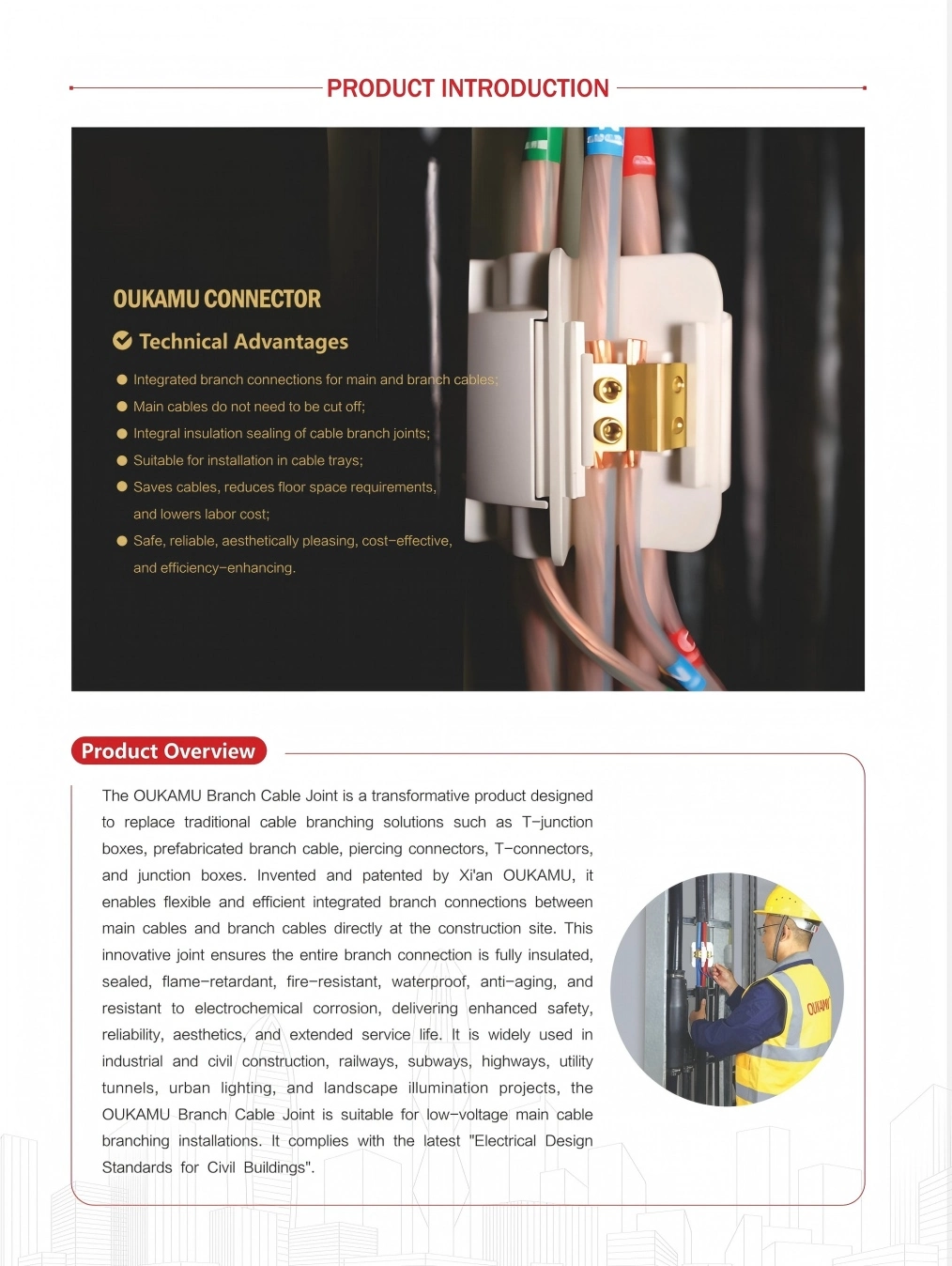
Overview of Cable Joint Connectors
Cable joint connectors are important parts of electrical distribution systems because they connect two sections of cables and keep the electricity flowing and the insulation in place. These devices keep water out, protect against weather stress, and make sure that power is safely sent across a range of voltage levels. Industry standards in GB/T 14048.7-2016 and international safety rules say that using the right connections can cut system downtime by up to 40% compared to using the wrong ones.
Professionals in procurement know that the performance of connectors has a direct effect on running costs. A reliable connector cuts down on maintenance calls, keeps systems from breaking down and costing a lot of money, and gives contractors more faith in your product line. This leads to more repeat sales and better ties with distributors in local areas.
Why Cable Joint Connectors Matter for Your Business
Three main worries for distributors are stocking the right connectors: differentiating products, protecting margins, and quick inventory turnover. Specialised links, on the other hand, can be marked up more than common electrical parts and solve unique customer problems. Connectors that cut down on labour hours and callbacks are valued by installation teams. This creates natural demand that drives regular reorder cycles.
The technical specs are important because the conditions on the job sites of your downstream users, like builders and installation teams, are different. For underground installations, waterproof materials are needed. For high-rise projects, small designs are needed for tight areas. And for industrial settings, flame-resistant materials are needed. When you match the skills of your connectors to these uses, your company becomes a skilled partner instead of just a supplier.
Main Types of Cable Joint Connectors Explained
There are different types of connectors on the market, and each one is made for a different set of operating conditions and installation needs. Knowing these differences helps you plan your goods better and helps your sales team help contractors find the right solutions.
Heat Shrink Connectors
When heated, thermoplastic tube in heat shrink connections contracts, making a tight seal around the joints of the cables. These devices work great in places where there is a lot of moisture, like underground pipes and outdoor installs. A heat gun is needed for the installation process to start the shrinking mechanism. This makes a barrier that keeps water out and stops corrosion.
Contractors like heat shrink options because they work well in rough circumstances. The sealed joint keeps water out better than mechanical options, which lowers the risk of failure in wet places. Distributors make steady money from projects in cities and on infrastructure, where protecting the environment is important enough to justify a slightly higher price than basic connections.
Cold Shrink Connectors
In cold shrink technology, rubber sleeves that are already stretched are attached to cores that can be taken out. To install, place the cover over the cable joint and take out the core. This lets the elastomeric material shrink and seal the connection without using heat. This method works well in small spaces or places where an open flame could be dangerous.
The main benefit is that it is faster and safer to install. Teams that work with live electrical equipment or things that can catch fire like cold shrink goods. The higher unit cost is balanced by less time spent on work and better safety compliance, providing value that allows wholesalers to charge higher prices.
Resin and Epoxy Connectors
Chemicals that are poured into resin-based connections harden into solid insulation around the wire joints. In high-voltage situations where maximum dielectric strength is needed because of electrical stress, these solutions are the most common. The curing process makes permanent joints that are very resistant to water and very stable mechanically.
Resin connectors are mostly used in power distribution networks and industrial facilities. The complicated construction requires trained professionals, but the part that is made will last for decades without any repairs. Industrial distributors find that these goods have high profit margins because they are well-known for specific applications and don't have much competition from general hardware sellers.
Mechanical Cable Connectors
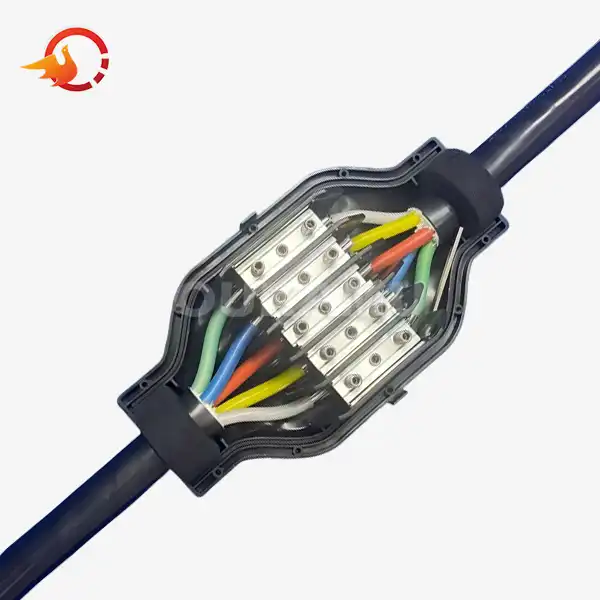
Mechanical connections join conductors without using heat or chemicals. They do this with nuts, compression rings, or set screws that clamp the conductors together. Because these devices can be disconnected and then reconnected, they can be used for temporary installations or systems that need to be rearranged every so often.
Adoption is driven by maintenance flexibility in commercial buildings and other places where equipment needs to be changed often. Facility managers who have to balance operational flexibility with installation costs like it when they can change connections without damaging parts, cable joint connector being a prime example of such a reusable component. Mechanical connectors are kept in stock by distributors who work with business building projects so that they can meet changing project requirements.
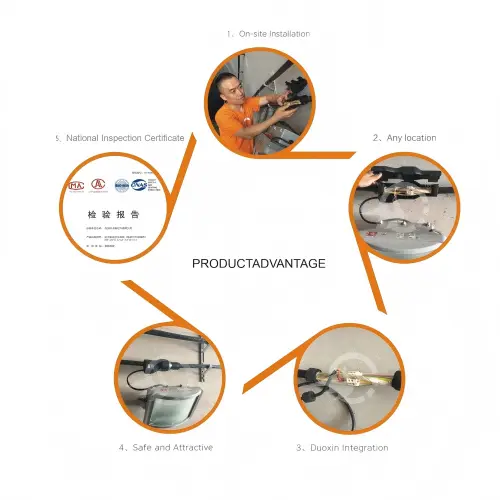
Branch Cable Connectors: The T-Connector Innovation
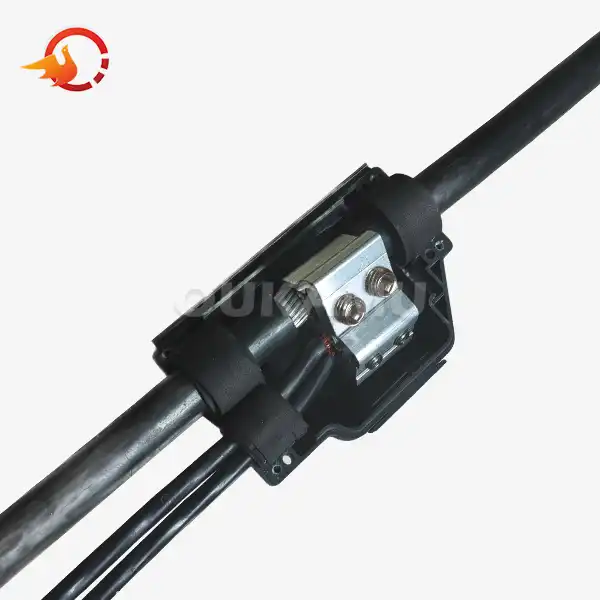
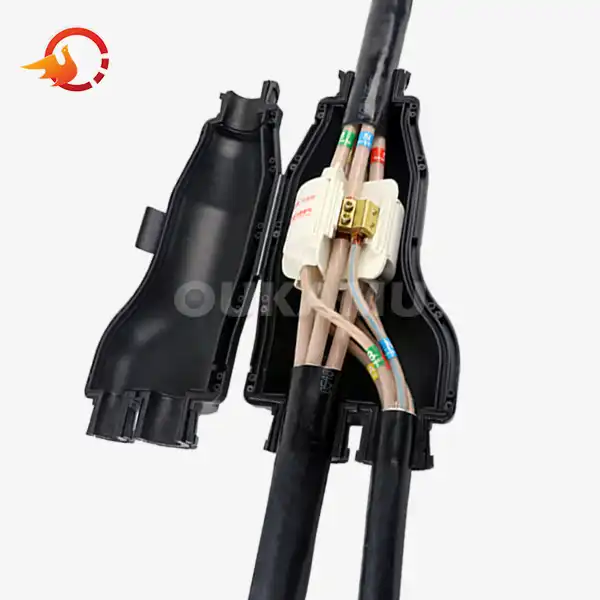
Branch cable connections, especially T-connectors, are a big step forward in how efficiently electricity is distributed. These gadgets let you connect branches straight to main cables, so you don't have to cut the primary conductor. In 2015, Xi'an Oukamu was the first company to use this integrated method to solve a problem that had been bothering the industry for a long time: how to make branch points safe while keeping the integrity of the main line.
In the old way of branching, you had to cut the main cable, remove the insulation, connect the branch conductors, and then re-insulate the joint. This was a very labour-intensive process that took two to three hours per connection. With modern branch connections, you don't have to cut the main wire. This cuts installation time by 60% and saves two to three meters of cable per branch point. These gains in efficiency make strong value propositions for workers who are in charge of setups with multiple branches.
The table below shows different types of key connectors based on how they work:
| Connector Type | Installation Method | Primary Advantage | Typical Application | Reusability |
|---|---|---|---|---|
| Heat Shrink | Heat application | Superior moisture seal | Underground, outdoor | No |
| Cold Shrink | Core removal | No heat required | Confined spaces, hazardous areas | No |
| Resin/Epoxy | Chemical cure | Maximum dielectric strength | High-voltage systems | No |
| Mechanical | Physical clamping | Disconnection capability | Temporary installations, reconfigurable systems | Yes |
| Branch (T-Connector) | Integrated piercing | No main cable cutting | Multi-branch distribution, building risers | Yes |
Oukamu ZR-JFZ Series: Practical Innovation for Real-World Applications
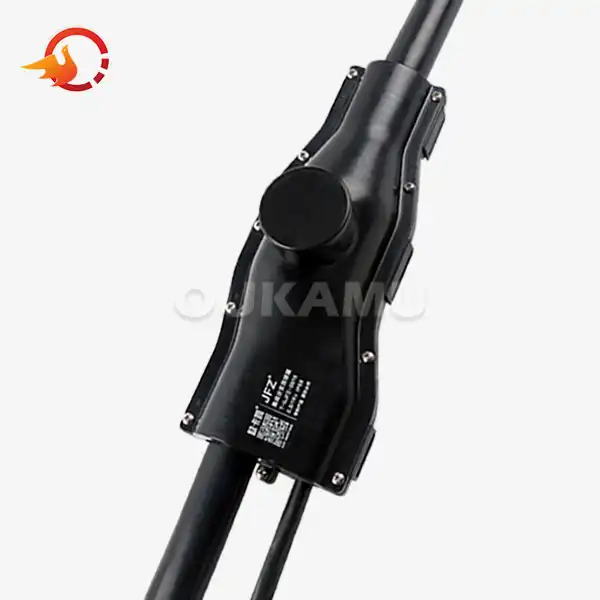
The ZR-JFZ-95/70 type shows how branch connection technology meets the needs of both distributors and contractors. This connector works with main cables that are 35 to 95 mm³ and branch cables that are 16 to 70 mm³. It can handle most common building distribution situations. Standard low-voltage uses are covered by the 0.6/1kV rating, and the flame-retardant, fire-resistant structure meets safety standards without charging extra.
When contractors are fitting out commercial buildings, they often run into the same problem: vertical risers connect to multiple floors, and each floor needs to be connected to a distribution panel by a branch. With the old ways, you had to carefully measure the length of each cable, leave room for connections, and do a lot of work at each branch point. With an integrated T-connector system, branch placement is flexible; workers can change connection places based on the situation, rather than sticking to rigid layouts that were planned ahead of time.
The ZR-JFZ-95/70 can do the following things, as shown by its specifications:
| Specification | Value | Benefit |
|---|---|---|
| Main Cable Range | 35-95mm² | Covers standard distribution cables |
| Branch Cable Range | 16-70mm² | Accommodates typical branch circuits |
| Rated Voltage | 0.6/1kV | Standard low-voltage applications |
| Installation Time | 15-20 minutes | 60% faster than traditional methods |
| Cable Savings | 2-3 meters per branch | Reduces material costs 15-20% |
| Compliance | GB/T 14048.7-2016, international standards | Meets inspection requirements |
Case Study: Municipal Office Complex Renovation
A regional electrical contractor had to do a difficult upgrade job: they had to add branch circuits to vertical shafts that were already there in a six-story office building without disturbing the tenants. For older methods to work, whole risers would have to be turned off, main cables would have to be cut at exact locations, and people would have to work quickly to restore power.
While the business was open, the installation team worked floor by floor using Oukamu branch connections, and they employed cable joint connectors at each tap point. Because branches could be connected without cutting main lines, the main distribution stayed powered during the job. Using traditional methods would have taken more than two hours for each floor connection, but it only took about 18 minutes for each one. Because the contractor finished the job three days early, they didn't have to pay extra workers and saved 22% on wire materials.
This result shows why it's good for distributors to keep new connector solutions in stock. The contractor came back for more units to stock their warehouse, told other companies about the product, and now includes Oukamu connectors in project bids, which means the original distributor will keep making money.
Key Considerations When Selecting Cable Joint Connectors
When connector specs are matched to application needs, mistakes in the field are avoided and the distributor's reputation grows. Choosing the right product depends on a number of factors, each of which affects system performance and user happiness.
Voltage Rating and Cable Compatibility
Connectors must match or go beyond the voltage and current limits of the system. Most building distribution tasks can be done with a connector rated at 0.6/1kV. However, commercial and utility jobs may need higher ratings. Cross-sectional area compatibility of the cable makes sure that the conductors touch properly and stops the cable from overheating when it's loaded.
Distributors should keep a variety of connectors on hand that can fit the most popular wire sizes in their market. A company that sells building materials might focus on the 16–95mm² range, but an industrial distributor needs a wider range of size choices. Knowing how building is done in the area helps you make choices about your goods that balance coverage with holding costs.
Environmental Protection Requirements
The installation setting determines the amount of protection that is needed. For underground uses, designs must be waterproof; for outdoor uses, they must be resistant to UV light; and for harmful environments, they must be made of special materials. The IP (Ingress Protection) rating system measures how resistant something is to dust and water. IP68 means that it can be submerged in water.
When stocking their shelves, many sellers forget to consider natural factors, which causes customers to return products and be unhappy. When a builder buys "waterproof" plugs, they want them to be resistant to submersion, not just splash protection. Mismatches that hurt seller relationships can be avoided with clear product descriptions and expert help.
Installation Complexity and Skill Requirements
How hard it is to attach a connector affects both labour costs and efficiency in the field. For mechanical connections, all you need are some simple hand tools. Resin systems, on the other hand, need mixing tools and the ability to control curing time. To avoid installation problems with heat shrink products, you need heat guns and training in how to use them.
Branch connections make installation easier by having built-in designs that get rid of the need for multiple steps. Positioning, tightening connection bolts, and checking are all steps in the Oukamu T-connector method that can be done by technicians with basic electrical training. This makes it easier for people who aren't specialised maintenance teams to buy it.
Compliance with Standards and Certifications
Local building codes and inspection rules must be followed for electrical installations. Performance standards are set by international standards like IEC 60502 for power cables and IEEE 404 for cable joints. Certain features of a product must meet national standards, such as GB/T 14048.7-2016 in China and NEC rules in the US.
Distributors who work with installation companies and workers need to make sure that the goods they sell have the right certifications. Non-compliant parts put projects on hold because they leave companies open to liability and cause inspections to fail. Protecting the image of the distributor and their relationships with customers by building partnerships with makers that consistently follow the rules and provide proof of testing is important.
Cost-Performance Balance
The initial cost of a product is only one part of the total costs of ownership. The real economic value is based on things like installation labour, failure rates, upkeep needs, and system downtime. A cable joint connector that costs 30% more than its competitors may save you money in the long run by making installation faster and lasting longer.
This idea is easily shown by branch links. The ZR-JFZ-95/70 unit cost is about 40% higher than basic mechanical splices, but it gets rid of two to three meters of wire per link and cuts installation time by 60%. On an installation of 20 branches, saving money on materials and labour leads to a 35% overall cost savings, even though the units cost more. This is a value proposition that contractors who are looking to save money will like.
Installation and Maintenance Insights for Cable Joint Connectors
When you install and maintain connectors correctly, they work better and there are fewer calls back to the factory. Distributors who offer technical advice add value beyond just supplying products. They build stronger relationships with customers and set their businesses apart from competitors who sell generic products.
Installation Best Practices for Branch Connectors
Installing a branch connection is a simple process, but paying attention to the little things will make sure it works well for a long time. The first step is to prepare the cable surface by cleaning the insulation and getting rid of any other debris that could affect the sealing. Next, place the body of the connector over the main cable at the branch point you want without cutting or stripping the primary conductor.
Different designs have different ways of connecting, but piercing-style systems use sharp contacts that cut through wire insulation when they are tightened, connecting the conductors to the power source. After inserting the branch wire, compression fittings hold the branch conductor in place inside the integrated connection body. In one installation step, the whole system protects against heat loss, strain, and the surroundings.
Technicians should use multimeters to check the right contact resistance after installation. They should make sure that the connections are low-resistance and won't get hot when they're loaded. It is very important to stick to the torque specs. If you don't, you'll end up with connections with a lot of resistance, and if you do it too much, you'll damage the conductors or connector bodies.
Maintenance and Inspection Protocols
Scheduling regular inspections helps find problems before they become major ones. Visual checks should look for physical harm, signs of wetness, discolouration that means the item is too hot, or connections that aren't tight. Infrared thermography finds hot spots that could mean that there are high-resistance joints or situations of stress.
Branch links allow inspections to be done without having to separate the wires. Body materials that are clear or see-through let you see what's going on inside, and test points that are easy to get to let you take electrical readings during regular maintenance. This serviceability cuts down on upkeep work compared to heat shrink or resin systems that need to be inspected in a damaging way.
How often maintenance needs to be done depends on the working area and the load. Underground structures that are exposed to wet conditions should be inspected once a year, but climate-controlled indoor systems may only need to be checked every three years. Writing down what was found during an inspection creates a performance history that helps with choosing new products and finding uses that need higher standards.
Troubleshooting Common Issues
Connection problems usually show up as circuit interruptions, too much heat, or lower insulator resistance. Most of the time, problems with mechanical connectors are caused by not tightening them enough or wire oxidation at the contact areas. When heat shrink fails, it usually means that the work wasn't heated all the way through, leaving gaps that let moisture in.
Branch connectors can fail in a number of ways, most of which have to do with piercing contact integrity or seal degradation. Contact problems show up as connections that don't stay connected or warmth caused by resistance, while seal failures show up as moisture building up inside connector bodies. A cable joint connector can also experience similar failure modes, but most problems are caused by mistakes during installation, not problems with the product itself. This shows how important it is to have proper training and written instructions.
Distributors that offer help with installation and troubleshooting give their customers a competitive edge that only product suppliers can't match. With technical helplines, installation guides, and field support services, wholesalers become trusted partners instead of just sellers.
Leading Brands and Supplier Insights for Cable Joint Connectors
There are both large, well-known multinational companies and small, specialised manufacturers in the connector market. Each has its own benefits. Knowing how a brand is positioned and what a seller can do helps distributors make smart choices about where to get products that combine quality, availability, and profit potential.
Global Industry Leaders
Some of the biggest names in high-voltage and specialised applications are 3M, TE Connectivity (formerly Tyco), Siemens, and ABB. These companies put a lot of money into research, keep their product lines broad, and offer a lot of professional help. Their presence in the market builds trust with customers and makes it easier for large projects to accept specifications.
Global names usually have strict rules about MAP price, distribution deals, and where they can sell their products. Brand recognition helps with sales, but smaller distributors have trouble meeting volume and profit requirements. These partnerships work best for distributors who already have a strong presence in the market and a lot of inventory.
Specialized Manufacturers and Regional Suppliers
Focused makers, like Xi'an Oukamu, focus on certain types of products and become very good at them, coming up with new ways to do things in those areas. Oukamu's 20-year focus on branch cable connections is a good example of this approach: long-term focus on a specific problem leads to unique technology and application knowledge that other makers can't match.
Regional suppliers have a lot of benefits for distributors, such as flexible minimum orders, the ability to make changes, quick technical support, and protected distribution areas. These things are very important for wholesalers who are trying to break into new markets or serve specific groups of customers. Most of the time, the margin structures make the goods more profitable than global brand products while still meeting quality standards through international approvals.
Evaluating Supplier Partnerships
A good connection between a distributor and a seller includes more than just the quality of the products. It also includes logistics, expert help, and business terms. Lead times are important because construction projects have tight schedules and delays in shipments cost a lot of money. Supporting inventory through consignment agreements or open refill policies lowers the amount of capital that distributors need.
The same is true for technical resources. Distributors need to train their sales staff on the products they sell, help customers with installation, and have tech support available for questions about how the products should be used. When these services are provided by suppliers, distributors can compete based on knowledge instead of just price, which protects profits and builds customer trust.
Oukamu shows these relationship principles through its extensive help programs for distributors. The company keeps a lot of basic setups in stock, which lets them quickly fill orders. Technical training programs help the sales teams of distributors understand what applications need and how to meet those needs. Regional protection policies keep channels from competing with each other, so wholesalers can spend in market growth without worrying about direct competition from the maker.
Conclusion
It is important to balance technical specifications, application needs, and cost when choosing the right cable joint connectors. Each type of technology—heat shrink, cold shrink, resin, mechanical, and branch connector—deals with a different set of installation problems and working conditions. A single cable joint connector may not suit every scenario, so selection must be tailored to each project’s specific requirements. When procurement workers understand these differences, they can stock product that meets customer needs while keeping margins healthy.
Branch connections are a great example of how new product ideas create value by making installation easier and saving money on materials that make the higher price point worth it. When distributors work with specialised manufacturers, they can get unique products, protected areas, and technical support that help them stand out in the market against competitors who make generic goods.
FAQ
What distinguishes cable joint connectors from cable splices?
Both cable joint connectors and cable splices do the same basic thing, which is to join parts of cables together while keeping the electricity flowing. In the business world, these terms are often used equally. However, "splice" usually refers to fixed ways of joining conductors, like soldering or crimping, while "connector" refers to a wider range of options, such as removable and built-in solutions. These days, it's hard to tell the difference between them because "connector" is now the preferred professional term for engineered joining devices that meet certain standards.
Which connector types work best for underground installations?
For use underground, designs need to be waterproof and have high IP ratings, preferably IP67 or IP68, which means they can withstand being submerged. Heat shrink connectors are great at keeping moisture out because they form a complete seal. When it's always wet, resin-filled connections offer better security. When installation heat is a risk, cold shrink options work well. When provided with the right environmental ratings, branch connectors with built-in waterproof bodies work well for underground distribution.
Can cable connectors be removed and reused after installation?
Some types of mechanical connections and branch connectors can be disconnected and then reconnected, which makes them useful for temporary setups or systems that can be changed. Heat shrink, cold shrink, and plastic joints are installed permanently; taking them off damages them and needs to be replaced. The Oukamu branch connector design lets you disconnect it so that you can change the system or replace a cable. This gives you more options than permanent solutions can provide.
Partner with Oukamu for Superior Cable Connection Solutions
Oukamu offers complete branch cable connector solutions that are designed to help distributors make money and contractors work more efficiently. Our ZR-JFZ series is the result of 20 years of specialised research and development in branch connection technology. It has flame-resistant and waterproof designs that make installation 60% faster and use 2-3 meters of cable per connection point instead of 4. Regional protection rules, flexible order minimums, and technical help that builds stronger customer relationships are all good for distributors.
Email our team at info@okmbranchcable.com to talk about working together with other cable joint connector suppliers, getting samples, and getting a quote for a large order. You can look at our whole product line at okmbranchcable.com and learn how Oukamu's new ideas can help you compete in the electricity distribution markets.
References
1. Electrical Construction & Maintenance. (2022). Cable Joint Reliability in Commercial Installations. EC&M Magazine.
2. Institute of Electrical and Electronics Engineers. (2021). IEEE Standard 404: Cable Joints for Use with Extruded Dielectric Cable Rated 5 kV Through 46 kV. IEEE Standards Association.
3. International Electrotechnical Commission. (2020). IEC 60502: Power Cables with Extruded Insulation and Their Accessories. IEC Webstore.
4. National Fire Protection Association. (2023). NFPA 70: National Electrical Code. NFPA.
5. Standardization Administration of China. (2016). GB/T 14048.7-2016: Low-voltage Switchgear and Controlgear – Part 7: Ancillary Equipment. China Standards Press.
6. Wire & Cable Technology International. (2023). Advances in Cable Jointing Technologies for Building Applications. WCTI.