

_1790150425011.webp)






 2025-12-26 15:50:19
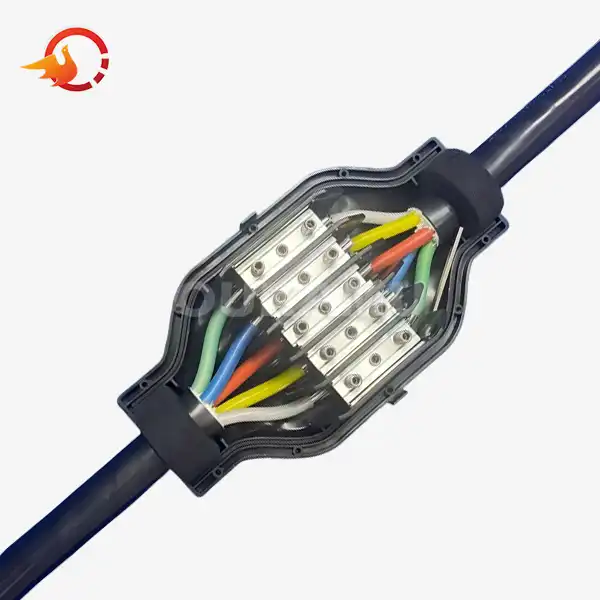
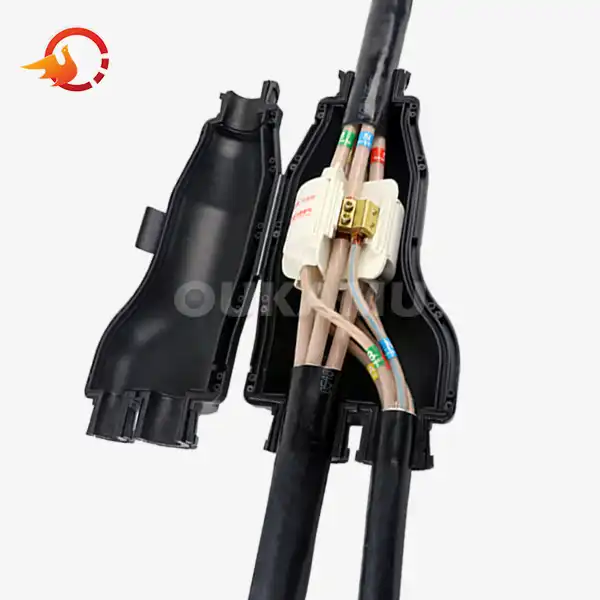
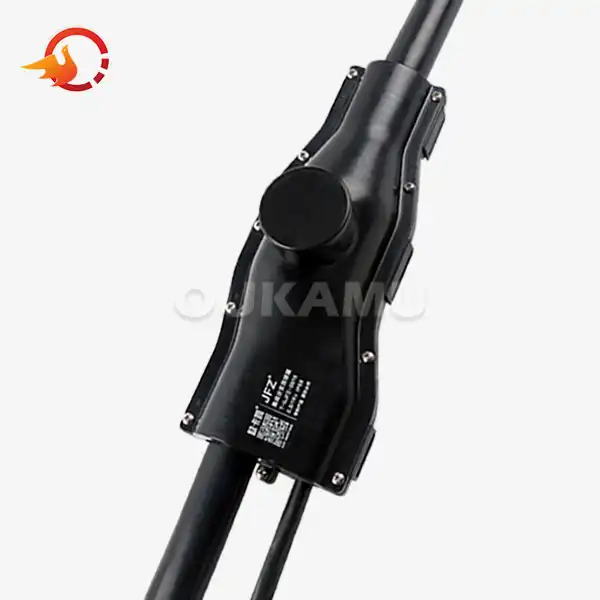
Armoured cable joints are an important part of today's electrical infrastructure because they keep the protective integrity of steel wire armored (SWA) cables and make sure that connections are reliable. This detailed guide talks about important joint materials like sealing putties, protective resins, and specialized tapes. It also talks about manufacturing methods that provide better mechanical protection and electrical insulation. Distributors and electrical contractors can provide strong solutions for tough installations where performance and durability are very important if they know the right way to join materials, choose the right materials, and follow quality standards.

Learn about the construction of armored cables and the requirements for joints
Armoured electrical cables have metal layers around the conductor cores that protect them from interference and make the cables last longer. For direct burial uses, steel tape and steel wire armoring offer great magnetic shielding along with high tensile strength and low compressive resistance. The armoring layer makes the jointing process more difficult and needs special tools and methods.
The processes used to terminate cables must keep both the electrical performance and the mechanical protection going. The joint materials connect the different cable sections and keep the waterproofing, insulation, and structural strength. The right material to use depends on the voltage rating, the environment, and the installation needs.
In armored cable repairs, heat shrink sleeves are often the main way to keep the weather out. When heated, these materials all shrink in the same way, making tight seals around cables with odd shapes. When used with the right jointing compounds, heat shrink technology makes outdoor installations that last a long time.
Important Joint Materials: What They Are and How They Can Be Used?
Sealing putties are the building blocks of cable sealing systems that work. Self-fusing, non-tacky formulations make it easy to work with while still being able to fit into odd shapes around wire bundles. These materials are great at filling gaps in cable joint boxes and keeping water out of splice connections.
Different thicknesses of putty can be used for different tasks. Thicker formulations are better for filling large gaps, while thinner ones allow for precise sealing around small parts. There are different levels of hardness, from soft compounds that can be shaped to semi-rigid materials that support structures.
Protective resins made of epoxy and polyurethane keep medium voltage splices safe mechanically and insulate low voltage joints electrically. Both types of resin meet UTE Standard C 33-010, which means that quality and performance will stay the same. Epoxy systems usually harden more quickly, making them more resistant to damage. Different types of polyurethane stay flexible, so they can handle changes in temperature.
Paper tapes that have been impregnated make it possible to re-insulate cables around medium voltage joints. Only a few European manufacturers are still able to make these specialized materials because they need to be made using very precise methods. When cables have been stripped for splicing, paper tape can be used to restore insulation continuity.
Standards for manufacturing and quality control
Good manufacturing processes make sure that the properties of the materials are the same from one production batch to the next. Material used for electrical insulation is put through a lot of tests to make sure it is dielectrically strong, stable at high temperatures, and resistant to the environment. Controlled environments are kept in manufacturing facilities to keep them clean during production.
To make waterproof joint materials, you need to know a lot about polymer chemistry. Manufacturers mix base materials with additives that make them more resistant to UV light, compatible with chemicals, and good at handling high temperatures. Before putting out a product, quality control labs check that the materials meet the specifications.
Making cable connectors requires precise tools to make sure they fit right and make good electrical contact. Copper conductor interfaces need special surface treatments to keep them from oxidizing and keep the connections low in resistance. Long-term joint reliability is directly affected by the tolerances used in manufacturing.
Jointing kits put together systems that use more than one material. Manufacturers choose compatible parts ahead of time to make sure they work well together and don't react with chemicals. Kit-based approaches make buying easier and make sure that all the materials work together.
Best practices and techniques for installation
Joints that work well depend on the cables being properly prepared. To fix an armored cable, the conductors must be carefully stripped away while leaving enough length for connections. When insulation is taken off, sharp tools keep conductors from getting damaged.
When armoured cable joints are being made, cable shielding continuity needs to be taken into account. Shield connections that overlap keep electromagnetic compatibility, and grounding arrangements keep fault currents from flowing. Performance doesn't drop when the shield is properly terminated.
Material choices and application methods are affected by environmental factors. Places with a lot of humidity need better moisture barriers, and places with wide temperature differences need materials that can work in a wider range of temperatures. Installation teams change their plans based on what they find on the job site.
Cable glands keep the sealing integrity of enclosures while providing safe entry points. The right choice of glands allows for a range of cable diameters and provides the right amount of strain relief. The steps for installation make sure that the gasket is compressed without being too tight.
How to Fix Common Joint Problems?
The most common reason why joints fail is that they let water in. If you don't seal properly, water can get in and break down the insulation and cause the conductors to corrode. Inspections done on a regular basis find early signs of seal wear before they completely fail.
Mechanical stress builds up around joints that aren't well supported. When cables move, they put stress on connection points, which could make electrical contacts loosen. When strain relief is done right, forces are spread out over larger areas, which stops localized stress.
Joint materials are affected in different ways by thermal cycling. Different parts expand and contract at different rates, which could leave gaps or stress concentrations. The choice of material takes into account how well the different parts of the joint can handle heat.
Chemicals that don't work well together can cause cable joints to fail early. Some types of rubber react with PVC insulation, which causes it to break down. Manufacturers provide compatibility charts to keep materials from being mixed in ways that could be problematic.
New developments in cable joint technology
Nanotechnology is used in modern jointing compounds to improve the properties of traditional materials. Nanofillers make it easier for heat to move through materials while keeping their electrical insulation properties. These improvements make it possible to make joints smaller without lowering their performance.
With smart joint technology, monitoring features are built into regular parts. Embedded sensors keep an eye on electrical parameters, temperature, and humidity, so they can spot problems early on. Remote monitoring cuts down on the need for maintenance while also making things more reliable.
Installing prefabricated joint systems is easier and the quality is always the same. Field variables that affect joint performance are taken care of by factory-controlled assembly. Standardized parts allow modular designs to work with a wide range of cable configurations.
When cold-applied materials are used, they don't need to be heated during installation. These systems cure through chemical reactions instead of heat, which means they can be used in more places, like tight spaces or places where explosives are present.
Conclusion
Successful armoured cable joint installations depend on proper material selection, quality manufacturing, and skilled application techniques. Understanding the properties and applications of sealing putties, protective resins, and specialized tapes enables informed procurement decisions. Modern innovations continue advancing joint technology while maintaining compatibility with established infrastructure. Distributors and contractors who master these fundamentals position themselves for success in growing electrical markets. Quality materials from experienced manufacturers like Oukamu provide the foundation for reliable, long-lasting installations that meet demanding performance requirements.
Choose Oukamu as Your Trusted Armoured Cable Joints Supplier
Xi'an Oukamu Electric Co., Ltd. delivers comprehensive armoured cable connection solutions backed by 17 years of specialized experience. Our innovative cable branch technology enables flexible on-site installations while reducing project costs and complexity. Oukamu products feature integrated designs combining safety, reliability, and visual appeal in compact structures.
Our cable joint solutions offer exceptional versatility with adjustable branch positioning capabilities. Installation teams can modify connection points according to actual site requirements, eliminating pre-planning constraints and reducing cable waste. This flexibility proves invaluable for complex topologies and challenging installation environments.
Oukamu products deliver superior durability through advanced material formulations. Insulation, flame retardancy, fire resistance, and anti-corrosion properties ensure long-term performance in demanding applications. Our integrated transportation approach reduces costs while minimizing installation risks.
Distributors and contractors seeking reliable armoured cable joints supplier partnerships benefit from our comprehensive product range and technical support capabilities. Contact us at info@okmbranchcable.com to discuss your specific requirements and discover how Oukamu solutions can enhance your competitive positioning.