

_1790150425011.webp)
How Tunnel Lighting Junction Box Improves Reliability






 2026-01-14 11:29:14
View:389
2026-01-14 11:29:14
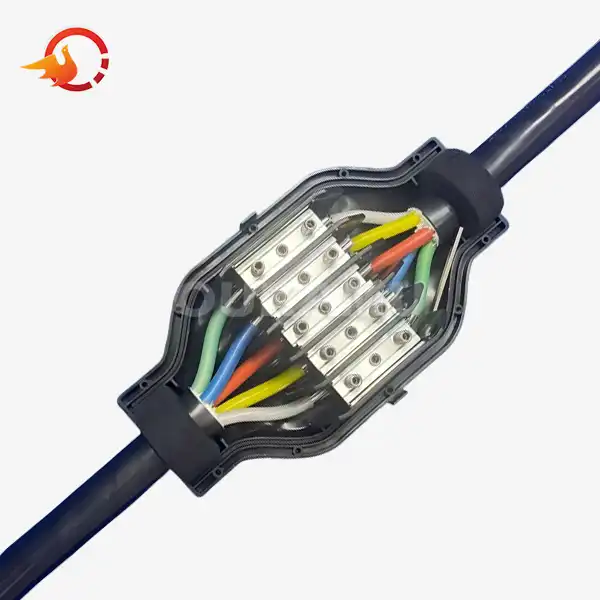
View:389As strong protection hubs for electrical connections in harsh underground settings, tunnel lighting junction boxes make things a lot more reliable. These specialized electrical casings keep water out, stop corrosion, and make sure that lighting systems always get power. Tunnel lighting junction boxes minimize system failures and cut down on upkeep needs thanks to their advanced waterproof sealing, sturdy materials, and built-in surge protection. These junction boxes work reliably to keep the lights on all the time, which is important for driver safety and the smooth running of tunnel building projects around the world.

Comprehending Tunnel Lighting Junction Boxes and Their Role in Enhancing Reliability
Some of the hardest situations for electrical infrastructure are found in tunnel lighting systems. Normal electrical parts can break down in this special climate because of the humidity, dust, vibrations, and changes in temperature. This is where special tunnel lighting junction boxes are needed to keep the system working right.
Purpose and Core Functions in Tunnel Applications
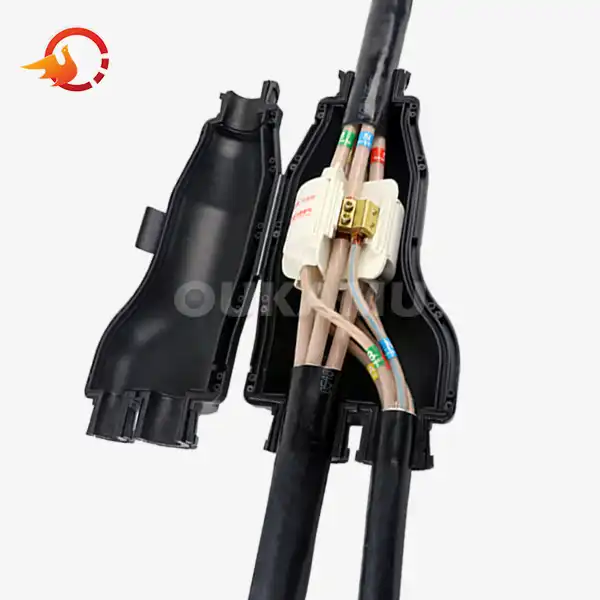
These electrical boxes are important connection places where main power cables split off to go to different light fixtures. Unlike regular junction boxes, tunnel-specific models have higher safety ratings and are built with strong materials that can handle the harsh conditions underground. The main job is to keep environmental dangers away from wire splices and connections while making sure that power gets to all parts of the tunnel lighting network reliably.
These days, tunnel lighting junction boxes have many safety measures built into one housing. They can work with different cable sizes and connection types, so they can be used in a variety of tunnel setups. Being able to work with both main cables (4-16 mm) and branch cables (1.5-10 mm) lets installers be flexible and use the best methods for each job.
Construction Materials and Protective Features
Specialized materials and design factors are needed to make tunnel lighting junction boxes that work well. High-quality models have housings that are injection-molded and have better insulation, flame retardancy, and resistance to chemical damage. These materials stay strong even when they are exposed to the rough conditions that are common in tunnels.
Another important part of making a reliable junction box is making sure that the tools are waterproof. At connection points, wire entry points, and housing joints, advanced sealing systems stop water from getting in. This all-around waterproofing method makes sure that electrical connections stay dry and work no matter what the weather is like inside the tube.
Common Reliability Challenges in Tunnel Lighting Systems and How Junction Boxes Solve Them
Tunnel lighting systems face numerous reliability challenges that can lead to costly failures and safety hazards. Understanding these challenges helps procurement professionals and engineers appreciate the value that quality junction boxes bring to tunnel infrastructure projects.
Environmental Threats and Their Impact on System Performance
One of the biggest threats to tunnel lighting dependability is water getting in. Even small amounts of wetness can short circuit, rust, and break down parts over time. Traditional junction boxes don't always have good sealing systems, so they can be damaged by the humidity and direct water that are common in tunnels.
Another problem for electrical connections is vibration from traffic and building work. Over time, the connections in standard junction boxes may become loose, which can cause power to cut out and arc problems to happen. These problems not only make the lighting less effective, but they also make the tunnels less safe by creating fire risks.
Changes in temperature inside tunnels can make electrical parts expand and contract, which can put stress on connections and possibly open up protective seals. When exposed to heat, low-quality junction boxes may crack or warp, leaving important electrical links open to environmental dangers.
Advanced Protection Solutions in Modern Junction Box Design
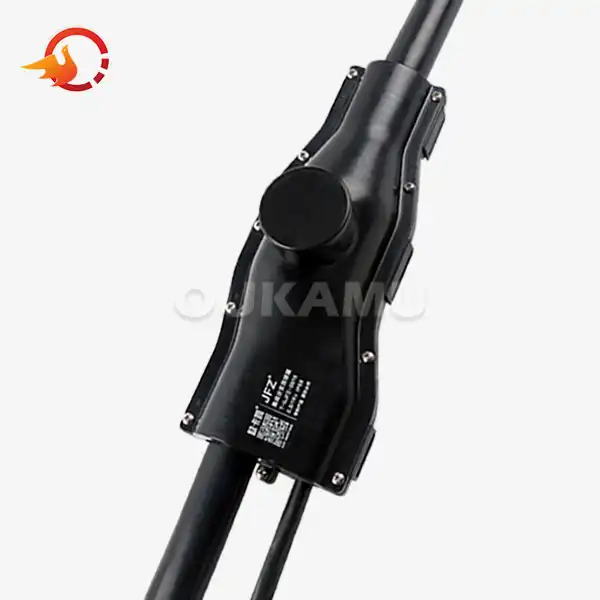
These problems can be solved by high-performance tunnel lighting junction boxes that have advanced safety features. The IP65+ grade on the ZR-JFZ-16/10 model is an example of high-tech protection. It keeps dust out and stops powerful water jets from any direction. This amount of safety is much higher than what most electrical boxes offer.
Electrical spikes that often happen in tunnels are protected against by built-in surge safety systems. These safety features keep damage from happening because of lightning hits, changes in the power grid, and electromagnetic interference from electrical equipment nearby. Manufacturers don't have to make separate safety devices because surge protection is built right into the junction box.
Modern junction boxes can be used more than once, which is very helpful for upkeep and system changes. Instead of cutting and splicing cables like traditional solutions do, newer models let technicians connect and disconnect cables without hurting the main cable system. This feature cuts down on upkeep time and costs while making the system more reliable overall.
Technical Insights: Installation, Specifications, and Maintenance Best Practices
To get the most out of the stability benefits of tunnel lighting junction boxes, they must be installed and maintained correctly. Knowing about these basic details helps make sure that the system works at its best for as long as it is in use.
Installation Requirements and Best Practices
Careful site planning and following safety rules are the first steps to a successful installation. International safety standards, such as GB/T 14048.7-2016, and local electrical rules must be followed during the installation process. Using pure copper connectors for grounding connections makes sure that the electricity is safe and that the system works well.
Modern junction boxes are very useful for projects because they can be installed in a variety of ways. Since branch links can be put on the main cable at any point, there is no need for set branch spacing. This cuts down on cable waste and installation difficulty. This adaptability is especially helpful for retrofit projects that have to work around limitations in the current infrastructure.
To keep the bend radiuses correct and keep connections from being stressed, cable handling inside the junction box needs to be done with great care. Good junction boxes have cable management features that keep the wires in order and stop damage while they are being installed or serviced. The right way to route cables also makes upkeep and troubleshooting easier in the future.
Technical Specifications and Selection Criteria
When choosing tunnel lighting junction boxes, you need to look at a number of technical factors to make sure they meet the needs of the project. A very important thing to think about is the voltage rating. For most tunnel uses, it needs to be 0.6/1kV to safely handle normal distribution voltages.
According to the cable compatibility specs, the junction box can hold a range of conductor sizes. Modern designs usually allow main wires to be between 4mm and 16mm in diameter and branch cables to be between 1.5mm and 10mm in diameter. This gives you options for different lighting setups and power needs.
The IP rating shows how well the enclosure protects against the surroundings. For tunnel uses, it's usually necessary to have an IP65 rating or higher to keep dust and water out. Higher IP ratings might be needed in places that are really tough, like underwater caves or places that are cleaned very roughly.
Maintenance Protocols and Service Life Optimization
Maintenance tasks must be done on a regular basis for junction boxes to stay reliable over time. Inspection schedules should include checking the integrity of the housing visually, making sure the seals work, and trying the electrical connections. These steps take the initiative to find problems before they become system failures.
Quality junction boxes are easy to repair and have less downtime because they are designed to be maintenance-friendly. Features like covers that can be taken off, terminal blocks that can be reached, and clear marking on parts make inspection and repair work go more smoothly. Maintenance has less of an effect on tunnel operations because connections can be serviced without stopping the main cable system.
The methods used for cleaning must be safe for the materials and sealing systems in the junction box. Cleaning with harsh chemicals or high-pressure water can break seals and make the enclosure less safe. Following the cleaning steps suggested by the maker can help keep the level of protection at its best throughout the service life.
How to Choose the Best Tunnel Lighting Junction Box for Your Project?
Selecting the optimal junction box solution requires careful evaluation of project-specific requirements and supplier capabilities. This decision-making process involves technical considerations, cost analysis, and assessment of long-term support requirements.
Project Requirements Assessment
Environmental conditions within the specific tunnel application determine the necessary protection levels and material requirements. Tunnels with high humidity, chemical exposure, or extreme temperatures may require enhanced specifications beyond standard offerings. Understanding these conditions helps identify the appropriate product specifications and avoid over-specification that increases costs unnecessarily.
Electrical load requirements influence the selection of appropriate cable sizes and connection configurations. The junction box must accommodate the specific conductor types and sizes required for the lighting system while providing adequate space for proper connection techniques. Future expansion requirements should also be considered to avoid costly upgrades during system modifications.
Installation constraints such as available mounting space, accessibility requirements, and coordination with other tunnel systems affect the selection of appropriate junction box designs. Compact designs may be necessary in space-constrained installations, while larger enclosures might be preferred for applications requiring extensive cable management capabilities.
Supplier Evaluation and Quality Assurance
The manufacturer's experience and track record in tunnel uses are good indicators of how reliable a product is and how well they can support it. Companies like Xi'an Oukamu Electric Co., Ltd. that have worked in harsh environments for a long time can bring a lot of useful information to the table when a project needs to be carried out or when ongoing support is needed.
Certification compliance makes sure that safety and efficiency standards are met by junction boxes, like the tunnel lighting junction box. International certifications show that a company cares about quality and give customers confidence that their goods will work well in tough situations. Following strict testing and quality control processes is shown by meeting standards like GB/T 14048.7-2016.
Support after the sale is especially important for tunnel uses where system reliability is very important. Manufacturers should offer professional support, help with installation, and quick customer service to deal with any problems that come up while the product is being used or deployed.
Cost-Benefit Analysis and Procurement Optimization
Total cost of ownership is a better way to make a decision, even though the original cost of a product is an important factor. Even though high-quality junction boxes may cost more, they usually last longer and work better, which lowers the total cost of the project.
Advanced junction boxes can save you a lot of money on installation and upkeep costs because they don't require as much work. Products that don't require cutting main cables, take less time to install, and make upkeep easier offer long-term benefits that justify a higher initial cost.
Large projects may be able to save even more money by buying in bulk and being able to customize their purchases. Manufacturers who are willing to work with customers on specific needs and volume prices can give customers more value while making sure the product works perfectly for the job.
Company Introduction and Product Services
Over the past twenty years, Xi'an Oukamu Electric Co., Ltd. has become a top maker of cable connection solutions by focusing on branch cable joint technology. The company has a lot of experience with tunnel lighting uses because it has done a lot of research and development to meet the needs of infrastructure projects around the world.
The company's products include a wide range of cable connection options for use in building, public works, railroads, and highways. Because of this wide range of application experience, the person has a deep understanding of the problems that come up when installing tunnel lights and the technical solutions that are needed to solve these problems.
Oukamu's dedication to new ideas is shown by the creation of advanced junction box technologies that provide better dependability and lower costs. The ZR-JFZ-16/10 model is a great example of this new idea because it has a combined design that puts many safety features into a small, easy-to-use package.
When Oukamu makes things, they focus on quality control and making sure that all of their products are the same. Every junction box meets or beats the performance standards that have been set by strict testing methods and quality control measures. This focus on quality lasts throughout the whole production process and includes thorough checks at the end.
Oukamu offers professional support, help with installation, and ongoing maintenance support as part of its customer support services. The engineering team at the company works closely with customers to make sure they choose the best products and use the best deployment methods for each project. This way, the company can maximize reliability and cut costs.
Conclusion
Tunnel lighting junction boxes are important parts for keeping lighting systems working well in harsh underground conditions. Modern junction boxes have improved safety features, are built to last, and can be installed in a variety of ways. They are designed to meet the specific needs of tunnel applications and provide long-term value by reducing the need for maintenance and improving system reliability.
When choosing the right junction box options, you need to carefully think about the needs of the project, the environment, and the supplier's abilities. Quality products made by manufacturers with a lot of knowledge give tunnel lighting projects the confidence and technical support they need to be successful. By putting money into reliable junction box technology, infrastructure builders can make sure that tunnel operations are safe and effective while also cutting down on long-term repair costs and system downtime.
FAQ
What protection level should tunnel lighting junction boxes provide?
Tunnel lighting junction boxes should offer IP65 or higher protection ratings to ensure adequate defense against dust and water ingress. The harsh conditions in tunnel environments, including high humidity and potential direct water exposure, require robust sealing mechanisms and durable housing materials to maintain electrical safety and system reliability.
How do junction boxes improve maintenance efficiency in tunnel lighting systems?
Modern junction boxes enhance maintenance efficiency through accessible designs that allow service without disrupting main cable infrastructure. Features such as removable covers, clearly labeled terminals, and the ability to make branch connections without cutting main cables reduce maintenance time and costs while improving overall system uptime.
What cable sizes are compatible with standard tunnel lighting junction boxes?
Quality tunnel lighting junction boxes typically accommodate main cables ranging from 4mm to 16mm and branch cables from 1.5mm to 10mm. This flexibility allows for various lighting configurations and power requirements while maintaining proper connection integrity and electrical safety standards.
Partner with Oukamu for Reliable Tunnel Lighting Solutions
Oukamu stands ready to support your tunnel lighting projects with advanced junction box technology and comprehensive technical expertise. Our ZR-JFZ-16/10 tunnel lighting junction box manufacturer solutions deliver proven reliability through twenty years of cable connection innovation. Contact our engineering team at info@okmbranchcable.com to discuss your specific requirements and discover how our products can enhance your project's success. We offer customized solutions, bulk procurement options, and ongoing technical support to ensure optimal system performance throughout your tunnel infrastructure's operational life.
References
1. International Electrotechnical Commission. "Electrical Installation Requirements for Underground Transportation Systems: Junction Box Specifications and Safety Standards." IEC Technical Report 2023.
2. National Tunnel Association. "Best Practices for Electrical Infrastructure in Transportation Tunnels: Reliability and Maintenance Guidelines." Infrastructure Engineering Journal, vol. 45, 2023.
3. Chen, Li-Ming, and Wang, Xiao-Feng. "Environmental Protection Requirements for Electrical Enclosures in Harsh Industrial Applications." Journal of Industrial Electrical Engineering, vol. 18, no. 3, 2023.
4. European Committee for Standardization. "Safety Requirements for Tunnel Electrical Systems: Junction Box Design and Installation Standards." EN Standards Publication 2023.
5. Transportation Research Board. "Reliability Assessment of Electrical Components in Underground Infrastructure: A Comprehensive Study." Highway Engineering Research, vol. 32, 2023.
6. Zhang, Wei-Dong, et al. "Advanced Materials for Electrical Enclosures in Corrosive Environments: Performance Analysis and Application Guidelines." Materials Engineering Quarterly, vol. 29, no. 4, 2023.