

_1790150425011.webp)
How to connect low voltage wires?






 2025-11-27 11:35:00
View:389
2025-11-27 11:35:00
View:389Connecting low voltage wires is a crucial skill for anyone working with electrical systems, whether in residential, commercial, or industrial settings. Proper connections not only ensure the safety and efficiency of the electrical circuit but also help maintain long-term reliability, reducing the likelihood of performance issues or costly repairs. Because low voltage systems are commonly used in security installations, lighting, telecommunications, audio setups, and control systems, mastering these procedures benefits both professionals and DIY enthusiasts. In this comprehensive guide, we'll walk you through the process of connecting low voltage wires, discuss the necessary tools and materials, and explore efficient techniques to achieve reliable connections.

Step-by-Step Guide to Connecting Low Voltage Wires
Connecting low voltage wires requires attention to detail and adherence to safety protocols. Even though low voltage systems typically carry less electrical risk than high-voltage networks, they still demand precision to ensure functionality. Follow these steps to ensure a secure and efficient connection:
Prepare the Wires
Begin by stripping the insulation from the ends of the wires you want to connect. Use a wire stripper to remove about 1/2 inch of insulation, exposing the copper conductor. When stripping wires, avoid damaging or cutting any of the fine copper strands, as this can weaken the connection or reduce conductivity. Taking your time during this step ensures a more durable final result.
Choose the Appropriate Connection Method
Depending on your application, select the most suitable connection method. Each option comes with its own advantages:
- Twist-on wire connectors (wire nuts): Ideal for quick, tool-free connections in common low voltage applications.
- Crimp connectors: Provide strong, vibration-resistant connections, often used in automotive, industrial, and professional wiring work.
- Soldering: Offers a permanent and highly conductive bond, frequently used in electronics or when maximum reliability is required.
- Terminal blocks: Great for organized, modular installations where wires may need to be changed later.
- Insulation displacement connectors (IDCs): Useful for fast, repeatable connections without stripping insulation.
Choosing the right method ensures that the connection is both mechanically secure and appropriate for the system’s demands.
Make the Connection
For twist-on connectors:
- Align the stripped wire ends side by side.
- Twist the wires together clockwise until they hold firmly.
- Place the wire nut over the twisted wires and turn clockwise until snug. A properly installed wire nut should not pull off.
For crimp connectors:
Insert the stripped wire ends into the crimp connector, ensuring they reach the metal barrel.
- Use a crimping tool to compress the connector onto the wires. Check the connection by gently pulling to confirm it’s secure.
- If using solder, apply heat evenly with a soldering iron until the solder flows smoothly into the joint, then allow it to cool before insulating.
Insulate the Connection
After making the connection, ensure it’s properly insulated. Options include electrical tape, heat shrink tubing, or pre-insulated connectors like those offered by OUKAMU. Proper insulation prevents shorts, minimizes corrosion, and improves longevity—especially in environments exposed to moisture, dust, or vibration.
Test the Connection
Use a multimeter to verify continuity and proper voltage across the connection. This step is crucial for ensuring the safety and functionality of your low voltage system. Testing helps identify loose joints, polarity issues, or wiring mistakes prior to powering up the system.
Tools and Materials Needed for Low Voltage Wires
Having the right tools and materials at hand is essential for successful low voltage wire connections. High-quality tools not only improve efficiency but also reduce the risk of damaging sensitive wiring.
Essential Tools
- Wire strippers
- Crimping tool
- Multimeter
- Needle-nose pliers
- Wire cutters
- Screwdrivers (flathead and Phillips)
- Optional Tools
- Soldering iron and solder
- Heat gun (for heat shrink tubing)
- Cable tester for structured wiring systems
Materials
- Twist-on wire connectors (wire nuts)
- Crimp connectors
- Terminal blocks
- Electrical tape
- Heat shrink tubing
- Zip ties or cable organizers
OUKAMU offers a range of high-quality connectors and tools specifically designed for low voltage applications, ensuring reliable and efficient connections.
Techniques for Efficient Low Voltage Wire Connections
Mastering efficient techniques for connecting low voltage wires can save time and improve the overall quality of your electrical installations. Here are some advanced methods and tips:
Modular Connectors
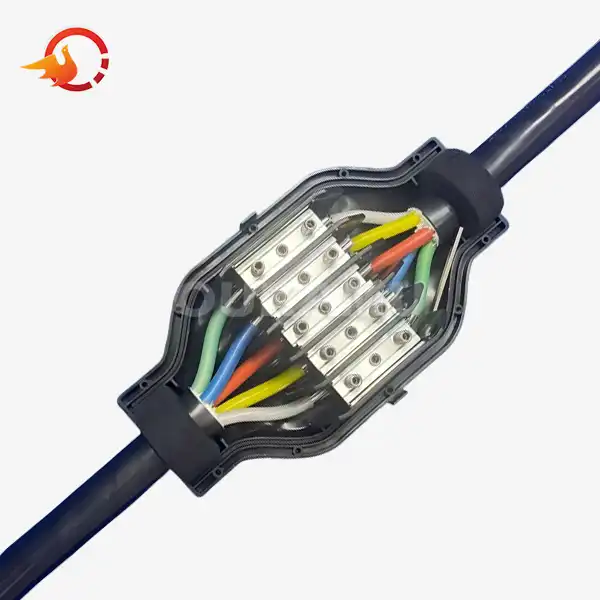
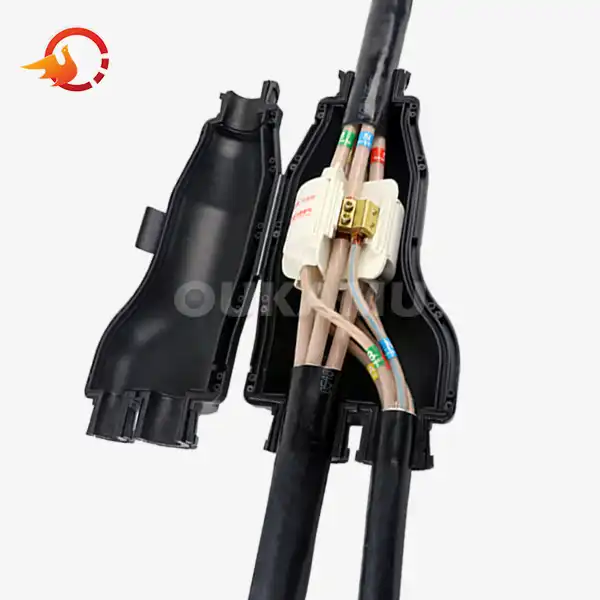
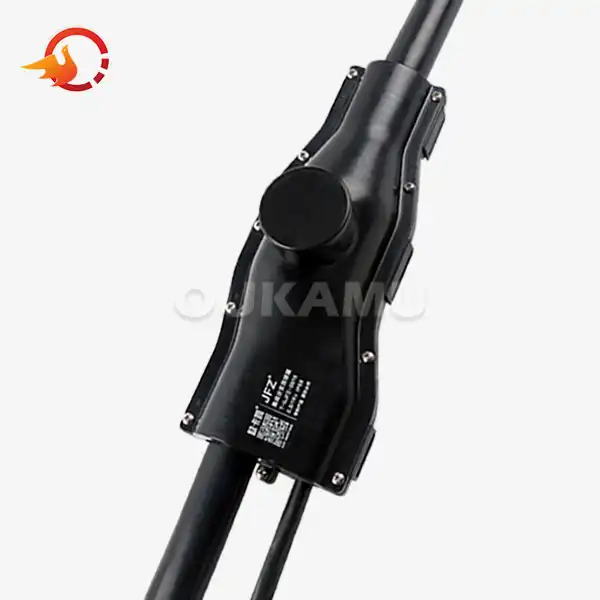
Modular connectors, such as those provided by OUKAMU, offer a quick and reliable way to connect low voltage wires. Their plug-and-play design simplifies installation and supports easy reconfiguration, making them ideal for systems that may evolve over time.
Insulation Displacement Connectors (IDCs)
IDCs provide a fast and secure method for connecting wires without stripping insulation. These connectors use sharp metal blades to pierce the insulation and reach the conductor, making them suitable for high-volume installations such as telecom or control wiring.
Pre-Insulated Connectors
OUKAMU’s pre-insulated connectors combine the connection and insulation steps into a single motion, improving consistency and saving installation time. These connectors are especially useful in tight spaces where traditional methods may be difficult to apply.
Color Coding
Implementing a color-coding system helps simplify identification and troubleshooting. Whether following standard color conventions or using custom codes for unique systems, this practice greatly reduces confusion during installation and maintenance.
Proper Cable Management
Organize your low voltage wires using cable ties, clips, or trays. Neat cable management improves airflow, reduces accidental disconnections, and ensures a professional appearance.
Documentation
Maintain detailed documentation of your connections, including diagrams, labels, and notes. Clear documentation becomes invaluable during maintenance, expansion, or troubleshooting.
Regular Maintenance
Periodically inspecting and testing connections helps ensure they remain tight, corrosion-free, and fully functional. Preventive checks extend the life of your system and help avoid unexpected failures.
Continuous Learning
Stay informed about new technologies, standards, and connector designs. Manufacturers like OUKAMU frequently introduce innovations that make installations safer, faster, and more dependable.
Conclusion
Connecting low voltage wires is a fundamental skill that requires precision, knowledge, and the right tools. By following the step-by-step guide, using appropriate materials, and applying efficient connection techniques, you can ensure safe and reliable performance in any low voltage system. Always prioritize safety and comply with local electrical codes when working with electrical installations.
For high-quality low voltage wire connectors, tools, and expert support, consider partnering with a reputable manufacturer like OUKAMU. With comprehensive product lines and proven expertise, OUKAMU is well-equipped to meet a wide range of electrical connection needs. For more information or assistance, contact us at info@okmbranchcable.com.
FAQs
Q: How does OUKAMU's cable joint technology improve electrical safety in hospitals?
A: OUKAMU's innovative cable joint technology, as implemented in Mengchao Hepatobiliary Hospital of Fujian Medical University, provides a safer and more efficient electrical connection solution. The technology allows flexible on-site branch connections, features an integrated design for reliability, and offers a compact, adaptable structure suitable for complex healthcare environments where electrical safety is critical.
Q: What are the advantages of OUKAMU's cable branch technology?
A: OUKAMU’s cable branch technology offers numerous benefits, including on-site flexibility, integrated structure, compact form factor, cost-efficiency, and long-lasting durability. It provides insulation, flame retardancy, fire resistance, dustproofing, anti-aging, and anti-electrochemical corrosion properties—making it ideal for demanding environments such as hospitals, industrial facilities, and large-scale commercial buildings.
References
1. Smith, J. (2022). Low Voltage Wiring Techniques: A Comprehensive Guide. Electrical Engineering Quarterly, 45(2), 78-92.
2. Johnson, A., & Brown, T. (2021). Safety Protocols in Low Voltage Electrical Installations. Journal of Industrial Safety, 33(4), 210-225.
3. Electrical Contractors Association. (2023). Best Practices for Low Voltage Wire Connections. ECA Technical Bulletin, 17(3).
4. Wilson, R. (2020). Advancements in Low Voltage Connector Technology. Power Systems Technology, 28(1), 55-70.
5. Lee, S., & Davis, M. (2022). Efficient Cable Management Strategies for Low Voltage Systems. Building Services Engineering Research and Technology, 43(6), 721-735.