
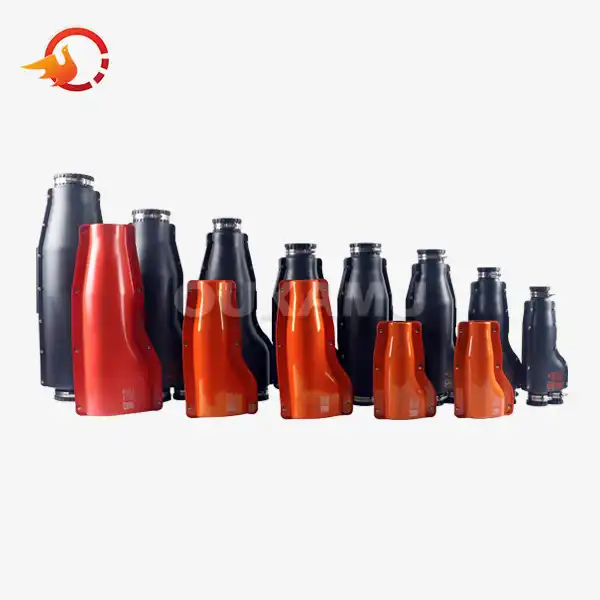
Low-voltage Branch Cables






Specialised in branch cable joints for 20 years
Insulated, flame retardant, fire resistant, waterproof, wide range of uses
Suitable for main cable 4~16mm, branch cable 1.5~10mm
Rated voltage 0.6/1kV
Advanced technology, reusable
No need to cut the main cable, no need to reserve lengths
Flexible installation position
Saves 2-3 metres ofmain cable, labour costs and time
Comprehensive cost can be reduced by 300%~500%, high cost performance.
Low-voltage Branch Cables: Professional T-Connection Solutions for Modern Power Distribution
Xi'an OUKAMU Power Technology specializes in Low-voltage Branch Cables with over 20 years of technical expertise. Our NH-JFZ-16/10 series delivers integrated branch connection solutions backed by 150+ national invention patents. Supporting main cables from 4-16mm² and branch cables from 1.5-10mm², rated at 0.6/1kV, our products eliminate the need to cut main conductors. This innovation saves 2-3 meters of cable per installation point while reducing comprehensive costs by 300-500% compared to traditional methods.
What Are Low-voltage Branch Cables?
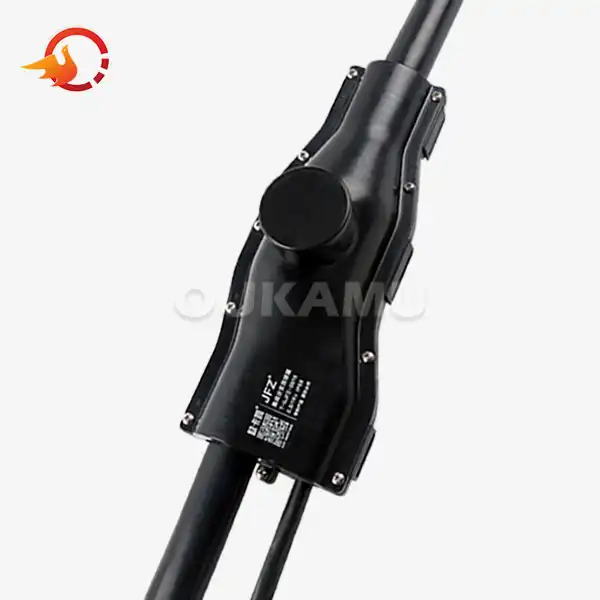
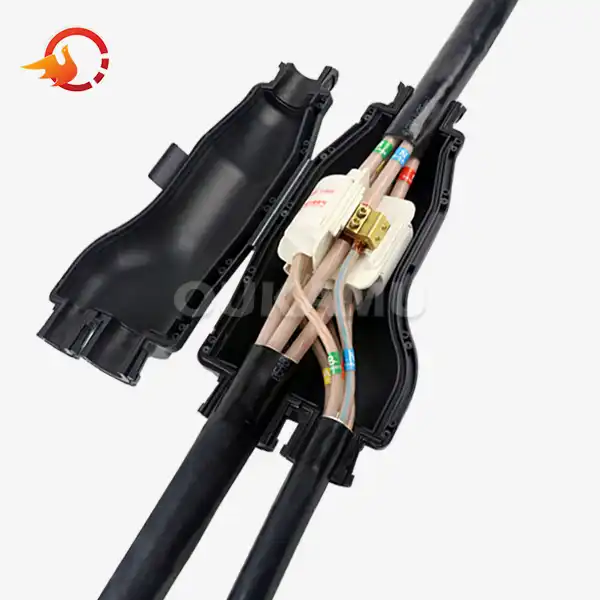
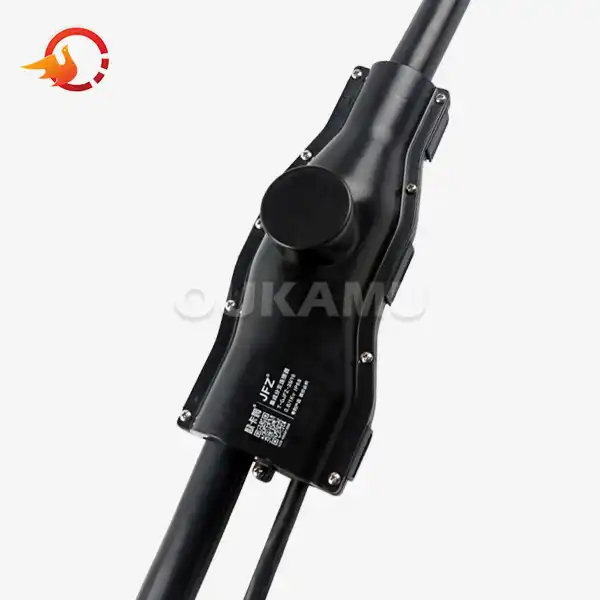
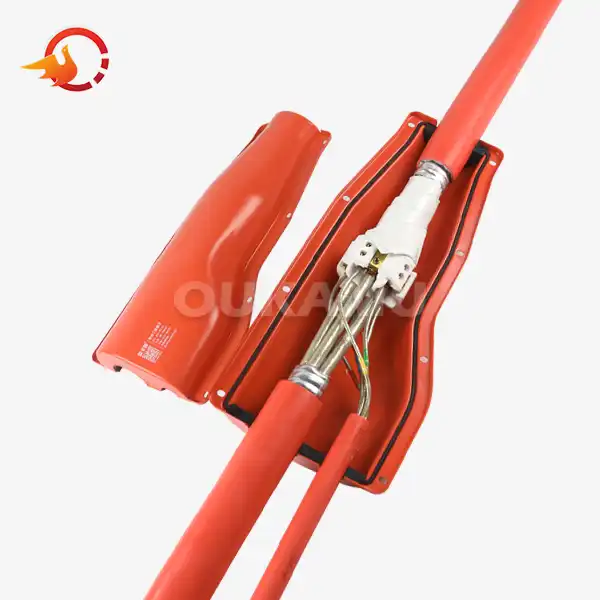
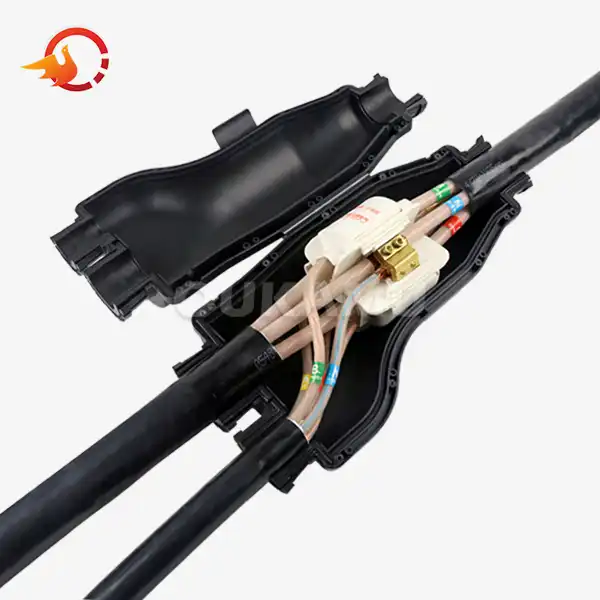
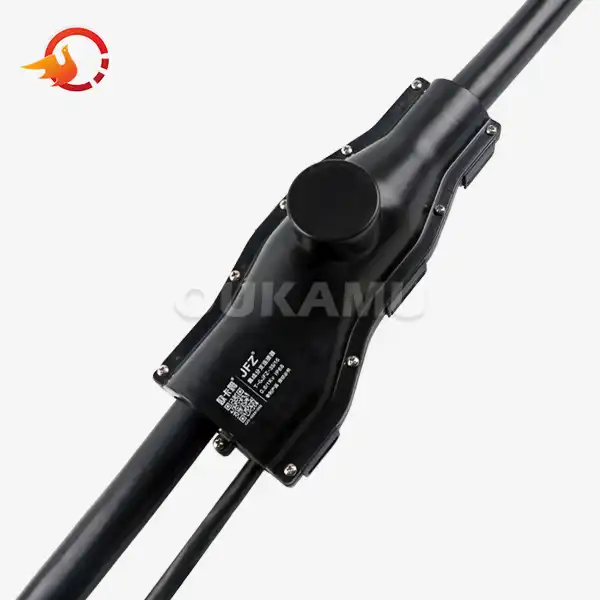
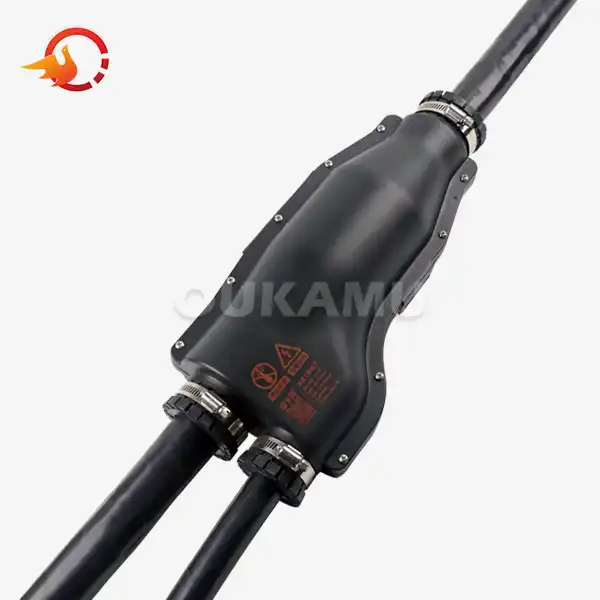
Low voltage branch cable joints are special electrical connectors that enable T-connections to be made in power distribution systems without interrupting the main cable conductor. They keep trunk lines intact but allow flexible branch connections anywhere you want to.
Our branch joint solutions utilise resin encapsulation for electrical insulation and mechanical protection. The design is capable of carrying the same current as main cables and has IP68-rated waterproof sealing for severe settings.
Conventional junction boxes require cutting and splicing of cables, while new branch cable technology enables for on-site installation without pre-measuring or customisation. Such adaptability greatly minimises the time and labour involved in installation.
Key Technical Features
Uncut Main Cable Design
The patented connection system keeps main cable conductors intact. You don't need to strip or cut trunk lines, which maintains full load capacity and mechanical strength throughout the distribution network.
This approach reduces failure points in your electrical system. Traditional cut-and-splice methods create weak points that may fail under thermal cycling or mechanical stress.
Multi-Protection Performance
|
Protection Type
|
Performance Level
|
Application Scenario
|
|
Flame Retardant
|
Self-extinguishing
|
Industrial plants, commercial buildings
|
|
Waterproof
|
IP68 rating
|
Underground burial, cable wells
|
|
Fire Resistant
|
High-temperature stability
|
Critical power supply circuits
|
|
Insulation
|
0.6/1kV rated voltage
|
Standard LV distribution systems
|
Flexible Installation Advantages
Branch positions can be adjusted freely during on-site construction. You determine connection points based on actual requirements rather than pre-planned measurements.
Installation requires minimal tools and basic electrical skills. The reusable design supports future modifications or expansions without replacing entire cable runs.
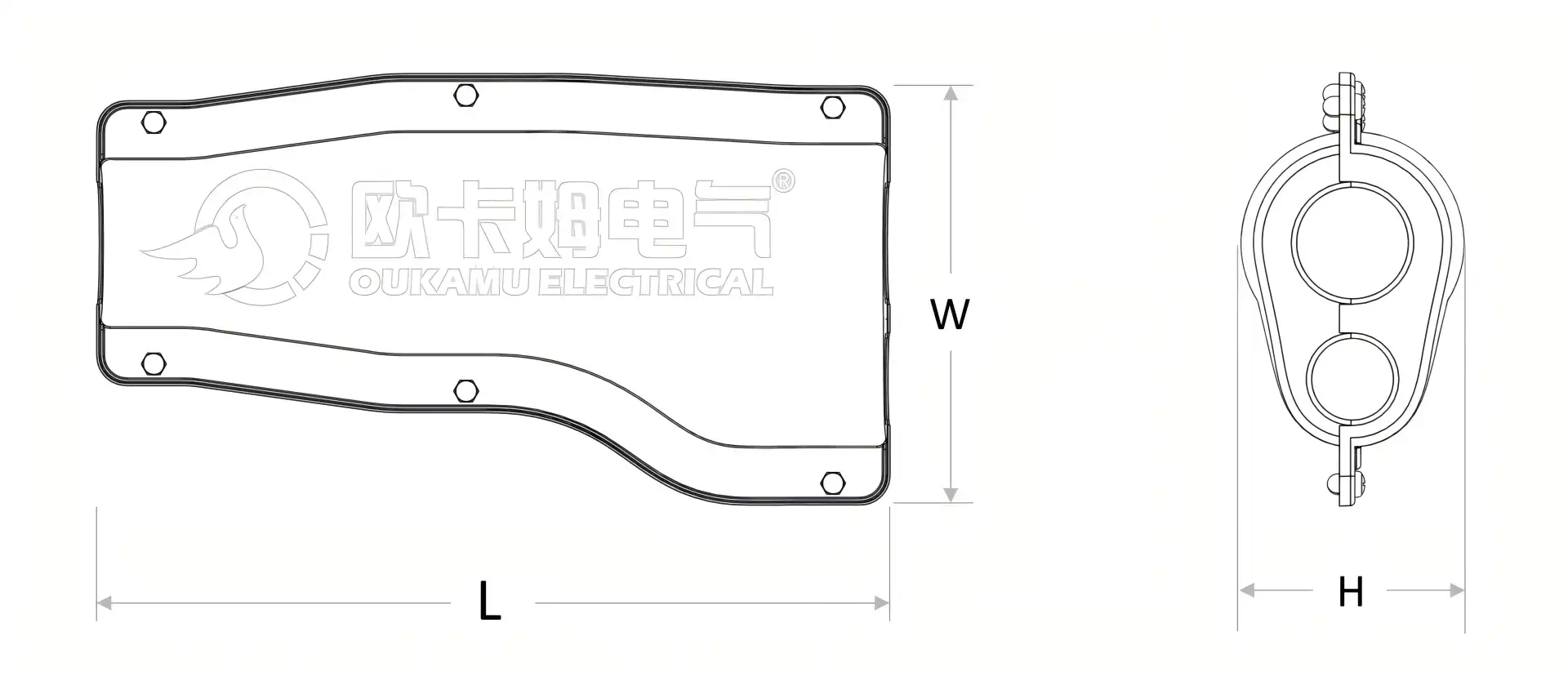
Parameters
|
MODEL
|
Specification (cross-sectional area of cable core conductors (mm²)
|
Technical Parameters
|
|||
|
Main Cable
(2~5 Cores)
|
Branch Cable
(2~5 Cores)
|
Rated Voltage(kV)
|
Rated Current(A)
|
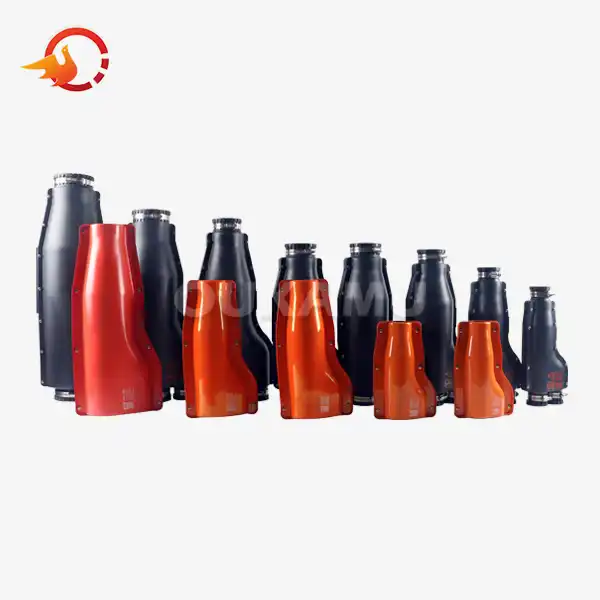
Size
L*W*H(mm)
|
|
|
Copper Core
|
|||||
|
FH-JFZ-16/10
|
4~16
|
1.5~10
|
0.6/1
|
72
|
210*140*65
|
|
FH-JFZ-35/16
|
10~35
|
2.5~16
|
0.6/1
|
95
|
300*160*80
|
|
FH-JFZ-70/35
|
25~70
|
2.5~35
|
0.6/1
|
150
|
415*170*85
|
|
FH-JFZ-50/35
|
16~50
|
2.5~35
|
0.6/1
|
150
|
415*190*105
|
|
|
|||||
|
NH-JFZ-16/10
|
4~16
|
1.5~10
|
0.6/1
|
72
|
220*110*65
|
|
NH-JFZ-35/16
|
10~35
|
2.5~16
|
0.6/1
|
95
|
300*125*85
|
|
NH-JFZ-70/35
|
25~70
|
2.5~35
|
0.6/1
|
150
|
360*135*90
|
|
NH-JFZ-50/35
|
16~50
|
2.5~35
|
0.6/1
|
150
|
415*185*100
|
Installation Steps
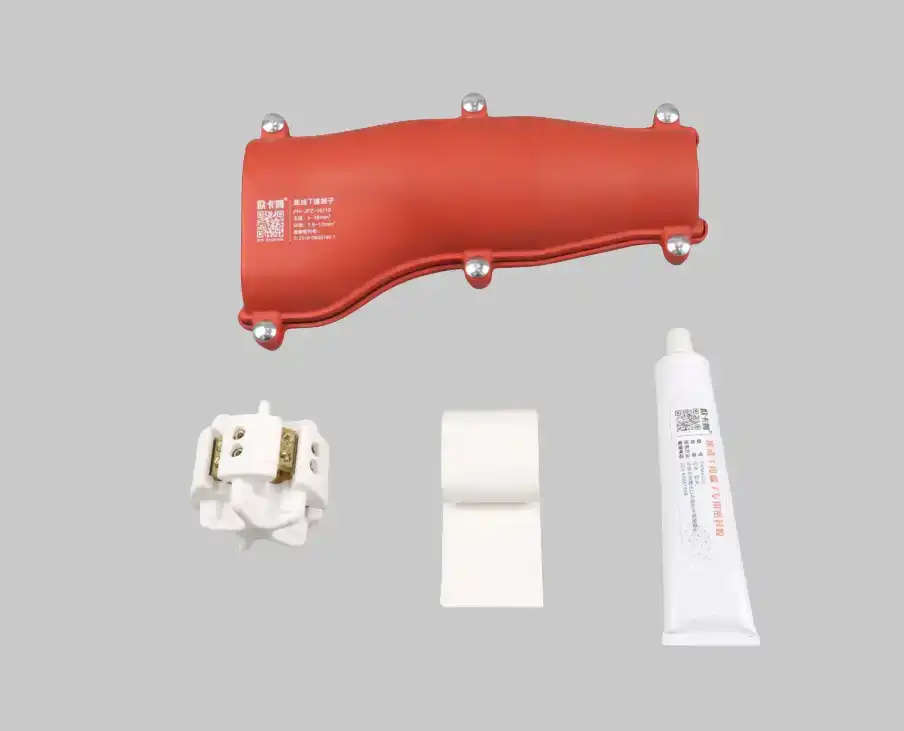
1.Tools
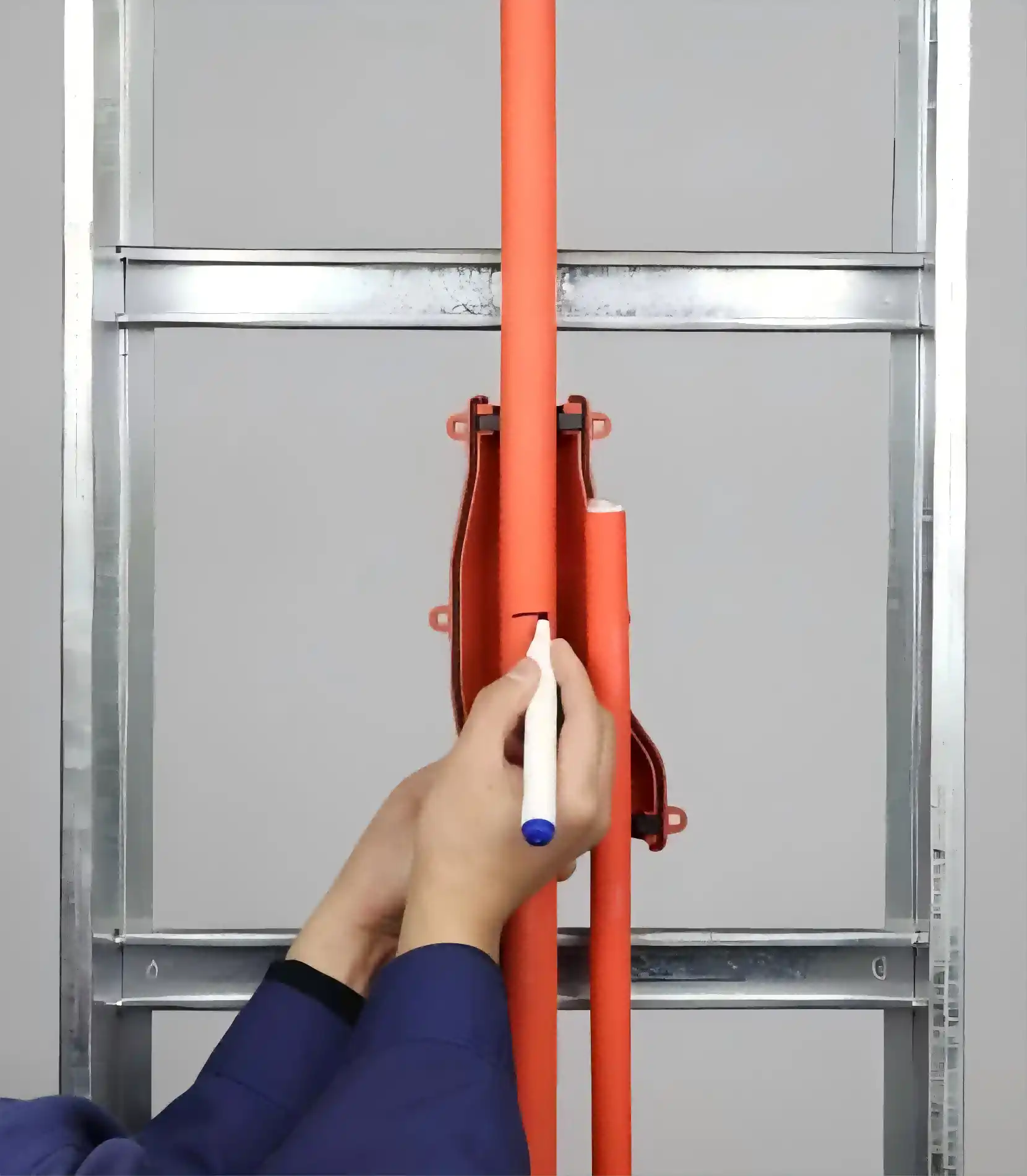
2.Determine the installation location
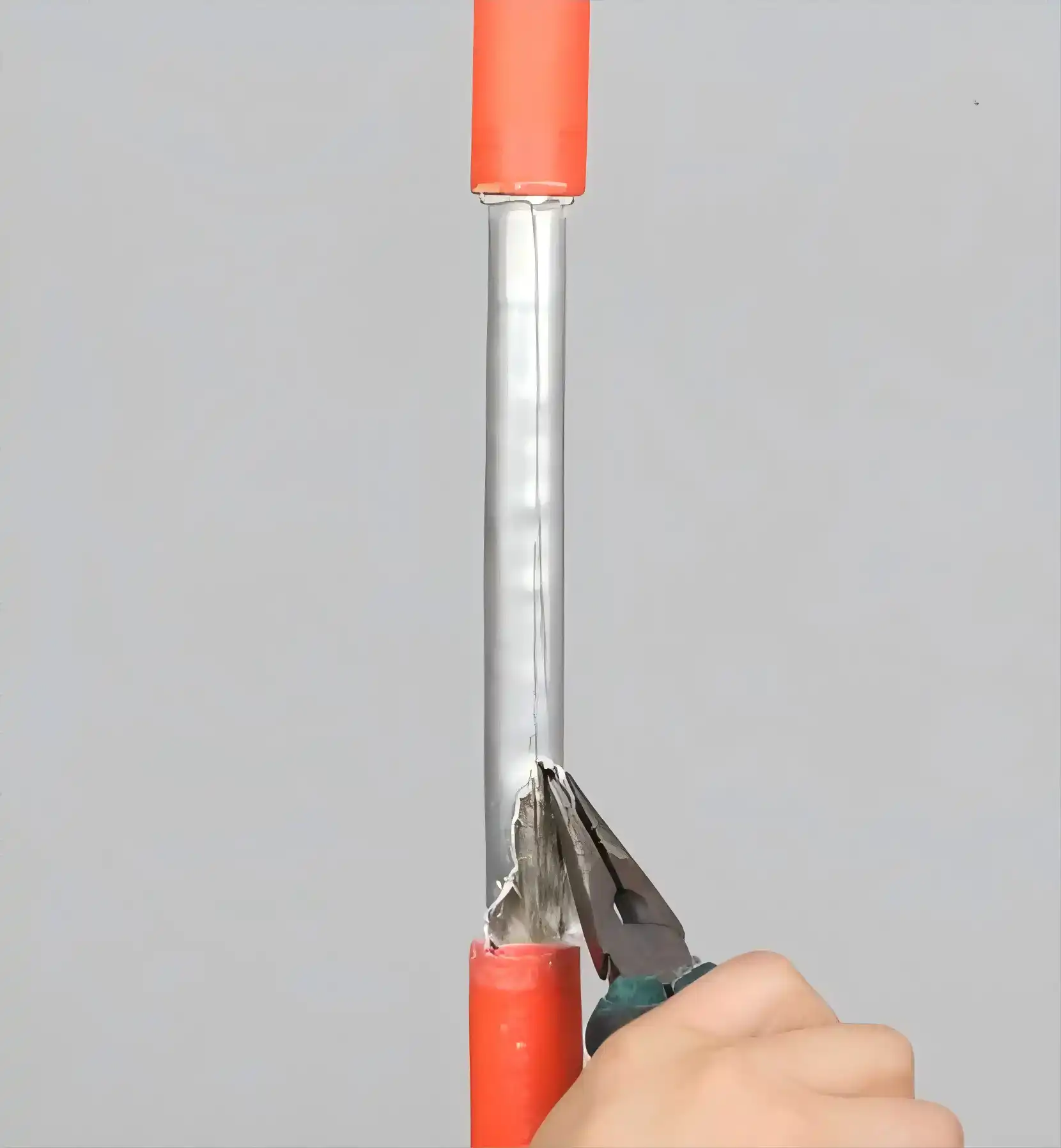
3.Strip the outer sheath and metal layer
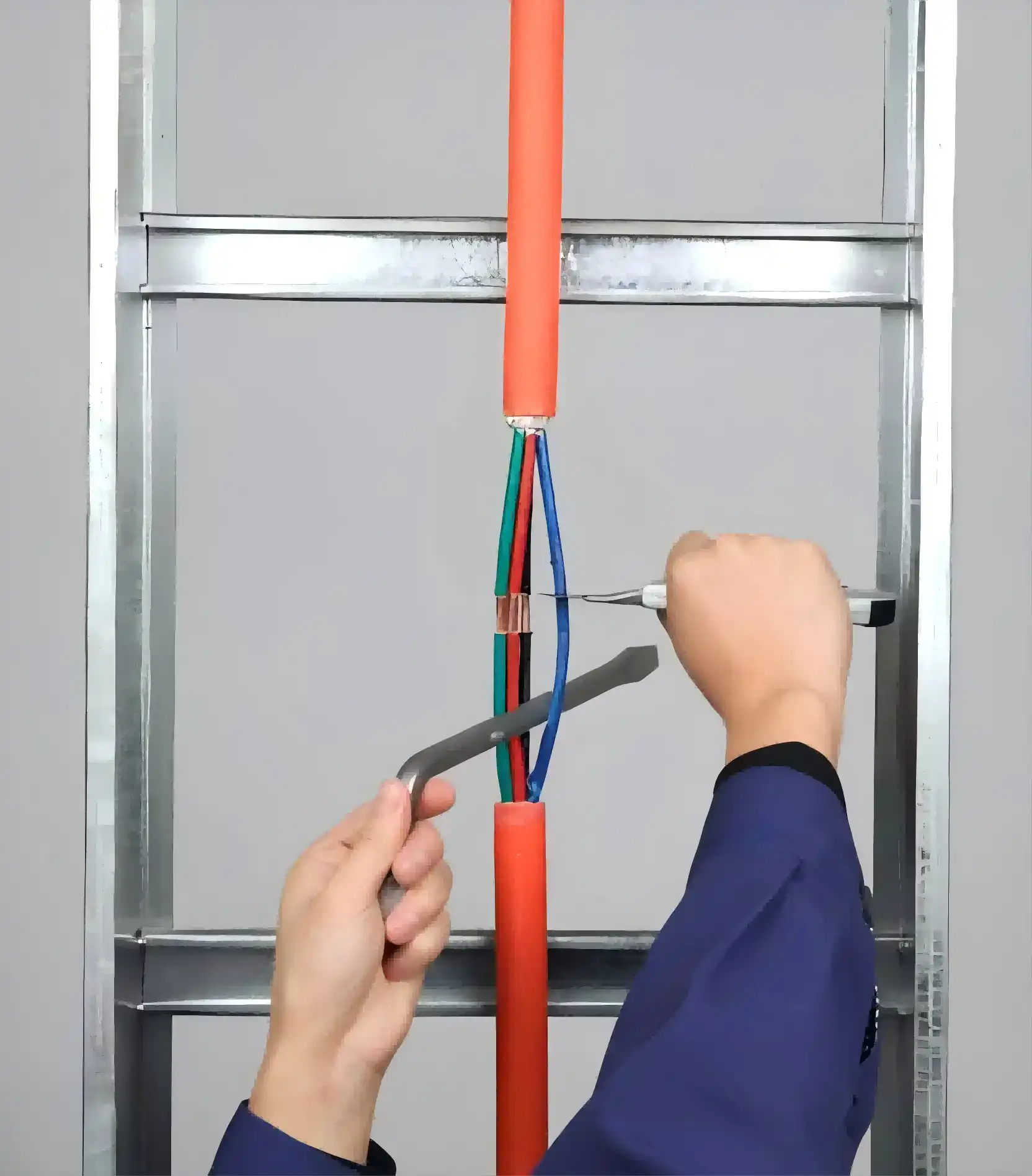
4.Stripping of main cable insulation
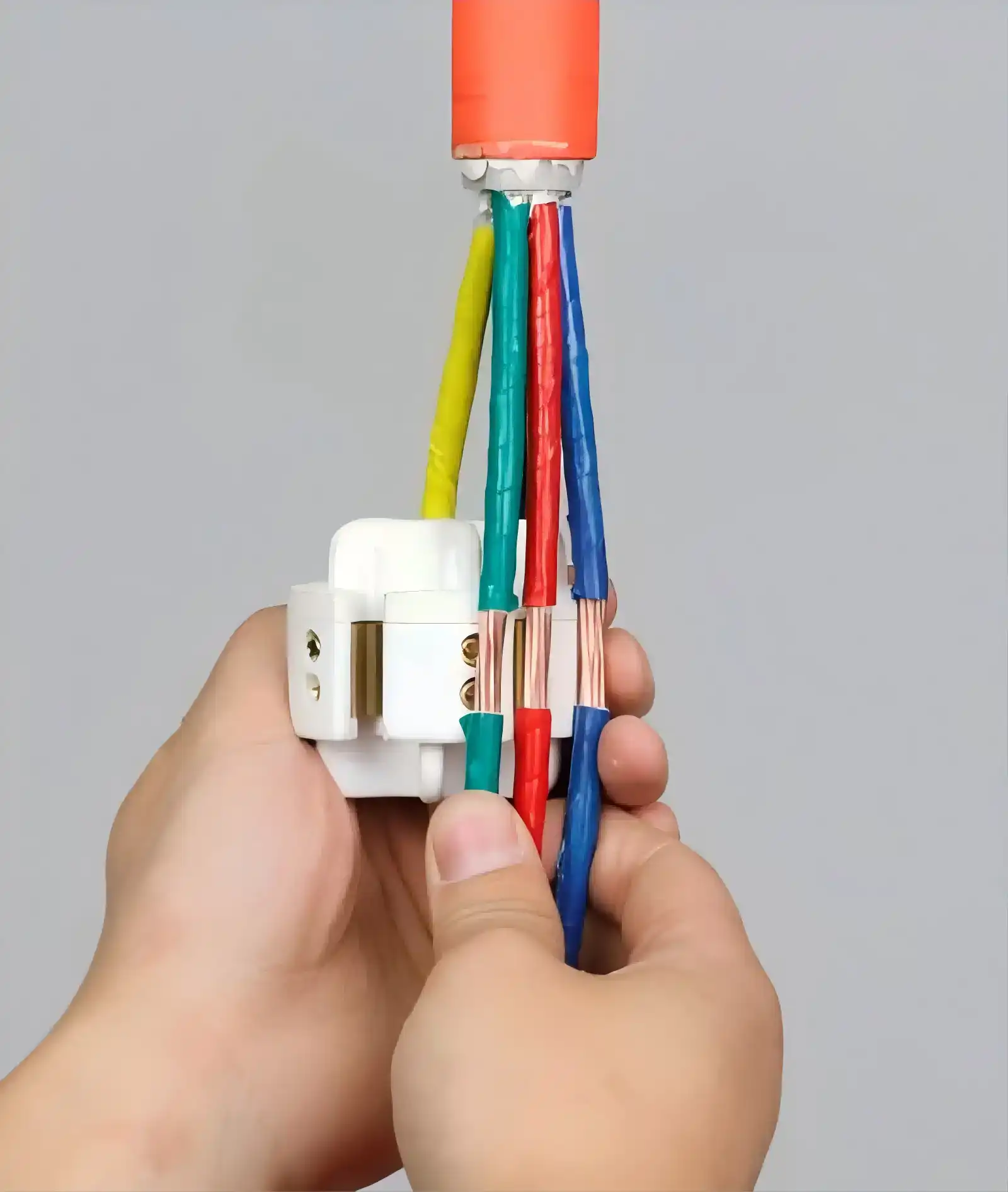
5.Install the branch cable body
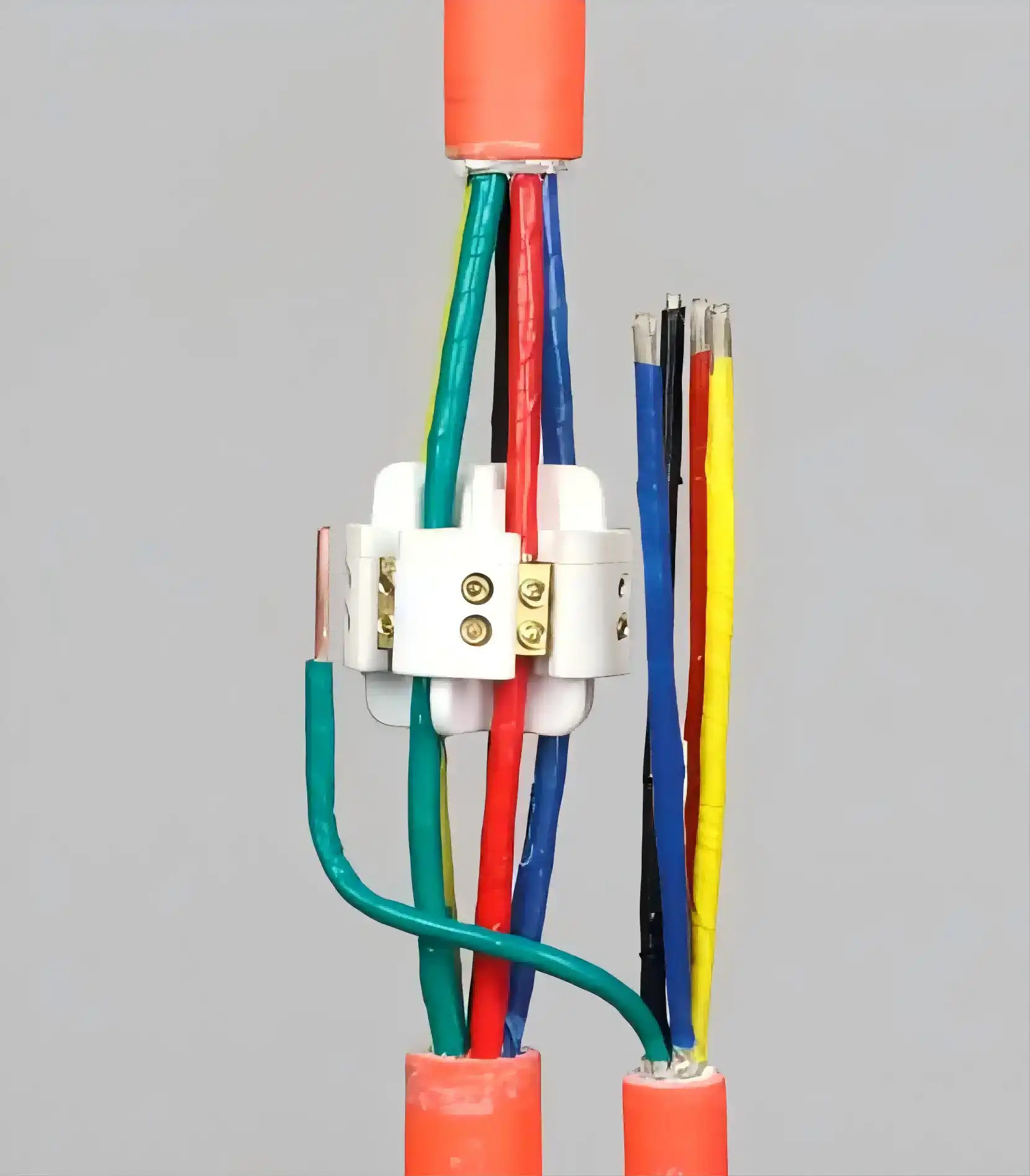
6.Install the branch cables
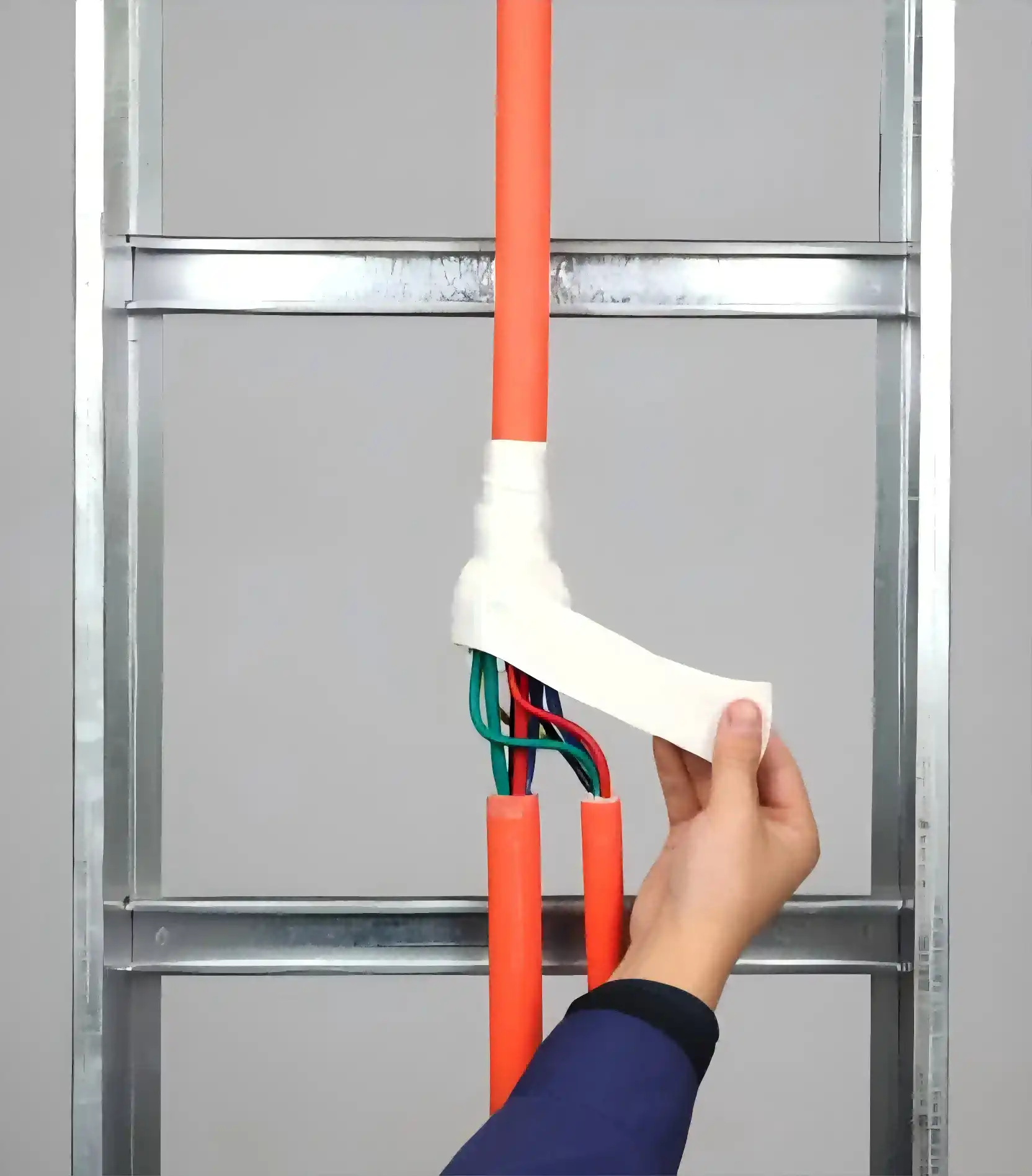
7.Wrap insulation refractory adhesive
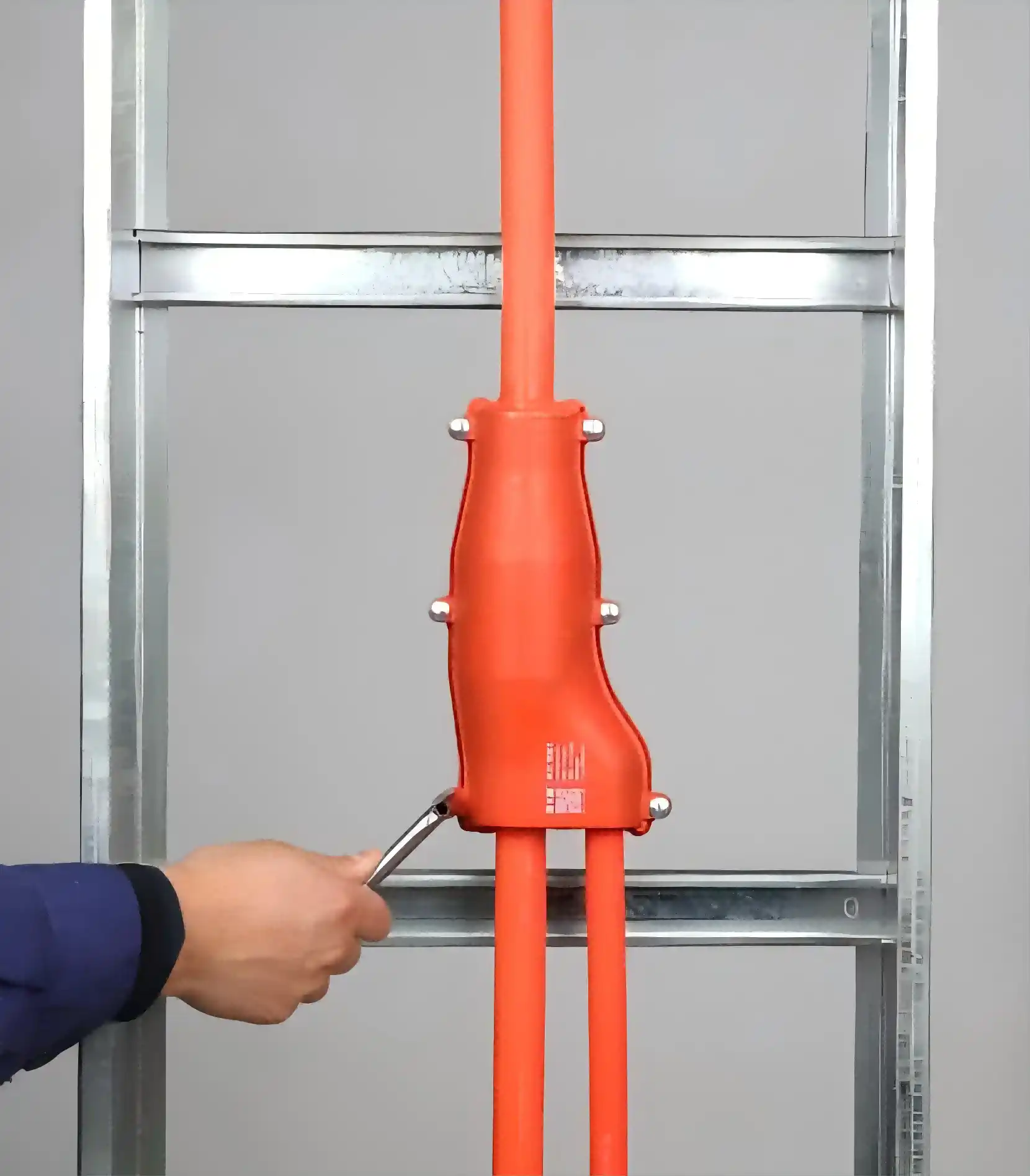
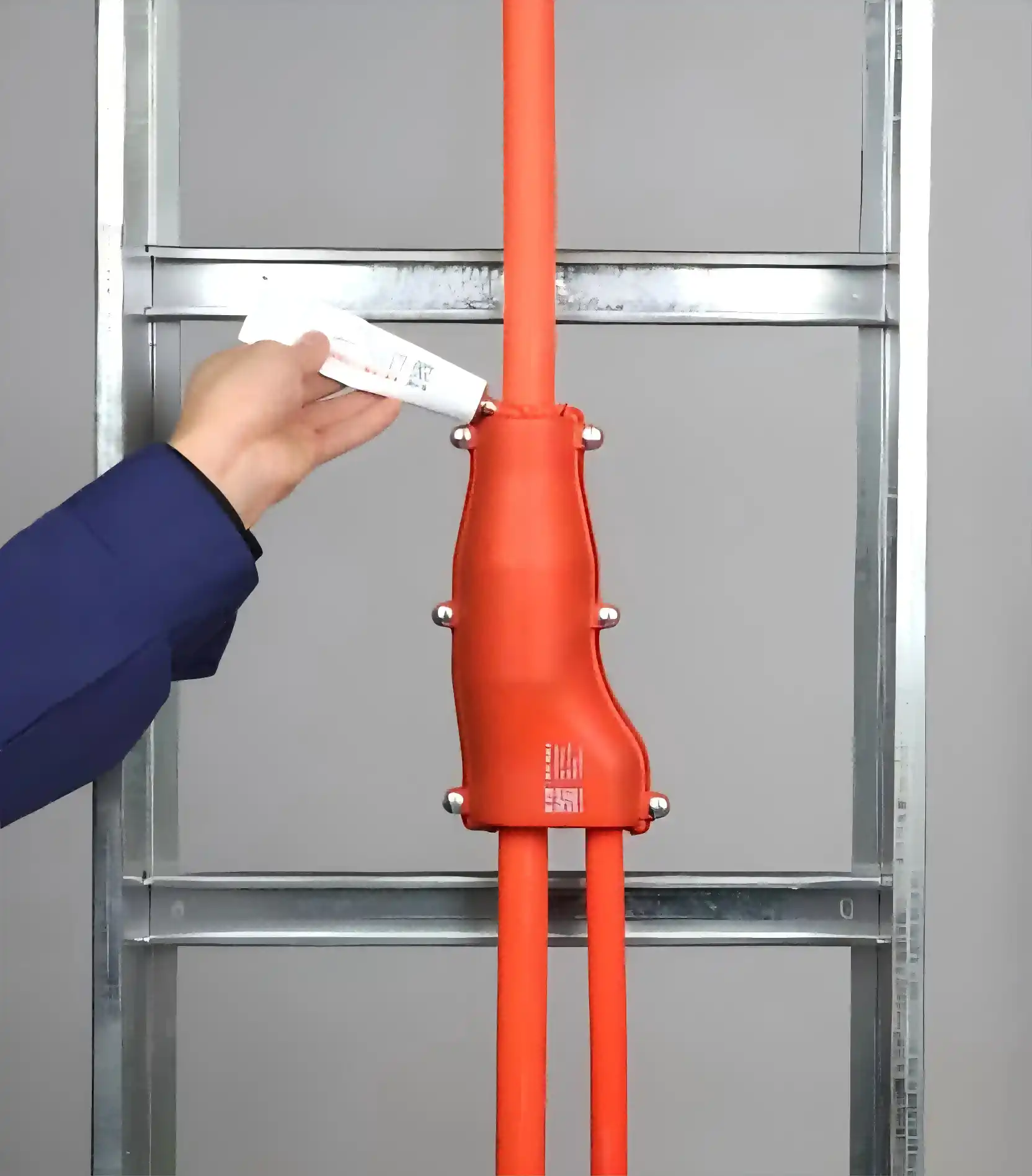
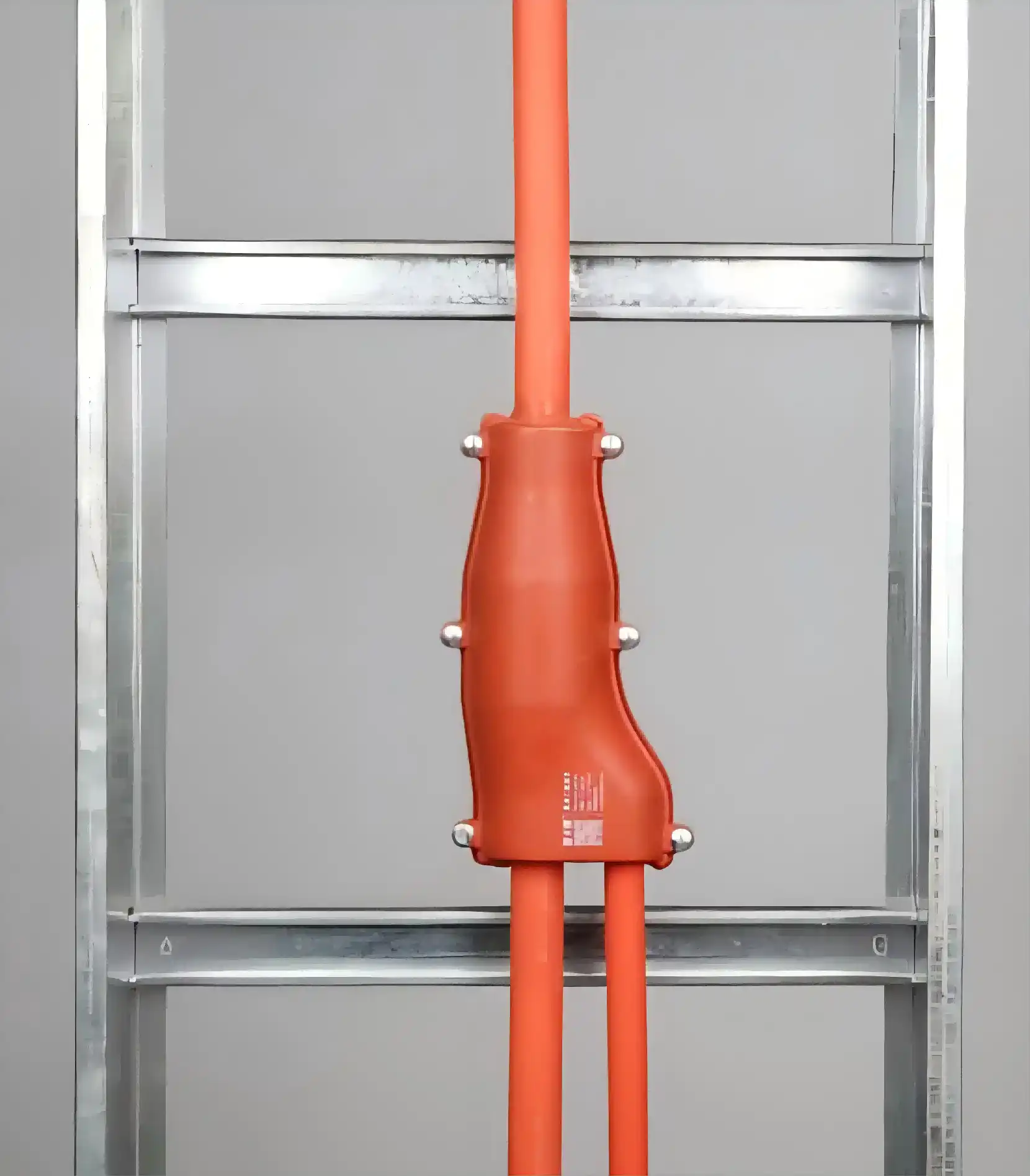
9.Lock and glue the cable outlet
Application Scenarios
Distribution Systems Underground
Low-voltage Branch Cables are ideal for direct burial applications where waterproof performance is required. IP68-rated housing protects cable wells and subterranean conduits against moisture infiltration
Our products have been demonstrated to be reliable in important infrastructure projects such as the Hong Kong-Zhuhai-Macao Bridge and several metro systems in China.
Power Distribution Building
Space-saving branch joint designs are beneficial for commercial buildings, residential complexes and industrial facilities. The compact design enables optimisation of cable tray configurations and reduction of installation capacity requirements.
Branched fast without disturbing existing circuits, cable risers, horizontal distribution runs, and equipment rooms.
Tunnels and Transportation Systems
Maintenance-free solutions are needed for railway systems, highway tunnels and public transit infrastructure. Our resin encased joints are long term stable and require no routine maintenance.
The flame retardant and fire resistant versions comply with the high safety standards for enclosed public places.
Installation Benefits and Cost Analysis
Material and Labor Savings
Each branch connection point saves 2-3 meters of main cable that traditional methods would require for junction box access. Across large projects, this reduces copper consumption significantly.
Installation time decreases by 40-60% compared to cut-and-splice techniques. You need fewer skilled electricians and complete projects faster.
Comprehensive Cost Reduction
The total economic advantage reaches 300-500% when accounting for:
· Reduced cable material costs
· Lower labor expenses
· Faster project completion
· Minimal maintenance requirements
· Extended system lifespan
Reusable and Upgradeable
The advanced connection mechanism allows disassembly and reinstallation. When you modify distribution layouts or expand systems, existing branch joints can relocate to new positions.
This reusability provides long-term value beyond initial installation savings.
Quality Assurance and Global Standards
Our manufacturing processes comply with international electrical standards including IEC 60502 for power cables and IEC 60228 for conductor specifications. Each product undergoes rigorous testing for:
· Insulation resistance (>1MΩ per IEC 60364-6-61)
· Waterproof integrity (24-hour immersion per IEC 60529)
· Thermal cycling performance (-40°C to +90°C)
· Flame propagation resistance
With over 150 invention patents and successful deployment in 10,000+ projects, OUKAMU technology represents proven reliability for critical power distribution applications.
FAQ
Q: Can branch joints be installed on energized cables?
A: No, always de-energize circuits before installation. Follow lockout-tagout procedures and verify zero voltage with proper testing equipment before beginning work.
Q: What cable types are compatible with your branch joint systems?
A: Our products work with PVC, XLPE, and polymeric insulated cables. Both stranded and solid copper conductors are supported. The resin formulation provides excellent adhesion to all common insulation materials.
Q: How do I select between flame-retardant, waterproof, and fire-resistant models?
A: Choose based on installation environment. Waterproof (IP68) models suit underground and wet locations. Flame-retardant versions meet building code requirements for indoor installations. Fire-resistant types are mandatory for critical circuits requiring continued operation during fire events.
Q: What is the expected service life of the products?
A: Properly installed joints match or exceed the rated life of connected cables, typically 20-30 years. The sealed design prevents environmental degradation that shortens lifespan in traditional junction boxes.
Q: Do branch joints require periodic inspection or maintenance?
A: The maintenance-free design requires no routine servicing. Include branch connections in standard electrical system inspections using thermal imaging and insulation resistance testing at intervals specified by local codes.
Q: Can one main cable support multiple branch connections?
A: Yes, you can install multiple branch joints along a single trunk cable. Maintain appropriate spacing per electrical code requirements and ensure total connected load doesn't exceed main cable ampacity.
Contact OUKAMU for Expert Support
Ready to optimize your Low-voltage Branch Cables distribution system? Email us at info@okmbranchcable.com for product selection guidance and project consultation.