

_1790150425011.webp)
Guide to selecting the right resin cable joint for power distribution






 2026-05-26 10:56:26
View:389
2026-05-26 10:56:26
View:389Picking the right way to connect the wires is important for power distribution systems to work well. A Resin Cable Joint is an important part of low- and medium-voltage networks because it protects against electrical interference, machinery damage, and the environment. With this help, you'll know what to think about when buying something to get the best performance, price, and long-term stability. It starts with an explanation of the different kinds of joints and ends with a look at the providers. You can use this guide to make the choice process easier and find solutions that meet both technical needs and business goals. It doesn't matter if you're in charge of an electrical store's inventory, looking for parts for project contractors, or researching new product lines for your e-commerce platform.

Understanding Resin Cable Joints: Key Concepts and Types
Cable connections made of Resin Cable Joint are safe and waterproof ways to connect main and branch lines without cutting the main line. These items are not like other ways of joining things together because they have insulation, closing, and motor safety all in one small unit. This makes a link that can withstand water, high and low temperatures, and physical stress for decades and still work electrically.
What Makes Resin Cable Joints Different
In a normal cable split, the main wire has to be taken apart to get to the conductors. Then, a lot of insulation and covering materials have to be put on top of it. This process goes faster with Resin Cable Joint because the housings are already made and filled with gel or resin materials that keep the wires from touching each other. Air and moisture are pushed out of the way by the gel or glue around the connection point, making a tight seal.
By using this method, startup time is cut down, mistakes can't happen during building, and the system works the same way in all kinds of environments.This technology works best in places that can't risk not being reliable, like underground networks, outdoor lighting systems, and workplaces where downtime costs a lot. The structural guarantee of the cable stays in place with these links, and it will be easier to fix or improve things in the future since the main cable stays whole.
Common Types of Cable Jointing Technologies
It's possible to divide the different ways to connect wires into a few groups, each with its own specifics. The glue liners need to be heated up so that the outer tube shrinks around the wire. Only then will heat shrink joints work. They keep heat in well, but they need to be carefully watched over and put together by people who know what they're doing. Stretchy covers that have already been used in cold shrink joints are used. You don't need any tools or heat to remove a supporting core because the sleeves will shrink around the wire.
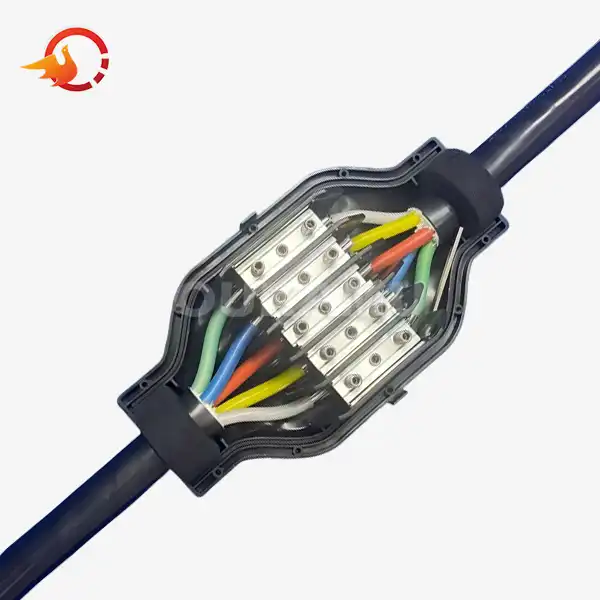
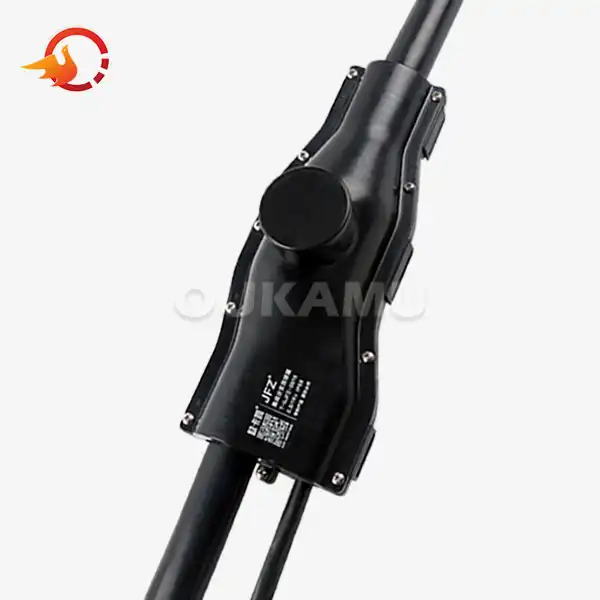
It might only work with a certain amount of power, but these are easy to put in. Epoxy resin joints are made of two-part mixtures that harden into a strong, long-lasting shielding layer that is often used in times of high voltage. In gel-filled connectors, a silicone or polyurethane gel keeps the waterproof seal even when the wire moves and swells because of changes in temperature.For low-voltage branch lines, the best way to connect is with Resin Cable Joint that are filled with gel. As long as they are buried directly or in a utility vault, they are waterproof up to IP68. They have all the benefits of cold shrink and adhesive methods, but are easier to use. Items like the T-GJFZ-16/10 type show this method. It works well with main wires that are 4 to 16mm and branch cables that are 1.5 to 10mm.
Material Properties and Compliance Standards
You can tell how well the insulation works by what kind of materials are used in the link body and covering substance. Fine Resin Cable Joint that meet international standards like IEC 60502 for power lines and GB/T 14048.7-2016 for low-voltage switches are made with plastics that are flame- and UV-resistant. The minimum needs for insulation resistance, dielectric strength, and resistance to tracking and erosion are set by these guidelines. The product will be safe to use at its maximum power and when it is stressed by its surroundings.
How long the glue lasts is another important thing to think about. Gels made of polyurethane and silicone don't break down when they come in contact with chemicals, water, or changes in temperature. They will bend and seal well for at least 20 years. This makes the item last longer, which lowers the total cost of ownership and the number of times it needs to be serviced, which is an important thing for purchasing managers to think about. Certifications from third-party testing agencies give buyers even more peace of mind because they show that the goods meet or go beyond the standards that were given.
Comparing Resin Cable Joints with Alternative Solutions
There are a few things you should think about when choosing the right jointing technique. For a long time, people have used heat shrink and cold shrink. But Resin Cable Joint options have perks that come in handy most of the time.
Performance and Reliability
Resin Cable Joint or gel-filled versions work very well to fix. The IP68 grades mean that they keep out a certain amount of dust and water. This level of safety is better than IP67, which is what most heat shrink choices offer. It means fewer failures and lower repair costs for places that are likely to flood, like deep caves or areas near the sea that get salt spray.
There are also different amounts of insulation in each device. Epoxy resin parts have a high dielectric strength, but they get stiff after drying, which means they can break when they are stressed mechanically or when the temperature changes. Connectors that are filled with gel stay bendable and let the wire move a little without breaking the seal. This toughness comes in handy in places where temperatures change a lot or where ground movement or loads from outside can damage lines.
Installation Complexity and Time
Planned projects and worker costs can change if things are put in place quickly or slowly. It is important to clean, measure, and place heat shrink joints carefully before they are heated so that they shrink properly and don't damage the wire. Gaps, bad connections, or too much heat could happen if you do something wrong. To make the job easier, cold shrink joints don't need to be heated. However, workers still have to be careful to line up the parts and remove the support core without hurting the sleeve.
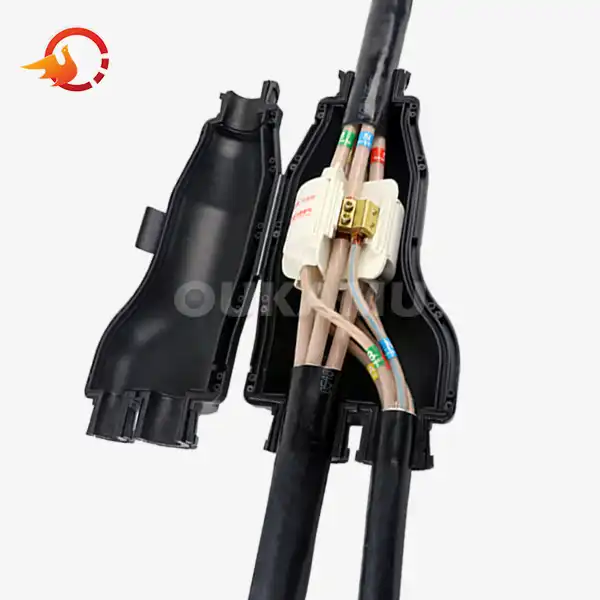
Resin Cable Joint make it even easier to put everything together. The T-GJFZ-16/10 type from Xi'an Oukamu shows this level of efficiency. The tech can put the body of the connection anywhere on the main cable, connect the branch cable to the built-in port, and then lock everything in place. Right away, the gel-filled insulation forms to the shape of the conductor, moving air and moisture out of the way. It does not need to be weld, cut, or stripped. For most things, installation only takes 10 to 15 minutes. For heat shrink alternatives, it can take 30 to 45 minutes. With this speed edge, big projects get done faster and for less money, thanks to less work.
Lifecycle Value and Maintenance
Lifecycle value is the total cost of buying something, which takes into account how stable it is and how much maintenance it needs over its useful life. When you first buy them, Resin Cable Joint cost about the same as basic heat shrink but more than premium epoxy systems. The lower failure rate and lower costs of starting up pay for themselves in the first few years.There is very little maintenance to do. Because the design is safe and resistant to corrosion, protective covers don't need to be put on or checked often.
Fixing something is easier when the main wire is still whole and the modular branch links make it clear what's wrong and how to fix it. People can detach and move branch lines without having to throw away the connection because some types can be used more than once. This feature makes it easy to change the plans for a building when they change.Suppliers like Oukamu test the goods to make sure they will last and show that they will in normal use for more than 20 years. If you're in charge of long-term building jobs, gel-filled Resin Cable Joint are a good choice because they don't need much maintenance and last a long time.
How to Choose the Right Resin Cable Joint for Your Power Distribution Needs
If you want to find the right connection for your use, you need to think about your technical needs, the environment, and your buying goals. You can pick items that will work well without spending too much on features you don't need if you follow a plan for your Resin Cable Joint selection.
Voltage Ratings and Cable Compatibility
When you choose a cable joint, the voltage number is the first thing you should look at. Networks with low voltage, between 600V and 1kV, are mostly used in homes, businesses, and small workplaces. As for this part, 0.6/1kV Resin Cable Joint, such as the T-GJFZ-16/10, work well because they can fit copper or aluminum wires with different cross-sectional areas.For networks with a middle voltage of more than 1kV, you need special parts that are more insulated and have ways to reduce stress.
A stronger electric field stress can break down insulation and lead to partial discharge. These things deal with that. When you compare different companies, make sure that the voltage values cover not only your system's normal voltage but also any short-term overvoltages you expect to happen when it turns on or off or breaks.There's more to cable connection than just power. It also says what kind of coating the wire is and how the line is put together.
The given range of main and branch wire sizes needs to be able to fit in the branch fittings. The T-GJFZ-16/10 can handle branch lines from 1.5 mm to 10 mm and main wires from 4 mm to 16 mm. For that reason, it can handle most lights, controls, and small power packs. More current needs to flow through bigger wires, which need different types with bigger housings. Before you buy it, make sure it works with XLPE, PVC, or rubber wire insulation. Some gel mixtures may not stick well to some plastics.
Environmental Parameters and Protection Ratings
What materials are used and how safe they are are affected by the working place. Projects that are outside have to deal with UV rays, high temperatures, and water getting in. Connections with UV-stabilized housings and IP68 waterproof grades can fix these issues. These connections will keep their seal even if they get wet or covered in water. The gel-filled structure responds to changes in temperature, stopping holes that water could use to get through. It may be fine to use lower protection grades for setups inside of controlled environments, but picking IP67 or IP68 is still a good idea because it gives you extra protection in case there is unexpected moisture in the future.
Keep a close eye on the temperature ratings. Resin Cable Joint that are standard work well from -40°C to +90°C, so they can be used in most situations. In harsh places, like the desert's heat, the arctic's cold, or industrial processes, you might need special recipes or extra safety measures.Being able to fight corrosion is important for wires that are near the coast, in factories, or buried. This is because salt, chemicals, or water can get into the dirt and damage them.
Good links are made from metals that don't rust and plastics that don't break down when chemicals touch them. In other words, they will work properly for many years. The items made by Oukamu have these features because they meet international standards and have been tested in tough projects like the lighting system for the Hong Kong-Zhuhai-Macao Bridge.
Bulk Procurement vs. Custom Orders
How you buy things depends on how big the job is and what it needs. Standard things are good for most uses because they are easy to find, have been tried and shown to work well, and don't cost too much. Distributors can quickly sell popular models like the T-GJFZ-16/10 when they keep them in stock. This makes business easy. When dealers buy in bulk, they can get big discounts. This lets them set their own prices and profit margins more freely.
Specialized or custom connectors are made to fit specific needs, like wire forms that aren't standard, certain types of cables, or better protection against the environment. Suppliers like Oukamu offer OEM services and work with customers to make unique solutions that fit the needs of the project. This helps wholesalers who work with specific groups of people or contractors who are taking on projects that have strict technical requirements stand out.
It takes longer to get custom orders and costs more per unit, but they are worth it when normal things can't meet important needs.When making your purchases, make sure that the range and quality of your collection are both good. Keeping close ties with suppliers lets you get unique items quickly, so you can meet customer wants without putting money into inventory that doesn't sell quickly. Having a core range of types that sell a lot will make sure you're ready for common uses.
Resin Cable Joint Installation and Maintenance Best Practices
Connectors work better and last longer when they are placed and taken care of properly. When you pay attention to the little things during setup, you can avoid common mistakes, and when you check on things often, you can find problems before they get worse for your Resin Cable Joint.
Pre-Installation Inspection and Preparation
Before putting the product in place, check the lines for damage, make sure the connection sizes match the connector specs, and make sure the environment meets the needs of the product. It's possible for the gel to not stick as well if the cable surfaces are wet. Dry the wires and let them warm up if they were kept somewhere cold.
Make sure it works with your type of wire by reading the directions that came with it. Also, make sure you have the tools you'll need, like cable cutters, tools for pulling wires, and cleaning supplies.The adapter case may have cracks, dirt, or damage from shipping that you need to look for. Make sure there are no holes or bubbles in the gel-filled sections and that the sealing solution is spread out evenly. At this point, quality control stops problems with the installation and work that isn't needed.
Installation Steps for Gel-Filled Branch Connectors
It's simple to understand how to put together a Resin Cable Joint branch link. Mark where you want to cut the main line off and place it along the path you want to take. Most connection housings have a shell that hinges or snaps together. You need to open it up and then wrap it around the main wire where it says to do so. Making sure there is enough space for the branch wire to move through the special port without getting tight is important.
Follow the instructions from the maker to use locks or screws on the case to keep it in place. The gel solution automatically fills in the spaces between the wires, forcing air out and creating a waterproof seal. Make sure that the housing is completely closed and locked, and that there are no visible holes or other problems. Pull on the branch wire slowly to make sure it stays in place. The whole process doesn't need heat, glue, or any other special tools and only takes 10 to 15 minutes with basic hand tools.
Quality Control and Troubleshooting
After setting up, take a quick look to make sure everything is in the right place. Also, check that the branch wire is going in the right direction and that the box doesn't leak gel. Check the numbers you get with a megger or an insulation tester to make sure they meet or go beyond what the maker wants. For new installations, these are most often a few hundred megohms. Low numbers mean that there is damage, contamination, or water getting in that needs to be fixed right away.
It might not close all the way because the parts are not lined up properly, there is not enough gel fill, or there is something odd in the housing. These are all common issues that need to be fixed. Once the issue is fixed, parts that can be used again can be taken apart, cleaned, and then put back together. Plans that can't be used again need to be changed. When you file an insurance claim or look for patterns in problems, keeping track of the date, operator, and test results of an installation can help.
Routine Maintenance and Safety Compliance
Even though Resin Cable Joint don't need much care, checking them every once in a while can help build trust. Damage from digging, car traffic, or environmental dangers is found during monthly building walks. Infrared thermography finds hot spots that could mean that a chain is coming loose or that something is breaking down inside before it breaks.
IEC maintenance rules and OSHA power safety rules say that these checks must be done. They keep people safe and show that care was taken.It is safe to do things like turn off circuits, check lockout-tagout procedures, and wear the right safety gear during installation and maintenance. Workers can make things safer and do them right if they are taught how to do them and what the product needs. By offering their customers skilled help and training materials, suppliers like Oukamu help their clients get the best results.
Conclusion
To find the best cord connection method, you need to look at how well it works technically, how well it fits in with its surroundings, how easy it is to set up, and how much it costs overall over the product's lifetime. Resin Cable Joint based branch connections are safe from water, easy to install, and reliable for a long time, among other things. It is helpful for wholesalers, builders, and building managers to have these perks. By learning about product types, going over your choices, and using systematic selection criteria, you can find solutions that meet the goals of the project and keep costs low. Building strategic relationships with providers and installing things the right way will ensure success from the start of the project to many years of use.
FAQ
What advantages do resin cable joints offer over heat shrink alternatives?
It is waterproof to an IP68 level for Resin Cable Joint and gel-filled joints, but only an IP67 level or lower for heat shrink goods. They don't need any heat sources or skilled application, so they can be put up faster and with less chance of mistakes. The gel stays flexible, so it won't break when the wire moves or the temperature changes.
Are resin cable joints suitable for both indoor and outdoor installations?
Yes, good Resin Cable Joint are made to work in many places. Housings that don't rust and are resistant to UV light let them be used outside. In both places, the covered design keeps out water, dust, and other bad things. Check to see if the product's environmental scores are good enough for the job.
How long does installation typically take?
It should only take 10 to 15 minutes to set up a gel-filled Resin Cable Joint if you do everything the right way. The main wire doesn't have to be cut, and the gel seals around the conductors right away. This makes the process faster than using heat shrink, which takes thirty to forty-five minutes.
Partner with Oukamu for Reliable Cable Connection Solutions
Oukamu has been connecting new branch cables for 20 years, so he knows how to do it perfectly. Our T-GJFZ-16/10 type is made of gel insulation, is waterproof up to IP68, and is easy to install on-site for main wires 4 to 16mm and branch lines 1.5 to 10mm. We can help you quickly and give you personalized advice whether you're a builder in charge of tough projects or a Resin Cable Joint seller looking for high-quality stock. Our products are safe and work well because they meet GB/T 14048.7-2016 and other international standards. Send us an email at info@okmbranchcable.com to tell us about your needs and find out how our services can help you save time and money on your project. At okmbranchcable.com, you can see everything we sell.
References
1. International Electrotechnical Commission. "Power Cables with Extruded Insulation and Their Accessories for Rated Voltages from 1 kV up to 30 kV." IEC 60502 Standard Series, 2014.
2. National Fire Protection Association. "National Electrical Code (NEC) 2020 Edition—Requirements for Cable Joints and Splices." NFPA 70, Article 110, 2020.
3. Institute of Electrical and Electronics Engineers. "Guide for Field Testing of Shielded Power Cable Systems Using Very Low Frequency (VLF)." IEEE Standard 400.2, 2013.
4. British Standards Institution. "Electric Cables—Armoured Cables with Thermosetting Insulation for Rated Voltages from 600/1000 V up to 1900/3300 V." BS 5467:2016, 2016.
5. China National Standardization Management Committee. "Low-Voltage Switchgear and Controlgear—Part 7: Ancillary Equipment—Terminal Blocks for Copper Conductors." GB/T 14048.7-2016, 2016.
6. American Society for Testing and Materials. "Standard Test Method for Insulation Resistance of Electrical Insulation." ASTM D257-14, 2014.