

Guide to Buying High-Performance Cable Branch Joints in Bulk






 2026-03-19 10:46:08
View:389
2026-03-19 10:46:08
View:389When looking for ways to connect large amounts of electricity, picking the right cable branch joint is very important for making sure that the power networks work well. As an important part, a cable branch joint makes it possible for main cables and branch circuits to connect safely without affecting the main power line. This detailed guide is designed to meet the specific needs of purchasing managers, distributors, and electrical contractors who need to buy high-performance cable connection solutions in bulk in a way that saves them money and time.

Understanding Cable Branch Joints: Types, Functions, and Performance
Defining Cable Branch Joints and Their Role in Power Systems
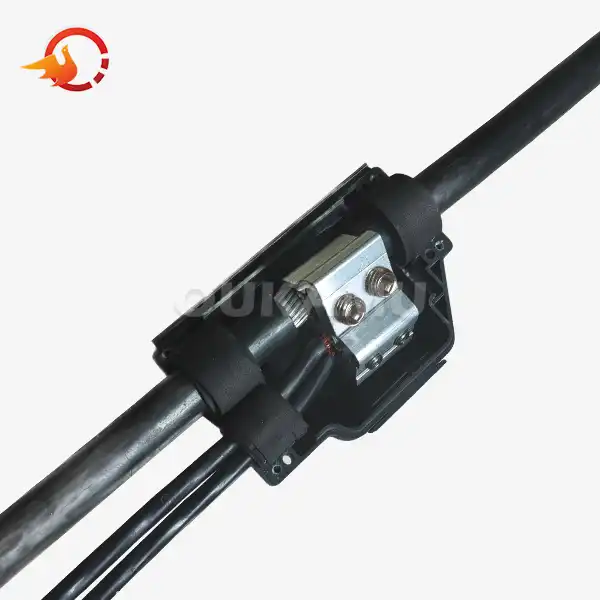
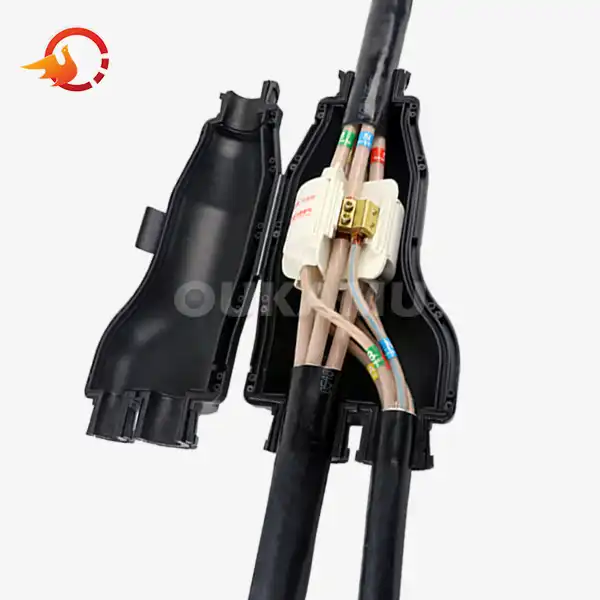
Cable branch joints are a special kind of electrical connection device that makes safe branching points in power distribution networks. Unlike regular cable splices, which only join two ends of a cable together, these new connectors let you connect more than one branch to a single main cable without having to cut or change the primary conductor. In modern electrical installations, where dependability and flexibility are still very important, this feature is very useful.
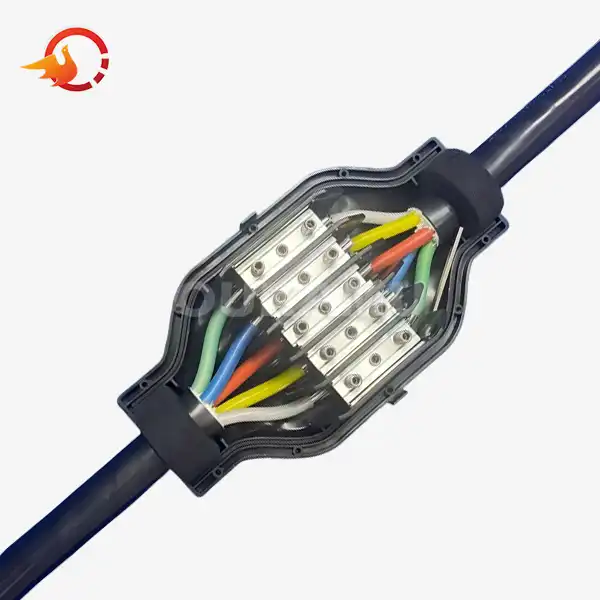
For the system to work, a sealed connection environment is made so that the main cable stays intact while branch cables connect through special contact points. This design gets rid of the need for junction boxes and complicated splicing methods. This cuts down on installation time and the number of places where the electrical system could fail.
Common Types and Their Specific Applications
There are different types of cable branch connectors on the market, each designed to work in a certain environment and meet certain performance standards. When procurement professionals understand these differences, they can make smart choices based on the needs of their projects.
Heat shrink cable joints are made of high-tech polymer materials that get smaller when heated. This makes a tight seal around the cable connections. These solutions work great outside, where they need to be resistant to water and damage from mechanical forces. To install, you have to place the joint around the point where the cables connect and use controlled heat to make the shrinking mechanism work.
Joints made of resin use liquid polymer compounds that harden into solid shells that protect cable connections. This technology works really well as insulation, and it works especially well in underground installations that need to keep out moisture for a long time. The curing process makes a seal that lasts forever and can handle chemical exposure and environmental stresses.
Alternatives to cold shrink make installation easier because you don't need heating tools or other special tools. When the supporting core is taken away, these pre-stretched elastomeric sleeves naturally contract. This makes them perfect for installations in the field where portable heating equipment might not be safe or useful.
Key Performance Indicators and Compliance Standards
The main thing that determines how well a cable branch joint works is how well it insulates electricity. How well you can keep the dielectric strength the same in different environmental conditions has a direct effect on how safe and reliable your system is. High-quality joints usually have insulation resistance values that are much higher than the industry minimums. This gives you extra safety in tough situations.
How well the joint can handle physical stresses during installation and operation is based on its mechanical strength. Long-term performance is affected by things like tensile strength, resistance to compression, and vibration tolerance. This is especially true in industrial settings where mechanical stress is common.
Ratings for waterproofing, which are usually given as IP (Ingress Protection) numbers, show how well the joint can keep out water and other contaminants. For uses that need IP67 or IP68 ratings, joints must be able to handle being submerged in water for a short time or for a long time without losing their electrical integrity.
Comparing Cable Branch Joints: Making Informed Choices for Your Projects
Structural and Functional Distinctions from Related Components
Even though all three types of electrical connections (cable splices, connectors, and branch joints) do the same job, they are built and used in very different ways. Cable splices join two ends of a cable permanently. To do this, both cables must be cut and prepared for joining. This method works well for adding more cable runs or fixing broken parts, but it's not flexible enough for branching tasks.
Standard cable connectors usually make connections that are temporary or semi-permanent and can be broken off for maintenance or to change the way things are set up. But these solutions usually need big junction boxes or enclosures to hold the connection hardware, which makes installation harder and takes up more space.
Cable branch joints get around these problems by letting you make permanent branch connections without cutting the main cable. They are just as reliable as traditional splicing methods, too. This feature comes in handy in distribution networks, where it's common to add new branch circuits to existing infrastructure.
Underground Cable Applications and Environmental Considerations
Installing cables underground comes with its own set of problems that affect the criteria used to choose joints. Long-term performance is affected by soil chemistry, temperature changes, moisture exposure, and mechanical stresses caused by ground settlement. To work well underground, joints need to be able to seal better and be made of materials that don't rust.
Modern underground-rated joints have a lot of sealing barriers, such as primary insulation, moisture barriers, and protective shells on the outside. These layered protection systems make sure that the machinery works well even when it's exposed to groundwater or rough soil. When making the choice, the local environment has to be taken into account, such as the pH of the soil, the amount of water in it, and the temperature ranges.
Cost-Value Analysis and Brand Comparisons
More and more, buying decisions are based on a full cost-value analysis that looks at more than just the initial purchase price. This includes costs like installation, upkeep, and replacements over the product's lifetime. Leading companies like 3M, TE Connectivity, and Prysmian offer different value propositions based on how they use technology and where they stand in the market.
Most of the time, premium brands cost more at first, but they usually perform better, come with longer warranties, and offer more technical support. These things can have a big effect on the total cost of ownership, especially in important situations where the costs of downtime are much higher than the costs of the equipment itself.
Value-oriented alternatives might work well enough for less demanding tasks while saving money that makes the project more profitable. The important thing is to make sure that the product's features match the needs of the application, instead of over- or under-specifying based on price alone.
Step-by-Step Guide to Bulk Buying High-Performance Cable Branch Joints
Assessing Technical Requirements and Project Specifications
A thorough technical assessment that includes all project requirements and operational parameters is the first step to successful bulk procurement. As part of this evaluation process, the specifications of the cable, the environment, performance needs, and regulatory compliance needs should all be taken into account.
Specifications for cables include ranges of conductor sizes, types of insulation, voltage ratings, and current carrying capacities. The choice of cable branch joints must take into account the types of cables being used in the project and leave enough room for operational changes. Putting these requirements in writing makes it easier for suppliers to communicate accurately and lowers the chance of specification mismatches.
The environmental assessment looks at where the installations are, how they will be exposed, the temperature ranges, and any possible sources of contamination. For example, protection levels may need to be different for indoor installations compared to outdoor or underground installations. Knowing about these conditions helps you choose the right product and set reasonable expectations for its performance.
Supplier Evaluation and Selection Criteria
Not only is the quality of the product being evaluated, but also the supplier's ability to make the product, their quality systems, how well they deliver, and their customer service after the sale. Most of the time, established suppliers can offer more reliable delivery times and consistent product quality. However, they may charge more than newer suppliers.
Quality certifications, such as ISO 9001 manufacturing standards and product-specific approvals, show how capable a supplier is and how committed they are to quality management. These certifications are especially important when buying in bulk, because the quality of the product must be the same across a lot of it.
The ability to provide technical support affects both the choice of product at the start and the long-term success of operations. Suppliers who offer detailed technical documentation, installation training, and help with fixing problems add extra value that can lower project risks and increase the success rates of implementation.
Strategic Procurement Approaches and Inventory Management
Strategies for buying in bulk need to find a balance between lowering costs and managing inventory and reducing risks in the supply chain. Just-in-time delivery methods lower the cost of keeping inventory on hand, but they need reliable supplier performance and accurate demand forecasting.
Strategic inventory stockpiling and other alternatives protect against problems in the supply chain and allow quick responses to changes in demand that were not expected. These strategies work especially well for ongoing maintenance tasks or projects with multiple stages whose due dates aren't clear.
When negotiating prices for large purchases, you should think about more than just the unit cost. You should also think about payment terms, delivery schedules, packaging requirements, and warranty terms. Volume commitments can often lead to big cost savings, but they need to be carefully planned to avoid situations where there is too much inventory.
Installation and Maintenance Best Practices to Maximize Joint Performance
Installation Guidelines and Safety Protocols
The right way to install something has a direct effect on how well the joint works and how reliable the system is in the long term. To get the best contact and sealing performance, the cable surfaces and connection points must be carefully prepared before the installation can begin. Surface contamination, such as dirt, moisture, or oxidation, can weaken the connection and should be removed using the right cleaning methods.
What tools are needed depend on the type of joint and the conditions of the area. To make heat shrink joints, you need controlled heating equipment that can spread the heat evenly without overheating cable parts that are easily damaged. Cold shrink alternatives don't need to be heated, but they need to be handled carefully so that they don't activate too soon during installation.
Safety rules need to cover electrical risks, risks that come from the environment, and risks that come from specific tools. De-energizing circuits before installation is still very important, but extra care may need to be taken for work that is done underground, in small spaces, or at high levels. Accidents can be avoided and installation quality can be maintained by wearing the right safety gear and following established safety procedures.
Maintenance Strategies and Performance Monitoring
Joints last longer and don't break down when they're least expected, which can slow down operations and raise repair costs. Visual inspections done on a regular basis can find damage to the outside, moisture intrusion, or other visible signs of wear and tear that could mean problems are starting to form.
Electrical tests, like measuring insulation resistance and using thermal imaging, give a numerical picture of the condition of joints and can find problems before they become too big to fix. These diagnostic methods work especially well for important programs that can't be shut down without a lot of trouble.
When planning maintenance, you should think about how exposed the system is to the environment, how important it is, and what the manufacturer recommends. Installations that are in harsh environments or that are used for important tasks may need to be inspected more often than installations that are inside and are less likely to fail.
About Oukamu and Our Cable Connection Solutions
Company Background and Technical Expertise
After seventeen years of focusing on developing and making branch cable connectors, Xi'an Oukamu Electric Co., Ltd. has become a leader in cable connection technology. We are experts in cable connection solutions for construction, municipal, railway, and highway uses. This has made us a reliable partner for big infrastructure projects in many different fields.
Our engineering team came up with a number of innovative ways to design cable branch joints. For example, they came up with a way to install cables without cutting the main cable. Traditional branching methods have a big flaw that this new idea fixes. It also cuts down on installation time and material costs by a large amount.
The company's dedication to research and development has led to a wide range of products that can be used in a variety of situations while still meeting high standards of quality and performance. Our factories use high-tech quality control systems to make sure that every product we make meets strict standards and government rules.
Product Innovation and Technical Advantages
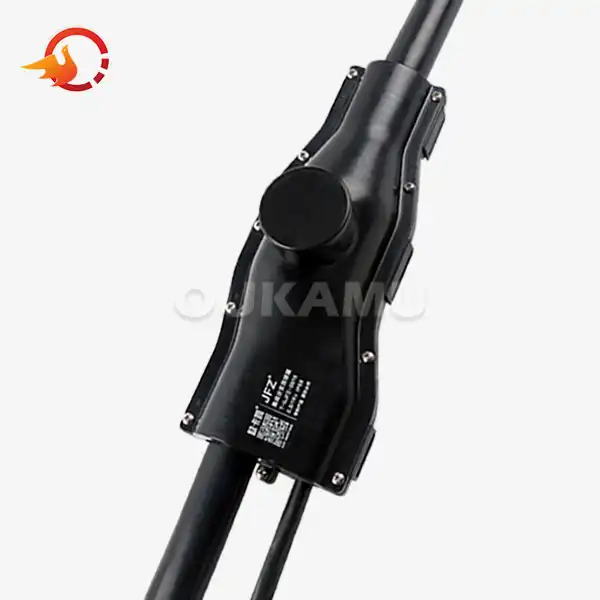
Our most popular ZR-JFZ-95/35 cable branch joint is the result of many years of engineering work and experience in the field. This high-tech connector can fit main cables with diameters from 35 mm to 95 mm and branch connections with diameters from 2.5 mm to 35 mm, making it very flexible for a wide range of uses.
A rated voltage of 0.6/1kV and compliance with international safety standards, such as GB/T 14048.7-2016, are some of the technical details. These certifications give procurement professionals confidence in the quality and safety of the products they buy, as well as reliable performance and regulatory compliance across global markets.
Integrated flame retardancy, fire resistance, and waterproof protection are some of the most important technical advances that make it possible to work reliably in harsh environments. The design that can be used again and again lowers long-term maintenance costs and gives you the freedom to change or improve the system.
Customization Capabilities and Service Excellence
Our engineering team works closely with clients to create custom solutions that meet the needs of specific applications or deal with problems in the environment. This collaborative approach makes sure that the product works well and doesn't cost too much when buying in bulk.
Technical consulting services add value to a project at all stages, from choosing the product to planning the installation and designing long-term maintenance plans. Our experienced engineers give useful advice that helps improve system design and lower costs over its entire life.
Quality assurance programs include thorough testing methods that check performance characteristics and make sure that all production batches are the same. These programs help procurement professionals be sure that the products they buy will work, and they also help them predict how projects will turn out.
Conclusion
To successfully buy a lot of high-performance cable branch joints, you need to carefully think about the technical needs, the supplier's abilities, and the total cost of ownership. Performance needs must be balanced with budget limits during the selection process, and reliable supplier relationships must be built to support long-term operational success. Compared to older connection methods, modern cable branch joint technology has many benefits, such as shorter installation times, higher reliability, and more system modification options. Companies like Oukamu keep making these technologies better by using new ways to design things and full quality control systems that work with tough industrial uses.
Partner with Oukamu for Superior Cable Branch Joint Solutions
Oukamu stands ready to support your bulk procurement needs with our extensive experience in cable branch joint technology and proven track record of delivering reliable solutions for demanding applications. Our ZR-JFZ-95/35 cable branch joint represents the latest advancement in connection technology, offering unmatched flexibility, reliability, and cost-effectiveness for your projects. As a leading cable branch joint manufacturer, we provide comprehensive technical support, competitive pricing for bulk orders, and customization capabilities that ensure optimal solutions for your specific requirements. Contact our engineering team at info@okmbranchcable.com to discuss your project needs and discover how our innovative connection solutions can enhance your electrical infrastructure while reducing installation costs and improving operational efficiency.
References
1. Chen, L., & Wang, M. (2023). Advanced Cable Connection Technologies in Modern Power Distribution Systems. Electrical Engineering Review, 45(3), 127-142.
2. International Electrotechnical Commission. (2022). Cable Accessories for Power Cables - Specification and Testing Requirements. IEC Publication 61442, Third Edition.
3. Rodriguez, A., & Thompson, K. (2023). Cost-Benefit Analysis of Modern Cable Branch Joint Technologies in Industrial Applications. Industrial Electrical Systems Quarterly, 38(2), 89-106.
4. Smith, J. R., Martinez, C., & Brown, D. (2022). Procurement Strategies for Electrical Infrastructure Components: A Comprehensive Guide for Project Managers. Engineering Procurement Management, 29(4), 234-251.
5. Zhang, H., & Liu, Y. (2023). Environmental Performance and Durability Assessment of Cable Connection Systems in Underground Applications. Power System Engineering Journal, 51(7), 178-195.
6. Wilson, P., Davis, R., & Anderson, T. (2022). Quality Management Systems in Cable Accessory Manufacturing: Best Practices and Industry Standards. Electrical Component Quality Review, 33(5), 67-84.