
_1790150425011.webp)
Differences between types of underground cable jointing kits available






 2026-07-09 08:59:11
View:389
2026-07-09 08:59:11
View:389When looking for parts for electrical infrastructure used for communications or power distribution, it's important to know the differences between cable connection solutions. Underground Cable Jointing is the process of connecting buried cables in a way that keeps them safe from water, soil pressure, and environmental stress. There are different types of jointing kits, such as heat shrink, cold shrink, resin-based, and mechanical connectors, that offer different levels of waterproofing, installation speed, and durability. Picking the right system has a direct effect on how reliable a project is, how much it costs to maintain, and how well it works in the long run. This guide explains the main differences between these jointing methods so that procurement professionals, project managers, and electrical contractors can make smart choices that meet their needs and stay within their budgets.

Understanding Underground Cable Jointing Kits: Basics and Key Considerations
Underground Cable Jointing kits are the most important part of reliable phone and power lines that are buried under streets, buildings, and industrial sites. These kits have insulating materials, sealing compounds, connector bodies, and protective housings that are meant to join cable segments while keeping the cables' electrical integrity and keeping water out. The main objective is to make a connection point that meets or beats the performance requirements of the original cable.
What Makes a Quality Jointing Kit?
Good jointing solutions need to be able to handle rough conditions underground, like changing temperatures, being wet, and chemical reactions with soil compounds. Insulation materials rated for certain voltage levels, waterproof sealing compounds, and mechanical connectors that ensure conductivity are some of the most common core components. The choice of materials has a direct effect on how long the joint lasts and how often it breaks. Materials that don't catch fire or spread flame are especially important when cable runs go through tight spaces or high-risk areas.
Application Differences Between Power and Telecom Networks
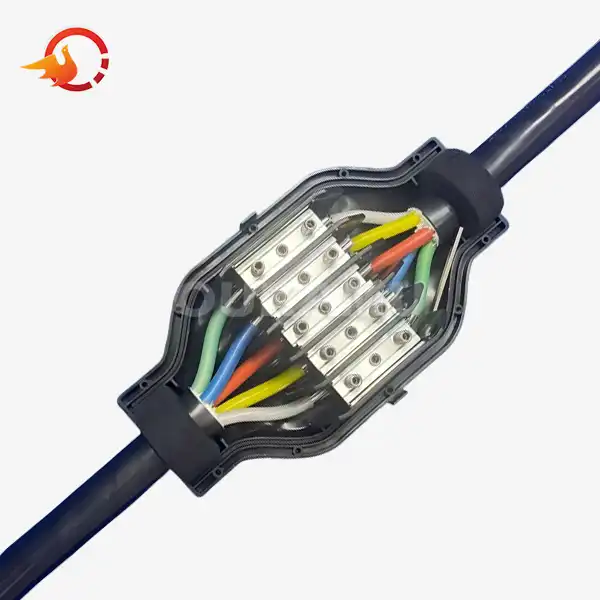
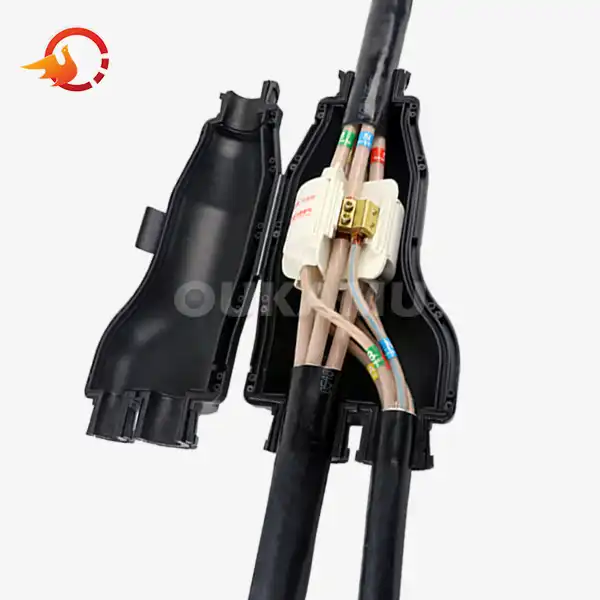
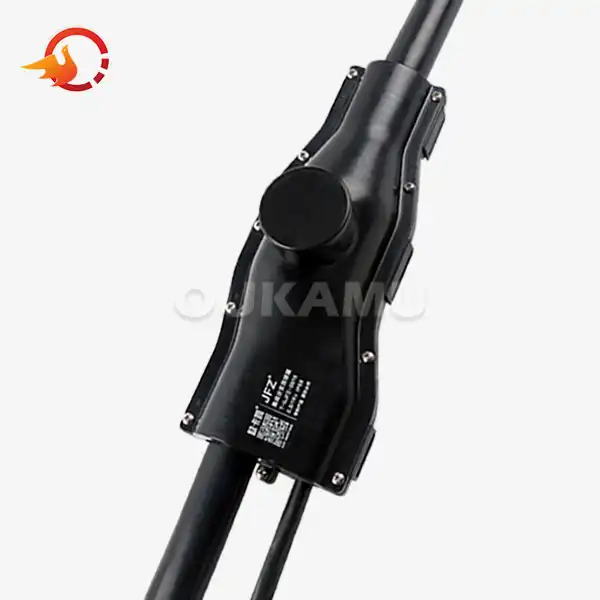
Power distribution cables usually carry higher voltages and need strong insulation systems that can handle electrical stress. Over decades of use, these joints must not track, arc, or lose their shape due to heat. When it comes to telecommunications, on the other hand, signal integrity and protection from electromagnetic interference are more important. Branch cable connectors like Oukamu's T-GJFZ-35/16 model offer the best of both worlds. They are waterproof up to IP68 standards and can be used in low-voltage distribution networks for homes, businesses, and factories. This model can hold main cables from 10mm to 35mm and branch cables from 2.5mm to 16mm, so you don't have to cut the main cable when you install it.
Standards and Certification Requirements
Meeting international standards makes sure that jointing kits work reliably in certain situations. Standards like GB/T 14048.7-2016 set rules for things like short-circuit resistance, insulation levels, and ratings for environmental protection. Officers in charge of buying things should make sure that suppliers show proof that they follow these standards by requiring certification. This lowers the risk of liability and makes sure that the new system works with the old one.
Types of Underground Cable Jointing Kits: Features and Differences
There are a lot of different technologies on the market for cable jointing, and each one has its own installation requirements and performance traits. When you know how these systems work, you can find the best solution for your project.
Heat Shrink Jointing Kits
With heat shrink technology, hot-melt adhesive is mixed into tubing. When heated with a torch or heat gun, the tubing contracts tightly around the cable splice to make a waterproof seal. These kits work great in places where long-term resistance to moisture is important. Care must be taken when applying heat during installation so as not to damage the cable insulation or leave gaps in coverage. Technicians who are skilled and the right weather are needed for the job. Too much wind or rain can damage the seal. Heat shrink joints are widely used in large-scale power distribution projects because they are very good at keeping heat in. But because it's only used once, any mistake during installation means the whole joint has to be replaced, which wastes more materials and costs more to labor.
Cold Shrink Jointing Systems
In cold shrink kits for Underground Cable Jointing, rubber sleeves that are already stretched are attached to cores that can be taken out. Installers place the unit on top of the ready-made cable joint and then take out the core. This lets the rubber shrink and grip the connection without using heat. This method works especially well in small spaces, when it's wet, or when there is a risk of fire from an open flame. Installation speed is a big plus because it means that technicians can finish joints in a lot less time than it takes to use heat shrink methods. Getting rid of specialized heating equipment also lowers the cost of tools and the amount of training that is needed. It is possible to use cold shrink technology for both straight-through connections and branch joints, but the material costs are usually higher than with heat shrink.
Resin-Based Jointing Kits
When you resin joint something, you cover the connection with poured or injected resin compounds that harden into a rigid, waterproof shell. Epoxy and polyurethane formulations are the most common in this group because they are very strong mechanically and chemically. These systems can work in a lot of different types of harsh environments, such as submersion, corrosive soils, and large temperature differences. The curing process makes a permanent seal that can't be broken, which keeps people from getting in without permission. It's harder to install than shrink technologies because you need to keep an eye on the mixing ratios, curing times, and room temperature to get the best results. Resin joints are best used in situations where long-lasting performance is more important than ease of installation. This is often the case in infrastructure projects that will be used for decades.
Mechanical and Gel-Filled Connector Systems
A new type of connector called a mechanical connector combines reliability with ease of installation. Integrated designs let main and branch cables connect within a single body, so the primary conductor doesn't have to be cut in systems like Oukamu's gel-filled branch connectors. The connector housing is filled with gel compounds that insulate and keep water out through IP68-rated seals. These connectors give electricians a lot of installation options. They can set up branch points anywhere along a cable run without having to plan out exact locations ahead of time. Being able to change branch locations on-site cuts down on cable waste caused by mistakes in the design and allows for last-minute changes to the layout that are common in construction projects. Since no heat or mixing of the resin is needed, installation time is cut down by a large amount while still providing the double safety protection needed for buried applications.
The T-GJFZ-35/16 model is an example of this technology because it uses flame-retardant and fire-resistant materials that can be buried directly or put in a well. Its small size makes it useful for both open installations and bridge-mounted uses, where space is limited in utility corridors with a lot of other equipment. The design can be used again and again, so changes or repairs can be made in the future without having to replace the whole assembly. This is a big advantage over permanent jointing methods.
Comparing Jointing Kits: Performance, Cost, and Application Suitability
When choosing between jointing technologies, you have to think about more than just the initial purchase price. The total cost of ownership is based on how reliable something is over time, how much it costs to install, and how well it works with the environment.
Performance Metrics Across Technologies
Insulation resistance and dielectric strength are important factors for electrical performance. Most of the time, heat shrink and resin systems have the best insulation values, which is why they are best for medium-voltage uses. IP ratings show how well something keeps water out. For example, IP68-rated systems like gel-filled connectors can withstand being submerged in water for a long time. For low-voltage networks, cold shrink and mechanical connectors work just as well while making installation easier.
Testing for durability shows that resin joints can handle the most extreme mechanical stress. They can also handle soil shifting and freeze-thaw cycles without breaking down much. When installed correctly, heat shrink joints work well, but they may fail too soon if the quality of the installation is poor. Mechanical gel-filled systems are a good compromise because they offer strong protection without being permanent, which makes it harder to make changes to the network in the future.
Cost Analysis: Purchase Price Versus Lifecycle Expenses
For Underground Cable Jointing, heat shrink kits have the cheapest materials, but they need to be installed by skilled professionals at times that depend on the weather, which could make the total cost of the job higher. Cold shrink systems cost a lot, but they save money on labor because they are easier to set up and don't require as much skill. Material costs for resin joints are in the middle, but they need to be installed carefully, which takes more time and makes the project take longer.
Total cost is minimized by mechanical branch connectors like Oukamu's, which cut down on installation time, cable waste, and allow for flexibility on-site. When you save two to three meters of main cable per connection point, it adds up to big savings on materials for big projects. When installation teams can finish joints without using special heating tools or waiting for long curing times, they save even more time and effort. Because of these things, gel-filled mechanical systems are very appealing for projects that need to balance cost with dependability.
Environmental and Situational Factors
The type of soil has a big effect on the choice of jointing technology. Soils that are corrosive and have a lot of salt or organic acids in them need systems that are filled with resin or gel and are very resistant to chemicals. Soils that are sandy and drain well let you choose from a wider range of technologies, while soils that are clay and hold on to water prefer joints that are very waterproof. Some materials get brittle in cold weather and soften in hot weather, which limits the choices you have.
The environment of the installation is also very important. Cold shrink or mechanical systems that don't need many tools work best in confined vault spaces or narrow trenches. Any technology can be used in open trenches that are dry. Underwater crossings or areas that are likely to flood require waterproofing with an IP68 rating, no matter what else is going on. Non-permanent jointing methods let projects that need to expand their networks in the future change their layout without having to do a lot of digging.
How to Choose the Right Underground Cable Jointing Kit for Your Project?
Systematic selection processes help procurement professionals sort through the different Underground Cable Jointing technologies that are out there, making sure that the choices they make meet both technical and business needs.
Defining Project-Specific Requirements
Specifications for the cables are what selection criteria are based on. Voltage rating, conductor size, insulation type, and armoring all limit the types of joints that can be used together. Low-voltage networks that serve factories and buildings usually use cables that are between 10 mm and 70 mm in diameter, which works perfectly with mechanical branch connectors. For higher voltage transmission lines, you need heat shrink or resin systems that are made to handle the electrical stresses.
An installation environment assessment should include information about the soil, the depth of the water table, the expected temperature ranges, and any barriers to access. When working on projects in cities where digging trenches is hard to get to, compact jointing solutions that reduce the width of the excavation are helpful. Larger resin-based systems that last the longest can be used in rural areas with open trenches.
Technology choice is also affected by how long it is expected to last and how it should be maintained. Premium resin joints may be worth it for infrastructure that will be serviced every 30 years, while reusable mechanical systems are better for infrastructure that will be reconfigured often. Joints that let you look inside without damaging them are helpful for networks that need to be troubleshooted often.
Evaluating Supplier Credentials and Product Quality
Buying from well-known companies with track records lowers the risks that come with buying products that haven't been tested. Companies like Oukamu that have been making cable connection solutions for 20 years have a lot of knowledge in material science, manufacturing processes, and application engineering. Third-party testing certificates should be included in supplier portfolios to show that they meet international standards.
In competitive markets, suppliers stand out by offering warranties and support after the sale. Buyers are protected from unexpected costs by warranties that cover both material defects and performance failures. Technical support services, such as installation training, help with fixing problems, and custom solution development, make the product more valuable than just the hardware itself.
Balancing Technical Performance with Budget Realities
The final decision about procurement is to balance the need for performance with the amount of money that is available. Cost models that are very detailed should include the prices of materials, labor for installation, equipment rentals, and any possible costs for rework. When projects don't have a lot of money, they might choose efficient mechanical systems over premium resin joints, even if it means a little less performance. On the other hand, applications that are essential to critical infrastructure should use the most advanced, tried-and-true technologies.
Bulk purchasing opportunities and supplier relationships can significantly impact project economics. Distributors and contractors who are working on multiple projects at the same time can benefit from forming partnerships with manufacturers that offer flexible order quantities, reasonable lead times, and competitive pricing structures. The fact that Oukamu focuses on small to medium-sized orders fits well with this operational reality.
Best Practices and Safety Measures When Using Underground Cable Jointing Kits
Correct installation methods and safety rules for Underground Cable Jointing have a direct effect on the reliability of the joint and the health and safety of the technician. Following the manufacturer's instructions and best practices in the industry lowers the risk of failure and keeps workers safe from electrical and physical dangers.
Essential Safety Protocols and Site Preparation
Before starting any jointing work, electrical isolation is the most important safety measure. Verified de-energization using the right lockout-tagout procedures stops shocks that could be fatal. More layers of protection are added by wearing insulated gloves, safety glasses, and clothing that is rated for arcs. When working in vaults or manholes, you have to follow confined space protocols that include testing the air quality and letting air flow through.
Preparing the site means digging out enough space for working, getting rid of any standing water, and making sure there is enough light. For joints to work well, the cable surfaces must be clean and dry. Technicians should carry cleaning supplies and drying equipment. Putting tools and materials in order before starting to work cuts down on installation time and the chance of missing important steps.
Addressing Common Installation Challenges
One of the most common installation problems is damage to the cables while they are being prepared. If you use too much force or tools that aren't the right size when stripping insulation, you could damage the conductors or the insulation itself. These problems can be avoided by using calibrated stripping tools and following the size requirements.
The environment during installation has a big effect on the quality of the joint. Adhesives and sealing compounds may not work as well when it rains, is very humid, or is very hot or cold. Maintaining good working conditions means scheduling installations for times when the weather is good or setting up temporary shelters. Gel-filled mechanical connectors don't react much to weather, so they work reliably in a wide range of conditions.
Maintenance and Inspection Guidelines
Routine inspection programs find problems as they start to happen, before they become complete failures. Visual checks should be done on a schedule set by the joint criticality and environmental severity to look for signs of water intrusion, physical damage, or overheating. Thermal imaging finds hot spots that mean connections aren't working right or insulation is breaking down. In medium-voltage settings, partial discharge testing shows that the insulation is breaking down.
Joint service life is greatly increased by preventative maintenance. Getting rid of plants around buried joints stops roots from getting in. Making sure there is good drainage around vaults and manholes lowers the amount of water that can get in. Keeping detailed records of where joints are located, when they were installed, and what was found during inspections helps proactive replacement programs work better before major failures stop service.
Conclusion
When procurement professionals and electrical contractors know the differences between Underground Cable Jointing technologies, they can choose the best ones for their needs. Permanent installations with heat shrink systems are known to be waterproof, while quick installations with cold shrink kits don't require any special tools. Resin joints are the most durable in harsh environments, and mechanical gel-filled connectors give you a lot of installation options while still providing reliable performance. A good way to choose a technology is to compare its performance, cost, and ability to work in different environments with the needs of the project. Working with manufacturers who have been around for a while and back up their products with technical support and full service will make sure that your network is reliable and works well in demanding underground applications for a long time.
FAQ
What distinguishes heat shrink from cold shrink jointing kits?
To use heat shrink kits, you have to apply heat to the adhesive to make it work. Then, the tubing around the cable joints contracts, sealing them waterproof. They need special heating tools and to be installed by a professional, but they work very well in the long run. In cold shrink systems, rubber sleeves are pre-stretched and shrink without heat when removal cores are taken out. Installing cold shrink takes less time and requires fewer tools. This makes it perfect for tight spaces or bad weather where heat application wouldn't work.
Can one jointing kit type serve both power and telecommunications cables?
Similar jointing technologies can be used in low-voltage power distribution and some telecommunications applications. These include mechanical gel-filled connectors that are rated for the right voltage and environment. But high-voltage power cables and certain types of fiber optic installations need kits that are specially made to meet their electrical or signal integrity needs. Before buying, you should always make sure that the kit fits with the cable specifications and application standards.
How long does typical jointing kit installation require?
Installation times depend a lot on the technology and how complicated the cables are. Technicians with a lot of experience can make mechanical gel-filled connectors in 15 to 30 minutes. Installing heat shrink usually takes 30 to 60 minutes, which includes time for cleaning up and curing. When you add in the time it takes to mix, pour, and cure, resin joints may need several hours. Actual completion times are affected by things like weather, how easy it is to get to the site, and how skilled the installers are.
Partner with Oukamu for Reliable Underground Cable Jointing Solutions
Oukamu focuses on new ways to connect cables and has 20 years of experience as an engineer working with branch connector systems. With our T-GJFZ-35/16 gel-filled jointing kit, you can protect main cables from 10mm to 35mm and branch cables from 2.5mm to 16mm with IP68 waterproofing. The installation can be done on-site and is very flexible. As a reliable Underground Cable Jointing manufacturer, we don't have to cut the main cables, which saves time and money while meeting GB/T 14048.7-2016 standards for flame-retardant, fire-resistant protection. Our integrated design lowers the overall cost of the project by making installation easier, building it more compactly, and using parts that can be used again and again in telecommunications, power distribution, and industrial infrastructure. Contact our team at info@okmbranchcable.com to talk about your specific project needs and get personalized technical advice on how to choose the best jointing solutions for your electrical infrastructure needs that balance performance, reliability, and cost.
References
1. Chen, W., & Liu, Y. (2021). Advanced Materials and Technologies for Underground Cable Jointing Systems. International Journal of Electrical Engineering, 45(3), 287-304.
2. Thompson, R. D. (2020). Cable Joint Installation and Maintenance Practices for Power Distribution Networks. Electrical Contractors Association Technical Manual, 2nd Edition.
3. Kumar, A., & Singh, P. (2022). Comparative Performance Analysis of Heat Shrink and Cold Shrink Cable Jointing Technologies. Journal of Power Systems Engineering, 18(2), 156-173.
4. Electrical Safety Foundation International. (2021). Underground Cable Installation and Jointing: Safety Guidelines and Best Practices. ESFI Publication Series, Report 2021-07.
5. Martinez, J. L., & Hoffman, K. (2020). Environmental Factors Affecting Long-Term Reliability of Buried Cable Joints. IEEE Transactions on Power Delivery, 35(4), 1842-1851.
6. International Electrotechnical Commission. (2019). Cable Accessories for Low Voltage Distribution Systems: Performance Requirements and Testing Methods. IEC Technical Report 61238-1-3.