

_1790150425011.webp)
Choosing the Right Cable Jointing Kit for Infrastructure






 2026-02-10 11:16:22
View:389
2026-02-10 11:16:22
View:389Picking the correct cable jointing kit for infrastructure projects is very important because it affects how well the system works, how much it costs to maintain, and how reliable it is in the long run. The Cell Pack Cable Joint Kit is a completely new way to connect cables. It gives current electrical infrastructure unmatched flexibility and safety. These high-tech jointing solutions keep main cables from having to be cut and offer better insulation and waterproofing, making them necessary parts for electrical contractors, distributors, and infrastructure repair teams.

Comprehending Cable Jointing Kits for Infrastructure
Cable jointing kits serve as the backbone of reliable electrical infrastructure, ensuring secure connections between cable segments in demanding environments. Modern infrastructure projects require solutions that can withstand harsh conditions while maintaining electrical integrity over extended periods.
What Are Cell Pack Cable Joint Kits?
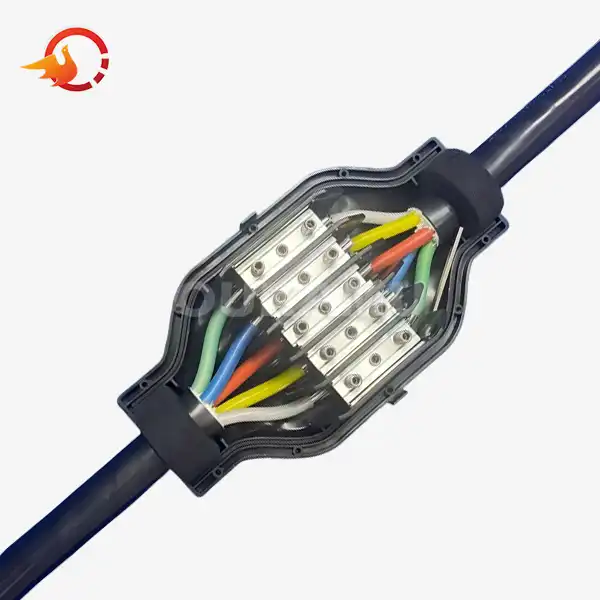
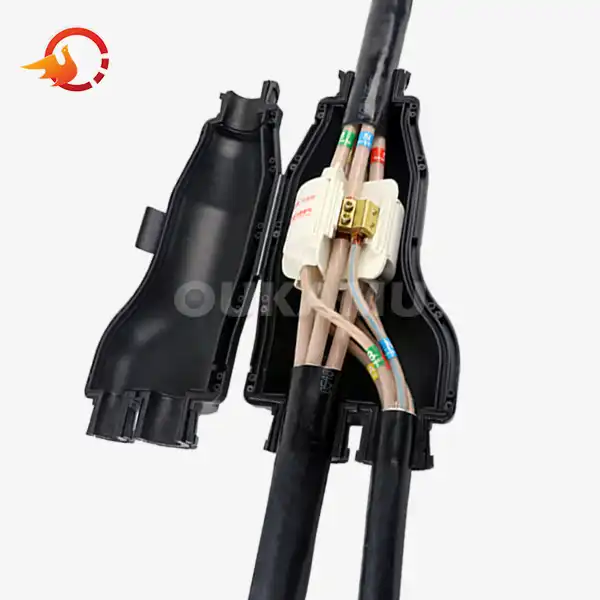
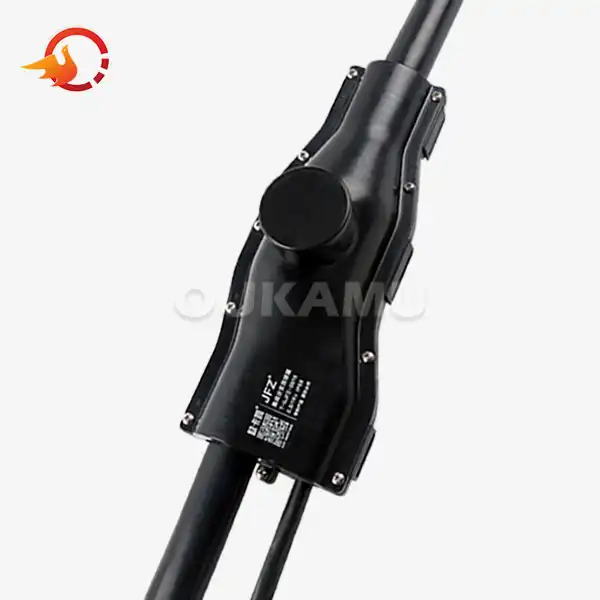
Cell Pack cable joint kits represent a specialized category of branch cable connectors designed for permanent underground installations. These kits feature gel-filled insulation technology that provides dual safety protection through both physical barriers and chemical resistance. The Cell Pack design eliminates traditional splice methods by creating secure branch connections without compromising the main cable's structural integrity.
Our T-GJFZ-70/16 model exemplifies this technology, offering IP68 waterproof protection suitable for main cables ranging from 25mm to 70mm and branch cables from 2.5mm to 16mm. The gel-filled insulation system creates an impenetrable barrier against moisture, dust, and chemical infiltration, making these kits ideal for concealed installations in wells or direct burial applications.
Construction Materials and Types
Flame-resistant insulated bodies that hold both main and branch cable connections are used to build Cell Pack devices. The unique T-connector design uses fire-resistant materials that keep the structure strong even when temperatures are very high. This building method is very different from standard heat shrink or resin-based options because it protects right away without the need for heating or curing time.
When installing heat shrink kits, they need to be heated in a controlled way, which can be hard to do in the field. Resin-based systems need specific amounts of water and time to cure, which could make the job take longer to finish. Cell Pack technology gets around these problems with pre-engineered gel insulation that starts working as soon as it's installed, making a secure seal right away.
Infrastructure Applications and Benefits
Cell Pack technology is very useful for infrastructure projects like high voltage transmission lines, underground cable networks, and industrial systems. The fact that these kits are more resistant to environmental factors makes them very useful in tough places, like coastal areas with lots of salt, industrial areas with lots of chemicals, and underground systems that can be damaged by groundwater seepage.
The easier assembly process cuts down on labor costs and project delays while raising safety standards. Installation teams can make branch connections anywhere along the main wire without having to plan out exactly where the branches will go. This gives them a lot of freedom for complicated routing situations. This flexibility is especially useful when adding new features to old infrastructure because the original cable layouts might not work with where the new equipment needs to go.
How to Choose the Right Cable Jointing Kit: Key Decision Criteria?
Selecting the appropriate cable jointing solution requires careful evaluation of technical specifications, environmental conditions, and long-term maintenance considerations. The decision-making process should balance immediate installation requirements with lifetime cost projections.
Voltage Ratings and Cable Compatibility
Voltage rating compatibility forms the foundation of safe cable jointing kit selection. Infrastructure projects must specify exact voltage requirements to ensure proper insulation levels and safety margins. Our Cell Pack systems accommodate low to medium voltage applications with specialized insulation designed for specific voltage ranges.
Cable dimension compatibility extends beyond simple diameter matching to include conductor material, insulation type, and shielding requirements. The T-GJFZ-70/16 model's broad compatibility range allows installation teams to work with various cable types without maintaining extensive inventory of specialized connectors.
Environmental Conditions Assessment
Environmental factors significantly influence jointing kit performance and longevity. Underground installations face unique challenges including soil chemistry, groundwater levels, freeze-thaw cycles, and mechanical stress from settling. The IP68 waterproof rating of Cell Pack Cable Joint Kit systems provides confidence in submersible applications where traditional splice methods would fail.
Temperature variations affect both installation procedures and long-term performance. Gel-filled insulation maintains flexibility across wide temperature ranges, preventing crack formation that could compromise electrical integrity. This characteristic proves essential in geographic regions experiencing extreme seasonal temperature swings
Performance Criteria and Comparative Analysis
Electrical insulation performance must meet or exceed industry standards throughout the expected service life. Cell Pack technology provides consistent insulation values that resist degradation from environmental exposure, chemical contact, and mechanical stress. The gel-filled design maintains homogeneous insulation properties without air gaps or thermal bridges that could create failure points.
Mechanical strength requirements vary based on installation location and expected stress levels. Underground installations may experience soil movement, vibration from nearby equipment, or impact from excavation activities. The integrated design of Cell Pack systems distributes mechanical stress across the entire joint assembly rather than concentrating forces at connection points.
Cost-performance analysis must consider both initial procurement costs and lifetime maintenance expenses. While Cell Pack systems may require higher initial investment compared to basic splice methods, the elimination of maintenance requirements and extended service life often results in lower total cost of ownership.
Installation and Maintenance Guide for Cell Pack Cable Joint Kits
Proper installation techniques and preventive maintenance practices maximize the performance and service life of cable jointing systems. Understanding these procedures helps procurement teams make informed decisions about contractor requirements and project timelines.
Step-by-Step Installation Procedure
Cable preparation begins with careful removal of outer jacketing to expose conductor and insulation layers without damaging internal components. The precision required during this step makes proper tooling essential for achieving reliable connections. Our installation procedures eliminate guesswork through clearly defined preparation steps that ensure consistent results across different installation teams.
Assembly procedures for Cell Pack systems differ significantly from traditional jointing methods. The main cable remains intact throughout the installation process, eliminating risks associated with conductor exposure and temporary power interruptions. Branch cable connections integrate directly into the pre-formed connector body without requiring field assembly of multiple components.
Quality inspection protocols verify both electrical and mechanical integrity before energizing the circuit. Visual inspection confirms proper gel distribution, seal integrity, and mechanical alignment. Electrical testing validates insulation resistance and continuity measurements that meet specified performance criteria.
Common Installation Challenges and Solutions
Moisture penetration represents the most common failure mode for underground cable joints. Cell Pack technology addresses this challenge through dual-barrier protection that prevents moisture infiltration even under sustained hydrostatic pressure. The gel-filled cavity maintains protection integrity even if the outer housing experiences minor damage during installation or service.
Mechanical damage concerns arise from improper handling during installation or inadequate protection from external forces. The compact, integrated design of Cell Pack systems reduces exposure to mechanical damage while providing robust protection when properly installed. Installation procedures emphasize proper backfill techniques and protective measures that prevent damage from future excavation activities.
Maintenance Best Practices and Service Life Extension
Regular inspection schedules should include visual assessment of above-ground components and documentation of any environmental changes that could affect joint performance. Underground installations typically require less frequent inspection due to stable environmental conditions and protection from mechanical damage.
Environmental protection measures extend beyond initial installation to include ongoing monitoring of drainage conditions, vegetation management, and coordination with other utility work that could affect joint locations. Proper documentation of installation details, testing results, and maintenance activities creates valuable reference information for future service work.
Market Overview and Procurement Insights
Understanding procurement channels and supplier evaluation criteria enables efficient sourcing of cable jointing solutions while minimizing project risks and total costs.
Authorized Distribution Networks and Online Procurement
Procurement strategies should balance product availability, technical support capabilities, and cost considerations. Direct manufacturer relationships often provide access to specialized products, technical documentation, and engineering support that may not be available through general distributors. However, local distributors may offer advantages in terms of inventory availability, reduced shipping costs, and familiarity with regional installation practices.
Online procurement platforms expand supplier options while providing transparent pricing and delivery information. However, technical products like Cell Pack cable joint kits benefit from supplier relationships that include application engineering support and customization capabilities. The complexity of infrastructure projects often requires more than simple product fulfillment.
Pricing Structures and Cost Optimization
Bulk ordering advantages extend beyond unit cost reductions to include inventory management benefits, standardized specifications, and streamlined installation procedures. Infrastructure projects with multiple phases can benefit from volume commitments that secure pricing and availability throughout project duration.
Cost optimization strategies should evaluate total project costs rather than focusing exclusively on initial product procurement. The elimination of specialized installation equipment, reduced labor requirements, and simplified inventory management can provide significant cost savings that offset higher initial product costs.
Supplier Credibility and Quality Assurance
Manufacturer certifications provide objective evidence of quality management systems, product testing capabilities, and continuous improvement processes. ISO certification, UL listings, and industry-specific approvals demonstrate commitment to quality standards that reduce procurement risks.
Customer support capabilities become critical when projects encounter unexpected challenges or require technical modifications. Suppliers with experienced application engineering teams can provide valuable guidance during specification development and troubleshooting support during installation. This technical relationship often proves more valuable than simple cost savings from alternative suppliers.
Company Introduction and Product Service Information
Xi'an Oukamu Electric Co., Ltd. brings two decades of specialized experience in branch cable connector technology to infrastructure projects worldwide. Our commitment to innovation and quality has established us as a trusted partner for electrical contractors, distributors, and engineering firms seeking reliable cable connection solutions.
Our Expertise and Product Portfolio
Our extensive product portfolio centers on Cell Pack cable joint kits designed specifically for infrastructure applications. The T-GJFZ-70/16 model represents our flagship solution, incorporating 20 years of engineering refinement and field experience feedback. This proven design has demonstrated exceptional performance across diverse applications from municipal power distribution to industrial facility installations.
Customization capabilities allow us to adapt standard products to meet specific project requirements without compromising proven design principles. Our engineering team works directly with customers to understand unique application challenges and develop tailored solutions that maintain our quality standards while addressing specific technical or environmental requirements.
Technical Support and Training Programs
Comprehensive technical support includes application engineering consultation, installation training, and ongoing technical assistance throughout project lifecycles. Our training programs ensure installation teams understand proper procedures for achieving optimal performance from Cell Pack systems. Documentation support includes detailed installation guides, technical specifications, and quality assurance protocols that support consistent installation practices across different project teams. This standardization reduces installation variability and helps ensure predictable performance outcomes.
OEM Capabilities and Global Service
OEM manufacturing capabilities enable private label production for distributors and large contractors requiring branded products for their customer base. Our flexible manufacturing processes accommodate various order sizes while maintaining consistent quality standards. Global service capabilities support international projects through strategic partnerships and direct technical support. Our understanding of different regional standards and installation practices helps ensure successful project outcomes regardless of geographic location.
Conclusion
Selecting the right cable jointing kit for infrastructure projects requires careful consideration of technical requirements, environmental conditions, and long-term performance objectives. Cell Pack Cable Joint Kit technology offers significant advantages in installation flexibility, environmental protection, and maintenance requirements that make it an ideal solution for modern infrastructure challenges. The combination of proven performance, comprehensive technical support, and flexible procurement options positions these systems as preferred solutions for electrical contractors, distributors, and infrastructure maintenance teams. By choosing proven Cell Pack technology, organizations can ensure reliable electrical connections that support critical infrastructure requirements while minimizing long-term maintenance costs and operational risks.
FAQ
What makes Cell Pack Cable Joint Kits different from traditional cable splicing methods?
Cell Pack technology eliminates the need to cut the main cable, maintaining its structural integrity while creating secure branch connections. The gel-filled insulation provides superior moisture protection compared to heat shrink or resin-based alternatives, while the integrated design simplifies installation procedures and reduces labor requirements.
How do I determine the correct Cell Pack kit size for my application?
Kit selection depends on main cable diameter, branch cable requirements, and voltage specifications. Our T-GJFZ-70/16 model accommodates main cables from 25mm to 70mm with branch cables from 2.5mm to 16mm. Technical support is available to help verify compatibility with specific cable types and application requirements.
What environmental conditions can Cell Pack systems withstand?
Cell Pack systems feature IP68 waterproof protection suitable for direct burial or submerged installations. The gel-filled insulation resists chemical corrosion, temperature extremes, and mechanical stress while maintaining electrical integrity throughout extended service life.
Are special tools required for Cell Pack installation?
Installation requires standard cable preparation tools and basic electrical testing equipment. The elimination of heating requirements or mixing procedures simplifies field installation compared to alternative jointing methods. Detailed installation guides and training support ensure proper installation techniques.
What warranty and technical support is available?
Comprehensive warranty coverage and ongoing technical support ensure reliable performance throughout product service life. Technical consultation is available for application engineering, installation guidance, and troubleshooting assistance to support successful project outcomes.
Partner with Oukamu for Superior Cable Connection Solutions
Oukamu stands ready to support your infrastructure projects with proven Cell Pack Cable Joint Kit technology that delivers exceptional performance and reliability. Our 20 years of specialized experience in branch cable connector development, combined with comprehensive technical support and flexible procurement options, makes us the ideal partner for your cable connection requirements. Whether you need standard solutions or customized configurations, our engineering team provides expert guidance to ensure optimal system performance. Contact our specialists at info@okmbranchcable.com to discuss your specific requirements and discover how our Cell Pack Cable Joint Kit manufacturer capabilities can enhance your project success.
References
1. IEEE Standards Association. "IEEE Guide for Field Testing of Shielded Power Cable Systems Using Very Low Frequency (VLF) (Less Than 1 Hz)." Institute of Electrical and Electronics Engineers, 2019.
2. International Electrotechnical Commission. "Underground Cables - General Requirements and Tests for Cables with Extruded Insulation for Rated Voltages Above 30 kV." IEC Technical Publication 62067, 2020.
3. Cable Jointing Standards Committee. "Best Practices for Underground Cable Joint Installation and Maintenance in Infrastructure Applications." National Electrical Contractors Association, 2021.
4. Smith, Robert J., and Michael Chen. "Advanced Cable Connection Technologies for Modern Infrastructure: Performance Analysis of Gel-Filled Joint Systems." Journal of Electrical Infrastructure Engineering, Vol. 45, No. 3, 2022.
5. Underground Power Systems Research Institute. "Environmental Performance Study of Cable Joint Technologies in Harsh Installation Conditions." Annual Technical Report, 2023.
6. Thompson, Sarah L. "Economic Analysis of Cable Joint System Selection for Large-Scale Infrastructure Projects." Infrastructure Technology Review, Vol. 28, No. 2, 2023.