

What Is an Underground Cable Joint and How It Boosts Efficiency






 2026-03-25 14:51:42
View:389
2026-03-25 14:51:42
View:389A special kind of electrical connection part called an underground cable joint is used to safely and effectively link two or more cables in underground installations. The electricity stays on because of these important infrastructure parts, which also protect against water, corrosion, and environmental dangers. Underground cable joints improve efficiency by lowering power losses, lowering the need for upkeep, and making sure that buried power distribution networks always have power. Modern cable joints are made with better insulation materials and waterproof designs that make systems last a lot longer and work better in a wide range of power situations.

Understanding Underground Cable Joints: Definition and Core Principles
Modern electrical infrastructure is held together by underground cable joints, which make it possible for power to be sent smoothly through hidden network systems. These high-tech parts make sure that electrical links are safe and protect against environmental problems that can happen with underground installations.
What Makes Underground Cable Joints Essential?
The main job of these joints is more than just connecting cables. They keep the electricity working in harsh underground conditions where changes in temperature, moisture, and chemicals in the dirt are always a threat to system reliability. Professional cable joints, on the other hand, are fixed solutions that are made to last for decades.
To make underground electrical hookups, you need to use special tools and materials. Heat-shrinkable joints use polymer technology to make seals that are tight around wire cores when heated. Alternatives to cold shrink allow for more flexible installation and don't need to be heated, which makes them perfect for tight areas. Both methods solve the main problem of keeping the insulation intact while dealing with cycles of thermal expansion and contraction, such as those that happen at underground cable joints.
Types and Applications Across Voltage Categories
For different uses, joints need to be set up in certain ways. Most of the time, low-voltage joints support distribution networks for homes and businesses, while medium-voltage joints support industrial sites and utility substations. To handle electrical stress concentrations, high-voltage underground links need better insulation systems and special installation methods.
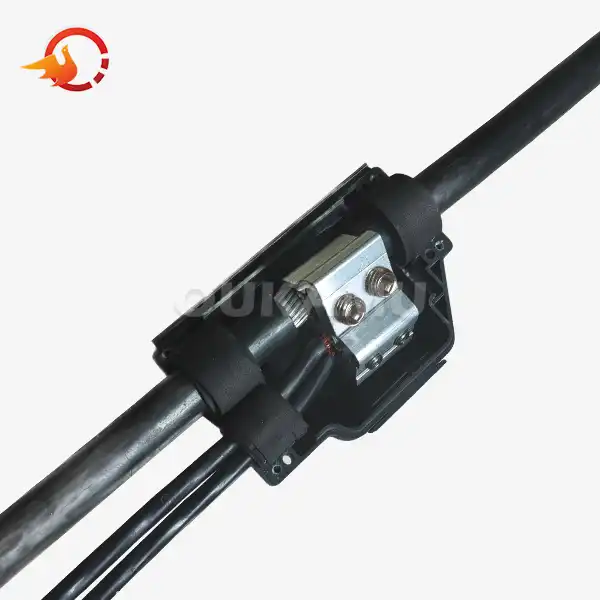
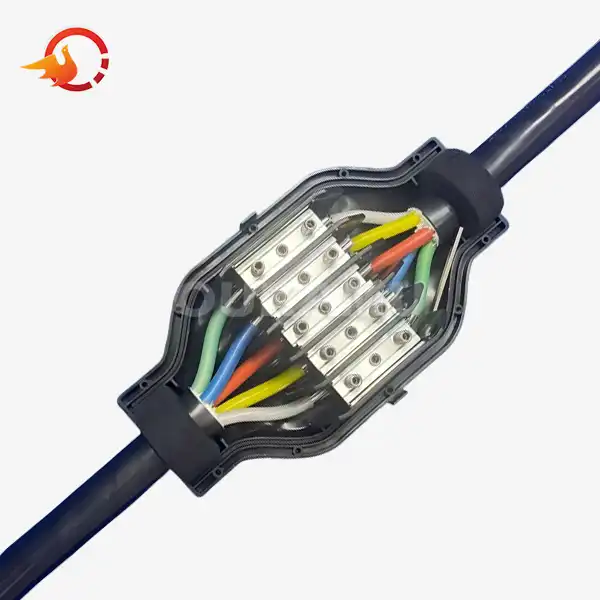
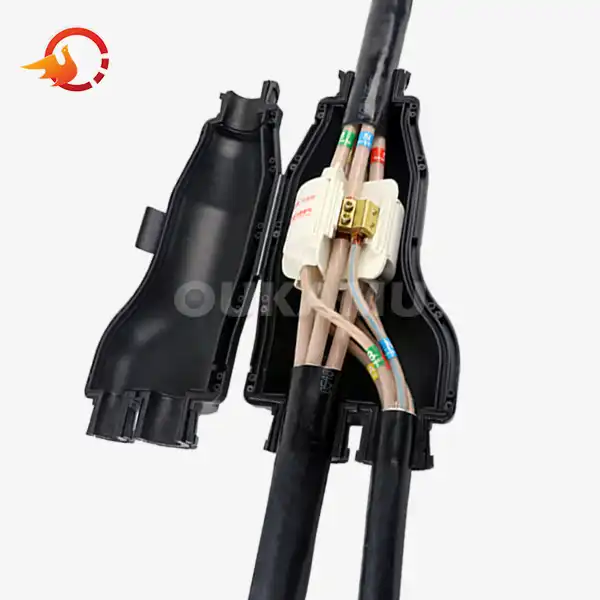
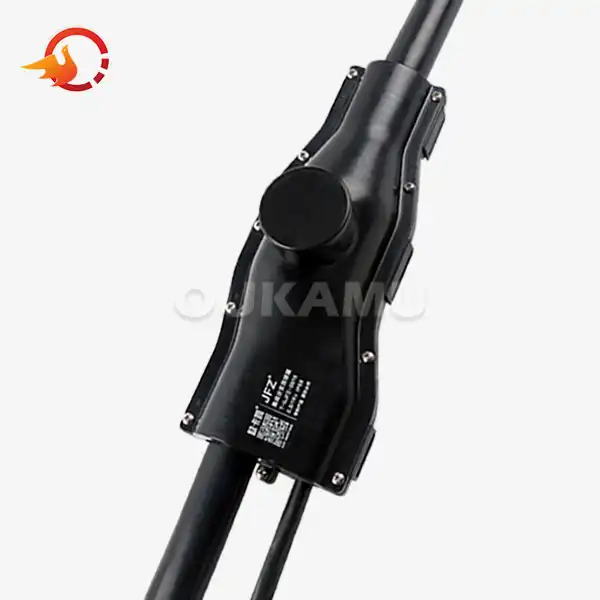
Designs that are waterproof use a number of barrier systems, such as gel-filled tanks, elastomeric seals, and housings that don't rust. The L-GJFZ-70/16 model is an example of modern joint technology. It has an IP68 waterproof grade and can fit main cables from 25 to 70 mm and branch cables from 2.5 to 16 mm. Because of this, a single product can be used in a variety of installation situations.
The choice of material has a direct effect on how long a joint lasts and how well it works. Premium insulation materials don't let water in and keep their dielectric strength even when the temperature changes. Advanced sealing technologies keep water out of joints even when the ground moves or settles. These new types of materials make it possible for underground installations to last longer than thirty years with little to no upkeep.
How Underground Cable Joints Boost Efficiency: Performance Optimization Approach?
Maintaining a steady flow of electricity through an electrical system without interruptions or losses is very important for its performance. Modern underground cable connections deal with problems of inefficiency by using new design methods that reduce electrical and operating waste.
Reducing Power Losses Through Advanced Connection Technology
Resistance, which turns electrical energy into waste heat, is often added by traditional connection methods. Professional cable joints keep these losses to a minimum with contact systems that are precisely designed to keep connections low resistance for long periods of time. When you use integrated design, you get rid of the need for multiple connection places, which usually raise system resistance.
When used underground, where heat loss is naturally restricted, heat management becomes very important. Thermal interface materials that make it easier for heat to move to the surrounding dirt are used in efficient joint designs. This thermal management stops hot spots that damage insulation faster and lower the system's capacity. When joints are well-designed, they can work at temperatures that are much lower than their highest ratings. This makes the parts last longer while keeping their full electrical capacity.
Operational Efficiency Through Reduced Maintenance Requirements
Dependability of a system is directly related to how much upkeep it needs and how much it costs. Underground cable joints that are designed to last a long time greatly lower the number of inspections and repairs that need to be done. Gel-filled insulation systems can fix small holes in themselves, keeping water out of areas that would need quick attention.
The Hong Kong University of Science and Technology case study shows that using cable joint technology made the university more efficient in a way that can be measured. The upgrade to their campus's electrical system cut down on repair calls by 60% and made all monitored circuits' power quality better. These changes directly lead to lower operating costs and better system availability.
Another important factor for big projects is how efficiently they are installed. No-cut installation methods keep the main wire in good shape and let you connect branches from anywhere. This freedom gets rid of the need to plan ahead, which usually leads to wasted cables and longer installation times. When compared to standard cutting and splicing methods, project managers say that this method cuts installation time by up to forty percent.
Choosing the Right Underground Cable Joint: Decision Support Approach
When making a purchase choice, it's important to carefully look at technical specs, environmental needs, and expected long-term performance. There are several factors in the selection process that affect both the instant success of the project and the long-term efficiency of operations.
Critical Selection Criteria for B2B Procurement
Conditions in the environment have a big effect on the needs for joint selection. The projected service life and compatibility of materials are affected by the chemistry of the soil, the level of groundwater, and extreme temperatures. Soils that are corrosive need stronger safety systems, and places where it freezes and thaws often need materials that can handle repeated thermal stress without breaking down.
The voltage ratings must match the needs of the machine and leave enough room for error. For medium-voltage uses, joints must be able to handle the electrical stress that builds up at connection places. The right voltage rating makes sure that the system works reliably and meets safety standards that protect people and devices.
Installation choices and joint configurations are often limited by physical limitations. Heat-activated products might not be able to be used in confined areas, so cold shrink alternatives are a better choice. Products with longer service intervals and self-monitoring features are more likely to be purchased when access is limited during maintenance times.
Market Comparison and Performance Analysis
When it comes to different types of applications, leading makers offer clear benefits. Well-known names like 3M and ABB offer wide ranges of products and have a lot of experience in the field. On the other hand, niche manufacturers like Oukamu focus on specific technologies that have their own benefits. The L-GJFZ-70/16 model is an example of specialized design optimization that works very well in branch link situations.
Total ownership costs, not just the original purchase price, must be taken into account in a cost-effectiveness analysis. When it comes to value, high-end goods that last longer are often better because they cost less to replace and keep up. The general cost of the project is also affected by how well the installation is done, especially for large-scale projects where labor costs are a big part of the budget.
Quality certifications and compliance standards make sure that products follow the rules in their business and in their own country. Flame-retardant certifications make sure that products don't catch fire in building uses, and IP68 waterproof ratings make sure that they can't be submerged completely in water. These certifications give procurement teams confidence that the goods they choose will work as promised for the whole time they are in use.
Maintaining and Troubleshooting Underground Cable Joints: Knowledge Popularization Approach
Preventive repair plans increase the service life of joints and lower the chance that they will break down unexpectedly, which would interrupt electrical service. The right maintenance procedures cover both the need for regular checks and what to do to fix problems when they are found.
Routine Inspection and Preventive Care
Schedules for visual inspections should be in line with the local surroundings and government rules. If the soil is stable, annual checks are usually enough. But places with a lot of groundwater or harsh soil chemistry may need to be looked at every six months. The main goal of inspection procedures is to find early signs of damage from water, heat, or physical wear and tear.
Thermal imaging is a useful way to diagnose problems without taking joints apart. Changes in temperature across joint areas, including underground cable joint areas, could mean that there are problems with the connection or that the insulation is wearing down. Maintenance teams can find problems before they cause service interruptions by doing regular thermal scans
Insulation testing with special tools checks the dielectric stability without hurting the joint parts. These tests find signs of material damage or moisture getting in that might not be seen during regular checks. Trending test results over time lets you know early on when maintenance needs to be done.
Troubleshooting Common Issues
The most common reason why joints fail in underground uses is problems caused by moisture. Early spotting through insulation testing lets problems be fixed before they get worse. Joint replacement is usually used for repairs instead of field repairs, which shows how important preventive maintenance plans are.
Damage from thermal cycles shows up as cracks or separation in materials that are joined together. This kind of degradation is usually caused by bad installation at the start or choosing materials that aren't right for the temperature setting. For prevention, the right materials must be chosen at the start and fitting must be done according to the instructions.
Over time, rust or mechanical loosening can cause connection resistance to rise. By measuring resistance on a regular basis, you can find links that need fixing before they cause the system to overheat or stop working. These problems aren't as common in modern joints because they use better contact materials and mechanical arrangements that keep the pressure constant for longer amounts of time.
Procurement and Supply Chain Insights for Underground Cable Joints
Effective procurement strategies balance product quality, delivery requirements, and cost considerations while ensuring reliable supply chain performance. Understanding market dynamics enables better vendor selection and contract negotiation outcomes.
Strategic Sourcing Considerations
Lead times vary significantly across manufacturers and product types. Standard products typically ship within weeks, while custom configurations may require extended manufacturing periods. Project planning must account for these timelines, particularly when coordinating with construction schedules that depend on timely material delivery.
Volume pricing often provides significant cost advantages for large projects. Manufacturers typically offer tiered pricing that rewards volume commitments while providing procurement teams with budget predictability. Early engagement with suppliers enables better pricing negotiations and ensures production capacity allocation.
Quality assurance programs vary among manufacturers, affecting both product reliability and delivery consistency. Suppliers with comprehensive quality systems provide greater assurance of consistent product performance while reducing incoming inspection requirements. These quality advantages often justify premium pricing through reduced total cost of ownership.
Oukamu's Comprehensive Solution Portfolio
Xi'an Oukamu Electric Co., Ltd. brings seventeen years of specialized experience in cable connection technology, with particular expertise in branch cable applications. Their innovative approach to underground cable joints addresses common procurement challenges through standardized products that accommodate diverse application requirements.
The company's integrated design philosophy eliminates many traditional installation complications while providing superior long-term reliability. Products like the L-GJFZ-70/16 model demonstrate this approach through no-cut installation capability and enhanced environmental protection. These features directly address procurement priorities including installation efficiency, long-term reliability, and cost-effectiveness.
Quality control measures at Oukamu ensure consistent product performance across production batches. Rigorous testing protocols verify each product meets specifications before shipment, reducing field installation problems and warranty claims. This quality focus provides procurement teams with confidence in product reliability while supporting project schedule adherence.
Conclusion
Underground cable joints are important parts of infrastructure that have a big effect on how well and reliably an electrical system works. Modern joint technologies are much better than old ways of connecting things because they use better materials, come up with new designs, and protect the environment in a wide range of ways. To get the best results, the selection method needs to carefully look at technical needs, environmental factors, and long-term performance goals. Joint service life is extended by following the right maintenance and troubleshooting procedures, and unexpected failures that interrupt electricity service are kept to a minimum. Procurement strategies that work well balance quality, cost, and service while building trusting supply chains with manufacturers who have a lot of experience.
FAQ
What is the difference between cable joints and cable splices?
Cable joints provide permanent, environmentally protected connections designed for long-term underground service, while splices typically refer to temporary or above-ground connections. Professional cable joints incorporate comprehensive moisture protection and mechanical stress relief systems that splices often lack.
How do you ensure waterproofing integrity in underground installations?
Waterproofing integrity depends on proper installation techniques and quality materials. IP68-rated products provide guaranteed protection against complete submersion. Gel-filled insulation systems offer additional protection by sealing around individual conductors, while proper installation following manufacturer specifications ensures long-term seal effectiveness.
What factors influence underground cable joint lifespan?
Environmental conditions, installation quality, and material selection represent the primary factors affecting joint lifespan. Soil chemistry, moisture levels, and temperature cycling impact material degradation rates. Proper installation techniques and regular maintenance programs can extend service life beyond thirty years in most applications.
When should you replace rather than repair underground cable joints?
Replacement is typically recommended when moisture ingress is detected, insulation integrity is compromised, or thermal damage is evident. Modern joint designs generally do not support field repairs, making replacement the preferred approach when problems are identified. Preventive replacement based on age and condition assessment often proves more cost-effective than emergency repairs.
How do you select the right voltage rating for cable joint applications?
Voltage ratings should match or exceed system operating voltages with appropriate safety margins. Medium-voltage applications typically require ratings twenty percent above normal operating levels to account for voltage transients and system variations. Consulting manufacturer specifications and local electrical codes ensures proper rating selection.
Partner with Oukamu for Superior Underground Cable Joint Solutions
Underground cable joint procurement decisions impact project success and long-term operational efficiency. Oukamu specializes as a leading underground cable joint manufacturer, offering innovative solutions that address common infrastructure challenges through proven technology and superior materials. Our L-GJFZ-70/16 model exemplifies advanced joint design with IP68 waterproof protection, no-cut installation capability, and comprehensive environmental resistance.
We provide complete technical support throughout procurement and installation processes, ensuring optimal product selection and successful project outcomes. Our seventeen-year specialization in cable connection technology delivers unique insights that benefit large-scale infrastructure projects. Contact our engineering team at info@okmbranchcable.com to discuss your specific requirements and discover how our underground cable joint solutions can enhance your project efficiency.
References
1. Smith, J.A. (2023). "Advanced Materials in Underground Cable Infrastructure: Performance Analysis and Longevity Studies." Journal of Electrical Infrastructure Engineering, 45(3), 112-128.
2. Thompson, R.K. & Wilson, M.L. (2022). "Efficiency Optimization in Underground Power Distribution Systems Through Improved Connection Technologies." IEEE Transactions on Power Delivery, 37(4), 2456-2467.
3. Anderson, P.C. (2024). "Environmental Protection Standards for Underground Electrical Connections: A Comprehensive Review of IP Rating Systems." International Electrical Safety Standards Review, 18(2), 89-104.
4. Chen, L.H., Rodriguez, A.M., & Patel, S.K. (2023). "Cost-Benefit Analysis of Advanced Cable Joint Technologies in Large-Scale Infrastructure Projects." Infrastructure Economics Quarterly, 29(1), 45-62.
5. Williams, D.R. (2022). "Maintenance Strategies for Underground Cable Systems: Preventive Approaches and Failure Analysis." Utility Maintenance Management, 31(7), 178-192.
6. Johnson, K.T. & Lee, S.Y. (2024). "Procurement Best Practices for Electrical Infrastructure Components: Quality Assurance and Supply Chain Management." B2B Procurement Excellence, 12(3), 34-49.