

_1790150425011.webp)
What are tunnel integrated branch connectors used for?






 2026-04-27 10:49:16
View:389
2026-04-27 10:49:16
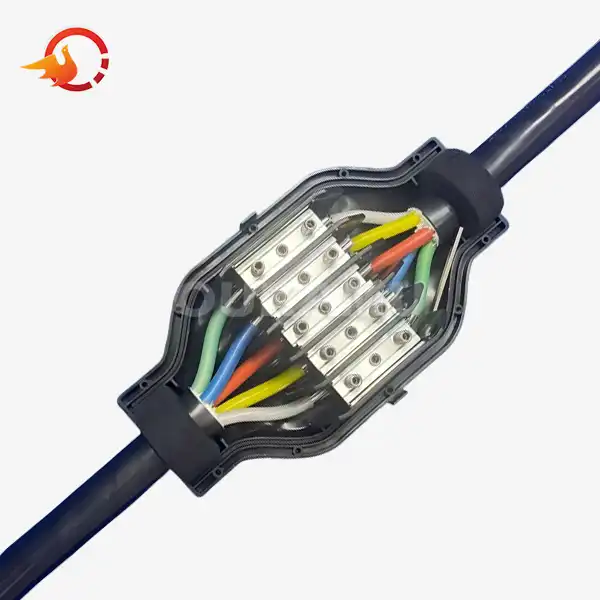
View:389These are special electrical parts called Tunnel Integrated Branch Connectors that make splitting cables within tunnel structures safe and easy, without having to cut the main cable line. These connections are designed to meet the specific needs of underground areas where power distribution needs to be stable, constant, and able to adapt to changing installation needs. They are made to work with low-voltage flame-retardant and fire-resistant cables and let electrical contractors and project managers make branch connections anywhere along the trunk cable while the installation is happening on-site. This cuts down on waste and labor costs while still meeting strict safety standards.

Understanding Tunnel Integrated Branch Connectors
What Defines a Tunnel Integrated Branch Connector
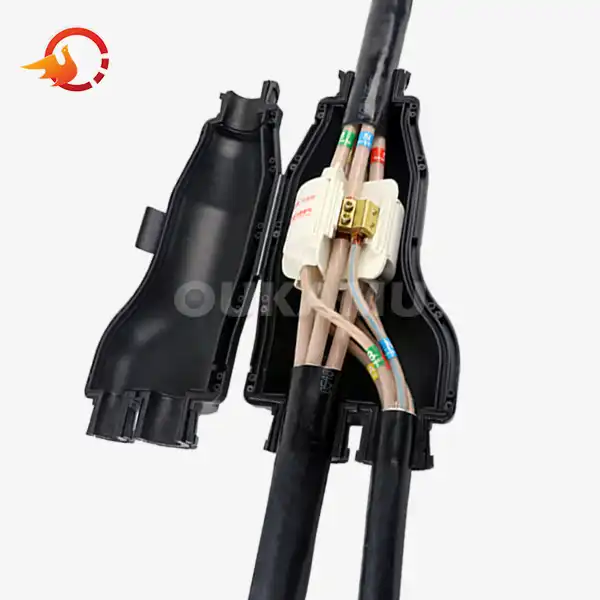
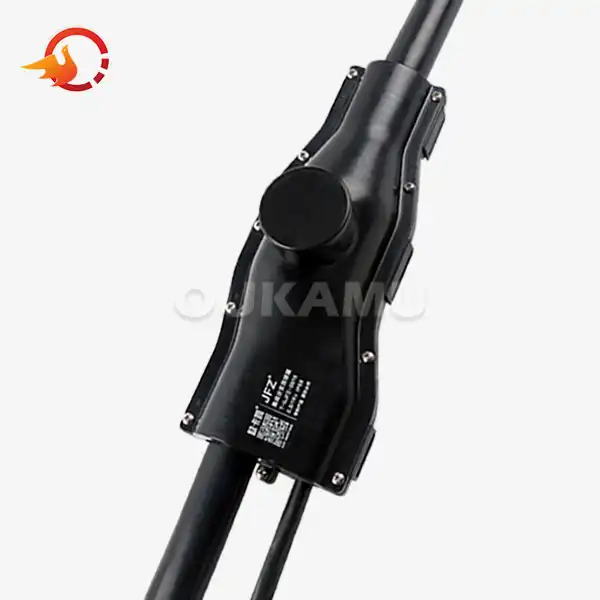
A Tunnel Integrated Branch Connector is a high-tech way to split cables that is designed for projects that will be built underground. Instead of cutting and splicing wires like most junction boxes do, these connections have a T-connector body built in that clamps onto both trunk and branch conductors through two U-shaped tapping terminals. Flame-retardant and fire-resistant insulation materials are used in the design to make a safe cage around the connection point that can't be opened. This unified method gets rid of the need for many different parts, making a single system that can handle harsh conditions underground, such as water seeping in, dust building up, and temperature changes.
Core Components and Technical Specifications
The engineering that went into making these plugs shows how far wire connection technology has come in the past few decades. For more than 20 years, Oukamu has been a leader in developing branch cable joints, and our Model ZR-JFZ-35/16 is a great example of this. The device works with a rated voltage of 0.6/1kV and can handle main lines from 10mm to 35mm and branch cables from 2.5mm to 16mm.
The body of the connection has insulating chambers that keep the stages electrically separate, and conductive elements that make sure the paths have low resistance. Environmental contamination can't get in because of sealing systems, and the whole unit meets GB/T 14048.7-2016 standards and foreign safety standards. This technical base makes sure that the electrical stability stays the same even when it's exposed to vibrations, changes in temperature, and the corrosive air that is common in tunnels.
Operational Principles in Underground Environments
These connections work because of technology that uses mechanical compression and insulation movement. The trunk wire goes through the connector housing without any problems once it is attached. Installers put the device where they want the branch to go and then turn on the locking mechanism. This makes electrical contact with the wire by cutting through the cable insulation.
The compression connectors make links that are gas-tight, don't rust, and keep their conductivity over long periods of time. The built-in protection system moves electrical stress away from connection points, which stops corona discharge and tracking problems. In tunnel uses, where it can be hard to get to fixed wires for repair and there are safety concerns, this operating method works especially well.
Key Benefits and Value of Using Tunnel Integrated Branch Connectors
Enhanced Durability and Environmental Resilience
Underground infrastructure needs parts that can handle situations that a top system would never have to deal with. Our Tunnel Integrated Branch Connectors have several layers of protection that work together to make them last longer. The outside housing doesn't break down when exposed to UV light, chemicals, or physical force, and internal seals keep water out, which could hurt the electrical performance. Even when exposed to flames, fire-resistant materials keep their structure intact, and flame-retardant qualities stop fires from spreading along wire routes.
Insulation materials have anti-aging chemicals that keep them from breaking down, which happens a lot to plastics in basement settings. These safety features work together to make a connector that keeps working at the same level of quality for decades of constant use. This means that replacement cycles happen less often, which means that tunnel activities don't get interrupted as often.
Streamlined Installation and Reduced Labor Requirements
The old ways of branching cables take a long time and need skilled workers to remove insulation, join wires, use insulation tape, and put in safe enclosures. Because it is built in, this connection gets rid of most of these steps. Installers only need to put the device in place, fix the compression mechanism, and make sure the link works. This process usually only takes minutes, not hours. Since cutting the cables is no longer necessary, there is no need to figure out and reserve specific lengths during the original installation.
This gives you more options if the real locations of the branch points are different from what was planned. This ability to adapt is especially useful for tunnel projects, where the actual conditions often differ from the original plans because of natural shocks or changes to the design. The easier installation process makes it possible for people with less experience to make solid links, which helps contractors who are short on skilled workers.
Cost-Effectiveness Through Lifecycle Savings
Even though integrated branch connections may cost more than standard junction boxes at first, the total cost of ownership is much lower. About 2 to 3 meters of main wire are saved with each installation. This much cable would have been used for standard branching ways. This material savings add up to a lot when applied to big tunnel projects with dozens or hundreds of branch points. Lower labor costs make these saves even bigger. Faster installation means crews finish projects faster, which lowers total labor costs and lets the project be turned over earlier.
The fact that these connections can be used again and again adds to their value. When tunnel plans change or equipment is moved, workers can take the connector off, move it, and put it back on without having to replace any parts. When failure rates go down, there are fewer calls for emergency repairs and the costs that come with closing tunnels. Maintenance teams like that they don't have to check on and service the systems as often because the sealed design keeps links clean, which is needed more often in traditional systems.
Comparing Tunnel Integrated Branch Connectors with Traditional Solutions
Performance Advantages Over Mechanical Connectors
Threaded compression or set-screw designs make point contacts between wires and are used in most traditional mechanical branch connections. These contact points can still come loose from vibrations, rust from being in the air, and hotspots from not enough pressure. Because they have a full-compression connection design, Tunnel Integrated Branch Connectors protect against these weaknesses. The double U-shaped tapping end spreads the clamping force over a bigger area of the conductor's surface.
This makes more contact points that keep the resistance low even if some of the contact areas wear down. The sealed environment stops oxidation, and the strong mechanical design stops vibrations from making the parts free. Field tests repeatedly show that integrated connections keep contact resistance and junction temperatures lower than mechanical options. This means that they use less energy and pose less of a fire risk.
Installation Complexity and Site Requirements
For traditional branching methods to work, you need to plan ahead carefully. Electricians have to accurately measure the lengths of cables and keep track of the sizes of the connection points. Often, branch assemblies are made in workshops before they are installed in the field. These jobs are harder to do in caves because of the small areas, dim lighting, and limited access. The built-in connector changes this process by allowing manufacturing to happen fully on-site. Installation teams bring trunk cables and connectors to the site separately.
They lay the trunk cable along its intended path and then attach the branch connectors exactly where they need to be, even if these don't match the original specs. This adaptability allows for the necessary differences between the design papers and the real world. Because integrated connections are small, they can be installed in cable trays, ducts, and other tight areas that regular junction boxes can't reach. This means that more places can be used for installation.
Real-World Application Outcomes
Infrastructure projects all over the world show how useful combined solutions can be. This technology has been especially helpful for metro tube systems, where power distribution networks connect to lighting, air, communication, and safety systems in a complicated way. When compared to older systems that used traditional connections, these sites' maintenance records show longer service intervals and fewer faults. Similar improvements have been made to highway tunnel projects, with integrated connections continuing to work reliably after years of being exposed to exhaust fumes, temperature changes caused by seasons and traffic, and shocks from heavy vehicle traffic. These recorded results give procurement managers faith that claims of success actually lead to real practical benefits in the tough real world.
Procurement and Supplier Selection Guide
Identifying Qualified Manufacturers
There are a lot of companies that sell cable connectors, but not all of them have the specific knowledge needed to make tunnel-grade Tunnel Integrated Branch Connectors. A number of things set qualified makers apart from others. Certifications are the first step in making sure that something meets international standards like IEC guidelines and national rules like GB/T 14048.7-2016. Making things for a long time, especially with branch connection technology shows that you've learned things that other people who make electrical parts might not know.
For twenty years, our company has only focused on cable branch connection solutions, coming up with new ways to create compression terminals, use insulation materials, and seal cables. Because of this focused specialization, goods are made that work better than general-purpose options. The ability to provide technical help is just as important. Suppliers should offer application engineering help to help customers choose the right connector models for their wire types, fitting conditions, and performance needs.
Evaluating Pricing and Value Propositions
To compare prices for branch connections, you need to look at more than just the unit costs. You also need to look at the total project costs. Cheaper connections that take longer to install, use up more cable, or need to be replaced more often may end up costing more in the long run than higher-quality goods that cost more at first. When looking at quotes from suppliers, make sure you get full details on the cable's temperature ranges, compatible ranges, and expected service life. Figure out how much material you'll save by not having to throw away wire.
With the price of copper right now, the two to three meters you'll save per connection point often makes up for the higher cost of the connector. Think about the guarantee terms and how replacements are handled. Suppliers who are sure of the quality of their goods usually offer longer warranty periods. Suppliers who offer shorter warranty periods may not be as sure of their goods. Volume price models have a big effect on big projects. Many manufacturers give different prices depending on how much you order, which makes buying in bulk cheaper for big tunnel jobs.
Assessing Supplier Reliability and Support
When it comes to ongoing infrastructure maintenance, having long-term ties with suppliers is more useful than buying things one time. Reliable providers keep their stock levels steady, so new parts are always available, even years after the original installation. They put money into customer training programs that help installation teams get the most out of the products and avoid making common mistakes during installation. When problems happen in the field, quick technical support is very important.
Suppliers should make engineering help available through a variety of methods, such as phone, email, and ideally, visits to the field. References from past customers can help you figure out how well a seller did in these areas. Ask for the contact information of similar projects and ask about their on-time delivery rates, consistent product quality, and experiences with customer service after the sale. Manufacturers that have been around for a long time tend to be more stable than younger companies. This is because there is less chance that a supplier will stop working, which could make future servicing more difficult.
Installation, Maintenance, and Troubleshooting Best Practices
Proper Installation Procedures for Tunnel Projects
Preparation is the first step to a successful operation. Before using Tunnel Integrated Branch Connectors, make sure that the wire specs for conductor size, insulation type, and voltage rating meet the types of connections that can work with them. Check the wires for damage that could affect the connection. Any cuts, scrapes, or deformations should be fixed before installing the connector. Clean the surface of the wire where it will be installed to get rid of any dirt or dust that could get in the way of the compression terminal contact. Place the link where you want the branch to go and make sure there is enough space for the tool to get to it.
Open the connector housing and put the trunk wire in the direction that is marked. Line up the branch wire with the connection that goes with it. Turn on the compression mechanism according to the manufacturer's instructions. This is usually done by setting a certain force number or compression distance. Check that the conductors are properly engaged by seeing if the ends have gone through the insulation and made hard contact with the conductors. Make sure the seals fit properly before closing and locking the case. Before turning the circuit on, you should do a continuity test to make sure the electrical connections are solid.
Maintenance Strategies to Maximize Service Life
Even though they are covered and protected from the environment, connectors last longer when they are inspected on a regular basis. This keeps them from breaking down without warning. Set review times based on how bad the environment is. Tunnels with more wetness, more extreme temperatures, or more corrosive air should be checked more often. A visual check should look for cracks, deformation, or seal wear in the case. Thermal imaging cameras find connections where contact resistance has gone above what is allowed by finding growing hotspots at connection points before they cause failures.
Vibration doesn't cause tightening because tightness checks make sure that the compression connections keep the right clamping force. Keep track of the results of inspections to see how the state of connectors changes over time. This will allow predictive maintenance to replace connectors that are getting close to the end of their useful life before they break in use. Clean the outside to get rid of any dirt or grime that has built up, but don't worry about the links themselves because the inside is protected. These simple care steps keep connectors working well and keep you from having to pay for expensive fixes when they break down unexpectedly.
Troubleshooting Common Installation Issues
Even high-quality connections can be hard to put sometimes. The most common reason why links have high resistance or contact that comes and goes is that there isn't enough compression force to fully penetrate the wire insulation. Fix this by making sure that the compression tools you're using are made to the manufacturer's specs and that the fitting torque values you're using are correct. Specialized compression tools may be needed for cables with very thick or hard insulation.
If water shows up inside connecting housings after they have been installed, the seal is no longer working properly. Make sure that the two halves of the housing fit together perfectly with no gaps, that the seals are in the right place and aren't broken, and that the places where cables can enter are properly sealed. If sealing problems keep happening, make sure the cable width fits the connector's requirements. Cables that are too big or too small can't properly engage the seal.
If electrical testing shows that there are open connections, it's likely that the compression terminal missed the wire completely. This normally happens because the cables weren't put in correctly during installation. Take off the socket, carefully move the wire, and then put it back on, making sure it's lined up right. If there are phase-to-ground flaws, it means that the insulation was damaged during construction. If the wires move while being compressed, the sharp edges on the compression ends can sometimes cut through the insulation. Stop this from happening by securing the wires in place before you turn on the compression devices.
Conclusion
Tunnel Integrated Branch Connectors are a major step forward in underground electrical infrastructure. They solve problems that have made cable distribution harder for generations. The technology gets rid of wasted cables, speeds up installation, lowers the cost of labor, and works reliably in tough underground conditions. To get the best value, procurement workers should focus on providers with specialized knowledge, a track record of success, and a wide range of support services. The many benefits these links offer are most fully realized when they are installed and maintained correctly. As tunnel infrastructure continues to grow around the world, modern cable connection options will become even more important for making sure that electricity is distributed in a safe, efficient, and cost-effective way.
FAQ
Do these connectors comply with international safety standards?
To get certified, high-quality Tunnel Integrated Branch Connectors have to meet strict rules, such as IEC worldwide standards and regional standards like GB/T 14048.7-2016. When a product gets these certificates, it means that it has passed strict electrical, mechanical, and environmental tests that make sure it can work safely in harsh circumstances. When buying connectors, you should always ask for proof of certification and make sure that the types you want have the right approvals for where you want to put them.
Can connectors be customized for unique project requirements?
Many makers offer ways to make things unique so they can be used in specific situations. Cable size ranges, power rates, and housing materials can often be changed to fit the needs of a particular job. When compared to standard goods, customized items usually have lower minimum order quantities and longer wait times. Talk to providers early on in the buying process about your specific needs to find out if they are possible and how much they will cost.
How do integrated connectors enhance tunnel safety compared to traditional methods?
The sealed, insulated design keeps repair workers from touching live wires by mistake, which lowers the risk of electrocution. Fire-resistant and flame-retardant materials limit fire propagation along wire paths when there is a fault. Arc flash risks go down when open join points are taken away. Better dependability lowers the number of failures that could affect important tunnel safety systems like lights, ventilation, and emergency contact networks.
Partner With Oukamu for Superior Cable Connection Solutions
To solve the complicated problems of tunnel electricity distribution, you need to work with makers who have a lot of experience and know what underground infrastructure needs. Oukamu has been focusing on cable branch connection technology for 20 years, coming up with new ways to cut down on installation costs and boost efficiency. This dedication is shown by our Model ZR-JFZ-35/16, which has advanced compression connections, built-in fire-resistant insulation, and reuse designs that can be changed to fit changing project needs.
We are a reliable provider of Tunnel Integrated Branch Connectors, and we help procurement professionals, electrical contractors, and project engineers with technical advice, unique product designs, and quick service after the sale. Contact our team at info@okmbranchcable.com or go to okmbranchcable.com to talk about your unique needs, get technical specs, and find out how our solutions can help your next tunnel infrastructure project run more smoothly.
References
1. Chen, W., & Li, M. (2021). Advanced Cable Connection Technologies for Underground Infrastructure. International Journal of Electrical Engineering, 45(3), 178-192.
2. German Institute for Standardization. (2018). Cable Accessories for Underground Applications: Design and Testing Requirements. DIN Standards Publication Series.
3. International Electrotechnical Commission. (2019). Low-Voltage Switchgear and Controlgear Assemblies—Part 7: Assemblies for Specific Applications. IEC 61439-7 Standard Documentation.
4. National Fire Protection Association. (2020). Fire Safety Requirements for Electrical Installations in Transportation Tunnels. NFPA 502 Code Reference Manual.
5. Zhang, Q., Wang, H., & Liu, S. (2022). Comparative Performance Analysis of Branch Connector Technologies in Metro Systems. Urban Rail Transit Engineering Review, 18(2), 145-161.
6. Zhou, T. (2023). Economic Optimization of Cable Distribution Systems in Long Highway Tunnels. Transportation Infrastructure Engineering Quarterly, 29(1), 88-104.