

_1790150425011.webp)
Resin Compounds in Electrical Wiring: What You Need to Know






 2025-11-11 16:02:56
View:389
2025-11-11 16:02:56
View:389When it comes to electrical wiring, safety and reliability are paramount. One crucial component that plays a significant role in ensuring these aspects is resin compounds. These versatile materials have revolutionized the way we approach cable jointing and insulation in various electrical applications. In this comprehensive guide, we'll explore the world of resin compounds in electrical wiring, their types, benefits, and how to apply them effectively.

Types of Resin Compound Used in Cable Joints
Resin compounds come in various formulations, each designed to meet specific requirements in electrical wiring applications. Let's delve into the most common types:
Epoxy Resin Compounds
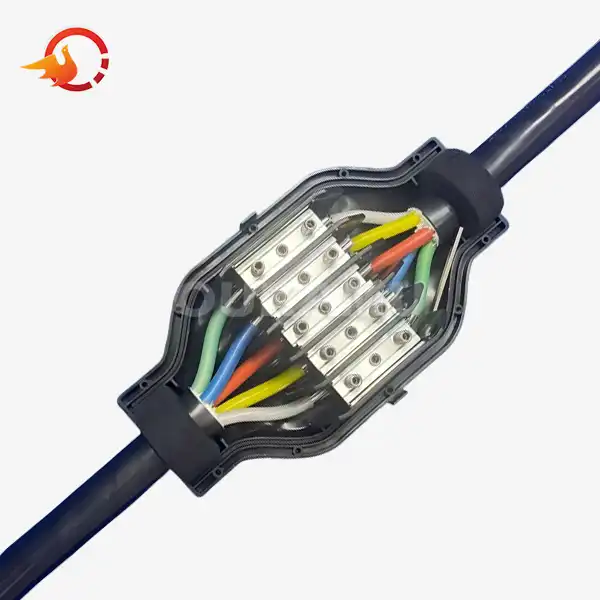
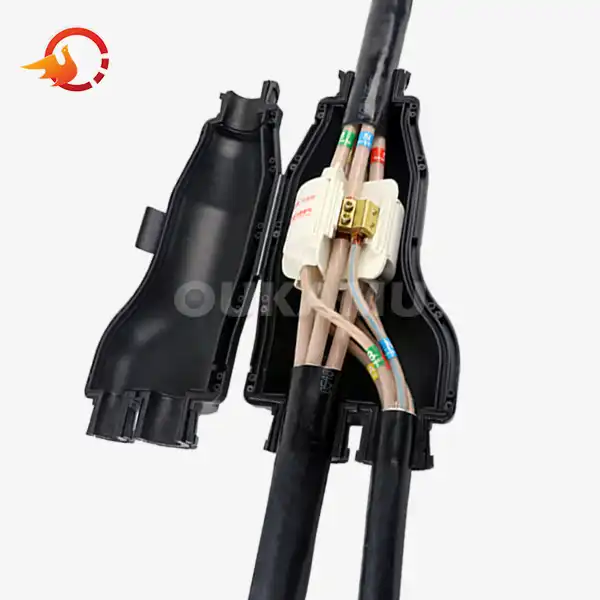
Epoxy resin compounds are widely used in electrical wiring due to their exceptional properties. These compounds offer excellent electrical insulation, mechanical strength, and resistance to chemicals and moisture. OUKAMU, a leading manufacturer of cable connection products, utilizes high-quality epoxy resins in their cable branch connectors to ensure optimal performance and longevity.
Polyurethane Resin Compounds
Polyurethane resin compounds are known for their flexibility and durability. They provide excellent protection against moisture and mechanical stress, making them ideal for outdoor and underground cable connections. OUKAMU's branch cable technology incorporates polyurethane resins to enhance the overall reliability of electrical systems in challenging environments.
Silicone Resin Compounds
Silicone resin compounds offer superior heat resistance and maintain their properties over a wide temperature range. These compounds are particularly useful in high-temperature applications and environments where thermal cycling is a concern. OUKAMU's innovative cable connection solutions often incorporate silicone resins to ensure optimal performance in extreme conditions.
Hybrid Resin Compounds
Hybrid resin compounds combine the best properties of different resin types to create a superior product. These compounds often blend epoxy and polyurethane resins to achieve an optimal balance of strength, flexibility, and insulation properties. OUKAMU's research and development team continuously works on developing advanced hybrid resin formulations to meet the evolving needs of the electrical industry.
Benefits of Resin Compound for Electrical Safety
Resin compounds offer numerous advantages in electrical wiring applications, significantly enhancing safety and reliability. Let's explore the key benefits:
Superior Insulation Properties
One of the primary benefits of resin compounds is their excellent insulation properties. These materials effectively prevent current leakage and short circuits, ensuring the safety of electrical systems. OUKAMU's resin-based cable branch connectors provide top-notch insulation, minimizing the risk of electrical failures and accidents.
Moisture and Chemical Resistance
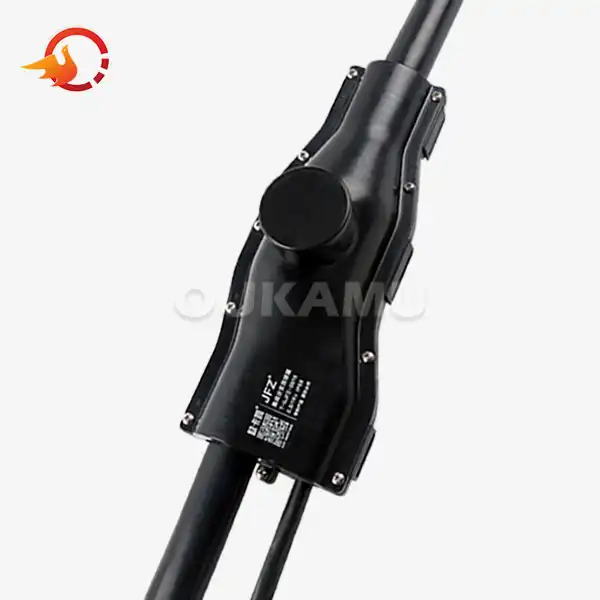
Resin compounds create a protective barrier against moisture, chemicals, and other environmental factors that can degrade electrical connections over time. This resistance is particularly crucial in outdoor and industrial applications where exposure to harsh elements is common. OUKAMU's resin-based products, such as their IP68-rated branch cable connectors, offer unparalleled protection against water ingress and chemical exposure.
Enhanced Mechanical Strength
Resin compounds significantly improve the mechanical strength of cable joints and connections. They provide excellent resistance to vibration, impact, and thermal stress, ensuring the longevity and reliability of electrical systems. OUKAMU's resin-based solutions are designed to withstand the rigors of various applications, from construction sites to transportation infrastructure.
Improved Thermal Management
Many resin compounds offer excellent thermal conductivity, helping to dissipate heat generated in electrical connections. This property is crucial in high-power applications where heat buildup can lead to premature failure or reduced efficiency. OUKAMU's advanced resin formulations are optimized for thermal management, ensuring the longevity of electrical systems in demanding environments.
Simplified Installation and Maintenance
Resin compounds often allow for simpler installation processes compared to traditional methods. They can be poured or injected into cable joints, creating a seamless and durable connection. This ease of application reduces installation time and costs while ensuring consistent quality. OUKAMU's user-friendly resin-based products simplify the installation process, making them a preferred choice for electricians and contractors.
Long-Term Cost Savings
While the initial cost of resin-based solutions may be higher than some traditional methods, they offer significant long-term cost savings. The durability and reliability of resin compounds reduce the need for frequent maintenance and replacements, resulting in lower lifecycle costs. OUKAMU's high-quality resin products provide excellent value for money, offering long-lasting performance and reduced maintenance requirements.
How to Apply Resin Compound in Wiring Projects?
Proper application of resin compounds is crucial to ensure their effectiveness and longevity. Here's a step-by-step guide to applying resin compounds in electrical wiring projects:
Preparation
Before applying the resin compound, proper preparation is essential:
- Clean the cable ends thoroughly, removing any dirt, grease, or moisture.
- Strip the cable insulation as required, ensuring clean and even cuts.
- If using a mold or casing, ensure it's clean and properly positioned.
- Gather all necessary tools and materials, including the resin compound, mixing equipment, and personal protective gear.
OUKAMU provides comprehensive guidelines and support to ensure proper preparation for their resin-based products, maximizing the effectiveness of the application process.
Mixing the Resin Compound
Most resin compounds come in two parts that need to be mixed before application:
- Follow the manufacturer's instructions for the correct mixing ratio.
- Use clean mixing tools and containers to avoid contamination.
- Mix thoroughly but avoid introducing air bubbles into the mixture.
- Be aware of the pot life (working time) of the mixed resin and plan accordingly.
OUKAMU's resin compounds are formulated for optimal mixing and application, with clear instructions provided to ensure consistent results.
Application Techniques
The application method may vary depending on the specific product and application:
- For pourable resins, slowly pour the mixture into the mold or casing, ensuring even distribution and complete coverage.
- For thicker compounds, use a spatula or specialized tool to apply the resin evenly.
- In confined spaces, consider using injection methods to ensure complete filling.
- Remove any air bubbles by gently tapping or using a vibration technique if recommended.
OUKAMU's innovative branch cable technology often incorporates user-friendly application methods, simplifying the process for installers.
Curing and Finishing
After application, the resin compound needs time to cure:
- Follow the manufacturer's recommendations for curing time and conditions.
- Protect the curing resin from dust, moisture, and extreme temperatures.
- Once cured, inspect the joint for any imperfections or voids.
- If necessary, apply additional resin or perform finishing touches as per the product guidelines.
OUKAMU's resin compounds are engineered for optimal curing, ensuring reliable and long-lasting connections in various environmental conditions.
Safety Considerations
When working with resin compounds, safety should always be a top priority:
- Wear appropriate personal protective equipment, including gloves, eye protection, and respiratory protection if required.
- Work in a well-ventilated area to avoid inhaling fumes.
- Follow proper handling and disposal procedures for resin materials and containers.
- Be aware of any specific safety precautions listed in the product's safety data sheet (SDS).
OUKAMU prioritizes user safety in the design and formulation of their resin-based products, providing comprehensive safety guidelines and support.
Quality Control and Testing
To ensure the effectiveness of the resin application:
- Conduct visual inspections of the cured resin joint for any defects or inconsistencies.
- Perform electrical tests as appropriate to verify insulation integrity and continuity.
- For critical applications, consider non-destructive testing methods to ensure joint quality.
- Keep detailed records of the application process and test results for future reference.
OUKAMU's commitment to quality is reflected in their rigorous testing procedures and quality control measures, ensuring reliable performance of their resin-based cable connection solutions.
Conclusion
Resin compounds have become an indispensable component in modern electrical wiring, offering superior protection, insulation, and longevity. By understanding the types of resin compounds available, their benefits, and proper application techniques, electrical professionals can significantly enhance the safety and reliability of their installations.
OUKAMU's innovative branch cable technology and resin-based solutions represent the cutting edge of electrical connection systems. Their products, developed through years of research and practical experience, offer unparalleled performance in various applications, from construction and municipal projects to railway and highway infrastructure.
As the electrical industry continues to evolve, the importance of reliable and efficient cable connection solutions cannot be overstated. By choosing high-quality resin compounds and advanced technologies like those offered by OUKAMU, professionals can ensure the longevity and safety of their electrical systems for years to come. For more information about OUKAMU's cable connection products and innovative resin-based solutions, please contact us at info@okmbranchcable.com.
FAQ
Q1: How long does it take for resin compounds to cure fully?
A1: Curing times can vary depending on the specific resin compound and environmental conditions. Generally, it ranges from a few hours to 24 hours for initial curing, with full curing sometimes taking up to 7 days.
Q2: Can resin compounds be used in underwater applications?
A2: Yes, many resin compounds are specifically formulated for underwater use. OUKAMU offers specialized resin solutions for submerged cable connections, ensuring reliable performance in marine environments.
Q3: Are resin compounds environmentally friendly?
A3: Many modern resin compounds are designed to be more environmentally friendly, with low VOC emissions and improved biodegradability. OUKAMU is committed to developing eco-friendly solutions without compromising on performance.
Q4: How do I choose the right resin compound for my project?
A4: Consider factors such as the operating environment, voltage requirements, and mechanical stress. OUKAMU's experts can provide guidance on selecting the most suitable resin compound for your specific application.
Q5: Can resin compounds be removed or repaired if necessary?
A5: While resin compounds are designed for permanent installation, some can be removed or repaired with specialized techniques. Consult with OUKAMU for advice on maintenance and repair options for their resin-based products.
References
1. Dakin, T. W., & Montsinger, V. M. (2019). Electrical insulation materials and systems: Advances in resins and composites. IEEE Transactions on Dielectrics and Electrical Insulation, 26(4), 1123–1135.
2. Gupta, R., & Singh, A. (2021). Performance of epoxy and polyurethane resin compounds in high-voltage cable jointing applications. International Journal of Electrical Power & Energy Systems, 128, 106789.
3. Orellana, C., & Martínez, J. (2020). Resin-based insulation technologies for reliable underground and subsea electrical connections. Journal of Materials Science: Materials in Electronics, 31(15), 11834–11846.
4. Zhou, Y., & Park, S. (2022). Advances in hybrid resin formulations for smart grid and renewable energy applications. Electric Power Components and Systems, 50(9), 761–774.
5. IEC (International Electrotechnical Commission). (2018). IEC 60502-4: Power cables with extruded insulation and their accessories – Part 4: Test requirements for accessories for cables with rated voltages from 6 kV (Um = 7.2 kV) up to 30 kV (Um = 36 kV). Geneva: IEC.